Horreby Lyng, Lolland Travel Guide
Falster’s only raised bog, where restored peatland, quiet boardwalks and millennia of natural and human history meet in a compact, immersive nature escape.
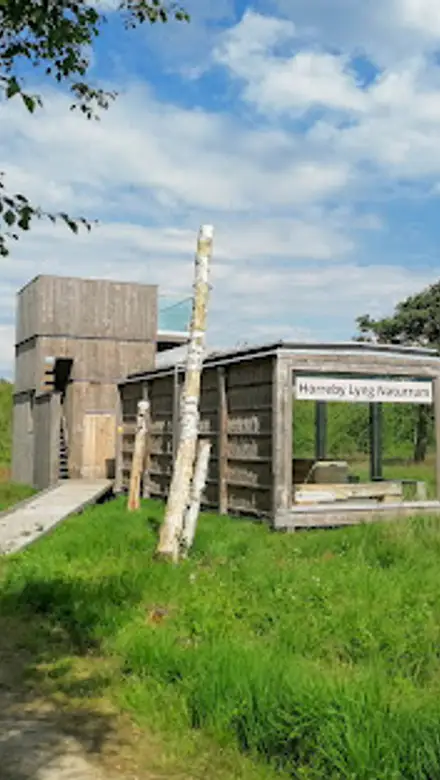
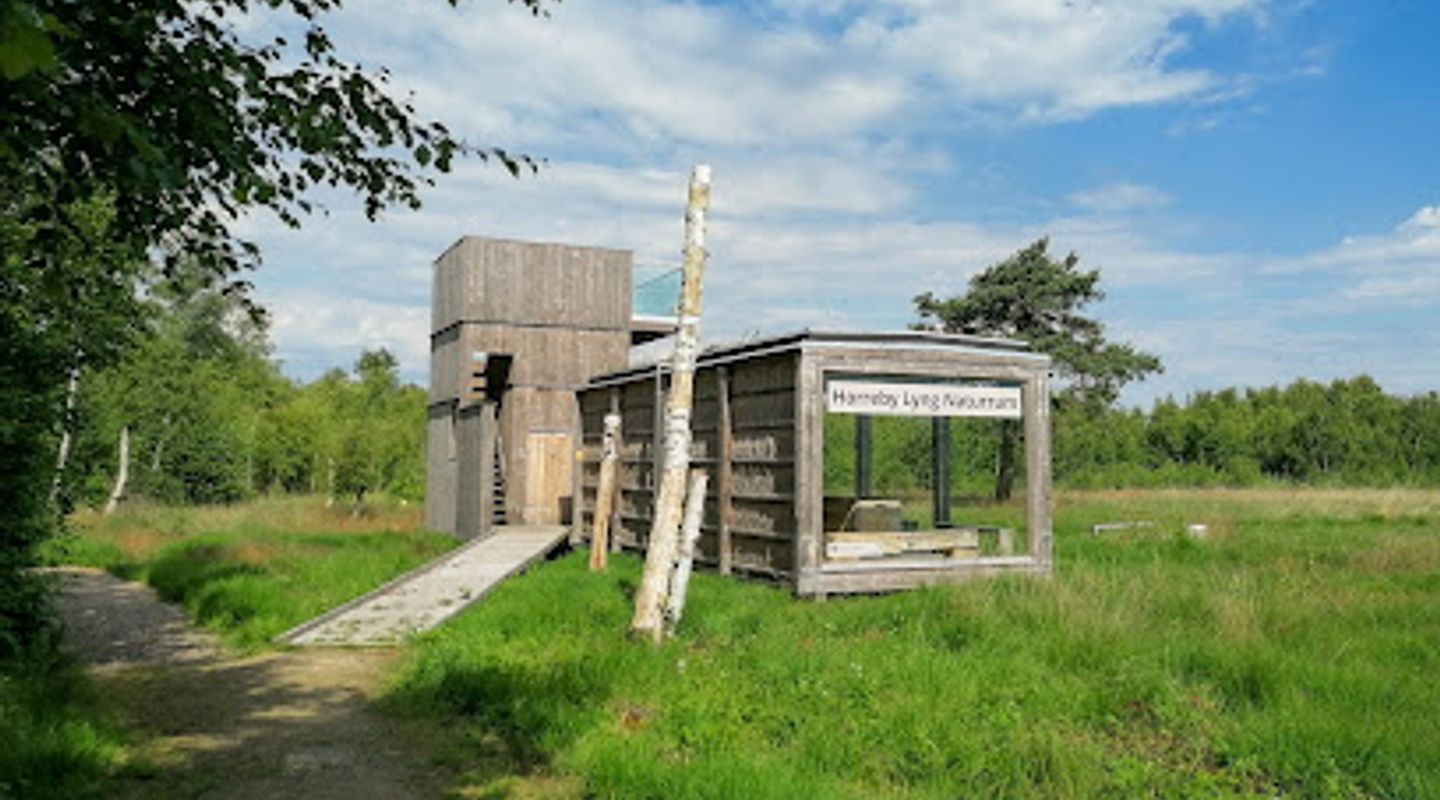
Horreby Lyng is Falster’s only raised bog, a rare mosaic of peatland, pools and woodland just east of Nykøbing Falster. Once a busy peat-cutting landscape, it is now a protected nature area with marked trails, sections of boardwalk and information signs that reveal its geology, archaeology and wildlife. Carnivorous plants, adders, butterflies and sphagnum moss thrive here, while traces from the Neolithic to World War II tell the story of how people have used and shaped this wet, mysterious terrain.
A brief summary to Horreby Lyng
- Spangvej, Nykøbing Falster, 4800, DK
- Click to display
- Click to display
- Duration: 1 to 3 hours
- Free
-
 Outdoor
- Mobile reception: 3 out of 5

Know before you go
Hi, I'm Eve. Here are a few practical things to know before exploring Horreby Lyng.
- Wear waterproof or sturdy footwear; even on dry days sections of the paths and areas beside the boardwalk can be wet and muddy.
- Visit in late spring or summer to see carnivorous plants, dragonflies and flowering bog vegetation at their most active and colourful.
- Remember that the bog lies on private land and is generally only accessible from early morning until sunset; stay on marked paths and follow all signs.
- Bring binoculars and a camera for birdlife and close‑ups of mosses and sundews, as well as layers to adapt to wind and shade across the open bog.
- In warmer months, consider insect repellent and keep an eye out for adders sunning themselves near the edges of paths and boardwalks.
Do you manage this location?
Take control to get all the benefits, like improved information, better appearance, and stronger visibility across AI-powered discovery. Learn more about listing your business on Evendo
Activate your presenceOther nearby places you may find interesting
The closest places of the same kind, if this one is not quite what you had in mind.
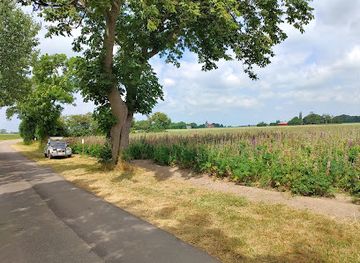
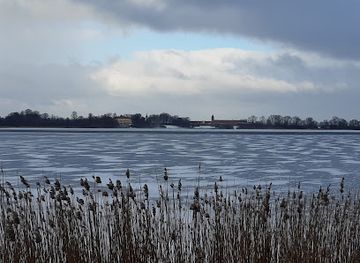
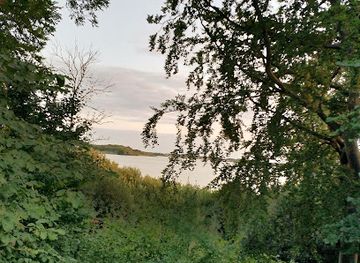
Explore Horreby Lyng on the Map
A handpicked selection of must-see spots near Horreby Lyng, mapped for you.
Getting There
-
Car from Nykøbing Falster
From central Nykøbing Falster, driving to Horreby Lyng typically takes around 15 to 20 minutes via local country roads. The route uses paved roads through farmland and small villages, with the final approach on narrower lanes. There is usually informal roadside or small parking‑area space near the main access point, but marked facilities are limited. Travel is free aside from fuel costs, and the option suits visitors who want flexibility with timing and who are comfortable driving on rural Danish roads in all seasons.
-
Bicycle from Nykøbing Falster
Cycling from Nykøbing Falster to Horreby Lyng takes roughly 35 to 50 minutes each way, depending on pace and wind. The distance is around 10 km, following a mix of smaller roads and local cycle‑friendly routes through relatively flat countryside. Surfaces are mostly paved with short stretches that may be rougher or have agricultural traffic. This is a good option in spring to autumn for reasonably confident cyclists; winter or very wet weather can make the ride less pleasant due to wind and rain exposure.
-
Taxi from Nykøbing Falster
A taxi ride from Nykøbing Falster to Horreby Lyng generally takes 15 to 20 minutes. Local taxi companies typically charge in the region of 200 to 300 DKK one way for this distance, depending on time of day and any waiting time. This can be practical if you do not have a car, especially for small groups who can share the fare. Taxis should be booked in advance, and return pick‑up should be arranged since the bog’s surroundings are rural and you are unlikely to find a taxi waiting nearby.
For the on-the-go comforts that matter to you
-
 Information Boards
-
 Trash Bins
-
 Seating Areas
Discover more about Horreby Lyng
A rare raised bog in southern Denmark
Horreby Lyng is one of Denmark’s few remaining raised bogs and the only one on Falster, a remnant of a post‑Ice Age meltwater lake that gradually filled with plant material until it rose above the surrounding landscape. Over thousands of years, layer upon layer of sphagnum moss built up a thick, waterlogged blanket of peat, creating the acidic, oxygen‑poor conditions that define this special habitat. Today the bog forms a patchwork of quaking moss carpets, dark pools and drier ridges with heather and low pines.Because of these conditions, plants and animals that struggle elsewhere find a stronghold here. In summer, dragonflies skim over the water, while cotton grass nods in the breeze and sun‑loving lichens brighten exposed hummocks. The silence is broken mainly by birds and the soft squelch of your footsteps, underlining how different this environment feels compared with the farmland that surrounds it.From peat work to nature restoration
For generations Horreby Lyng was an important peat‑cutting site, especially around the Second World War when peat was a vital fuel for heating and cooking. At the eastern end of the area you can still see where intensive extraction drained and dried out the bog, leaving a landscape now covered with bushes and deciduous trees instead of open mire. These scars are part of the story, showing how heavily people once depended on this unforgiving ground.In recent decades, a large‑scale restoration effort has aimed to bring back the bog’s natural hydrology and ecological richness. Old ditches have been blocked, water levels raised and sensitive areas protected, allowing sphagnum to recolonise and wetland species to return. What was once an industrial landscape is now managed primarily for conservation and quiet recreation, with landowners opening their private property to visitors from early morning until sunset as long as paths and signs are respected.Hidden history preserved in the peat
The same oxygen‑poor, acidic conditions that favour bog plants also preserve traces of the past. Horreby Lyng has yielded archaeological finds from the Neolithic onwards, including human remains, tools and organic objects that would have decayed rapidly in normal soil. Items such as goatskin garments and flint artefacts offer a rare glimpse of everyday life thousands of years ago, when the bog was both a resource and a place of mystery on the edge of settled land.These discoveries link Horreby Lyng to the long tradition of bog archaeology in Denmark, where wetlands have revealed sacrificial offerings, trackways and extraordinary preserved bodies. While you will not see excavation trenches here today, information boards along the routes explain the significance of the finds and how the peat has guarded them for millennia. Walking the narrow paths, it is easy to imagine earlier inhabitants skirting the same wet hollows and firm ridges.Trails, boardwalks and close‑up encounters
Several marked walking routes of roughly 3 to 5 km thread through the bog and adjacent woodland, each offering a slightly different perspective on the landscape. A highlight is the roughly 300‑metre boardwalk in the western part of Horreby Lyng, which carries you across particularly wet sections where the ground would otherwise be impassable. From here you can look straight down into pools, watch insects at eye level and appreciate the subtle shifts in vegetation over just a few steps.The terrain on the main routes is gently undulating with minimal elevation gain, but surfaces range from firm forest track to soft, occasionally muddy ground. Good footwear is recommended, and families with small children should keep a close eye out near waterlogged sections. Benches are limited, so many visitors simply pause beside the boardwalk railings or at clearings where the trees open to views across the mire.Wildlife, seasons and atmosphere
Although compact, Horreby Lyng is rich in wildlife. Adders may bask on sun‑warmed planks in spring, while careful observers can find carnivorous plants such as sundews clinging to damp moss. Birdlife shifts with the seasons, from singing warblers and cuckoos to quiet winter days when the bog feels almost suspended in time. Misty mornings lend an especially atmospheric quality, with tree silhouettes and spider webs beaded with water droplets.Seasonality shapes the experience: late spring and summer bring flowers, insects and vibrant greens, whereas autumn highlights rusty hues in the heather and peat. Even on cooler days, the bog rewards unhurried exploration, offering a sense of remoteness despite its proximity to Nykøbing Falster. Whether you come for photography, natural history or simple contemplation, Horreby Lyng invites you to slow down and experience Denmark’s wetland heritage up close.












Your all‑in‑one travel companion app
Explore expert travel guides, compare and book tours, experiences, hotels, and more—all from the palm of your hand. Download now for seamless trip planning wherever your wanderlust takes you.


Explore More of Lolland
Looking beyond Horreby Lyng? Discover Lolland for broader travel guides, local hot-spots, and regional highlights.
Explore Lolland
Serene waterfront camping with views of Grønsund Strait, peaceful Danish hospitality, and easy access to island exploration.
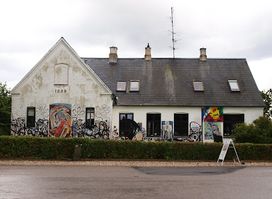
Colourful rural gallery and sculpture garden on Falster, blending Cobra-inspired art, changing exhibitions and a relaxed farmhouse setting with free entry.