Museum Obscurum, Lolland Travel Guide
An atmospheric cabinet of curiosities in Nykøbing Falster where cryptids, folklore and a fictional collector’s secrets blur the line between museum reality and dark imagination.
Museum Obscurum in Nykøbing Falster is a theatrically staged cabinet of curiosities built around the fictional 19th‑century collector Cornelius S.C. Rödder. In the creaking rooms of an old townhouse, cryptozoological “specimens” – from werewolves and dragons to odd taxidermy and occult objects – blur the line between folklore and fact. Part immersive story, part eerie exhibition, it invites you to question what you believe while wandering through dimly lit chambers on the edge of reality.
A brief summary to Museum Obscurum
- Færgestræde 1a, Nykøbing Falster, 4800, DK
- Click to display
- Click to display
- Duration: 1 to 2 hours
- Budget
-
 Indoor
- Mobile reception: 4 out of 5
- Monday 10 am-4 pm
- Tuesday 10 am-4 pm
- Wednesday 10 am-4 pm
- Thursday 10 am-4 pm
- Friday 10 am-4 pm
- Saturday 10 am-3 pm

Know before you go
Hi, I'm Eve. Here are a few practical things to know before exploring Museum Obscurum.
- Plan for 1–2 hours so you can read Cornelius’ notes and labels; much of the exhibition’s charm lies in the written details that hint at what might be real.
- Some rooms are dimly lit and slightly eerie, so prepare younger or sensitive visitors in advance if they are easily spooked by shadows and spooky stories.
- Combine your visit with the old grocery store on the ground floor for a contrasting glimpse of everyday historic life alongside the occult curiosities upstairs.
- If you prefer a quieter experience, aim for times outside local school holidays and arrive early or later in the day when the small rooms feel less crowded.
- Watch your step on the uneven floors and stairways, and give yourself time in each room for your eyes to adjust to the low light before moving on.
Do you manage this location?
Take control to get all the benefits, like improved information, better appearance, and stronger visibility across AI-powered discovery. Learn more about listing your business on Evendo
Activate your presenceOther nearby places you may find interesting
The closest places of the same kind, if this one is not quite what you had in mind.
Explore Museum Obscurum on the Map
A handpicked selection of must-see spots near Museum Obscurum, mapped for you.
Getting There
-
Train and walking from Copenhagen
From Copenhagen, take the regional train to Nykøbing Falster station; direct services typically run about once an hour and the journey takes around 1 hour 15 minutes. Standard adult tickets usually cost in the range of 150–230 DKK one way in standard class, depending on time and flexibility. From Nykøbing Falster station it is roughly a 10‑minute walk through town on mostly level pavements; the route is straightforward but not signposted for the museum specifically, so allow a little extra time if you are unfamiliar with the area.
-
Car from southern Zealand and Lolland
Arriving by car from nearby towns on Lolland or southern Zealand, expect driving times of roughly 30–60 minutes depending on your starting point and traffic. You cross via regional roads rather than motorways for the final stretch, so speeds may be lower in villages. Parking in central Nykøbing Falster is generally in public car parks or signed street spaces; charges and time limits vary, but you should budget around 10–20 DKK per hour in the central area. From most car parks in the old town, the walk to the museum is a few minutes over cobbled or paved streets.
-
Regional bus within Guldborgsund area
Regional buses connect smaller towns on Falster and Lolland with Nykøbing Falster, making the museum reachable even without a car. Typical journey times range from 20 to 50 minutes depending on route and intermediate stops. Single tickets on local buses are usually around 20–40 DKK within the municipality. Most services stop near the central bus area close to the train station; from there you can walk to the museum in about 10 minutes on urban pavements that are generally suitable for most visitors, though some approaches in the old streets include gentle inclines and occasional cobblestones.
For the on-the-go comforts that matter to you
-
 Restrooms
-
 Drink Options
-
 Drinking Water
-
 Food Options
-
 Seating Areas
-
 Sheltered Areas
-
 Trash Bins
-
 Information Boards
-
 Visitor Center
Discover more about Museum Obscurum
A secret doorway into Cornelius Rödder’s world
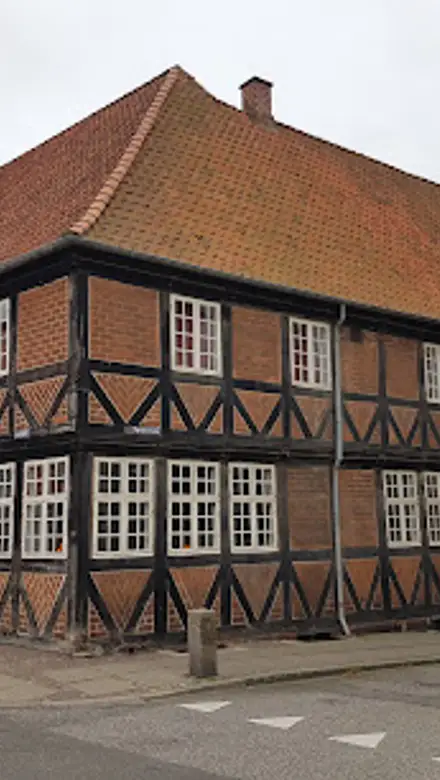
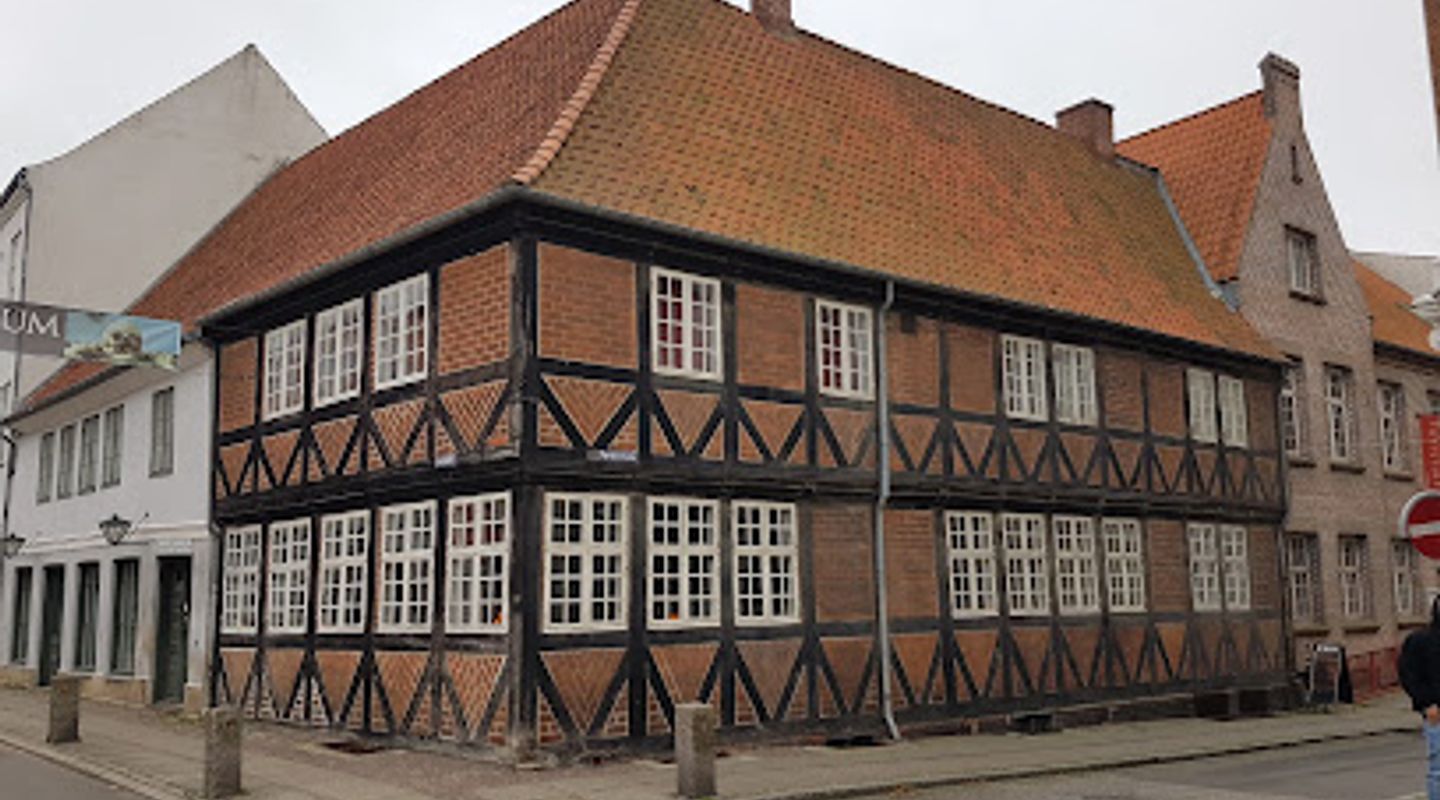
In a historic house on Færgestræde, Museum Obscurum spins a deliciously unsettling tale around the imaginary collector Cornelius S.C. Rödder. The story begins with a hidden door, discovered during renovation in 2017, behind which lay crates, notes and strange items linked to this eccentric 19th‑century figure. That framing gives the entire museum the feel of a recently unearthed time capsule, as though you have slipped into someone’s locked study and are rifling through a life’s obsessions.The curators have rebuilt Cornelius’ apartment room by room, so you wander through parlours, hallways and cupboards rather than neutral galleries. Low ceilings, creaking floors and wood‑panelled walls make the fiction feel tangible, and the narrative threads you encounter in diaries and labels quietly invite you to decide how much of this you accept as truth.Curiosities on the border of myth and science
The collection itself is a playful blend of natural history, folklore and outright invention. Cabinets and glass domes display hybrid creatures, cryptids and unusual taxidermy: a werewolf frozen mid‑snarl, a tiny dragon, peculiar fish, and animals that would be perfectly at home in a 19th‑century curiosity cabinet. Elsewhere you might notice bones, jars, charms and talismans that hint at fieldwork in remote corners of the world.Labels and notes are written as though by Cornelius, mixing observational detail with speculative theories. This deliberate ambiguity is part of the experience: the exhibition never fully confirms what is real and what is constructed, encouraging you to read closely, compare objects and form your own conclusions about the credibility of each specimen.Atmosphere of superstition, shadow and suggestion
Lighting is intentionally sparse in many rooms, with pools of warm light picking out key displays while corners recede into shadow. Occasional sound effects, voices or music drift through the building, adding to the sense that you are trespassing in a living, if absent, household. It can feel cosy in one room and suddenly ominous in the next, as the tone shifts from whimsical to quietly macabre.Themes of belief and superstition run throughout. You encounter stories of werewolves, fairies and forest spirits set alongside more sober explanations of how people once tried to understand the unknown. The Latin word “obscurum” – suggesting darkness, the hidden and the uncertain – is woven into texts that gently challenge you to reflect on why mysterious things attract us and where you personally draw the line between rationality and imagination.A museum within a museum in Falsters Minder
Museum Obscurum occupies part of the old Falsters Minder complex, a local history museum founded in the early 20th century to preserve the island’s past. On the ground floor, an old‑fashioned grocery store has been recreated with shelves of nostalgic goods, evoking the everyday life that once surrounded Cornelius’ invented universe upstairs.This layering of historical setting and fictional narrative gives the visit an extra richness. You move from the tangible heritage of a Danish market town into the speculative environment of a collector who never quite existed, yet feels oddly plausible. It is a place where museum practice, theatrical design and storytelling merge into one coherent, slightly unsettling whole.Practical visit: layout, access and who it suits
Inside, you navigate a series of relatively small, interconnected rooms across multiple levels. Floors can be uneven due to the age of the building, something to bear in mind if you have limited mobility or visual impairments. There are information panels with illuminated text, and sound is present but not essential to following the storyline.The museum particularly appeals to older children, teens and adults who enjoy eerie tales, imaginative exhibitions and the thrill of not quite knowing what to believe. Allow around one to two hours to explore at a relaxed pace, pausing to read Cornelius’ notes and seek out hidden details. Step back outside and the bright streets of Nykøbing Falster can feel almost too normal after the shadows you have just left behind.












Your all‑in‑one travel companion app
Explore expert travel guides, compare and book tours, experiences, hotels, and more—all from the palm of your hand. Download now for seamless trip planning wherever your wanderlust takes you.


Explore More of Lolland
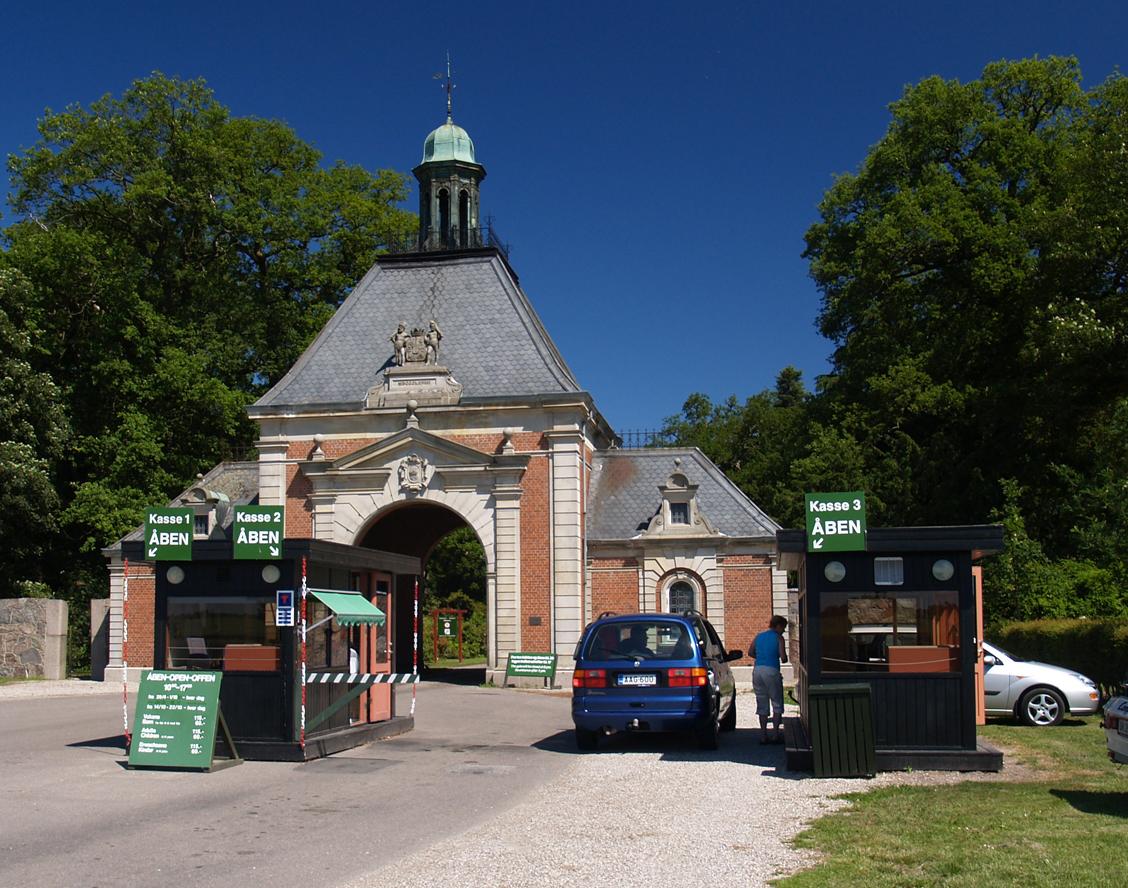
Looking beyond Museum Obscurum? Discover Lolland for broader travel guides, local hot-spots, and regional highlights.
Explore Lolland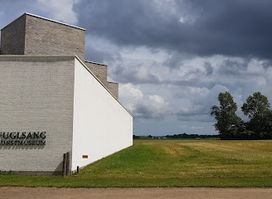
Light-filled Danish art museum in the Lolland countryside, where minimalist architecture, strong collections and big-sky views create a quietly memorable escape.
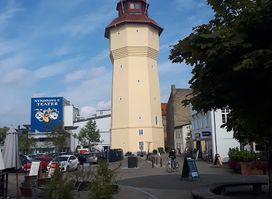
Step into Cornelius S.C. Rödder’s dimly lit townhouse, where cryptids, curiosities and occult archives invite you to question what is museum fact and what is carefully crafted myth.