

Stiftsmuseum Maribo Travel Guide
Free Guide: Compact yet ambitious cultural history museum in central Maribo, tracing 10,000 years of Lolland-Falster life from Stone Age “Lola” to medieval art and coastal storms.


A brief summary of Stiftsmuseum Maribo
Compact yet ambitious cultural history museum in central Maribo, tracing 10,000 years of Lolland-Falster life from Stone Age “Lola” to medieval art and coastal storms.
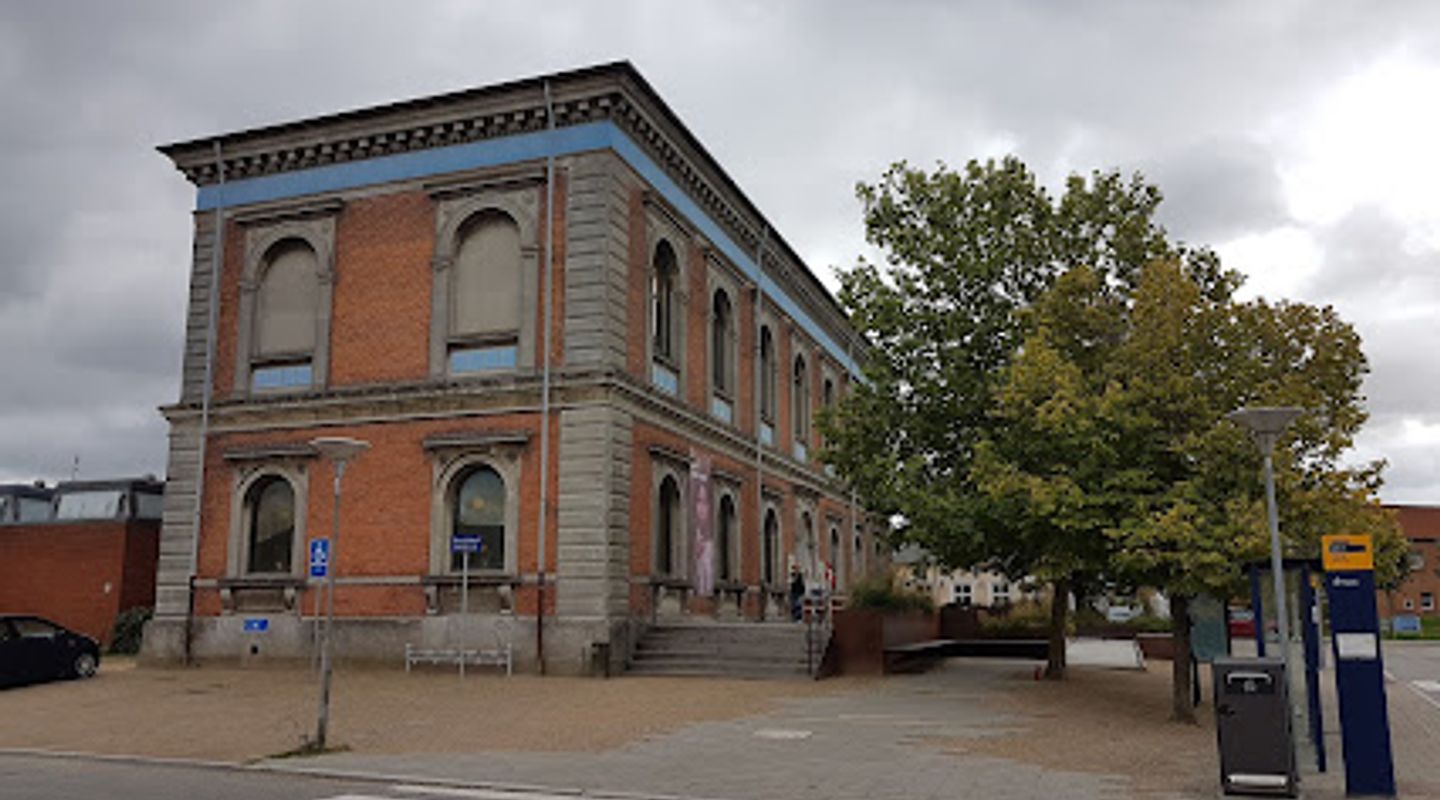
Stiftsmuseet Maribo is a cultural history museum in a handsome 1890s building right by Maribo Station on Lolland. Inside, 10,000 years of local history unfold through thoughtfully designed exhibitions, from the Stone Age story of “Lola” – a girl reconstructed from DNA found in ancient birch-bark chewing gum – to medieval crucifixes, rune stones and evocative displays about storms and life in the South Sea Islands. It is an intimate, well‑curated place to understand Lolland-Falster in depth.
On-site amenities
 Restrooms
 Drink options
 Drinking water
 Food options
 Seating areas
 Sheltered areas
 Trash bins
 Information boards
 Visitor centre
Opening hours
- Mon10 am–4 pm
- Tue10 am–4 pm
- Wed10 am–4 pm
- Thu10 am–4 pm
- Fri10 am–4 pm
- Sat10 am–3 pm
- SunClosed
Opening hours as listed on the venue’s Google Business Profile. Hours can change for services and special events, so check with the venue before you go.
- Address
- Banegårdspladsen 11, 4930 Maribo
- Phone
- Website
Getting there
Regional train
Car from Copenhagen and Zealand
Regional bus within Lolland-Falster
Cycling on national and local routes
Discover more about Stiftsmuseum Maribo
A museum in the heart of Maribo’s story
Stiftsmuseet Maribo sits just beside the railway station, in a solid late‑19th‑century building that once symbolised civic pride in this small cathedral town. Today, it serves as the main cultural-historical museum for Lolland-Falster, weaving together archaeology, religion, daily life and the forces of nature that have shaped Denmark’s “South Sea Islands”. High ceilings, generous windows and wooden floors give the interior a calm, slightly old-fashioned charm that contrasts with the very contemporary approach to storytelling.The museum’s mission is simple but ambitious: to condense around 10,000 years of human presence on Lolland and Falster into a sequence of exhibitions that feel both approachable and surprising. As you move from room to room, objects from peat bogs, churches and farmsteads appear in carefully lit displays, each used as a starting point for wider tales about belief, survival and identity at the edge of the Baltic.
Lola and the deep past of Lolland
On the ground floor you step straight into the world of “Lola”, a Stone Age girl whose existence was revealed through DNA extracted from a piece of birch-bark chewing gum found during local excavations. Here, archaeology is turned into an intimate encounter: reconstructed faces, sounds of birdsong and water, and everyday tools help you imagine life on the shores and wetlands some 5700 years ago.Rather than focusing only on spectacular artefacts, the exhibition lingers on small, tactile details: the texture of worked flint, the traces of meals, the evidence of how people moved across a landscape of forests, inlets and shallow seas. It is both scientific and atmospheric, showing how a single fragment of “chewing gum” can unlock an entire community’s story.
Faith, art and the OMG gallery
Sharing the ground floor is OMG – short for “Oh My God” – an exhibition devoted to medieval Christianity and church art from Lolland-Falster. Here you encounter finely carved crucifixes, painted panels and fragments of frescoes once hidden high in village churches. Subtle lighting and darkened walls draw attention to expressive wooden faces and the patina of centuries-old paint.The gallery also explores how churches were built and decorated in the region, using models, digital projections and original stones to illustrate techniques. Symbols familiar from European medieval art appear alongside local quirks, showing how global religious ideas filtered through the hands of craftsmen working in small island parishes. The result is both a crash course in iconography and a quiet space to contemplate how belief has shaped the islands’ visual culture.
Rune stones, storm surges and fragile coasts
In the foyer stand two rune stones, Sædingestenen and Skovlængestenen, impressive granite monuments incised with Viking Age inscriptions. Here, brief translations and background texts situate them within Denmark’s runic tradition, while their sheer weight and weathering speak of a millennium spent outdoors before they were brought under cover.Elsewhere in the building, newer exhibitions examine the drama of the Baltic coastline. A darkened room with films and sound traces historic storm surges that flooded low-lying land, reminding visitors that Lolland-Falster’s fertile fields exist in constant negotiation with the sea. Through maps, eyewitness accounts and objects recovered after extreme weather, the museum links distant prehistory with very current questions of climate and vulnerability.
Visiting, atmosphere and accessibility
Stiftsmuseet is currently operating with limited opening periods, so visiting is concentrated into a defined season, when special family activities and guided tours often bring added life to the galleries. Despite the modest size of the building, there is enough material for a richly layered visit, especially if you take time to read the bilingual texts and watch the short films.Because the museum occupies an older three‑storey structure, full accessibility is only possible on the ground floor, where a ramp gives wheelchair users access to the shop, tourist information point and the OMG exhibition. Upper floors are reached by wide staircases with handrails. Facilities such as restrooms and a small shop make it easy to pause between sections, while the location next to the station and town centre invites you to combine a visit with a stroll around Maribo’s lakes and cathedral quarter.
Part of a wider museum family
Stiftsmuseet forms one of several sites under the Museum Lolland-Falster umbrella, alongside the open-air “Old Houses”, Museum Obscurum and other attractions around Maribo and Nykøbing. A season or annual pass can cover multiple venues, encouraging travellers to explore how themes begun here – Stone Age life, coastal change, regional craftsmanship – play out in different settings.Within this network, Stiftsmuseet stands out as the place where strands of archaeology, religious art and environmental history are drawn together. For anyone curious about how a small island region at the fringe of Denmark connects to bigger European stories, it offers a compact but insightful introduction.
Evendo Review Centre
 Google
Guest reviews
Best time to go
Quietest: Jan, Nov & Dec · before 8am or from 6pm
Busy times are Evendo estimates for a typical year, to help you plan. Actual crowds vary with events, school holidays and the weather.
Explore Stiftsmuseum Maribo on the map
A handpicked selection of must-see spots near Stiftsmuseum Maribo, mapped for you.
Get your free copy of our complete guide to Stiftsmuseum Maribo, delivered straight to you.
Everything on this page, from opening hours and how to get there to Eve’s tips and the best time to go, in one PDF you can read offline, print or share.
Already have an account? Sign in
Your Stiftsmuseum Maribo guide is ready.
We'll send it to · Not you? Sign out

Getting your guide ready…
We are putting together a fresh copy of the Stiftsmuseum Maribo guide. This can take up to a minute.
This can take a few moments. If your browser asks, choose Allow so the download can start. You'll find the guide in your Downloads folder.
Nothing happened? Download it again
Sorry, the guide is taking longer than usual. Please try again in a minute, or get it by email instead.
Other nearby places you may find interesting
The closest places of the same kind, if this one is not quite what you had in mind.
-
Labyrint Lolland-Falster Lose yourself in a leafy forest maze where quiz clues, gentle trails and fresh Lolland-Falster air turn getting lost into an easygoing family adventure.
-
Evolution Museet World-class real dinosaur fossils and a 300-million-year journey through evolution, set inside Denmark’s Knuthenborg Safaripark on the island of Lolland.
-
Lupinmark A seasonal sea of lupins turning the Lolland farmland into a vivid carpet of color, perfect for a peaceful countryside pause and striking photographs.
-
Skelsnæs-pavillionen A restored 1822 forest pavilion on a lakeside promontory in Naturpark Maribosøerne, offering peaceful picnic shelter amid historic woods and bird‑rich waters.
-
Relic of the Castle Revshale Subtle grassy earthworks on Borgø Island where a forgotten royal fortress, fierce 13th‑century battles and the serene Maribo Lakes Nature Park meet.
Swipe for more places
More to explore near Stiftsmuseum Maribo

 Best experiences near Stiftsmuseum Maribo
 Best hotels near Stiftsmuseum Maribo
 Best landmarks near Stiftsmuseum Maribo
 Best attractions near Stiftsmuseum Maribo
 Best shops near Stiftsmuseum Maribo
 Best restaurants near Stiftsmuseum Maribo
 Best bars near Stiftsmuseum Maribo
Do you manage this location?
Take control to get all the benefits, like improved information, better appearance, and stronger visibility across AI-powered discovery.
Explore more
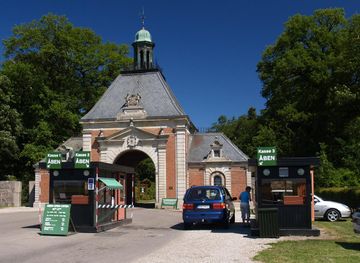
Explore more of Lolland
Discover Lolland, Denmark's tranquil island retreat, offering lush landscapes, historic sites, and delightful local cuisine for an unforgettable escape.
Explore Lolland
Explore more of Denmark
Discover Denmark: A perfect blend of history, modern design, and the cozy concept of hygge. Explore vibrant cities, serene landscapes, and world-class cuisine.
Explore Denmark
