Background

Korsør Fortress: A Coastal Bastion of Danish History

Explore Korsør Fortress, a historic coastal defense guarding the Great Belt, offering stunning views, rich history, and a glimpse into Denmark's maritime past.

4.2

Korsør Fortress, a well-preserved historical landmark in Korsør, Denmark, offers a captivating journey through time. Dating back to the 12th century, with significant expansions in the 17th century, this coastal fortress played a crucial role in Denmark's defense, guarding the Great Belt strait. Today, visitors can explore its imposing ramparts, discover historical exhibits, and soak in panoramic views of the surrounding waters. The fortress also houses the Korsør Town and Crossing Museum, providing deeper insights into the town's history as a vital crossing point between Zealand and Funen. With its blend of military history, architectural grandeur, and scenic beauty, Korsør Fortress promises an enriching experience for history buffs and casual travelers alike. Don't miss the opportunity to wander through the grounds, appreciate the lush greenery, and capture stunning photographs of this iconic Danish landmark.

A brief summary to Korsør Fortress

  • Søbatteriet 3, Korsør, 4220, DK

Local tips

  • Visit during the late afternoon for beautiful sunset views over the water.
  • Check for guided tours that provide in-depth historical insights.
  • Wear comfortable shoes as the terrain can be uneven.
  • Bring a camera to capture the stunning architecture and scenic views.
widget icon

Getting There

  • Walking

    From Korsør Station, the fortress is approximately a 20-minute walk. Exit the station and head towards the harbor. Follow the signs for 'Korsør Fæstning'. Walk along the waterfront, passing the fishing harbor. Continue along Batterivej, which leads directly to the fortress entrance. The walk offers scenic views of the harbor and the Great Belt.

  • Public Transport

    From Korsør Station, take bus number 216 towards Korsør, and request to stop at 'Søbatteriet'. The fortress is a short walk from the bus stop. Check local schedules for bus routes operated by Movia. A single bus fare costs approximately 24 DKK.

  • Taxi/Ride-Share

    A taxi or ride-share from Korsør Station to Korsør Fortress takes about 5-10 minutes, depending on traffic. The estimated cost is between 80-120 DKK. Taxis are usually available at the station, or you can use a ride-sharing app to book a ride.

  • Driving

    If driving, follow signs to Korsør and then to 'Søbatteriet'. Parking is available near the fortress, but be mindful of parking regulations to avoid fines. Parking fees vary, but expect to pay around 15 DKK per hour or 80 DKK for a full day.

Unlock the Best of Korsør Fortress

Buy tickets

    No tickets available

Book tours with entry

    No tours available

Book tours without entry

    No tours available

Discover more about Korsør Fortress

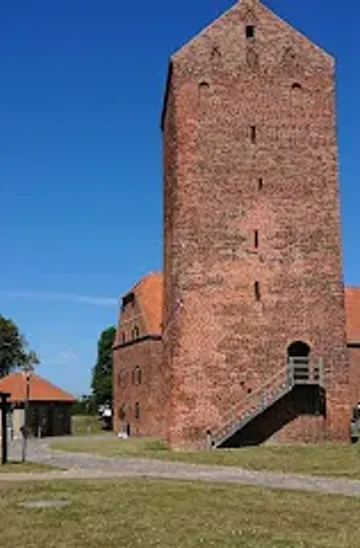
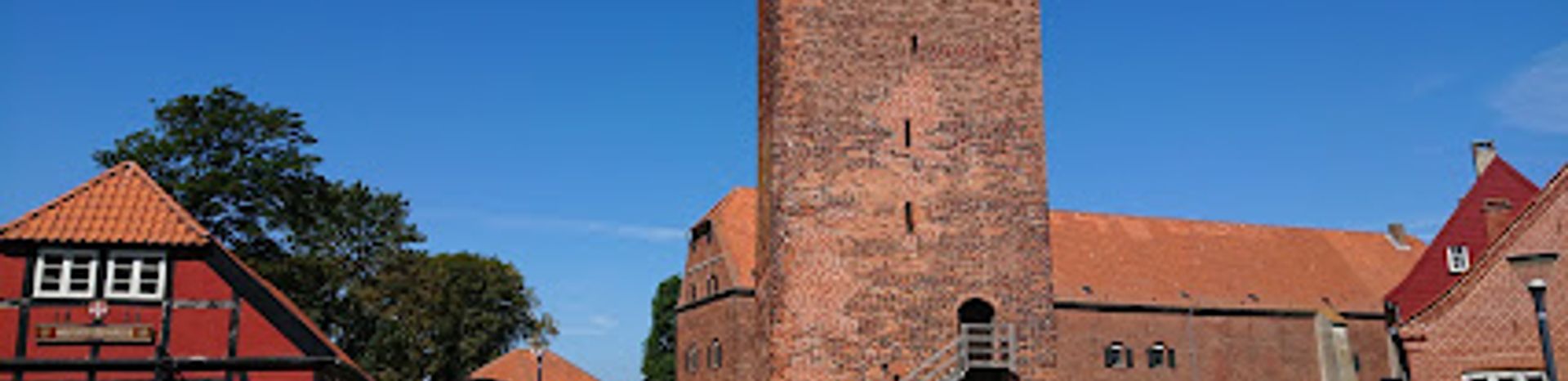
Korsør Fortress, also known as Korsør Coastal Battery, stands as a testament to Denmark's rich maritime and military history. Located in the charming town of Korsør, this historical landmark has played a pivotal role in the defense of Denmark and the control of the Great Belt strait for centuries. The fortress's origins trace back to the 12th century, when a medieval tower was first erected as part of Korsør Castle. The town of Korsør is first mentioned in 1241, and the medieval tower dates back to this period. This strategic location was chosen to monitor and protect the vital waterway connecting the Baltic Sea with the Kattegat and the North Sea. Over the centuries, the fortress underwent numerous expansions and renovations, reflecting the changing military strategies and technological advancements of the time. King Christian IV ordered the construction of the Great Magazine around 1610. During the 17th century, particularly during the Scanian War and other conflicts with Sweden, Korsør Fortress was significantly fortified. The ramparts surrounding the fortress area were constructed by order of the Swedish, during their occupation of Korsør from 1658-60. These fortifications transformed the site into a formidable coastal defense, capable of withstanding sieges and deterring enemy naval forces. The fortress served as a crucial base for the Danish navy, allowing them to control shipping traffic and project power throughout the region. In 1856, the defensive position was converted to a coastal battery to protect the harbor entrance. The Danish navy continued to operate out of Korsør and were particularly active during WWI. While Denmark was not at war, a partial mobilization was carried out to protect the country. Today, Korsør Fortress is a well-preserved historical site that offers visitors a fascinating glimpse into Denmark's past. The fortress grounds encompass several notable buildings and structures, each with its own unique story to tell. The medieval tower, though demolished in the early 1800s, remains a focal point of the fortress, representing its earliest origins. The Great Magazine, constructed in 1610, stands as a testament to the fortress's role as a vital supply depot. On the first floor Korsør Town and Crossing Museum can be found. On the ground floor function as Korsør Town's exhibition and event centre, while the basement and top floors serve as storage for the Museum's extensive collections. The Local History Archives for Korsør and Environs are located in the 'Commandants Residence' – a wood-faced, half-timbered building from the 1720´s - as well as the adjoining harbourmasters residence dating from 1884. The red-painted half-timbered house across from the tower dates from 1826, and was originally built for the storage of gun carriages. The building has, over the years, served variously as a youth hostel and a museum. Today it is the meeting place of the Marine Society as well as housing their historic collection. Visitors can explore the fortress's ramparts, which offer panoramic views of the Great Belt and the surrounding coastline. Walking along these historic defenses, one can imagine the soldiers who once stood guard, watching for approaching enemy ships. The fortress also houses several museums and exhibits that showcase its history and significance. The Korsør Town and Crossing Museum, located within the fortress grounds, provides insights into the town's role as a vital transportation hub. The fortress area bears the marks of many different historical periods, making it a site of unique historical interest. Beyond its historical significance, Korsør Fortress is also a place of natural beauty. The fortress grounds are surrounded by lush greenery and offer peaceful walking paths. Visitors can enjoy leisurely strolls, bask in the serene ambiance, and relish the stunning views of the Great Belt. The combination of history and nature makes Korsør Fortress a truly special destination. Korsør itself is an attractive old seaside market town. For the last 6 years Korsør hosted tourists from 9 cruise ships. The town is situated around a harbor which for centuries has been an important part of its inhabitants' daily life. To move from the southern part of the town to the northern, or vice versa, citizens have to pass over a bridge which at certain times of the day will be raised in order to let ships in or out of the fiord. Boats, vessels, merchant ships and the occasional cruise liner are regular visitors. Slottensgade led to Korsør Castle, which has now been demolished. The castle gave the street its name. Whether you are a history enthusiast, a nature lover, or simply seeking a unique travel experience, Korsør Fortress has something to offer. Its rich history, stunning architecture, and scenic surroundings make it a must-visit destination in Denmark. Take the time to explore this coastal bastion and discover the stories it holds within its walls.

Popular Experiences near Korsør Fortress

Popular Hotels near Korsør Fortress

Select Currency