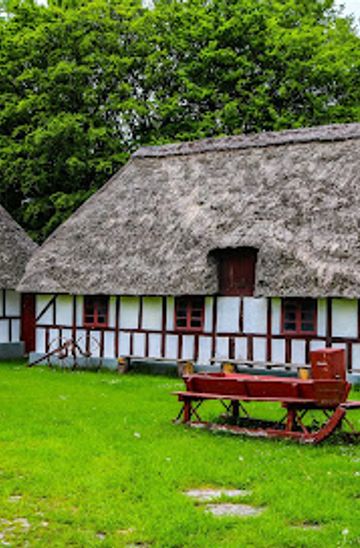
Høgdal Cultural-Historical Visitor Farm
An intimate 18th-century visitor farm near Silkeborg where preserved buildings, gentle animals and hands-on traditions bring rural Danish history to life.
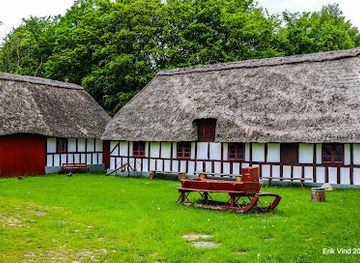
Tucked into the rolling landscapes of Søhøjlandet near Silkeborg, Høgdal is a beautifully preserved 18th-century farm where rural Denmark feels remarkably close at hand. The thatched buildings, cobbled courtyard and surrounding fields form a compact open-air museum, telling the story of five generations who lived and worked here. Today, the visitor farm blends living history, simple crafts and gentle nature, with goats, cats and chickens still animating the yard.
A brief summary to Høgdal
- Høgdalvej 4, Them, 8653, DK
- Duration: 1 to 3 hours
- Budget
-
 Outdoor
- Mobile reception: 3 out of 5

Know before you go
Hi, I'm Eve. Here are a few practical things to know before exploring Høgdal.
- Check ahead for opening days and special events; on many days you can only explore the exterior and grounds, and toilet access is limited to opening hours.
- Bring a packed lunch and drinks, as there is no café on site; the cobbled courtyard and surrounding grass make pleasant, low-key picnic spots.
- Wear sturdy, closed shoes: surfaces are uneven, with cobblestones, grass and dirt that can be muddy after rain.
- If visiting with children, plan extra time for simple games and meeting goats, cats and chickens rather than rushing through the buildings.
- Combine Høgdal with nearby Lake District walks or a trip to Himmelbjerget for a full day in the Søhøjlandet countryside.
Do you manage this location?
Take control to get all the benefits, like improved information, better appearance, and stronger visibility across AI-powered discovery. Learn more
Activate your presenceOther nearby places you may find interesting
Getting There
-
Car from Silkeborg
From central Silkeborg, driving to Høgdal typically takes around 20–25 minutes depending on traffic. You follow regional roads through gently hilly countryside towards Them and continue a short distance into the rural outskirts. There is informal parking near the farm buildings, but spaces are limited and can feel tight during school visits or special events. There are no parking fees, and the final approach includes narrow lanes that may require low speeds and care in wet or icy conditions.
-
Regional bus and walk from Silkeborg
A practical public transport option is to take a regional bus from Silkeborg Bus Station to Them, a ride of roughly 20–30 minutes depending on route and stops. A single adult ticket within the local zone system is typically in the range of 25–35 DKK. From Them, you should expect a countryside walk of around 30–40 minutes along minor roads and paths to reach the farm area. Surfaces can be uneven or muddy, and there is limited shelter, so this option suits reasonably fit visitors and dry-weather days.
-
Cycling from Them or Silkeborg area
The surrounding Lake District is popular with cyclists, and reaching Høgdal by bike from Them or the outskirts of Silkeborg is appealing in good weather. From Them, plan on around 15–20 minutes of cycling on small country roads with gentle hills; from Silkeborg, expect 45–60 minutes depending on route and fitness. There is no dedicated bike infrastructure at the farm, but you can usually lock your bicycle along a fence or by an outbuilding. Surfaces near the farm are gravel and grass, so a city or touring bike with decent tyres is recommended.
For the on-the-go comforts that matter to you
-
 Restrooms
-
 Seating Areas
-
 Trash Bins
-
 Information Boards
Discover more about Høgdal
A farm where time moves slowly
Høgdal sits on a rise in the countryside outside Them, its cluster of low, thatched farm buildings gathered around a sheltered cobbled courtyard. Founded in 1796 by Jens Jensen Lemming, the farm passed from father to son for five generations, its layout and interiors gradually shaped by the everyday needs of rural life rather than grand designs. Walking through the gate today, you step into a small, self-contained world where the rhythm of work, seasons and animals once dictated everything.Instead of polished museum halls, you find whitewashed walls, heavy timber beams and creaking doors. Indoors, modest rooms are often set up with period furniture, tools and domestic objects that suggest people have only just left. Outside, woods and fields loom close, underlining how intimately the farm was tied to its surrounding landscape.The story of two brothers and a preserved way of life
The most recent chapter in Høgdal’s history is shaped by the two brothers Jens and Peder Jensen, the fifth generation to run the farm until the mid-1970s. Their decision not to modernize heavily meant that when the property eventually became a visitor farm, much of its character had been preserved almost intact. In many ways, their lives form the core narrative here: stubbornly practical, closely connected to the soil, and cautious about change.Interpretive material and guided activities, when offered, frequently circle back to that legacy. Rather than focusing on dates and distant politics, Høgdal tells the story of rural Denmark through the lens of one family farm: how roof thatch was maintained, how hay was stored, how food was preserved, and how winters were endured in these low, timbered rooms.Hands-on traditions and seasonal events
On selected days, Høgdal comes alive with historical workshops and themed events inspired by old rural practices. These can include simple crafts such as needle felting and beeswax figure making, flour grinding in small coffee mills, or traditional courtyard games like throwing pea bags and horseshoes. The focus is on tactile, accessible activities that reveal how everyday objects were made by hand.At other times of year, cultural-historical events might explore the surrounding nature, with guided mushroom walks or animal-track outings that link the farm to the forest. Schools and groups can book more structured visits, combining farm history with playful tasks, animal encounters and basic environmental awareness, all grounded in the site’s authentic setting.Animals, courtyard picnics and quiet corners
Even when buildings are closed, the farm remains a pleasant place to wander from the outside. Simple paths and farm tracks lead around the perimeter, where you may meet goats browsing by fences or cats sunning themselves on stone steps. Chickens sometimes scratch in the yard, adding gentle background clucks to the rustle of leaves and distant birdsong.Visitors often bring a packed lunch to enjoy in the sheltered courtyard, using old walls as windbreaks. With no commercial bustle, the atmosphere is notably calm: there are few formal facilities, limited signage and plenty of unhurried corners to sit, watch clouds drift over the fields and imagine earlier generations crossing the same yard in heavy wooden clogs.Lake District landscapes and a sense of place
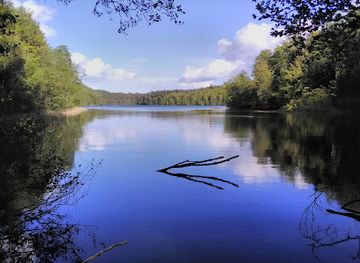
Høgdal lies within the broader Søhøjlandet Lake District, a region of softly undulating hills, forest and water. From the farm, the horizon opens onto cultivated fields, hedgerows and distant tree lines, offering a gentle, low-key sense of elevation rather than dramatic vistas. The setting reinforces how farms here were both working businesses and tiny islands of community in a wider rural mosaic.The combination of preserved buildings, simple animal life and open countryside makes Høgdal as much about atmosphere as it is about exhibits. It is a place to slow down, notice details—an old latch, a hand-hewn beam, a weathered doorframe—and connect those details to a broader story of Danish rural heritage that is fast disappearing elsewhere.Explore the best of what Høgdal has to offer















More about Mariager Fjord
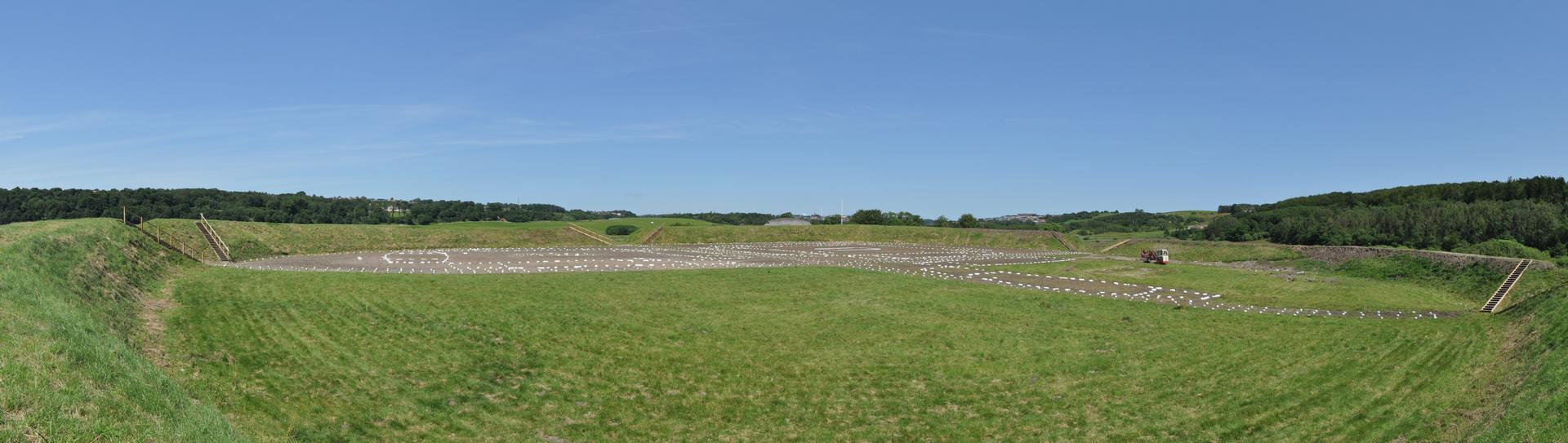
Discover Mariager Fjord: Denmark's hidden gem, offering stunning natural beauty, rich history, and endless outdoor activities in a serene and picturesque setting.
Tell me more about Mariager Fjord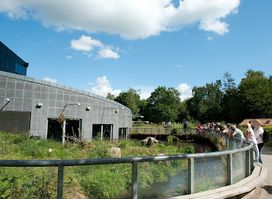
Freshwater worlds, playful otters and splash-filled playgrounds come together in Silkeborg’s lake-district aquarium and Danish wildlife park.
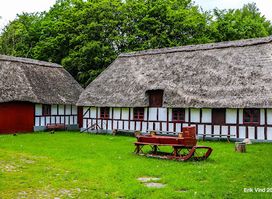
An 18th‑century visitor farm near Them where historic buildings, farm animals and simple countryside routines reveal the quiet charm of old Danish rural life.