
Koldkrigsmuseet REGAN Vest
A once-secret government bunker buried beneath a North Jutland chalk hill, now a fully intact Cold War museum with villa, exhibitions and forest setting.
Hidden 60 metres beneath a chalk hill in the forests near Skørping, Koldkrigsmuseet REGAN Vest is Denmark’s best-preserved Cold War bunker. Built in strict secrecy in the 1960s to shelter the government, royal family and key officials during nuclear war, the 5,500 m² underground complex is now a museum accessible only on pre-booked guided tours. Above ground, the engineer’s 1980s-style villa and a modern exhibition building with café and displays bring the tense atmosphere of the Cold War vividly to life.
A brief summary to Koldkrigsmuseet REGAN Vest
- Røde Møllevej 26, Skørping, 9520, DK
- +4599317400
- Visit website
- Duration: 2.5 to 4.5 hours
- Mid ranged
-
 Mixed
Mixed
- Mobile reception: 3 out of 5
- Monday 9:30 am-8 pm
- Tuesday 9:30 am-8 pm
- Wednesday 9:30 am-8 pm
- Thursday 9:30 am-8 pm
- Friday 9:30 am-8 pm
- Saturday 9:30 am-8 pm
- Sunday 9:30 am-8 pm
Local tips
- Book tickets well in advance; bunker access is only via pre-booked guided tours with strictly limited capacity and often sells out.
- Bring a warm layer and closed shoes; underground temperatures stay cool year-round and corridors involve stairs and some walking.
- Arrive early to explore the 1980s engineer’s villa and main exhibition building before or after your bunker tour slot.
- Allow time for the forest paths around the site, where discrete shafts and structures hint at the vast bunker hidden below.
- Photography policies may vary inside the bunker; check current rules on arrival if you plan to take detailed interior shots.

For the on-the-go comforts that matter to you
- Restrooms
- Drink Options
- Drinking Water
- Food Options
- Seating Areas
- Sheltered Areas
- Trash Bins
- Information Boards
- Visitor Center
Getting There
-
Train and taxi from Aalborg
From Aalborg, take a regional train towards Skørping; the journey typically takes 25–35 minutes with departures at least once an hour during the day. From Skørping station, local taxis cover the rural stretch to Røde Møllevej in about 10–15 minutes. Expect the taxi fare to be around 150–250 DKK depending on time of day and waiting time. Train platforms and rolling stock are generally accessible, but the final taxi leg may require advance booking if you need a larger or wheelchair-adapted vehicle.
-
Car from Aalborg and North Jutland
Driving from Aalborg to the museum area usually takes 30–40 minutes via main roads through Rebild and Rold Skov. The route is straightforward and mostly on well-maintained highways and regional roads. Parking by the museum is free but spaces are limited, especially on weekends and holidays, so shared cars are recommended. In winter and during heavy rain the forest surroundings can be muddy, but access roads are kept open under normal conditions.
-
Train and bicycle from Skørping
Cyclists can bring a bike on many regional trains in North Jutland for a small supplement, usually around 20–30 DKK per bike, subject to space. From Skørping station, the ride through the countryside towards the museum area typically takes 20–30 minutes at a moderate pace on mixed small roads and forest-adjacent routes. Surfaces are mostly paved with some gentle inclines. This option is best in the snow-free season and suits visitors comfortable sharing minor roads with light traffic.
Koldkrigsmuseet REGAN Vest location weather suitability
-
 Any Weather
-
 Rain / Wet Weather
-
 Cold Weather
-
 Mild Temperatures
Discover more about Koldkrigsmuseet REGAN Vest
A secret Cold War stronghold beneath the chalk hill
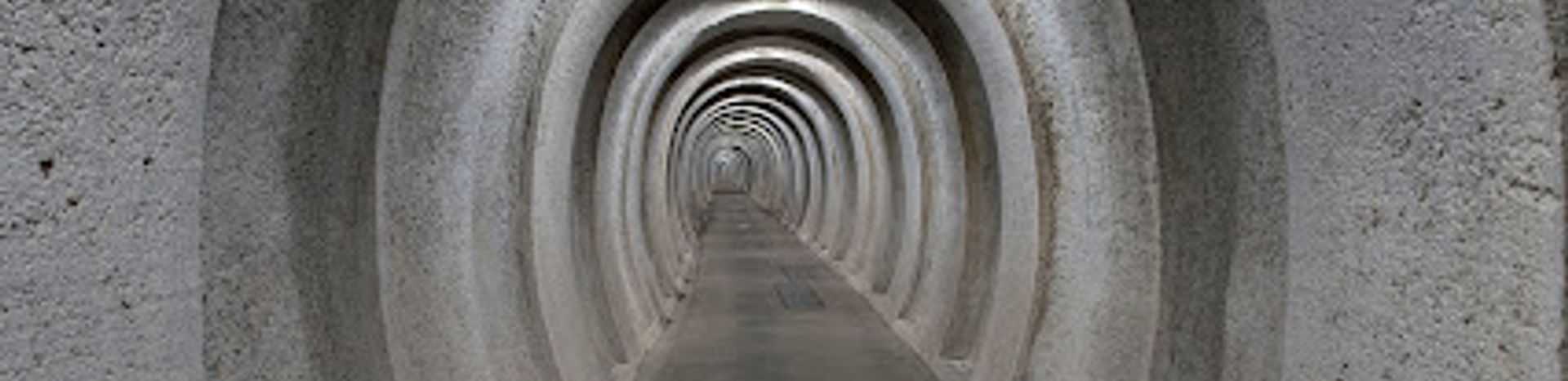
Deep under a quiet corner of Rold Skov, far from the public eye, lies REGAN Vest – Regeringsanlæg Vestdanmark – once among Denmark’s most closely guarded secrets. Conceived and built in the 1960s at the height of Cold War tension, this 5,500 m² bunker was designed as an atomsafe refuge for the Danish government, regent and central administration if nuclear conflict ever reached the country. Carved some 60 metres into a chalk hill and carefully camouflaged, the site was classified for decades and only revealed to the wider public in the 2000s. Today the complex is preserved almost exactly as it was prepared for use. The long underground corridors, heavy blast doors and maze of technical rooms still radiate a sense of readiness. Visiting REGAN Vest offers a rare chance to step directly into the strategic heart of Cold War Denmark, a place that was never meant to be seen by ordinary citizens.Life inside an intact government bunker
The underground tour takes you through a fully furnished time capsule. Everything from the linoleum floors to the rotary phones is original. You pass the government situation room, where crises would have been managed; the regent’s modest private room; medical facilities; communications hubs; canteen and recreation areas. Offices stand waiting with typewriters and maps, while bunk rooms show the compact living arrangements planned for the roughly 350 people who could be sheltered here. As you move deeper into the bunker, the technical sophistication becomes clear: ventilation systems, power supply, water and filtration equipment were all designed to keep the facility self-sufficient for weeks. Explanatory displays and the guide’s commentary help make sense of the technology and procedures that would have governed daily life underground during a nuclear emergency.The engineer’s villa and everyday Cold War stories
Above the hidden entrance stands a yellow-brick villa that once housed the site’s engineer and his family. The house had a dual function: it provided on-site supervision of the bunker’s technical systems and cleverly concealed the access shaft. Today the villa has been recreated as a typical Danish home from around 1980, complete with patterned sofas, wood-veneer cabinets and period appliances. Here you are encouraged to sit on the furniture, watch television, flip through magazines or try early video games, blurring the line between exhibit and lived-in home. Around the rooms, subtle interpretive media and character stories evoke what it meant to raise a family on top of a state secret, balancing ordinary routines with the constant awareness of global tension just beneath the surface.Exhibitions, café and the wider landscape
A contemporary welcome and exhibition building stands a short distance from the villa, setting REGAN Vest in a broader historical and political frame. The main exhibition explores the Cold War from Danish and international perspectives: nuclear deterrence, civil defence planning, intelligence work and how society prepared – or failed to prepare – for the unthinkable. Film clips, objects and models explain why a facility of this scale was built, and how it fits into a network of other bunkers and emergency installations. The building also houses a café serving drinks, cakes and light meals, plus a museum shop featuring books, posters and historically themed souvenirs. Outside, waymarked paths lead through the surrounding forest and past discrete ventilation shafts and structures linked to the bunker far below, offering a more contemplative, landscape-scale view of the site’s presence.An immersive but carefully managed experience
Because REGAN Vest is both a fragile heritage site and a confined underground space, access to the bunker is only possible on pre-booked guided tours with limited group sizes. The visit involves stairs, narrow corridors and a cool interior climate, so practical clothing and sensible footwear are important. Once inside, you are drawn into a detailed narrative that combines strategic history with human stories, inviting reflection on democracy, security and the choices governments face in times of crisis. Taken together – the hidden bunker, the lived-in villa and the interpretive centre in the forest – Koldkrigsmuseet REGAN Vest offers one of the most complete Cold War experiences in Northern Europe. It is both a dramatic piece of underground engineering and a place that prompts quiet questions about the recent past and the invisible infrastructure of security still shaping the present.For the vibe & atmosphere seeker
- Scenic
- Unique
- Casual
For the design and aesthetic lover
- Modern Designs
- Vintage Styles
For the architecture buff
- Historic
- Landmarks
- Sacred Sites
For the view chaser and sunset hunter
- Iconic Views
For the social media creator & influencer
- Photo Spots
- Architectural Shots
- Reel-Friendly
For the eco-conscious traveler
- Protected Area
- Public-Transport Accessible
- Locally Managed
For the kind of experience you’re after
- Cultural Heritage
- Photowalk
- Day Trip
- Roadtrip Stop
- Festival / Event Nearby
For how adventurous you want the journey to be
- Easy Access
- Requires Hike
Location Audience
- Family Friendly
- Senior Friendly
- Teen Friendly
- Solo Friendly
- Couple Friendly
- Solo Female Friendly
- Business Friendly


