Øls Skæppe Sinkhole
A quiet, dramatic earthfall hollow on Hobro’s outskirts, where steep grassy slopes form a natural amphitheatre and reveal the subtle power of shifting ground.
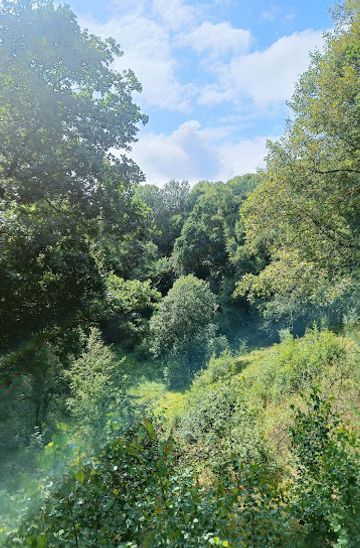
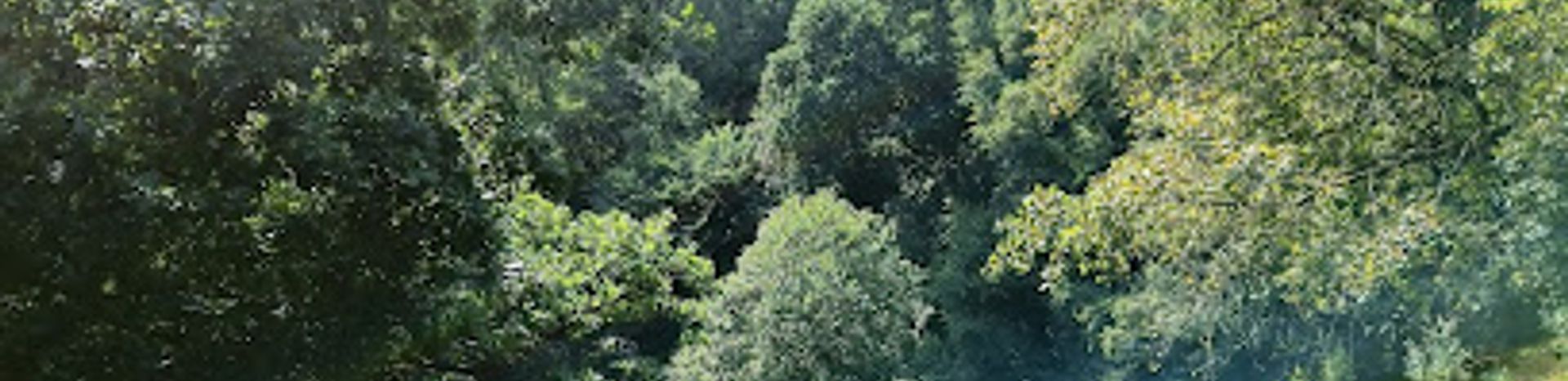
Hidden on the outskirts of Hobro, Øls Skæppe is a striking earthfall hole carved into the rolling landscape near the Fædalen valley. This natural sinkhole forms a steep, grassy amphitheatre that drops unexpectedly from the surrounding farmland, creating a quiet, almost secret hollow. A narrow path leads you along the rim and down into the depression, where sloping sides, scattered trees and birdlife make it an atmospheric spot for a short walk, a nature break or a peaceful pause away from town.
A brief summary to Øls Skæppe
- Brøndumvej, Hobro, 9500, DK
- Duration: 0.5 to 1.5 hours
- Free
-
 Outdoor
- Mobile reception: 4 out of 5

Know before you go
Hi, I'm Eve. Here are a few practical things to know before exploring Øls Skæppe.
- Wear sturdy shoes with good grip, as paths along the rim and down into the hollow can be steep, uneven and slippery after rain.
- Plan your visit for daylight hours; there is minimal lighting, and the steep sides make navigating in the dark unsafe.
- Allow a little extra time to explore nearby field paths so you can appreciate how the sinkhole sits within the wider landscape.
Do you manage this location?
Take control to get all the benefits, like improved information, better appearance, and stronger visibility across AI-powered discovery. Learn more
Activate your presenceOther nearby places you may find interesting
Getting There
-
Car from central Hobro
From central Hobro, driving to Øls Skæppe typically takes around 10–15 minutes via local country roads. The route uses standard two‑lane roads and narrow rural stretches, which can be busy with agricultural vehicles in season. Parking is informal on verges or small lay‑bys near Brøndumvej, so avoid blocking farm entrances. There is no fee to visit the site and no paid parking, but be prepared for a short walk over uneven ground from where you leave the car.
-
Bicycle from Hobro town
Cycling from Hobro centre to the Øls Skæppe area usually takes 20–30 minutes, following a mix of residential streets and quieter country roads with gentle hills. Surfaces are paved but some stretches may lack dedicated cycle lanes, so visibility clothing and lights are useful outside peak daylight. There is no designated bike parking, but you can lock your bicycle to a fence or lay it in the grass near the field paths. The experience is free, and the ride offers a good sense of the surrounding countryside.
-
Walking from nearby residential edge of Hobro
If you are staying on the northern or western edge of Hobro, you can walk to Øls Skæppe in about 30–45 minutes. The approach combines pavements through housing areas with rural lanes and field paths. The final stretch crosses uneven, sometimes muddy ground and is not ideal for wheelchairs or prams. There are no facilities or lighting on site, so plan your walk for daylight and fair weather. The visit itself is free, making this a low‑cost nature outing.
Discover more about Øls Skæppe
A dramatic hollow at the edge of Hobro
Øls Skæppe is a large earthfall hole tucked just beyond the built‑up edge of Hobro, where open fields start to fold into the shallow Fædalen valley. From a distance the landscape looks gently undulating, but as you approach the rim the ground suddenly drops away into a sharp bowl. Grassy slopes plunge toward the centre, edged by hedgerows and small trees that emphasise the depth of the hollow and give it a secluded feel.The sinkhole sits in a patchwork of farmland and meadows, shaped over time by natural subsidence rather than human excavation. That origin gives the place a slightly raw, unfinished character, as if the landscape here has slumped in on itself. Standing on the edge, you can trace subtle cracks and terraces in the sides, clues to how the ground has shifted over generations.Geological story beneath the surface
The form of Øls Skæppe reflects the geology beneath Hobro’s countryside, where layers of clay, sand and limestone interact with groundwater. Over long periods, water dissolves or washes out material underground, until the overlying soil can no longer support its own weight and collapses to form a depression. The resulting earthfall hole is often steep‑sided and roughly circular, exactly the profile that gives Øls Skæppe its dramatic contours.Although modest in scale compared with deep karst sinkholes elsewhere, this feature is pronounced enough to change the feel of the local landscape. The hollow creates its own tiny microclimate: wind drops noticeably once you descend, and moisture lingers in the bottom, helping grasses, mosses and shade‑tolerant plants to thrive even when nearby fields dry out.A natural amphitheatre for short walks
For visitors, Øls Skæppe offers a brief but memorable detour rather than an all‑day excursion. Narrow paths follow parts of the rim, giving shifting viewpoints into the bowl and across to the surrounding farmland. From certain angles the hollow resembles a natural amphitheatre, with tiered slopes that would not look out of place in a small open‑air arena.You can pick your way carefully down the sides where the gradient allows, watching your footing on grass and loose soil. At the bottom, the world outside feels distant, screened by the height of the banks and the muffling effect of the earth around you. It is a simple, quiet space to sit, listen to birds and the rustle of grass, and sense the depth of the ground curving above.Part of Hobro’s wider nature mosaic
Although Øls Skæppe is a self‑contained feature, it links naturally with other green spaces around Hobro and along Mariager Fjord. Many local walking and running routes loop past the hollow, using quiet country lanes and field paths to stitch together viewpoints, woodland edges and glimpses of the fjord. Seen in this context, the sinkhole becomes one stop in a chain of small outdoor experiences rather than an isolated curiosity.The largely undeveloped surroundings also support a mix of wildlife typical of Danish farmland margins: songbirds in the hedges, insects in the grasses, and small mammals using the slopes as cover. The relative lack of structures or signage helps keep the focus on the shapes of the land itself, making Øls Skæppe a gentle counterpoint to the town’s more formal attractions.Atmosphere of seclusion and subtle drama
What lingers most from a visit is the contrast between the everyday setting and the sudden sense of enclosure once you reach the hollow. There is no elaborate infrastructure here, just a natural dip in the terrain that quietly asserts its presence. On overcast days the bowl can feel brooding; in low evening light the contours soften and the slopes glow with colour.Because the site is compact, it is easy to combine with other plans in Hobro: a brief nature stop on a wider countryside walk, a leg‑stretch after exploring town, or a peaceful place to introduce children to the quirks of local geology. Øls Skæppe rewards a slow pace, a curious eye and a willingness to appreciate how even small shifts underground can reshape the land above.Explore the best of what Øls Skæppe has to offer













More about Central Jutland
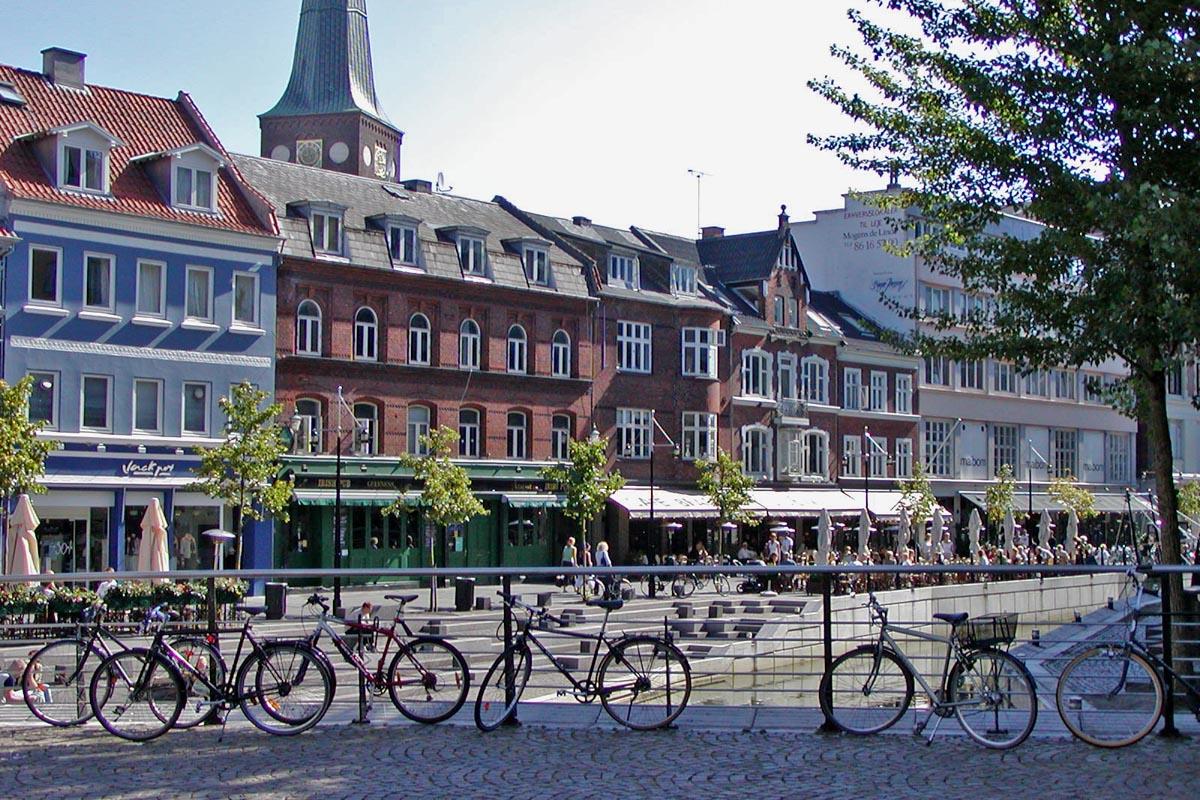
Explore Central Jutland in Denmark: A perfect blend of natural beauty, cultural heritage, and family-friendly attractions.
Tell me more about Central Jutland
A quiet pocket of rural Jutland where open fields, wide skies and working farms create a gently scenic pause from Denmark’s busier, more polished attractions.

Mariager Strandpark is a peaceful waterfront park offering idyllic fjord views, swimming areas, and open lawns—an inviting escape at the heart of Mariager’s natural beauty.