

Randers Kunstmuseum, East Jutland Travel Guide
Compact yet ambitious, Randers Kunstmuseum weaves two centuries of Danish art into a bright, central-city gallery on the upper floor of Randers’ Kulturhuset.
Perched on the second floor of Randers’ Kulturhuset, Randers Kunstmuseum offers a compact yet wide-ranging journey through Danish art from the 1800s to today. Thoughtfully curated galleries link Golden Age painting, classic modernism and contemporary experimentation, with space for changing exhibitions that often challenge expectations. Free entry to the permanent collection, family-friendly facilities and central-city convenience make it an easy but rewarding cultural stop.
A brief summary to Randers Kunstmuseum
- Kulturhuset, Stemannsgade 2, Randers Municipality, Randers C, 8900, DK
- Click to display
- Click to display
- Duration: 1 to 2 hours
- Free
-
 Indoor
- Mobile reception: 5 out of 5
- Tuesday 10 am-4 pm
- Wednesday 10 am-4 pm
- Thursday 10 am-4 pm
- Friday 10 am-4 pm
- Saturday 10 am-4 pm
- Sunday 10 am-4 pm

Know before you go
Hi, I'm Eve. Here are a few practical things to know before exploring Randers Kunstmuseum.
- Plan at least 1–1.5 hours if you want to see both the permanent collection and the current special exhibition without rushing.
- Take advantage of the free entry to the permanent collection and decide on the spot whether to add a ticketed special exhibition.
- Combine your visit with Museum Østjylland and the city library in the same building for an easy half-day cultural circuit indoors.
- If you use a wheelchair or have limited mobility, ask in the foyer about the elevator and the option to borrow a manual wheelchair.
- For a quieter experience, arrive close to opening time when galleries tend to feel calm and spacious.
Do you manage this location?
Take control to get all the benefits, like improved information, better appearance, and stronger visibility across AI-powered discovery. Learn more about listing your business on Evendo
Activate your presenceOther nearby places you may find interesting
The closest places of the same kind, if this one is not quite what you had in mind.
Explore Randers Kunstmuseum on the Map
A handpicked selection of must-see spots near Randers Kunstmuseum, mapped for you.
Getting There
-
Walking from central Randers
From Randers’ central shopping streets or the main square, reaching Kulturhuset typically takes about 5–10 minutes on foot. The route is flat and fully paved, passing through a compact urban core with crossings and pedestrian zones. This option suits most visitors with average mobility and allows you to link the museum visit naturally with cafés, shops and other central sights.
-
Local city bus
City buses serving central Randers stop near the Kulturhuset area, with journey times of around 5–15 minutes from most residential districts. A single adult ticket on the local network generally costs about 24–30 DKK and can be bought from ticket machines, apps or on board depending on the line. Buses usually have low-floor access, but seating can fill up at school and commuter times.
-
Taxi within Randers
A taxi ride from most central Randers addresses to Kulturhuset is short, typically 3–8 minutes depending on traffic and lights. Daytime fares inside the city commonly fall in the 60–100 DKK range. Taxis can drop passengers close to the main entrance, which is useful if you are travelling with small children, luggage or have limited mobility.
-
Driving and nearby parking
If you arrive by car, you can use one of the central parking facilities near Kulturhuset, such as multistorey garages within a few minutes’ walk. These usually operate pay-by-hour systems, with municipal tariffs often around 10–18 DKK per hour. Spaces can be busier on weekdays and during major events, so allow extra time to find a spot and walk to the museum entrance.
For the on-the-go comforts that matter to you
-
 Restrooms
-
 Seating Areas
-
 Information Boards
Discover more about Randers Kunstmuseum
Danish art from Golden Age to right now
Randers Kunstmuseum unfolds as a concise survey of Danish art history, moving from 19th-century Golden Age landscapes and portraits through early modern experiments and into today’s conceptual and installation work. In the permanent collection you encounter a cross-section of familiar themes in Danish painting – light-washed coastlines, quiet domestic interiors, portraits that balance realism and introspection – interspersed with more abstract canvases and sculptural pieces that signal the country’s modernist turn.The museum’s scale is manageable, but the breadth is striking. Works are hung to emphasize dialogues across time: a serene 1800s scene might face a bold contemporary intervention, inviting you to compare how artists have wrestled with nature, identity and everyday life across two centuries.A cultural hub inside Randers’ modern Kulturhuset
The museum sits on the second floor of Kulturhuset, Randers’ multi-purpose cultural complex that also houses the city library and the regional history museum. The architecture, with its exposed structures and layered public spaces, has often been compared to a smaller Scandinavian cousin of Paris’ Centre Pompidou. Big windows and open foyers frame the city outside, so even before you step into the galleries you feel embedded in the urban fabric.Inside the museum, white-walled rooms, high ceilings and carefully controlled light keep the focus on the art, while occasional glimpses back out to the city remind you that this is very much a living, central space rather than a remote temple of culture.Special exhibitions and creative experiments
Alongside the permanent collection, Randers Kunstmuseum stages a rotating programme of special shows, typically four to six per year. These might spotlight a single contemporary artist, explore a theme such as performance or participation, or bring historical works into conversation with new commissions. Some exhibitions invite you to step into immersive environments or take part in small-scale activities, blurring the line between viewer and participant.These changing exhibitions usually require a ticket, while the core collection remains free to explore. Together they give repeat visitors fresh reasons to return and offer a sense of how Danish art is constantly being reinterpreted in a global context.Welcoming, accessible and family-minded
The museum places clear emphasis on accessibility and inclusion. Access is via elevator from Kulturhuset’s foyer, and circulation inside the galleries is largely step-free, with only a single installation space not suitable for wheelchairs. Manual wheelchairs can be borrowed, and assistance dogs are allowed. There are accessible toilets just outside the museum foyer, and the layout makes navigation straightforward for visitors with limited mobility.Families are quietly catered for as well. Prams are allowed in the permanent collection, and there is the option to borrow a reclining stroller. While there is no dedicated picnic area inside the museum, Kulturhuset’s lower floor offers tables where you can unpack lunch, making it easy to fold a gallery visit into a longer day in the building.A compact stop in a bigger day out
Because the museum is relatively small, many visitors cover the highlights in about an hour, while those who like to read wall texts and compare works across rooms can easily spend two. Its location in the very centre of Randers means it fits naturally into a day of city strolling, shopping or café-hopping.With opening hours from late morning to mid-afternoon most days, and late opening once a month, Randers Kunstmuseum works well as a late-morning or early-afternoon anchor around which to plan the rest of your time in the Kulturhuset complex and the streets just outside.












Your all‑in‑one travel companion app
Explore expert travel guides, compare and book tours, experiences, hotels, and more—all from the palm of your hand. Download now for seamless trip planning wherever your wanderlust takes you.


Explore More of East Jutland
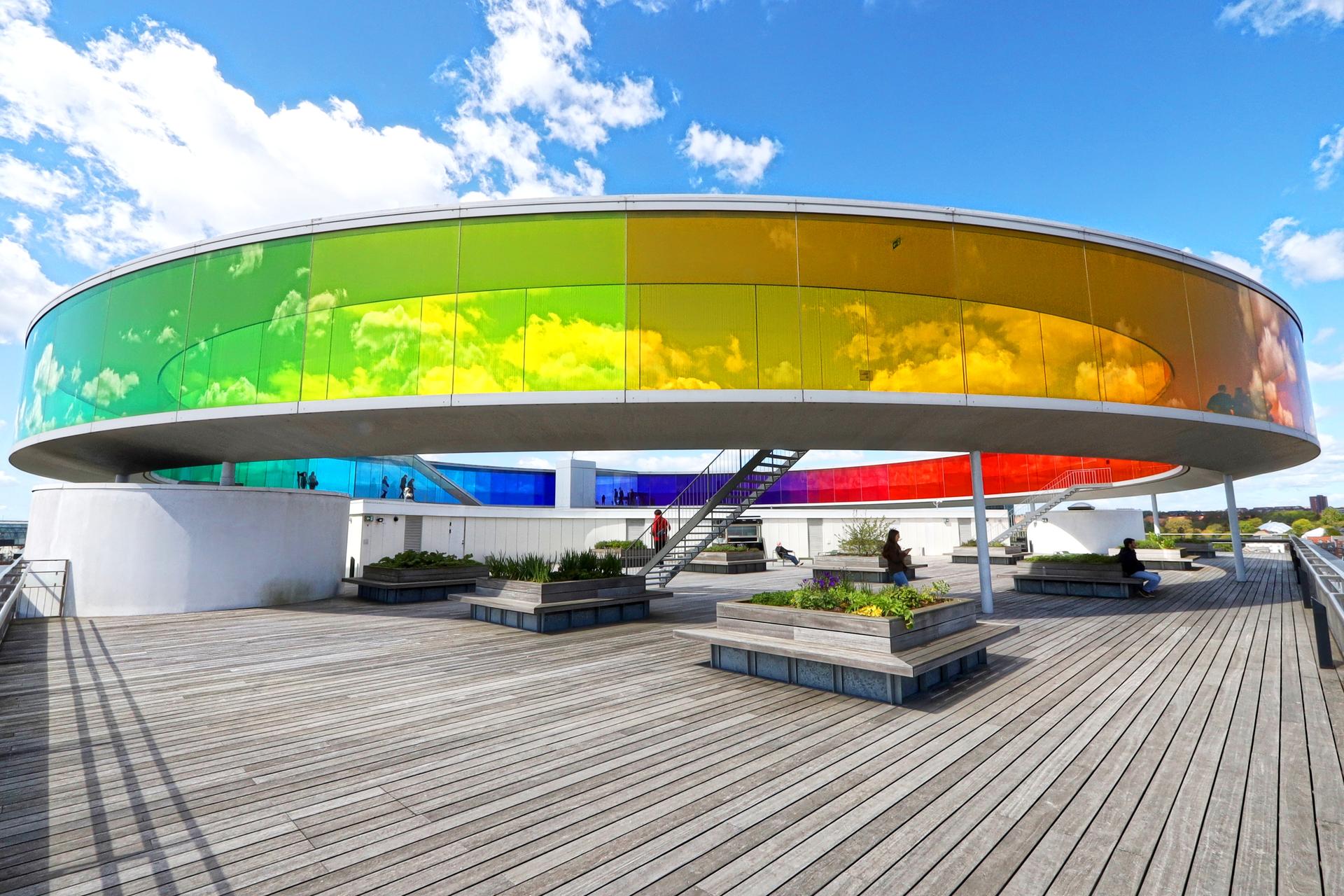
Looking beyond Randers Kunstmuseum? Discover East Jutland for broader travel guides, local hot-spots, and regional highlights.
Explore East Jutland