

Kleiner Strand Travel Guide
Free Guide: A modest curve of sand on Ebeltoft Bay, Kleiner Strand blends calm, shallow water, soft light and a lived‑in coastal atmosphere on the edge of town.


A brief summary of Kleiner Strand
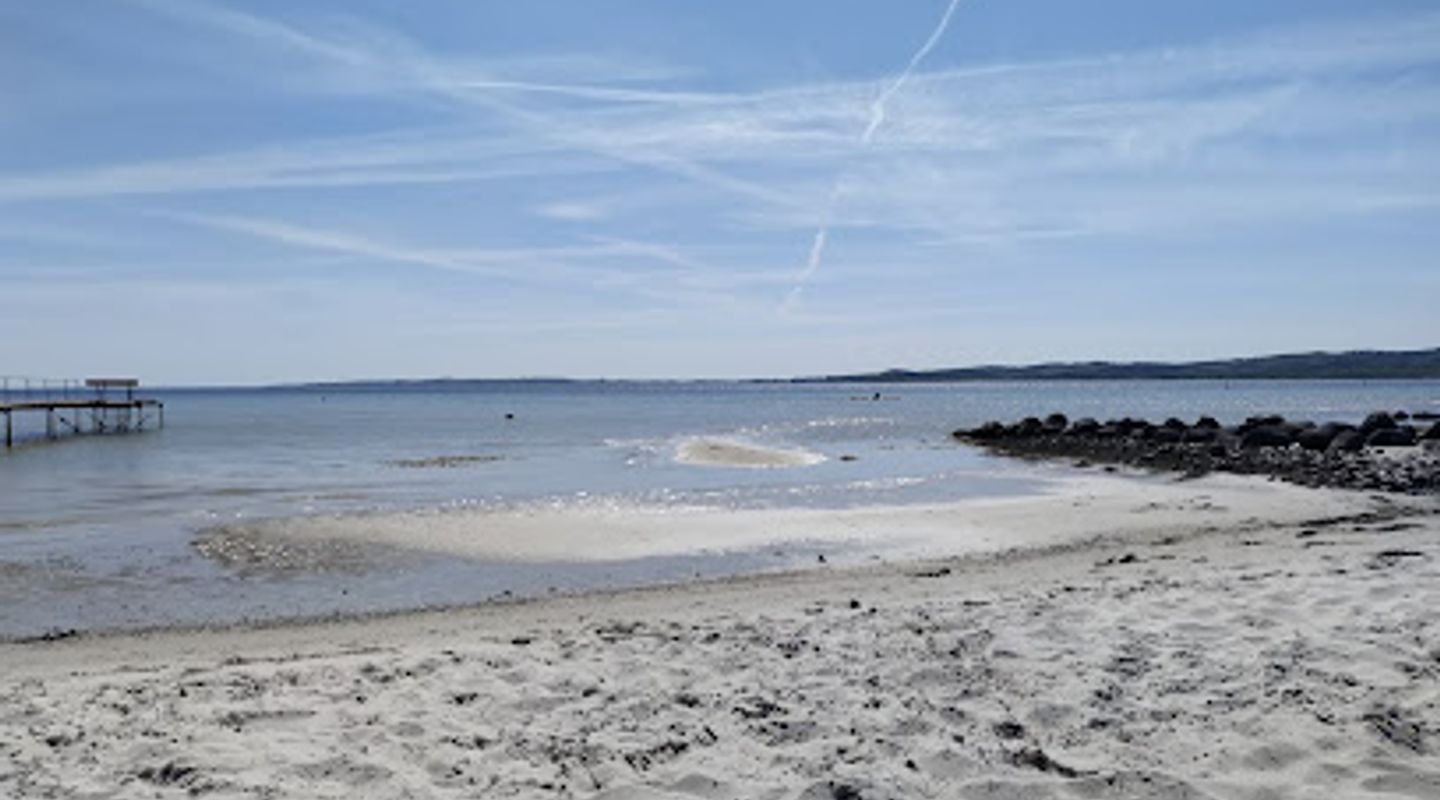
A modest curve of sand on Ebeltoft Bay, Kleiner Strand blends calm, shallow water, soft light and a lived‑in coastal atmosphere on the edge of town.
Kleiner Strand is a small, gently curving beach on Ebeltoft Bay, set just off Kystvejen on the edge of the coastal town of Ebeltoft. Sheltered waters, fine sand and views across the bay towards the soft hills of Mols Bjerge make this a relaxed spot for swimming, paddling and lingering in the sea breeze. A mix of residential houses, holiday homes and nearby camping areas gives the shoreline a lived‑in, local feel rather than a built‑up resort vibe, and you are only a pleasant stroll from Ebeltoft’s cobbled streets and harborfront cafes.
On-site amenities
 Restrooms
 Drink options
 Drinking water
 Food options
 Seating areas
 Trash bins
 Information boards
Opening hours
- Every dayOpen 24 hours
Opening hours as listed on the venue’s Google Business Profile. Hours can change for services and special events, so check with the venue before you go.
- Address
- Kystvejen 30, 8400 Ebeltoft
Getting there
Walk from central Ebeltoft
Local bus within Ebeltoft area
Car or rental car from Aarhus
Discover more about Kleiner Strand
A quiet pocket of sand on Ebeltoft Bay
Kleiner Strand is one of the modest, tucked‑away beaches fringing Ebeltoft Vig, the wide, shallow bay that defines this part of Djursland. Set beside Kystvejen, it feels more like a local shoreline than a major resort, with a simple swathe of pale sand and low dunes leading down to calm, often mirror‑smooth water. The bay’s shelter from the open Kattegat means waves are usually gentle, which makes the beach appealing for families, casual swimmers and anyone who just wants to paddle along the edge.From the sand you look out over a long, sweeping horizon of water, broken only by the soft, rising contours of Mols Bjerge to the west and north. On clear days, the light can be striking: silvery reflections on the water in the early morning, and warm golds and pinks drifting across the bay as evening approaches. Despite the beach’s convenient location on the edge of town, there is often a laid‑back, residential quiet to the area, especially outside the height of summer.
Between coastal life and historic town
Part of Kleiner Strand’s charm is its position between sea and town. Just inland, tree‑lined streets and holiday cottages hint at Ebeltoft’s role as one of Denmark’s classic summer towns, where the population swells when the weather turns warm. Yet from the sand you hear more seabirds than traffic, and the dominant sounds are often wind in the grasses and the soft slap of waves on the shoreline.The proximity to Ebeltoft means you can easily combine time on the beach with exploring cobbled lanes and half‑timbered houses in the old center, or visiting cultural landmarks along the harbor. Glass art, maritime heritage and contemporary arts spaces are all found a short distance away, so Kleiner Strand works well as a natural pause during a wider day around the town. It feels like a breathing space where you can step away from busy streets without actually leaving the urban area.
Light, water and seasons on the bay
Kleiner Strand changes character with the Danish seasons. In high summer, long daylight hours and relatively mild sea temperatures encourage unhurried swims, sandcastle building and evening walks along the water’s edge. The bay’s shallow nature often means the top layer of water warms pleasantly on sunny days, even when the air remains fresh. Families make use of the forgiving shoreline, and there is usually plenty of room to spread out on the sand or in the grass just behind the beach.Outside the main holiday weeks, the area takes on a gentler, contemplative feel. Autumn may bring stronger winds, with small whitecaps racing across Ebeltoft Vig and cloud shadows sliding over the hills. Winter days can be crisp, with hard light, empty sand and the occasional dusting of snow along the dunes, rewarding those who enjoy brisk walks wrapped in layers. Spring returns birdsong and softer colors, as the surrounding landscape greens and the bay slowly warms again.
Simple pleasures by the shoreline
The experience at Kleiner Strand is about simple coastal pleasures rather than extensive facilities. You come here to feel sand underfoot, watch sailing boats cross the bay, skim stones or sit with a coffee while the tide inches in and out. The open view across the water lends itself to photography, especially when low sun catches ripples and clouds, or when the sky clears enough to reveal wide pastel bands at sunrise and sunset.Because the beach lies along a lived‑in stretch of coast, it also offers small glimpses into everyday Danish seaside life: year‑round walkers with dogs, locals taking an evening dip, and cyclists pausing to look out over the bay. For visitors staying nearby, Kleiner Strand can become a daily ritual—somewhere to begin the morning with fresh air or to close the day watching the last light fade over Ebeltoft Vig.
Evendo Review Centre
 Google
Guest reviews
Best time to go
Quietest: Jan, Feb & Dec · before 6am or from 9pm
Busy times are Evendo estimates for a typical year, to help you plan. Actual crowds vary with events, school holidays and the weather.
Explore Kleiner Strand on the map
A handpicked selection of must-see spots near Kleiner Strand, mapped for you.
Get your free copy of our complete guide to Kleiner Strand, delivered straight to you.
Everything on this page, from opening hours and how to get there to Eve’s tips and the best time to go, in one PDF you can read offline, print or share.
Already have an account? Sign in
Your Kleiner Strand guide is ready.
We'll send it to · Not you? Sign out

Getting your guide ready…
We are putting together a fresh copy of the Kleiner Strand guide. This can take up to a minute.
This can take a few moments. If your browser asks, choose Allow so the download can start. You'll find the guide in your Downloads folder.
Nothing happened? Download it again
Sorry, the guide is taking longer than usual. Please try again in a minute, or get it by email instead.
Other nearby places you may find interesting
The closest places of the same kind, if this one is not quite what you had in mind.
-
Mols Bjerge Rolling Ice Age hills, wide sea views and ancient burial mounds combine in one of Denmark’s most varied national parks on the Djursland peninsula.
-
Mols bjerge besøgscenter Free, informative visitor hub in the heart of Mols Bjerge National Park, blending clear exhibits, basic comforts, and immediate access to classic hill and heathland trails.
-
Dragsmur A slender, wind‑shaped isthmus between two bays, Dragsmur ties Helgenæs to Mols with Ice Age hills, stony shores and quietly protected coastal nature.
-
Djurs Sommerland Scandinavia's largest amusement park with 60+ rides, world-class coasters, and family fun across 9 themed lands.
-
Sletterhage Fyr. Active lighthouse at the tip of Helgenæs, where ships pass close to shore, glacial cliffs meet the Kattegat, and wide coastal views invite slow walks and quiet watching.
Swipe for more places
More to explore near Kleiner Strand

 Best experiences near Kleiner Strand
 Best hotels near Kleiner Strand
 Best landmarks near Kleiner Strand
 Best attractions near Kleiner Strand
 Best shops near Kleiner Strand
 Best restaurants near Kleiner Strand
 Best bars near Kleiner Strand
Do you manage this location?
Take control to get all the benefits, like improved information, better appearance, and stronger visibility across AI-powered discovery.
Explore more

Explore more of Mols Bjerge National Park
Discover the natural beauty and historical charm of Mols Bjerge National Park, where rolling hills, ancient woodlands, and serene lakes create a perfect outdoor escape.
Explore Mols Bjerge National Park
Explore more of Denmark
Discover Denmark: A perfect blend of history, modern design, and the cozy concept of hygge. Explore vibrant cities, serene landscapes, and world-class cuisine.
Explore Denmark
