

Det magiske klatretræ, Mols Bjerge Travel Guide
A storybook climbing tree on a quiet country road near Ebeltoft, where twisting branches, fresh air and simple play turn a short stop into a small adventure.
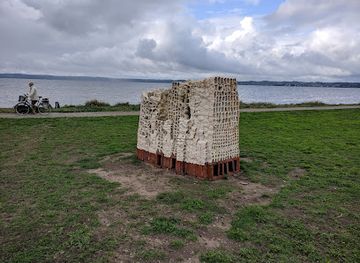
Tucked away at Strandkærvej 4 on the edge of Ebeltoft, Det magiske klatretræ is a whimsical climbing tree that turns a simple stop into a small outdoor adventure. Surrounded by the soft, rolling countryside of Djursland, this gnarled, low-branched tree has been shaped over time into a natural playground, inviting children to scramble safely and adults to pause, watch and soak up the rural calm. It is an informal, free-to-enjoy spot that pairs perfectly with a scenic walk or cycle in the Ebeltoft area.
A brief summary to Det magiske klatretræ
- Strandkærvej 4, Ebeltoft, 8400, DK
- Duration: 0.5 to 1 hours
- Free
-
 Outdoor
- Mobile reception: 4 out of 5

Know before you go
Hi, I'm Eve. Here are a few practical things to know before exploring Det magiske klatretræ.
- Bring sturdy shoes, as the ground around the tree can be uneven or muddy after rain and branches may be slippery in wet weather.
- Pack water and snacks if visiting with children; there are no food outlets or shops directly at the tree.
- Combine your stop with a walk or cycle in the surrounding countryside or with time in central Ebeltoft for a fuller day out.
- Keep an eye on younger climbers, as there is no safety surfacing or fencing around the branches.
Do you manage this location?
Take control to get all the benefits, like improved information, better appearance, and stronger visibility across AI-powered discovery. Learn more about listing your business on Evendo
Activate your presenceOther nearby places you may find interesting
The closest places of the same kind, if this one is not quite what you had in mind.
Explore Det magiske klatretræ on the Map
A handpicked selection of must-see spots near Det magiske klatretræ, mapped for you.
Getting There
-
Car from central Ebeltoft
From central Ebeltoft, driving to Strandkærvej 4 typically takes around 10–15 minutes depending on traffic. The route follows local country roads with generally light traffic. Parking is informal and roadside, so be prepared for limited marked spaces and ensure you do not block farm access. There is no fee for access to the tree or for stopping briefly along the road.
-
Bicycle from Ebeltoft town
Cycling from the historic center of Ebeltoft to the tree usually takes 20–30 minutes at a relaxed pace. The ride uses minor rural roads with gentle hills and occasional traffic, suitable for reasonably confident cyclists and older children. There are no dedicated bike racks at the tree, so you will need to lean or lay bikes nearby and keep them clear of the carriageway.
-
Taxi within the Ebeltoft area
Taking a local taxi from Ebeltoft to Strandkærvej 4 generally takes 10–15 minutes of travel time. Fares within the area commonly range around 120–200 DKK each way depending on time of day and waiting time. Taxis can usually stop briefly on the roadside near the tree, but plan your return pickup in advance as this is a rural address without a dedicated taxi rank.
Discover more about Det magiske klatretræ
A curious landmark on Strandkærvej
Det magiske klatretræ sits just outside Ebeltoft at Strandkærvej 4, in a strip of countryside where fields, hedgerows and scattered farm buildings shape the landscape. There is no grand gateway or visitor center here; instead, the tree appears almost unexpectedly, a sculptural silhouette rising from the grass. Its branches twist outward rather than up, forming a tangle of limbs that are low enough to reach and wide enough to sit on, giving the place a quietly playful character.Despite its modest scale, the tree has become a named point of interest in local maps and visitor listings, marked out as a small attraction in its own right. It feels like something you might stumble upon in a children’s story: a single, distinctive tree granted a title and a touch of mystery, inviting you to stop for a closer look rather than simply pass by.Why it feels "magical"
What makes Det magiske klatretræ feel special is the way its structure naturally lends itself to climbing and imaginative play. The trunk divides into multiple thick limbs that grow out horizontally, weathered and smoothed by seasons of wind and rain. For younger children, this creates an approachable first climbing challenge, while older ones can test their balance higher up among the branches.Because there are no ropes, platforms or added constructions, the tree remains very much a living thing rather than a built playground. Moss and lichen dapples the bark in places, small tufts of grass and wildflowers cluster around the roots, and the light shifts through the leaves as the day moves on. The "magic" lies in this blend of nature and play: ordinary wood that, in this spot, feels like a secret meeting place or a natural throne.A pause point on Djursland outings
The wider Ebeltoft area is known for its gentle hills, coastal views and outdoor routes, and the tree fits naturally into this landscape of small-scale discoveries. Many visitors combine a stop here with countryside walks, cycling tours or day trips exploring timber-framed streets and harborfront sights in town. The location on a rural road means you hear birdsong and distant farm sounds more than traffic, adding to the unhurried atmosphere.Because the site itself is small, most people use it as a brief break rather than a long stay: a place to let children burn off energy, stretch legs between activities, or simply sit on a branch and look out across the surrounding fields. The experience is informal and flexible, with no fixed route or prescribed way to enjoy the spot.Practical things to know before you go
Det magiske klatretræ is an unfenced, open-air location with no staffed facilities, opening hours or ticket office. Access is free, and there is no formal entrance or queue. Surfaces are natural and can be uneven, with grass turning muddy after rain and branches becoming slippery in wet or frosty weather, so sensible footwear is helpful.Families should be prepared to supervise younger climbers closely, as there are no safety nets or padded ground around the tree. There is limited shade away from the canopy itself, so sun protection is useful in summer. There are no on-site restrooms, food vendors or designated picnic tables at the tree, but simple picnics on a blanket near the trunk are possible if you pack your own supplies and take all waste away when you leave.Seasons, light and atmosphere
The character of Det magiske klatretræ changes with the seasons. In spring and summer, the canopy fills with leaves, creating patches of dappled shade that make the branches feel like small green rooms suspended above the grass. In autumn, the surrounding countryside glows in softer tones, and fallen leaves gather around the roots. Winter reveals the full architecture of the limbs, stark against low northern light.Visiting in the early morning or late afternoon often provides the most evocative light for photography, with long shadows stretching across the fields. Because the site is open and unsheltered, wind and weather are very noticeable; a breezy day adds a sense of movement to the branches, while a still evening can feel almost hushed. In all seasons, the tree offers a simple but memorable way to connect with the rural side of Ebeltoft beyond its historic streets and harbor.












Your all‑in‑one travel companion app
Explore expert travel guides, compare and book tours, experiences, hotels, and more—all from the palm of your hand. Download now for seamless trip planning wherever your wanderlust takes you.


Explore More of Mols Bjerge
Looking beyond Det magiske klatretræ? Discover Mols Bjerge for broader travel guides, local hot-spots, and regional highlights.
Explore Mols Bjerge
Club-run motocross in the rolling Mols Bjerge landscape, where off-road riders test their skills on a sculpted dirt track just outside coastal Ebeltoft.

A quiet farmstead in Mols Bjerge where free-roaming horses, grazing cattle and long-term research turn a Danish hillside landscape into a living laboratory of wild nature.
