
Rønnebæksholm
Historic manor meets contemporary art in a tranquil 230-hectare estate just beyond Næstved's edge.
A Manor Rooted in Danish History
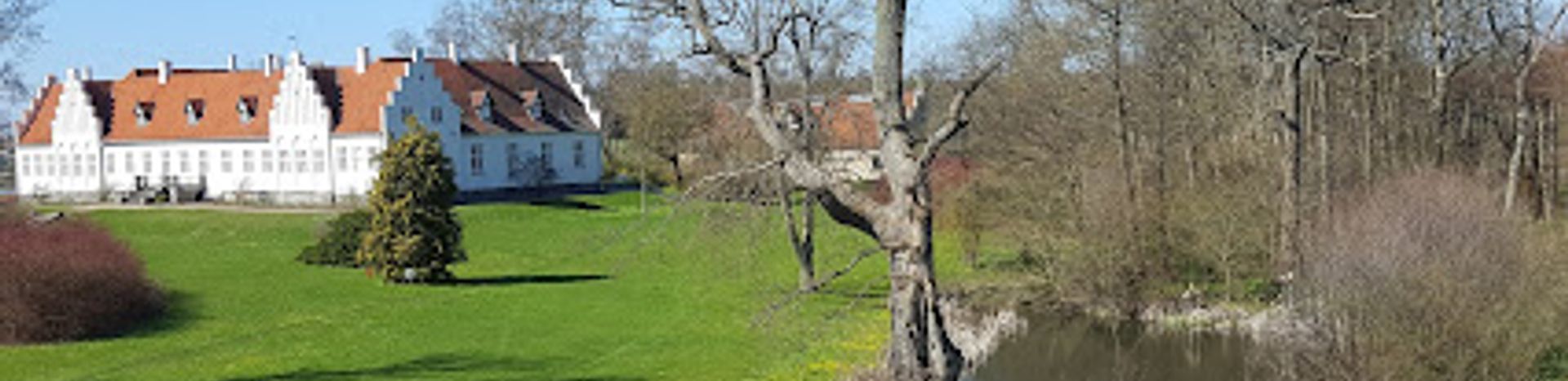
Rønnebæksholm stands as one of Denmark's most layered cultural landmarks, with roots stretching back to the early 16th century. The estate's history begins in 1513 when Christian II commissioned the construction of Denmark's first gunpowder factory on these lands—a testament to the site's strategic importance during the Renaissance. In 1571, Frederick II granted the estate to Caspar Paslick, a diplomat and nobleman, marking the transition from royal possession to private stewardship. The Paslick family held the property for three generations before it passed to Edel Urne in 1646, beginning a succession of ownership that would shape its character for centuries. The distinctive white manor house visitors see today was completed in 1734, though it underwent significant neo-gothic renovation in 1840 under the stewardship of Harald Toft and his widow, Ane Marie Elise Carlsen. Marie Toft became a notable figure in theological circles and hosted prominent cultural figures, including the renowned Danish philosopher and theologian N.F.S. Grundtvig, who married into the family. The Grundtvig Pavilion, designed by architect Johan Daniel Herholdt and originally named Venligheden (The Kindness), remains one of the estate's most architecturally significant structures, showcasing rare English Renaissance garden house influences in Danish design.From Private Estate to Public Cultural Hub
The transformation of Rønnebæksholm into a public cultural institution reflects Denmark's commitment to preserving heritage while fostering contemporary creativity. Næstved Municipality acquired the surrounding lands in 1994 and the main building and stables in 1998, establishing the estate as Kunsthal Rønnebæksholm—the municipality's art center. This transition preserved the manor's architectural integrity while opening its doors to exhibitions, performances, and cultural events that draw both locals and visitors seeking authentic Danish experiences. Today, the estate operates as a dynamic cultural venue hosting temporary art exhibitions that change several times annually, ensuring that returning guests discover new perspectives with each visit. Beyond the gallery spaces, the grounds themselves function as an open-air exhibition, with contemporary sculptures thoughtfully positioned throughout the landscaped park, inviting contemplation and play.Landscape and Sensory Experience
The 230-hectare estate encompasses far more than the manor building. Visitors encounter a carefully maintained parkland that balances formal design with natural woodland character. A tranquil pond reflects the manor's elegant silhouette, while mature trees frame views across the grounds. Sculptures of varying scales and materials punctuate the landscape, creating focal points for exploration and photography. The grounds feel simultaneously manicured and wild—a space where human creativity and natural growth coexist harmoniously. On weekends, the on-site café serves homemade cakes and light meals in a setting overlooking the pond, allowing visitors to linger and absorb the estate's peaceful atmosphere. The combination of architectural grandeur, artistic expression, and natural beauty creates an environment that appeals to diverse visitors—families with children, art enthusiasts, photographers, and those seeking respite from urban life.Proximity and Accessibility
Despite its rural character, Rønnebæksholm remains remarkably accessible, located mere minutes from central Næstved. The estate's position on the town's southern edge means visitors can transition from urban shopping and dining to countryside tranquility within a short journey. Free onsite parking accommodates vehicles, though spaces may be limited during major events. The manor's distinctive silhouette becomes visible as visitors approach from town, serving as a natural landmark that draws the eye across open countryside.A Living Dialogue Between Past and Present
What distinguishes Rønnebæksholm from conventional heritage sites is its commitment to active cultural programming rather than static preservation. The estate functions as a living venue where historical architecture and contemporary art engage in ongoing conversation. Temporary exhibitions, concerts, theatrical performances, and talks ensure the manor remains relevant to current artistic discourse while honoring its layered past. This approach transforms Rønnebæksholm from a museum piece into a dynamic cultural destination where visitors experience both the weight of history and the vitality of present-day creative expression.Local tips
- Visit on weekends to enjoy the café's homemade cakes and light meals while overlooking the pond—a perfect complement to exploring the grounds and exhibitions.
- Plan multiple visits throughout the year, as temporary exhibitions change several times annually, offering new discoveries with each return.
- Allow time to explore the sculptural installations scattered across the parkland; they reward leisurely wandering and offer compelling photography opportunities.
- Arrive during clear weather to fully appreciate the landscape views and the manor's distinctive white façade reflected in the pond.
- Check the exhibition schedule before visiting to align your trip with exhibitions or cultural events that match your interests.

A brief summary to Rønnebæksholm
- Rønnebæksholm 1, Næstved, 4700, DK
- +4555883030
- Visit website
- Thursday 12 pm-5 pm
- Friday 12 pm-5 pm
- Saturday 12 pm-5 pm
- Sunday 12 pm-4 pm
Getting There
-
Walking from Næstved town centre
A pleasant walk of approximately 25–30 minutes through residential neighborhoods and open countryside leads from Næstved's main square or train station to Rønnebæksholm. The manor's distinctive white silhouette becomes visible as you approach the estate's edge, with grounds inviting entry. The route is accessible year-round, though weather conditions affect comfort.
-
Taxi from central Næstved
A swift and comfortable option taking approximately 10–15 minutes depending on traffic. Taxis typically cost between DKK 90–120 (approximately 12–16 EUR). You'll be dropped near the estate's main drive with clear views of the manor and exhibition spaces.
-
Car from Næstved centre
Driving takes approximately 10 minutes from central Næstved. Free onsite parking is available but may be limited during major events or exhibitions. The estate is easily located south of town in the countryside, with clear signage from main roads.
-
Bus from Næstved Station
Local bus services connect Næstved Station to areas near the estate. Journey time is approximately 15–20 minutes depending on route and stops. Check local timetables for current schedules and service frequency, as routes may vary seasonally.


