The Violin Girl, Naestved Travel Guide
Free Guide: A life-size bronze musician bringing a moment of quiet poetry to Næstved’s busy Købmagergade, where everyday city life meets intimate public art.


A brief summary of The Violin Girl
A life-size bronze musician bringing a moment of quiet poetry to Næstved’s busy Købmagergade, where everyday city life meets intimate public art.
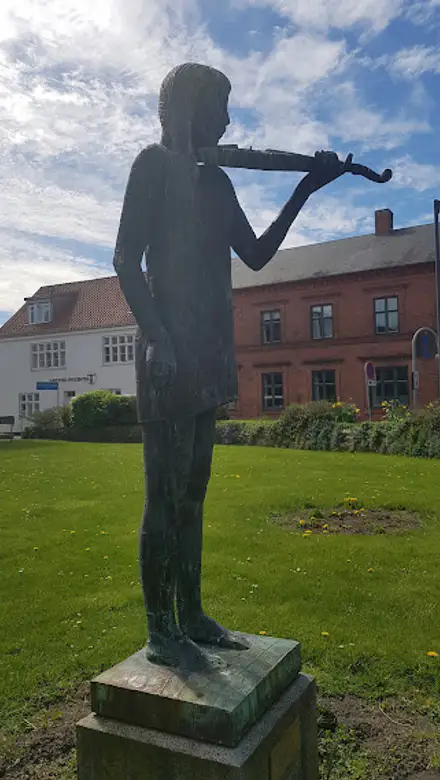
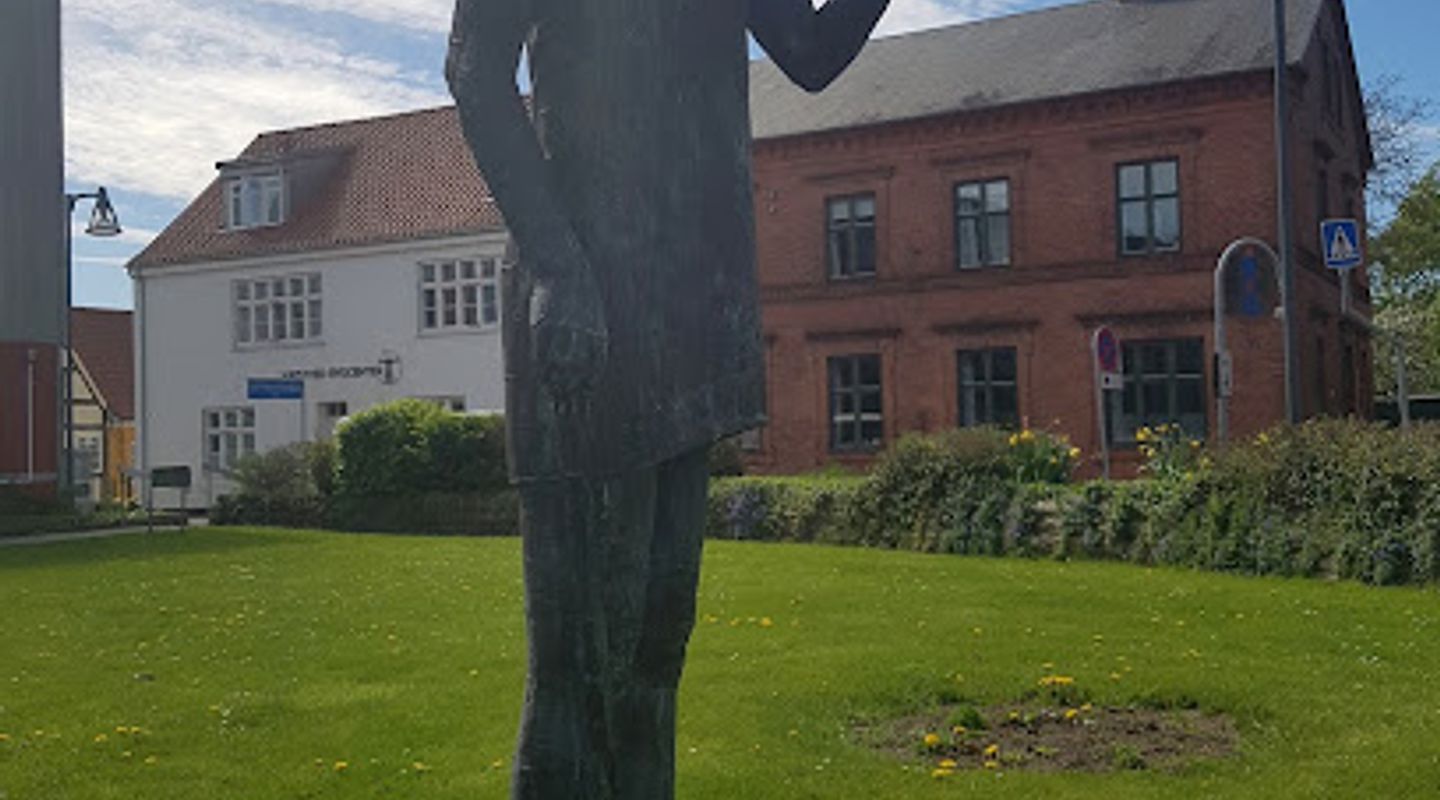
Standing quietly in Næstved’s historic center, The Violin Girl is a 185 cm bronze sculpture by Danish sculptor Robert Lund‑Jensen. Purchased in 1970 and installed near Sct. Peders Church Square, she brings a poetic pause to the busy shopping street of Købmagergade. The young woman, violin in hand, reflects Lund‑Jensen’s fascination with the female form and everyday grace. This small urban artwork invites a moment of reflection, bridging daily life, local history, and public art in South Zealand.
On-site amenities
 Restrooms
 Drink options
 Food options
 Seating areas
 Trash bins
 Information boards
Opening hours
- Every dayOpen 24 hours
Opening hours as listed on the venue’s Google Business Profile. Hours can change for services and special events, so check with the venue before you go.
- Address
- Købmagergade, 4700 Næstved
- Website
Getting there
Train and short walk from Næstved Station
Local bus to Næstved city center
Car from elsewhere in South Zealand
Discover more about The Violin Girl
A quiet bronze presence in the heart of Næstved
The Violin Girl stands slightly apart from the flow of shoppers on Købmagergade, a slender bronze figure caught in a moment of concentration. At 185 cm tall, she is close to life size, yet her stillness and gentle pose make her feel more like a character from a story than a passerby. Set a short distance from Sct. Peders Church Square, she forms a subtle link between Næstved’s medieval core and its modern pedestrian life.In a town known for historic buildings and contemporary street culture, this single sculpture becomes a quiet punctuation mark. You notice her not through grand drama, but through the small surprise of finding an attentive musician standing permanently mid‑melody in the street.
Robert Lund‑Jensen’s sculpted everyday poetry
The Violin Girl was created by Danish sculptor Robert Lund‑Jensen, who is especially known for his figurative works of women. His sculptures often focus on posture, balance and everyday gestures rather than heroic poses. Here, the girl holds her instrument with an intimacy that feels private, as if she is tuning up or pausing between pieces rather than performing for an audience.Næstved acquired the sculpture in 1970, and a few years later it was placed near Sct. Peders Church Square, embedding Lund‑Jensen’s work into the daily routines of local life. The bronze surface bears the subtle textures of his modelling, catching light differently across the figure’s clothes, hair and instrument.
From Funen tradition to South Zealand streets
Much of Lund‑Jensen’s work can be found on Funen, where many of his female figures appear in town squares and parks. By choosing The Violin Girl for Næstved, the town brought a piece of that sculptural tradition to South Zealand. The figure is modest in scale compared with monuments and war memorials, yet she has become one of the more distinctive pieces of public art woven into the city’s streetscape.Her presence complements Næstved’s wider collection of outdoor artworks, from historical statues to more experimental pieces. Together they turn an ordinary city walk into an informal sculpture trail, where you move from church towers and old gables to contemporary bronze and other media.
Details to notice as you walk around her
What makes The Violin Girl rewarding is the way she reveals herself slowly. From a distance, she reads as a simple standing figure. Up close, you can see the careful modelling of hands and fingers around the violin, the slight tilt of the head, and the way her weight rests on one leg, giving the pose a relaxed naturalism.The bronze has weathered gently in the open air, building up a patina that softens bright reflections and emphasizes form over shine. Moving around her, you experience how the instrument and body interact: from one angle the violin is prominent, from another the curve of her back takes over, inviting you to circle and reinterpret the scene.
A brief stop on a broader Næstved city stroll
Because the sculpture is placed directly in the urban fabric rather than in a fenced‑off square, encountering The Violin Girl is part of the rhythm of exploring Næstved. She works well as a short, contemplative stop during a wider walk that might include Sct. Peders Church, nearby squares and the town’s mix of shops and small side streets.For art‑minded visitors, she can be a starting point for noticing other public works scattered through the center. For others, she is simply a gentle moment of calm in the middle of errands or sightseeing, a reminder that music and art can be present even in the most everyday of settings.
Evendo Review Centre
 Google
Guest reviews
Best time to go
Quietest: Jan, Feb & Nov · before 7am or from 9pm
Busy times are Evendo estimates for a typical year, to help you plan. Actual crowds vary with events, school holidays and the weather.
Explore The Violin Girl on the map
A handpicked selection of must-see spots near The Violin Girl, mapped for you.
Get your free copy of our complete guide to The Violin Girl, delivered straight to you.
Everything on this page, from opening hours and how to get there to Eve’s tips and the best time to go, in one PDF you can read offline, print or share.
Already have an account? Sign in
Your The Violin Girl guide is ready.
We'll send it to · Not you? Sign out

Getting your guide ready…
We are putting together a fresh copy of the The Violin Girl guide. This can take up to a minute.
This can take a few moments. If your browser asks, choose Allow so the download can start. You'll find the guide in your Downloads folder.
Nothing happened? Download it again
Sorry, the guide is taking longer than usual. Please try again in a minute, or get it by email instead.
Other nearby places you may find interesting
The closest places of the same kind, if this one is not quite what you had in mind.
-
-
-
-
-


Swipe for more places
More to explore near The Violin Girl

 Best experiences near The Violin Girl
 Best hotels near The Violin Girl
 Best landmarks near The Violin Girl
 Best attractions near The Violin Girl
 Best shops near The Violin Girl
 Best restaurants near The Violin Girl
 Best bars near The Violin Girl
Do you manage this location?
Take control to get all the benefits, like improved information, better appearance, and stronger visibility across AI-powered discovery.
Explore more
Explore more of Naestved
Discover Næstved: A charming Danish city with rich history, vibrant arts, stunning nature, and delectable cuisine, perfect for a memorable and diverse vacation.
Explore Naestved
Explore more of Denmark
Discover Denmark: A perfect blend of history, modern design, and the cozy concept of hygge. Explore vibrant cities, serene landscapes, and world-class cuisine.
Explore Denmark