Aalborgtårnet Travel Guide
Free Guide: A slender 1930s steel tower on a wooded hilltop, Aalborgtårnet lifts you by outdoor elevator to Aalborg’s highest point for relaxed 360° city-and-fjord views.


A brief summary of Aalborgtårnet
A slender 1930s steel tower on a wooded hilltop, Aalborgtårnet lifts you by outdoor elevator to Aalborg’s highest point for relaxed 360° city-and-fjord views.
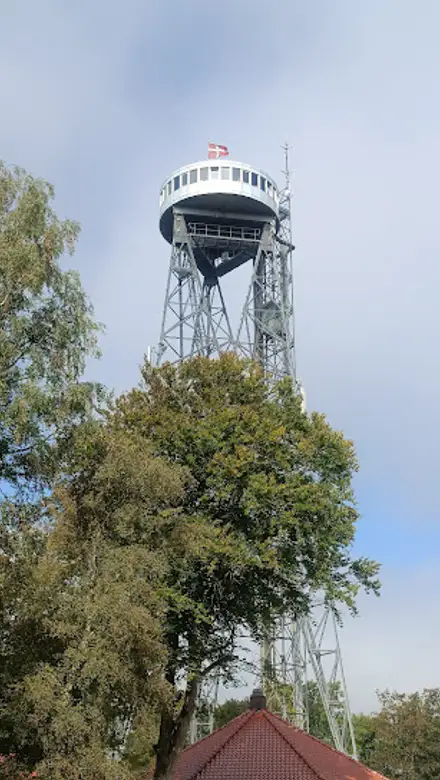
Rising above the leafy hillside of Skovbakken, Aalborgtårnet is Aalborg’s tallest landmark and classic viewpoint. A 55 m open-air elevator whisks you up to a circular platform and compact bistro perched 105 m above sea level, where a full 360° panorama takes in the city’s rooftops, Limfjord, nearby forests and, on clear days, all the way towards Hals Barre Lighthouse. Built in 1933 and later restored, the lattice-steel tower combines local history with an easy, family‑friendly sky-high escape.
On-site amenities
 Restrooms
 Drink options
 Drinking water
 Food options
 Seating areas
 Trash bins
 Information boards
Opening hours
- Every day10 am–5 pm
Opening hours as listed on the venue’s Google Business Profile. Hours can change for services and special events, so check with the venue before you go.
- Address
- Søndre Skovvej 30, 9000 Aalborg
- Phone
- Website
Getting there
City bus from central Aalborg
Walking from central Aalborg
Taxi within Aalborg
Bicycle from central Aalborg
Discover more about Aalborgtårnet
Steel silhouette above Skovbakken
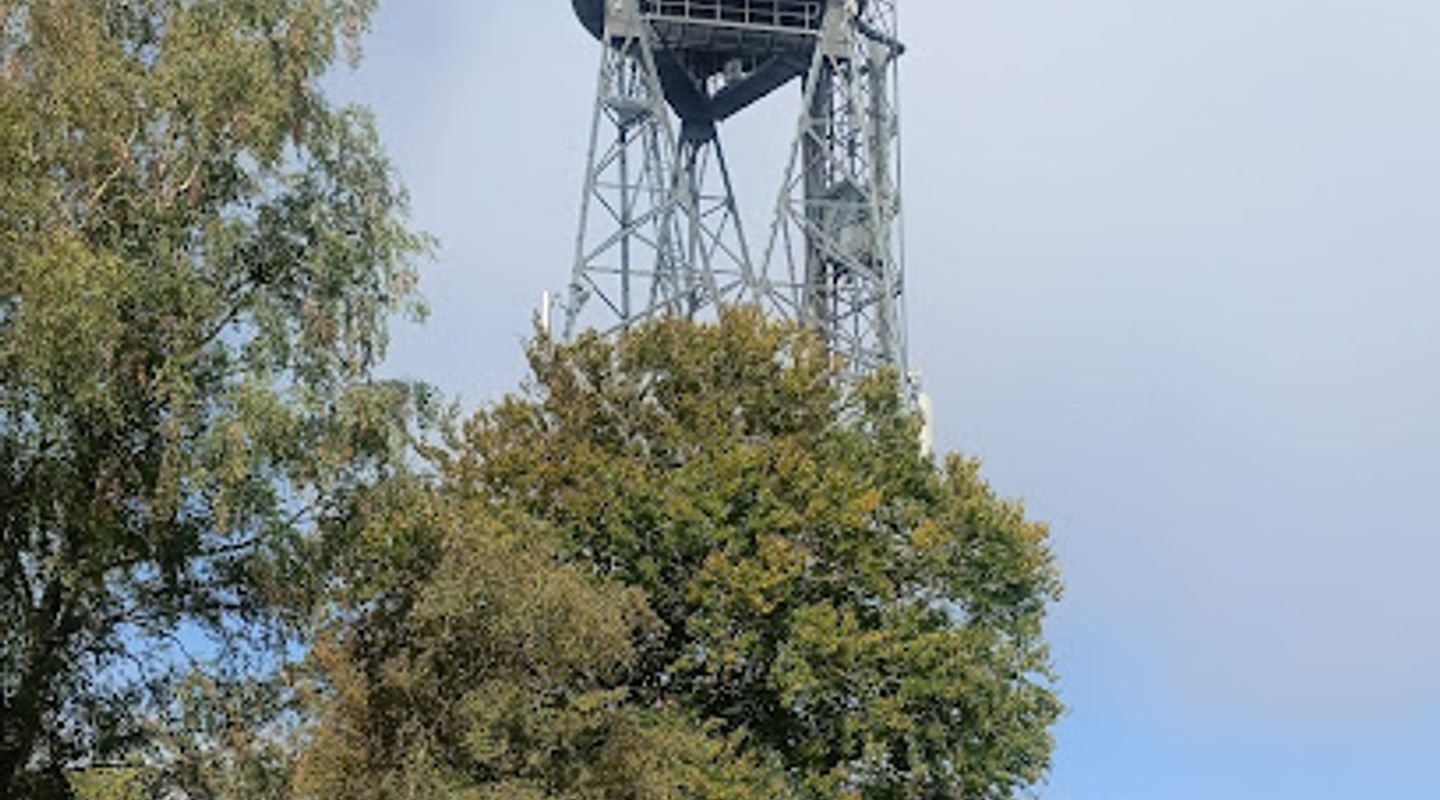
Perched on the wooded rise of Skovbakken just south of the city centre, Aalborgtårnet is a slender lattice-steel observation tower that has become one of Aalborg’s defining silhouettes. From a distance, its narrow profile appears almost fragile against the North Jutland sky, yet at close range the riveted framework and solid base feel reassuringly sturdy. The structure itself rises 54.9 metres, but because it stands on a natural hill, the viewing platform sits 105 metres above sea level, making this the city’s highest accessible point.Unlike monumental towers that dominate a full square, Aalborgtårnet feels pleasantly intimate. The approach winds through greenery, and the tower emerges between trees rather than out of a sea of asphalt. At its foot a simple entrance and the exposed elevator shaft set the tone: this is more about fresh air and vistas than ornate architecture, though the 1930s engineering has its own stripped-back charm.
A 1933 exhibition relic turned city icon
Aalborgtårnet was originally built for Nordjysk Udstilling, a regional exhibition held in 1933 that celebrated local industry and progress. After the event, dismantling the tower proved too expensive, so a local shooting society stepped in and bought it at a bargain price, effectively rescuing what would become one of Aalborg’s enduring landmarks. That pragmatic decision means today’s visitors can still step into a piece of interwar engineering history rather than a modern replica.Over the decades the tower has been carefully maintained and was thoroughly renovated in 2005, updating safety systems and interior fittings while preserving its original character. The result is a structure that feels authentically historic but not run-down. Its story – from temporary exhibition piece to adopted city symbol – mirrors Aalborg’s broader transformation from industrial town to confident cultural hub.
The longest outdoor elevator in Northern Europe
Access to the top is part of the experience. Instead of an enclosed shaft, the tower uses what is described as Northern Europe’s longest outdoor elevator, running almost the full height of the structure. You ring a bell at the base to call it, then step into a glass-and-metal cabin that glides upward outside the steel framework. As you rise, treetops drop away, roofs flatten into a patchwork and the Limfjord slowly unfolds in the distance.Because the elevator is exposed to the elements, the tower operates seasonally, typically from spring around Easter through to the autumn holidays, and it closes on particularly windy days for safety. On breezy but manageable days you may feel a gentle sway at the top, a reminder that you are standing on a tall, relatively slender structure open to the wind. It adds a hint of adventure without tipping into discomfort for most visitors.
360° panorama and a compact hilltop bistro
At the summit, a circular indoor space and narrow outer walkway deliver a full 360° panorama over Aalborg and the surrounding landscape. To one side lie the compact historic streets and church towers of the old town; to another, the industrial waterfront and broad Limfjord; elsewhere, green belts of parkland and suburban neighbourhoods roll away towards the horizon. On clear days, visibility can stretch all the way to the coast near Hals.The tower’s small bistro, wrapped in windows, seats around 50 people. It serves Danish staples such as smørrebrød, sandwiches, salads, light tapas-style plates, cakes and coffee, turning a viewpoint stop into a leisurely lunch venue. Because of the limited table count, space can feel snug at busy times, but even then there is “view enough for everyone” thanks to the continuous ring of glass. On quieter days, lingering by a window with a slice of cake while the city hums far below is one of Aalborg’s more contemplative simple pleasures.
Seasonal ritual and local sky-high escape
For locals, Aalborgtårnet’s seasonal opening has become a small ritual: a sign that brighter months have arrived. Families bring visiting relatives here for an instant overview of the city; couples time evening visits to catch the low Nordic light; and photographers climb up for orientation before exploring neighbourhoods at street level. Children tend to remember the bell that summons the elevator as much as the view itself.Because the tower stands right by other cultural heavyweights such as the modern art museum, it fits neatly into a wider day of urban exploring. Yet its hilltop setting, surrounded by trees and perched above traffic, gives it a noticeably calmer feel than many city viewpoints. Whether you stay just long enough to take a few panorama shots or settle in at a window table for a slow lunch, Aalborgtårnet offers a concise but satisfying experience that ties together the geography, history and everyday life of Denmark’s northern city.
Evendo Review Centre
 Google
Guest reviews
Best time to go
Quietest: Jan, Feb & Nov · before 8am or at 9pm
Busy times are Evendo estimates for a typical year, to help you plan. Actual crowds vary with events, school holidays and the weather.
Explore Aalborgtårnet on the map
A handpicked selection of must-see spots near Aalborgtårnet, mapped for you.
Get your free copy of our complete guide to Aalborgtårnet, delivered straight to you.
Everything on this page, from opening hours and how to get there to Eve’s tips and the best time to go, in one PDF you can read offline, print or share.
Already have an account? Sign in
Your Aalborgtårnet guide is ready.
We'll send it to · Not you? Sign out

Getting your guide ready…
We are putting together a fresh copy of the Aalborgtårnet guide. This can take up to a minute.
This can take a few moments. If your browser asks, choose Allow so the download can start. You'll find the guide in your Downloads folder.
Nothing happened? Download it again
Sorry, the guide is taking longer than usual. Please try again in a minute, or get it by email instead.
Other nearby places you may find interesting
The closest places of the same kind, if this one is not quite what you had in mind.
-
-
-
-
-


Swipe for more places
More to explore near Aalborgtårnet

 Best experiences near Aalborgtårnet
 Best hotels near Aalborgtårnet
 Best landmarks near Aalborgtårnet
 Best attractions near Aalborgtårnet
 Best shops near Aalborgtårnet
 Best restaurants near Aalborgtårnet
 Best bars near Aalborgtårnet
Do you manage this location?
Take control to get all the benefits, like improved information, better appearance, and stronger visibility across AI-powered discovery.
Explore more
Explore more of North Jutland
Discover North Jutland: Denmark's northernmost region, renowned for its stunning coastlines, rich Viking history, vibrant culture, and outdoor adventures.
Explore North Jutland
Explore more of Denmark
Discover Denmark: A perfect blend of history, modern design, and the cozy concept of hygge. Explore vibrant cities, serene landscapes, and world-class cuisine.
Explore Denmark