
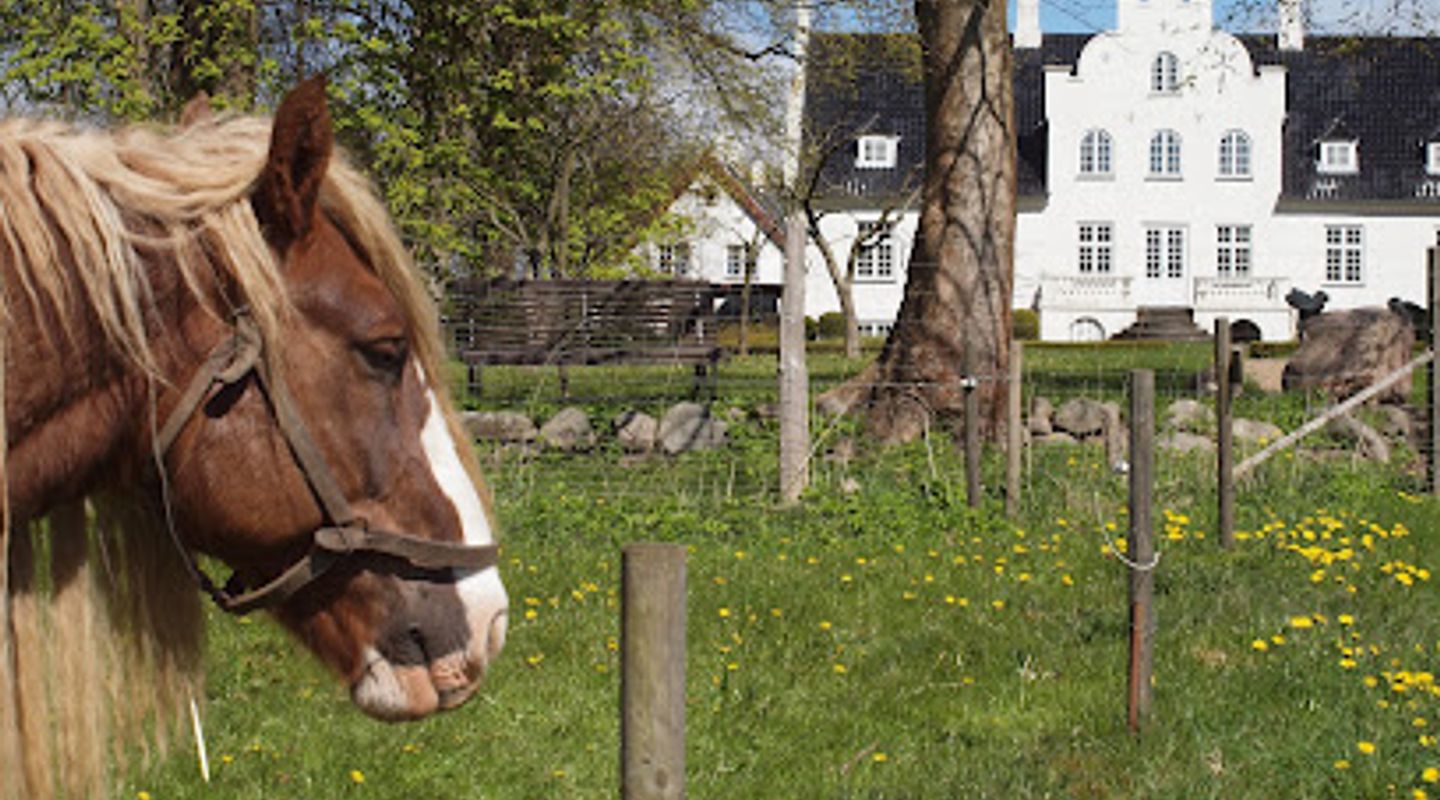
Flynderupgårdmuseet, North Zealand Travel Guide
Manor‑farm museum on the edge of Espergærde, where coastal Zealand’s fishing, farming and everyday life are brought to life in historic rooms, barns and fields.
Set in a former manor house on the edge of Espergærde, Flynderupgård Museum brings North Zealand’s rural past vividly to life. This small open‑air farm and cultural museum combines historic interiors, working outbuildings, fields and animals to show how local people lived from the late 19th century onwards. Seasonal exhibitions, living‑history events and a traditional kitchen add atmosphere, making it a rewarding stop for families, culture lovers and anyone curious about Danish country life.
A brief summary to Flynderupgårdmuseet
- Agnetevej 9, Espergærde, 3060, DK
- Click to display
- Click to display
- Duration: 1.5 to 3 hours
- Budget
-
 Mixed
Mixed
- Mobile reception: 4 out of 5
- Thursday 12 pm-4 pm
- Friday 12 pm-4 pm
- Saturday 12 pm-4 pm
- Sunday 12 pm-4 pm

Know before you go
Hi, I'm Eve. Here are a few practical things to know before exploring Flynderupgårdmuseet.
- Check seasonal opening hours in advance; days and times are limited and can vary between summer and winter.
- Allow time to explore both the main house and the outdoor farmyard, as many of the most atmospheric details are outside.
- If you are interested in local food traditions, plan your visit on a day when the historic kitchen is active and serving meals.
- Wear comfortable shoes suitable for gravel paths, grass and potentially muddy areas around the animal enclosures.
- Combine Flynderupgård with museums in Helsingør town using a combined ticket when available to get more value from your visit.
Do you manage this location?
Take control to get all the benefits, like improved information, better appearance, and stronger visibility across AI-powered discovery. Learn more about listing your business on Evendo
Activate your presenceOther nearby places you may find interesting
The closest places of the same kind, if this one is not quite what you had in mind.
Explore Flynderupgårdmuseet on the Map
A handpicked selection of must-see spots near Flynderupgårdmuseet, mapped for you.
Getting There
-
Regional train and short walk
From Helsingør Station, take a coastal regional train towards Copenhagen and get off at Espergærde; the ride usually takes about 7–9 minutes and standard single tickets cost roughly 30–40 DKK in 2025 prices. From Espergærde Station it is a pleasant walk of around 15–20 minutes through residential streets and gentle slopes to reach the museum, generally manageable for most visitors but less convenient in heavy rain or for those with limited mobility.
-
Local bus from Helsingør
Local bus services between Helsingør and Espergærde offer a convenient option if you prefer not to walk from the station. Typical journey time is 15–25 minutes depending on the route and stops, with single fares usually in the 25–35 DKK range when bought with a travel card or mobile ticket. Buses run at regular intervals during the day but may be less frequent in evenings and on weekends, so check the timetable and note that some stops require a short walk along quiet roads to reach the museum entrance.
-
Car or taxi from central Helsingør
Driving from central Helsingør to Flynderupgård usually takes 10–15 minutes outside rush hour, following the main coastal corridor towards Espergærde. Taxis for this distance often cost in the region of 130–200 DKK one way, depending on traffic and time of day, and can be shared between several passengers. Parking is typically available near the museum buildings, though spaces may be limited during school holidays or special events, and surfaces are mostly gravel rather than paved.
For the on-the-go comforts that matter to you
-
 Restrooms
-
 Drink Options
-
 Food Options
-
 Seating Areas
-
 Sheltered Areas
-
 Trash Bins
-
 Information Boards
-
 Visitor Center
Discover more about Flynderupgårdmuseet
Manor farmhouse with deep local roots
Flynderupgård sits just outside Espergærde in a former country estate whose main building now houses the museum. The whitewashed manor, with its red tile roof and neat garden beds, feels more like a large farmhouse than a palace, reflecting its role in local agriculture rather than high society. Inside, rooms are furnished to evoke life in the late 1800s and early 1900s, from polished wood furniture to patterned textiles and everyday household objects.The museum focuses on the coastal villages and farmland of southern Helsingør Municipality. Through photographs, tools and carefully recreated interiors, it traces how families balanced fishing, small‑scale farming and seasonal work, and how new technologies gradually changed both house and field.Living heritage in the farmyard and fields
Step outside and the atmosphere shifts to a working smallholding. Outbuildings, barns and stables frame a traditional courtyard, and surrounding paddocks and fields help you picture the landscape before suburban Espergærde grew up nearby. Depending on the season, you may see heritage breeds of farm animals grazing or hear the sounds of clucking hens and lowing cattle.The museum grounds often host activities linked to the farming year, from sowing and harvest demonstrations to small events around traditional holidays. Even when nothing special is programmed, wandering the paths between vegetable plots, orchards and meadows offers a gentle glimpse of rural Zealand only a short distance from the Øresund coast.Coastal culture and everyday stories
Flynderupgård does not only look inward to the farm; it also tells the story of nearby fishing villages and bathing life along the Sound. Exhibits explore how local people turned to the sea for both livelihood and leisure, with nods to early tourism, summer guests and the development of seaside culture in the 20th century.Throughout the year, changing displays highlight themes such as crafts, domestic work or local customs, often drawing on objects donated from the surrounding community. The emphasis stays firmly on the rhythm of ordinary lives rather than grand national history, which gives the museum an intimate, human scale.Atmosphere, scents and a taste of the past
One of Flynderupgård’s most evocative features is its historic kitchen, which on selected days operates much as it would have a century ago. The smell of simmering stews, baking bread or traditional Danish cakes can fill the old rooms, adding an extra sensory layer to the visit. Simple, reasonably priced meals inspired by period recipes connect what you see in the exhibitions to what ends up on your plate.Children tend to gravitate toward the outdoor spaces, where there is room to roam safely, peer into animal pens and explore corners of the garden. Adults often appreciate the slower pace and the chance to sit on a bench, listen to birdsong and imagine the daily routines that once unfolded here.A quiet counterpoint to nearby castles
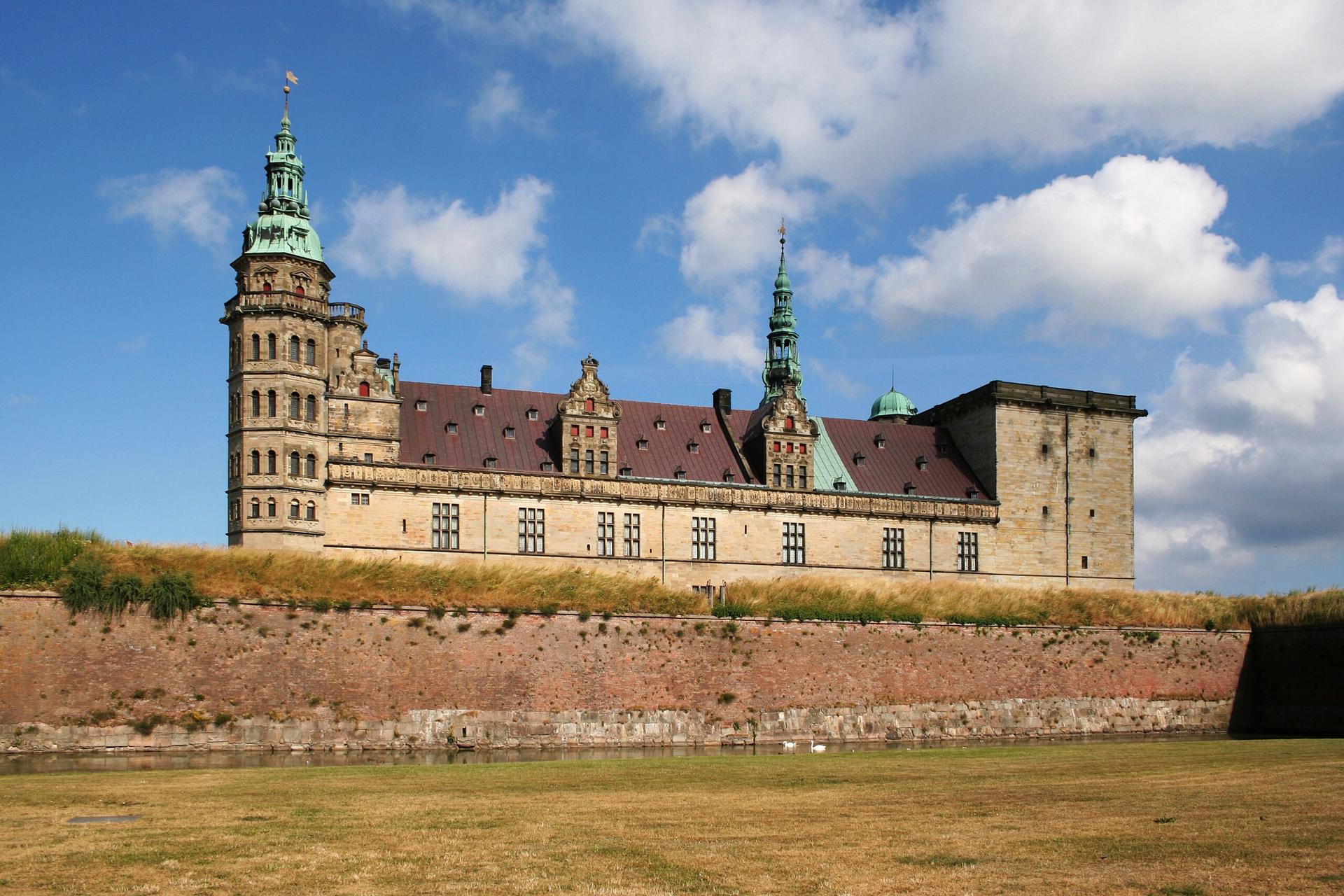
In a region known for dramatic sites like Kronborg and Frederiksborg, Flynderupgård offers a quieter, rural counterpoint. It can easily be combined with other museums in Helsingør, and some combined tickets include entry here alongside town‑centre institutions. The contrast between castle pomp and farmhouse practicality underlines how closely intertwined city, coast and countryside have always been in North Zealand.Because of its manageable size, Flynderupgård works well as a half‑day outing. You can spend an hour or two exploring rooms and grounds in detail, or make a shorter stop as part of a wider tour of the area’s cultural and natural attractions.












Your all‑in‑one travel companion app
Explore expert travel guides, compare and book tours, experiences, hotels, and more—all from the palm of your hand. Download now for seamless trip planning wherever your wanderlust takes you.


Explore More of North Zealand
Looking beyond Flynderupgårdmuseet? Discover North Zealand for broader travel guides, local hot-spots, and regional highlights.
Explore North Zealand
Historic royal gardens spilling down towards the Øresund, where formal lawns, sea views and Marienlyst Castle create Helsingør’s most quietly elegant green escape.
Coastal woodland and simple shelters where beech forest, crackling campfires and the Øresund shoreline meet on the edge of Snekkersten.
