Wibroe Plads, North Zealand Travel Guide
A quiet harbourfront square where elegant merchants’ mansions, cobblestones and sea light reveal Helsingør’s maritime past in the heart of the old town.
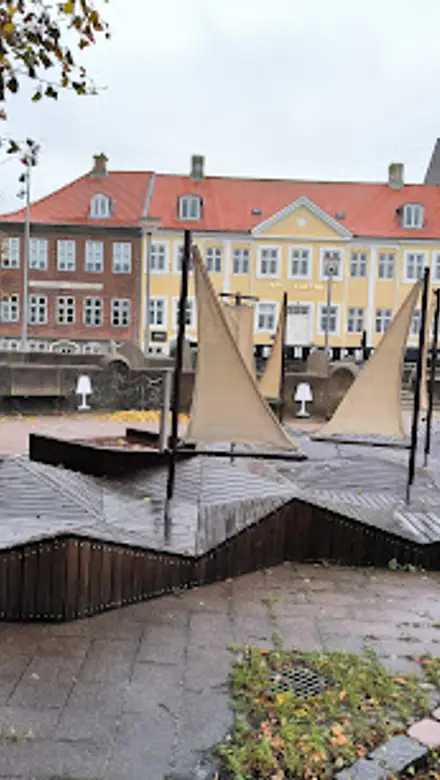
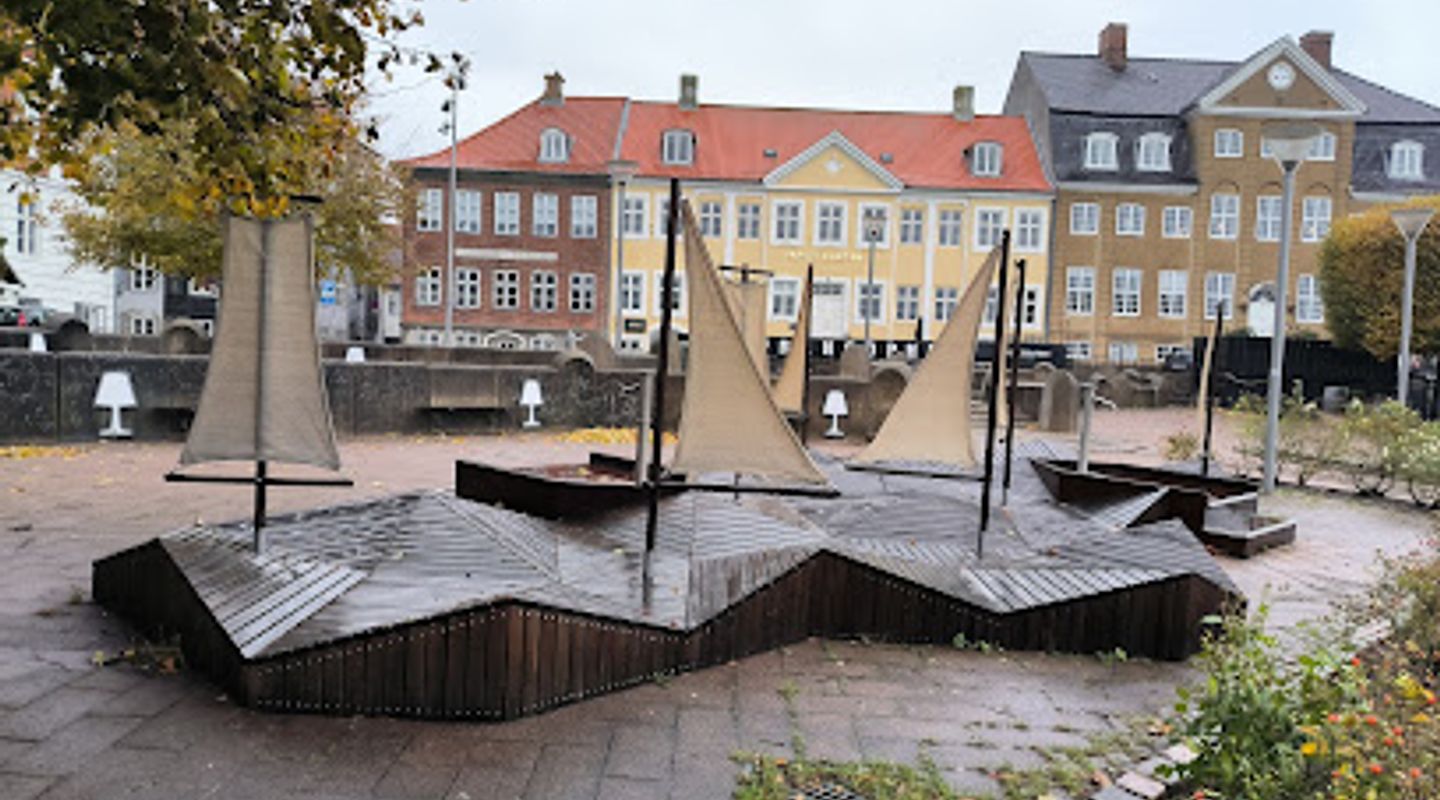
Wibroe Plads is a compact pedestrian square on Helsingør’s historic harbourfront, framed by elegant merchant mansions and just steps from the Øresund. Once part of a bustling customs and shipping quarter, today it feels like a calm pause between the medieval old town and the waterfront. Cobblestones, period facades and glimpses of the sea create an atmospheric spot to sit, stroll with an ice cream, or use as a gateway to nearby highlights such as Skibsklarerergaarden, St. Olaf’s Church and the grand Stephen Hansen and Classen mansions.
A brief summary to Wibroe Plads
- Helsingør, 3000, DK
- Duration: 0.5 to 1.5 hours
- Free
-
 Outdoor
- Mobile reception: 5 out of 5

Know before you go
Hi, I'm Eve. Here are a few practical things to know before exploring Wibroe Plads.
- Bring a camera: the facades of Stephen Hansen Mansion, Classen Mansion and Dodt House frame evocative shots toward the harbour and Øresund.
- Combine a short stop here with visits to nearby Skibsklarerergaarden and St. Olaf’s Church for a compact introduction to Helsingør’s history.
- Visit in the late afternoon for softer light on the buildings and a good chance of colourful skies over the strait.
- Surfaces are generally flat, but cobblestones can be uneven; wear comfortable footwear if you plan to explore the surrounding streets on foot.
Do you manage this location?
Take control to get all the benefits, like improved information, better appearance, and stronger visibility across AI-powered discovery. Learn more about listing your business on Evendo
Activate your presenceOther nearby places you may find interesting
The closest places of the same kind, if this one is not quite what you had in mind.
Explore Wibroe Plads on the Map
A handpicked selection of must-see spots near Wibroe Plads, mapped for you.
Getting There
-
Train and walking from Copenhagen
From Copenhagen, take a regional train toward Helsingør; services run several times per hour and the journey usually takes 45–50 minutes. Standard adult tickets typically cost around 80–110 DKK one way, depending on time and ticket type. From Helsingør Station, it is an easy 10–15 minute walk on mostly flat pavements through the historic centre to Wibroe Plads. Trains run year-round, but late evening services are less frequent.
-
Ferry and walking from Helsingborg
If you are coming from Helsingborg in Sweden, use the passenger ferry across the Øresund; crossings generally take 20 minutes and depart many times per hour in daytime. A walk-on passenger ticket usually ranges between 60–100 DKK one way. Once you arrive at Helsingør’s ferry terminal, expect a 5–10 minute walk on level ground along the harbourfront and into the old town to reach Wibroe Plads. Ferries can be reduced in number late at night or in severe weather.
-
Car from North Zealand
Travelling by car from other parts of North Zealand, driving times to central Helsingør are typically 20–40 minutes from nearby coastal towns. Public parking is available in and around the old town and harbour area, often paid by the hour, with prices commonly in the range of 10–25 DKK per hour. Once parked, you will explore Wibroe Plads on foot within the pedestrian zone. Narrow streets and one-way systems in the historic centre can slow traffic, especially in busy summer periods.
For the on-the-go comforts that matter to you
-
 Seating Areas
-
 Trash Bins
-
 Information Boards
-
 Restrooms
-
 Food Options
-
 Drink Options
Discover more about Wibroe Plads
Harbourfront square with a maritime past
Wibroe Plads is a small pedestrianised square on Helsingør’s waterfront, where the compact old town opens toward the Øresund. Historically this was part of the city’s customs and shipping district, closely tied to the Sound Dues that made Helsingør prosperous for centuries. You still sense that maritime story in the way the square sits between the harbour basins and the tight grain of merchant streets behind.The space itself is modest rather than monumental, shaped by cobblestones, low kerbs and the occasional bench rather than grand monuments. What makes it distinct is the way the light off the water spills into the square, bringing a constant awareness of ships, ferries and the far shore of Sweden just across the strait.Elegant mansions overlooking the water
Some of Helsingør’s most important townhouses line Wibroe Plads. The Stephen Hansen Mansion, a listed residence from the 18th century, is a textbook example of the transition from Baroque to Rococo architecture, with its restrained facade, triangular pediment and rare sash windows that once characterised the city’s wealthiest homes. Nearby, the Classen Mansion adds another layer of mercantile history, occupying a prime position between the harbour and trading streets.On a corner by the square stands the Dodt House, a historic property that bridges the waterfront and the main shopping artery, Stengade. Together, these buildings give Wibroe Plads an almost stage-set quality: facades that once belonged to merchants, shipowners and officials who depended on the ebb and flow of trade through the Øresund.Link between old town alleys and harbour life
Wibroe Plads functions as a hinge between two very different urban atmospheres. To the west, narrow lanes pull you into Helsingør’s medieval core, with its gabled houses, small shops and the cathedral of St. Olaf only a short walk away. To the east, the harbour opens out, with views of working quays, modern ferries and, further along the waterfront, the silhouette of Kronborg Castle.Because it is car-free, the square feels surprisingly tranquil given its central position. People drift through on their way to museums, the waterfront promenade or nearby cafés, stopping briefly to check a map, take photos of the facades or watch the sky change over the strait.Everyday pause rather than major attraction
Unlike larger Scandinavian squares, Wibroe Plads does not overwhelm with statues or heavy ornament. Its appeal lies in its human scale and in the way everyday life plays out here: a meeting point for friends, a place to sit with a takeaway coffee, or a quiet corner from which to observe the choreography of cyclists, pedestrians and harbour workers.The absence of heavy traffic and the flat, open surface make it an easy spot for families with strollers and visitors who prefer gentler terrain. Simple details – the rhythm of windows on the mansions, the texture of old stonework, the smell of salt on the breeze – encourage you to slow down and notice the setting rather than rush through.Starting point for deeper exploration
Wibroe Plads is also an excellent orientation point for exploring Helsingør’s cultural heritage. Just behind the square, Skibsklarerergaarden, the former Ship Handler’s House, introduces the city’s customs history. St. Olaf’s Church rises a short walk inland, while the broader harbourfront leads toward cultural venues and, further north, Kronborg’s fortifications.Spending time on the square allows you to piece together how tightly trade, architecture and geography were woven here. Standing between the townhouses and the sea, it becomes clear why so many prominent families chose to build their residences at this exact spot, where they could watch both their ships and their city at the same time.












Your all‑in‑one travel companion app
Explore expert travel guides, compare and book tours, experiences, hotels, and more—all from the palm of your hand. Download now for seamless trip planning wherever your wanderlust takes you.


Explore More of North Zealand
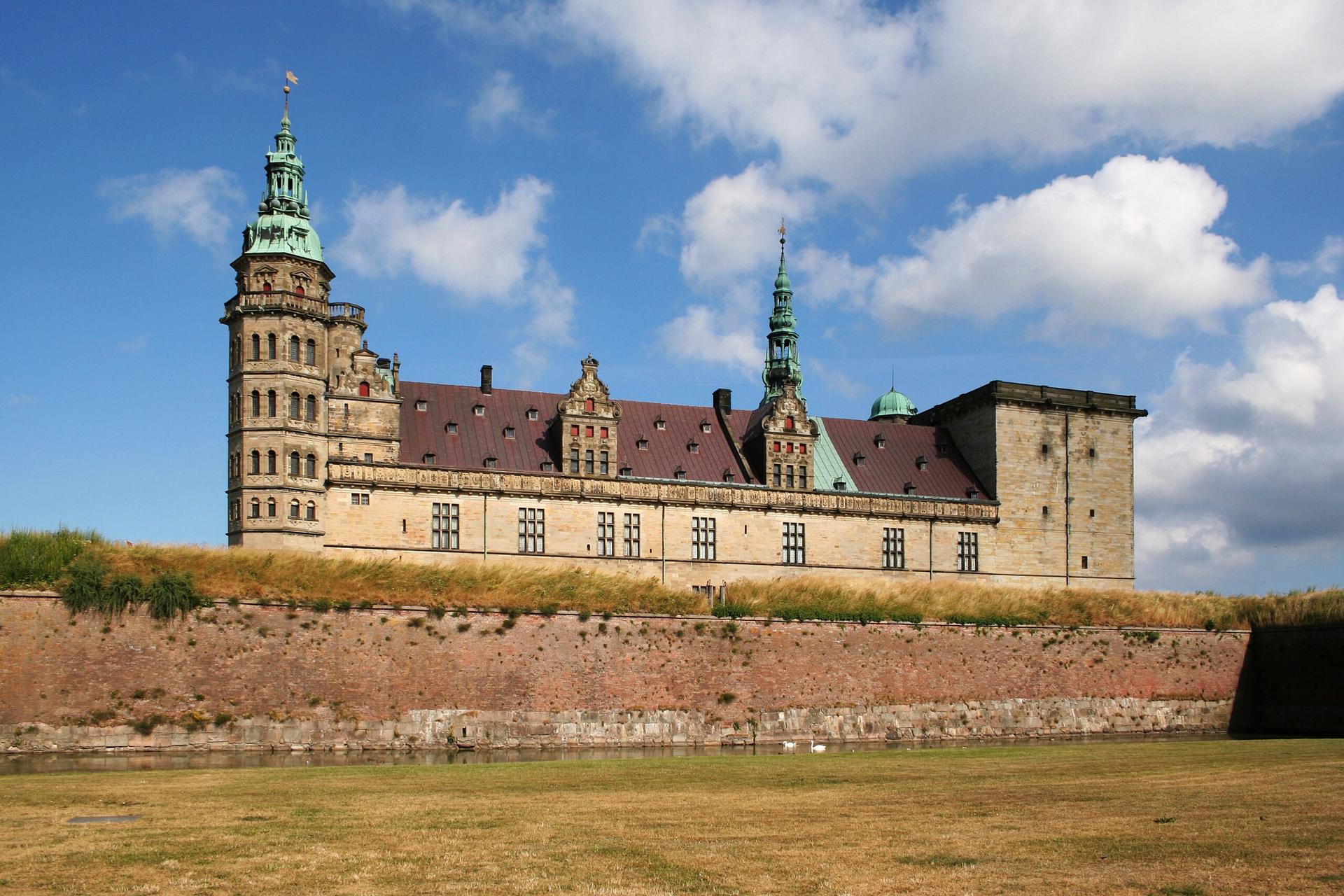
Looking beyond Wibroe Plads? Discover North Zealand for broader travel guides, local hot-spots, and regional highlights.
Explore North Zealand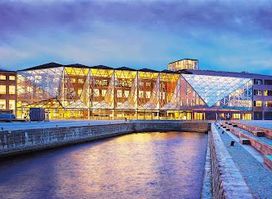
A bold glass-and-steel cultural hub in Helsingør’s former shipyard, where landmark architecture, a renowned library, harbour views and year-round events meet by Kronborg.

A modest harbourfront square where merchant mansions, cobbled edges and Øresund views quietly reveal Helsingør’s long maritime story.