

Fredensborg Palace Travel Guide
Free Guide: Denmark's most magnificent Baroque palace and gardens, where royal history meets landscape artistry on the shores of Lake Esrum.


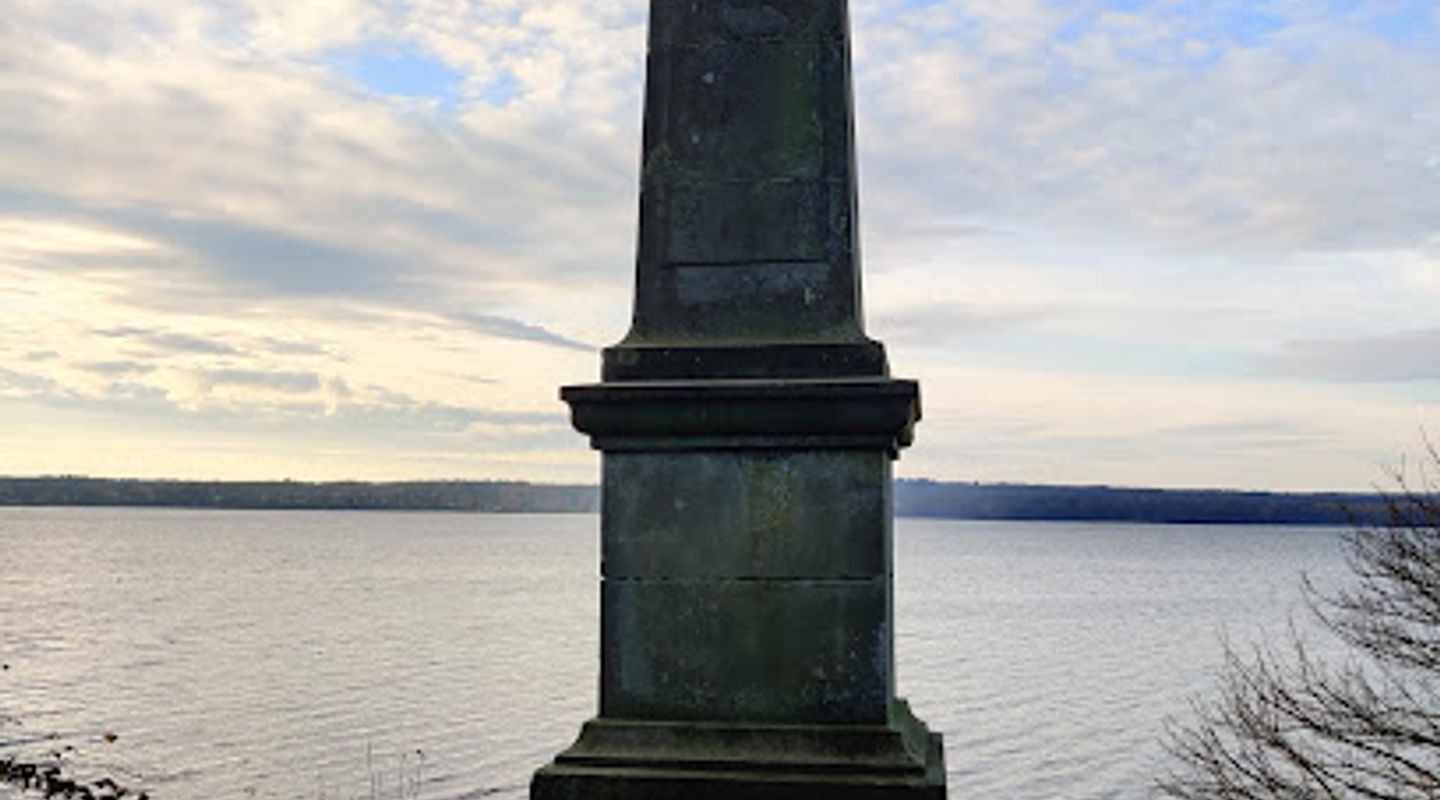
A brief summary of Fredensborg Palace
Denmark's most magnificent Baroque palace and gardens, where royal history meets landscape artistry on the shores of Lake Esrum.
A magnificent Baroque palace built in 1722 as King Frederik IV's country retreat, Fredensborg Palace stands on the shores of Lake Esrum, 30 kilometers north of Copenhagen. The palace and its surrounding gardens showcase exceptional 18th-century architecture and design, featuring one of Denmark's most impressive Baroque gardens with radiating avenues, woodland paths, and the unique Valley of the Norsemen sculpture park. While the palace interior and private gardens are normally reserved for the Royal Family, guided tours open in July, offering rare access to royal chambers and the Reserved Garden.
On-site amenities
 Restrooms
 Food options
 Seating areas
 Picnic areas
 Parking
 Information boards
- Address
- Slottet 1B, 3480 Fredensborg
- Phone
- Website
Getting there
Train from Copenhagen
Car from Copenhagen
Bus from Copenhagen
Guided tour from Copenhagen
Discover more about Fredensborg Palace
A Palace Born from Peace and Royal Vision
Fredensborg Palace was inaugurated in 1722, constructed as a country seat for King Frederik IV and his consort, Queen Anne Sophie. The name itself commemorates the end of the Great Northern War, symbolizing peace and prosperity. Designed by prominent 18th-century architects, the palace exemplifies Baroque architectural principles with its harmonious proportions, elegant facades, and refined interiors. The palace was completed in 1724 and has since become one of the Danish Royal Family's most frequently used residences outside Copenhagen, serving as their spring and autumn home.
A Living Stage for Royal Ceremony and Tradition
Throughout its three centuries of existence, Fredensborg Palace has hosted some of Denmark's most significant royal events. State visits from heads of state across the globe have graced its halls, and the palace has witnessed royal weddings, birthday celebrations, and important family occasions. A distinctive tradition persists within the palace walls: visiting dignitaries and heads of state engrave their signatures onto the windowpanes, creating a unique historical record of international relations and royal hospitality. The palace's Dome Hall, rising majestically through two floors in Italian-inspired style, stands as one of the most impressive interior spaces.
The Baroque Garden: Denmark's Versailles
The palace gardens represent one of Denmark's largest and most exquisite historic gardens, often compared to the grand gardens of Versailles. The garden's distinctive design features seven radiating avenues that fan outward from the palace in a semicircle, creating a sense of geometric precision characteristic of Baroque landscape design. These long, straight pathways extend through the landscape, offering visitors a journey through carefully orchestrated vistas. The gardens showcase a fascinating evolution from strict Baroque formality to Romantic naturalism, with manicured sections giving way to forested areas containing winding trails and hidden clearings. This blend of styles creates a dynamic landscape that appeals to both those seeking structured beauty and those drawn to wild, natural spaces.
Sculptures and Stories: The Valley of the Norsemen
Within the palace gardens lies the Valley of the Norsemen, a unique sculpture park featuring approximately 70 figures depicting Norwegian and Faroese farmers and fishermen. This remarkable monument reflects a historical period when the Danish king's realm extended across the Nordic region, encompassing territories far beyond present-day Denmark. The sculptures serve as both artistic expressions and historical reminders of Denmark's broader Scandinavian heritage. Visitors wandering through this valley encounter these weathered figures positioned throughout the landscape, creating an atmospheric and contemplative experience that bridges art, history, and nature.
The Reserved Garden: A Glimpse Behind Royal Doors
The Reserved Garden, located behind the main palace, represents the private sanctuary of the Danish Royal Family and remains closed to the public throughout most of the year. However, during July, exclusive guided tours provide rare access to this normally forbidden space. The Reserved Garden showcases the refined taste of successive queens, particularly Queen Ingrid and Queen Margrethe, who shaped its horticultural character. Visitors on summer tours discover the herb garden, the modern orangery that supplies fresh flowers and vegetables to the royal court, and the royal playhouse. These intimate spaces reveal the daily life and aesthetic preferences of the monarchy in ways that public areas cannot convey.
Year-Round Access and Seasonal Opportunities
The main palace gardens remain accessible to visitors throughout the entire year, allowing people to experience the landscape across all seasons. The gardens transform dramatically with the changing months—spring brings flowering trees and fresh growth, summer offers lush greenery and full foliage, autumn displays rich colors and golden light, and winter reveals the skeletal beauty of bare branches and frost-covered paths. This year-round accessibility makes Fredensborg Palace a destination for repeated visits, each season offering distinct perspectives and photographic opportunities. The palace interior and Reserved Garden, however, open exclusively during July through guided tours, creating a special summer pilgrimage for those seeking deeper engagement with royal history.
Evendo Review Centre
 Google
Guest reviews
Best time to go
Quietest: Jan, Feb & Nov · before 7am or at 9pm
Busy times are Evendo estimates for a typical year, to help you plan. Actual crowds vary with events, school holidays and the weather.
Explore Fredensborg Palace on the map
A handpicked selection of must-see spots near Fredensborg Palace, mapped for you.
Get your free copy of our complete guide to Fredensborg Palace, delivered straight to you.
Everything on this page, from opening hours and how to get there to Eve’s tips and the best time to go, in one PDF you can read offline, print or share.
Already have an account? Sign in
Your Fredensborg Palace guide is ready.
We'll send it to · Not you? Sign out

Getting your guide ready…
We are putting together a fresh copy of the Fredensborg Palace guide. This can take up to a minute.
This can take a few moments. If your browser asks, choose Allow so the download can start. You'll find the guide in your Downloads folder.
Nothing happened? Download it again
Sorry, the guide is taking longer than usual. Please try again in a minute, or get it by email instead.
Unlock the best of Fredensborg Palace
Skip-the-line tickets, guided tours with entry, and walking tours of the area, booked in a few clicks.


Other nearby places you may find interesting
The closest places of the same kind, if this one is not quite what you had in mind.
-
-
-
-
-


Swipe for more places
More to explore near Fredensborg Palace

 Best experiences near Fredensborg Palace
 Best hotels near Fredensborg Palace
 Best landmarks near Fredensborg Palace
 Best attractions near Fredensborg Palace
 Best shops near Fredensborg Palace
 Best restaurants near Fredensborg Palace
 Best bars near Fredensborg Palace
Do you manage this location?
Take control to get all the benefits, like improved information, better appearance, and stronger visibility across AI-powered discovery.
Explore more

Explore more of North Zealand
Explore North Zealand, Denmark's enchanting region of castles, beaches, and royal estates, perfect for history buffs, nature enthusiasts, and seaside lovers.
Explore North Zealand
Explore more of Denmark
Discover Denmark: A perfect blend of history, modern design, and the cozy concept of hygge. Explore vibrant cities, serene landscapes, and world-class cuisine.
Explore Denmark
