Mindesten for Slaget ved Nyborg 1659, Funen Travel Guide
Denmark's pivotal 1659 victory monument—where allied forces turned the tide of war in a single decisive day.
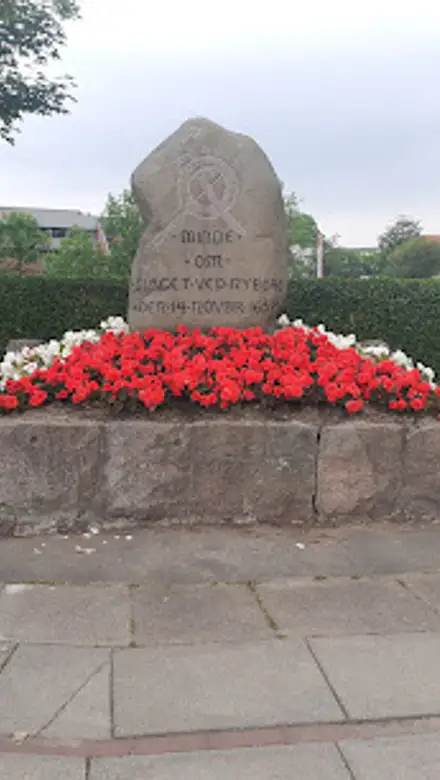
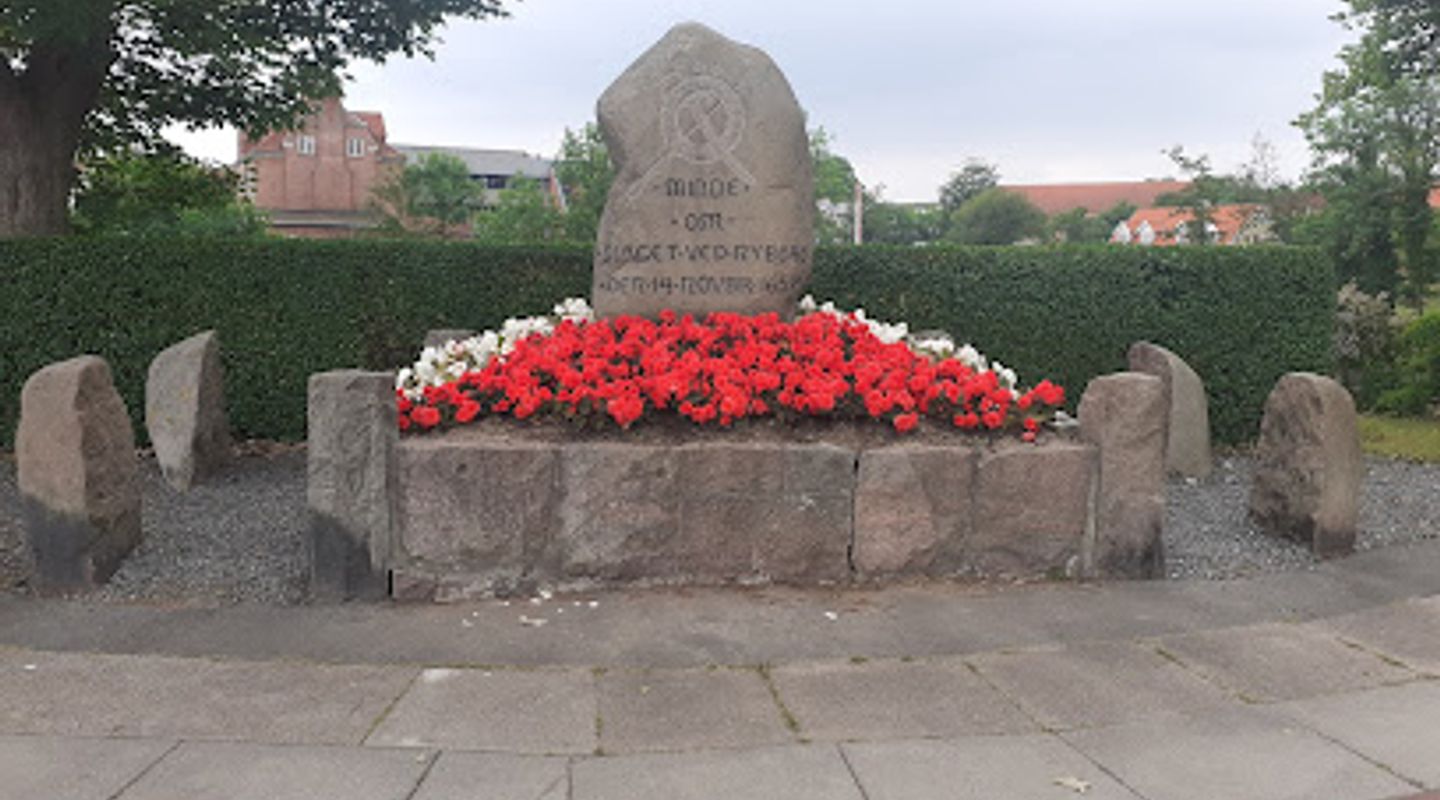
A solemn memorial monument dedicated to the Battle of Nyborg, one of Denmark's most decisive military victories. Located on Lindealleen in central Nyborg, this landmark commemorates the pivotal 14 November 1659 battle where Danish-allied forces defeated Swedish troops, marking a turning point in the Dano-Swedish War. The site offers visitors a chance to reflect on this crucial moment in Danish history and explore the battlefield's historical significance.
A brief summary to Mindesten for Slaget ved Nyborg 1659
- Lindealleen 10, Nyborg, 5800, DK
- Duration: 0.5 to 1.5 hours
- Free
-
 Outdoor
- Mobile reception: 4 out of 5

Know before you go
Hi, I'm Eve. Here are a few practical things to know before exploring Mindesten for Slaget ved Nyborg 1659.
- Visit during daylight hours to fully appreciate the memorial and the surrounding landscape where the battle unfolded. The site is accessible year-round and free to visit.
- Combine your visit with exploration of nearby Nyborg Castle and the town's medieval fortifications to gain deeper context about the region's strategic importance during the Dano-Swedish Wars.
- Consider walking the battlefield area between Hjulby Lake and Juelsberg estate to understand the terrain and tactical movements that determined the battle's outcome.
- Check local museums in Nyborg for archaeological exhibits and detailed accounts of the 1659 battle, which provide fascinating insights into seventeenth-century warfare and daily life.
Do you manage this location?
Take control to get all the benefits, like improved information, better appearance, and stronger visibility across AI-powered discovery. Learn more about listing your business on Evendo
Activate your presenceOther nearby places you may find interesting
The closest places of the same kind, if this one is not quite what you had in mind.

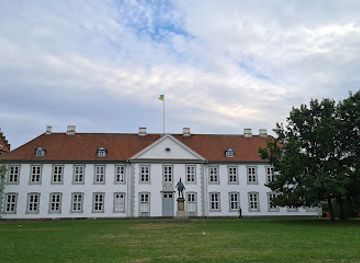
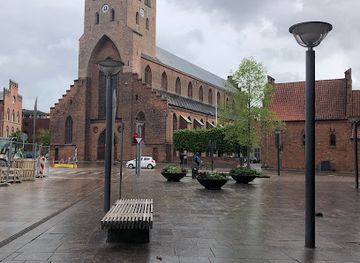
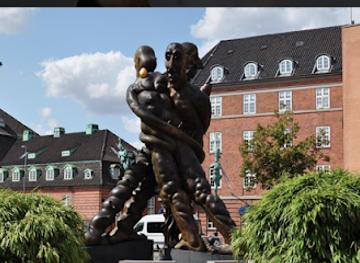
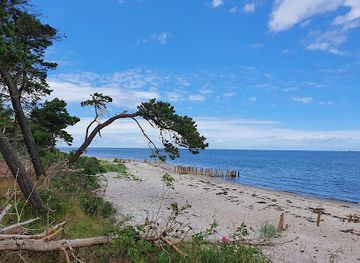
Explore Mindesten for Slaget ved Nyborg 1659 on the Map
A handpicked selection of must-see spots near Mindesten for Slaget ved Nyborg 1659, mapped for you.
Getting There
-
Local Bus
Regional buses serve Nyborg town center with regular connections from surrounding areas. Journey times from central Nyborg to Lindealleen are approximately 10–15 minutes depending on departure point. Buses are frequent during weekdays and less frequent on weekends. Single fares typically range from 25–45 Danish kroner. The memorial is within walking distance of the main bus station.
-
Private Car
Lindealleen is easily accessible by car from the E20 motorway. Street parking is available along Lindealleen and nearby residential streets at no charge. Driving time from central Nyborg is approximately 5–10 minutes. The site has no dedicated parking lot but street parking is plentiful, especially outside peak hours.
-
Bicycle
Nyborg is bicycle-friendly with dedicated cycle paths connecting the town center to Lindealleen. Journey time from central Nyborg is approximately 10–15 minutes. Flat terrain and well-maintained paths make this an accessible option for most cyclists. Bicycle parking facilities are available near the memorial.
-
Walking
From central Nyborg, the memorial is reachable on foot in approximately 20–25 minutes via local streets and pathways. The walk is relatively flat and passes through residential neighborhoods. Walking allows visitors to explore the surrounding area and gain perspective on the battlefield's geography and proximity to the town.
For the on-the-go comforts that matter to you
-
 Information Boards
Discover more about Mindesten for Slaget ved Nyborg 1659
A Victory That Changed Danish History
The Battle of Nyborg on 14 November 1659 stands as one of Denmark's most significant military triumphs. On this fateful day, combined Danish, Dutch, and allied forces under the command of Field Marshal Hans Schack defeated a Swedish army occupying the island of Funen. The victory was decisive and swift, lasting only five hours but resulting in a Swedish retreat and ultimate surrender. This memorial monument preserves the memory of those who fought and fell during this crucial engagement, which ultimately led to the Treaty of Copenhagen in 1660 and the restoration of Danish territorial integrity.The Strategic Turning Point
Following the Treaty of Roskilde in 1658, Denmark had lost significant territories to Sweden, including Skåne, Halland, Blekinge, and Bornholm. However, the peace was short-lived. When Sweden resumed hostilities in 1659, a coordinated allied response was mounted. Field Marshal Hans Schack led Danish forces from Copenhagen and Schleswig, while Saxon Field Marshal Ernst Albrecht von Eberstein commanded troops advancing through Jutland. Their convergence on Funen created a formidable force of approximately 10,000 to 11,000 men against the Swedish garrison of around 7,000. The battle's outcome proved transformative, preventing Swedish dominance and enabling Denmark to negotiate from a position of strength.The Battlefield and Tactical Brilliance
The engagement unfolded across terrain between Hjulby Lake and the Juelsberg estate, where Swedish forces had established defensive positions. The turning point came when allied cavalry, led by Lieutenant General Hans Ahlefeldt, executed a daring maneuver by crossing Hjulby Lake and striking the Swedish left flank from an unexpected direction. This tactical surprise shattered Swedish resistance and forced a chaotic retreat toward Nyborg's fortifications. The cavalry pursuit inflicted heavy casualties on the fleeing Swedish troops, demonstrating the effectiveness of coordinated allied strategy and the decisive role of mounted forces in seventeenth-century warfare.Remembrance and Legacy
The monument at Lindealleen serves as a permanent testament to the sacrifice made during this battle. Approximately 2,200 Swedish soldiers and 1,700 Danish-allied troops lay on the battlefield by evening, a sobering reminder of the human cost of conflict. The memorial invites visitors to contemplate this pivotal moment when Danish determination and allied cooperation reversed the tide of war. Standing at this location, one can reflect on how a single day's military action reshaped the political map of Scandinavia and secured Denmark's future independence and territorial recovery.More to explore near Mindesten for Slaget ved Nyborg 1659
-

Best experiences near Mindesten for Slaget ved Nyborg 1659
-

Best hotels near Mindesten for Slaget ved Nyborg 1659
-

Best attractions near Mindesten for Slaget ved Nyborg 1659
-

Best shops near Mindesten for Slaget ved Nyborg 1659
-

Best restaurants near Mindesten for Slaget ved Nyborg 1659
-

Best bars near Mindesten for Slaget ved Nyborg 1659







Your all‑in‑one travel companion app
Explore expert travel guides, compare and book tours, experiences, hotels, and more—all from the palm of your hand. Download now for seamless trip planning wherever your wanderlust takes you.


Explore More of Funen
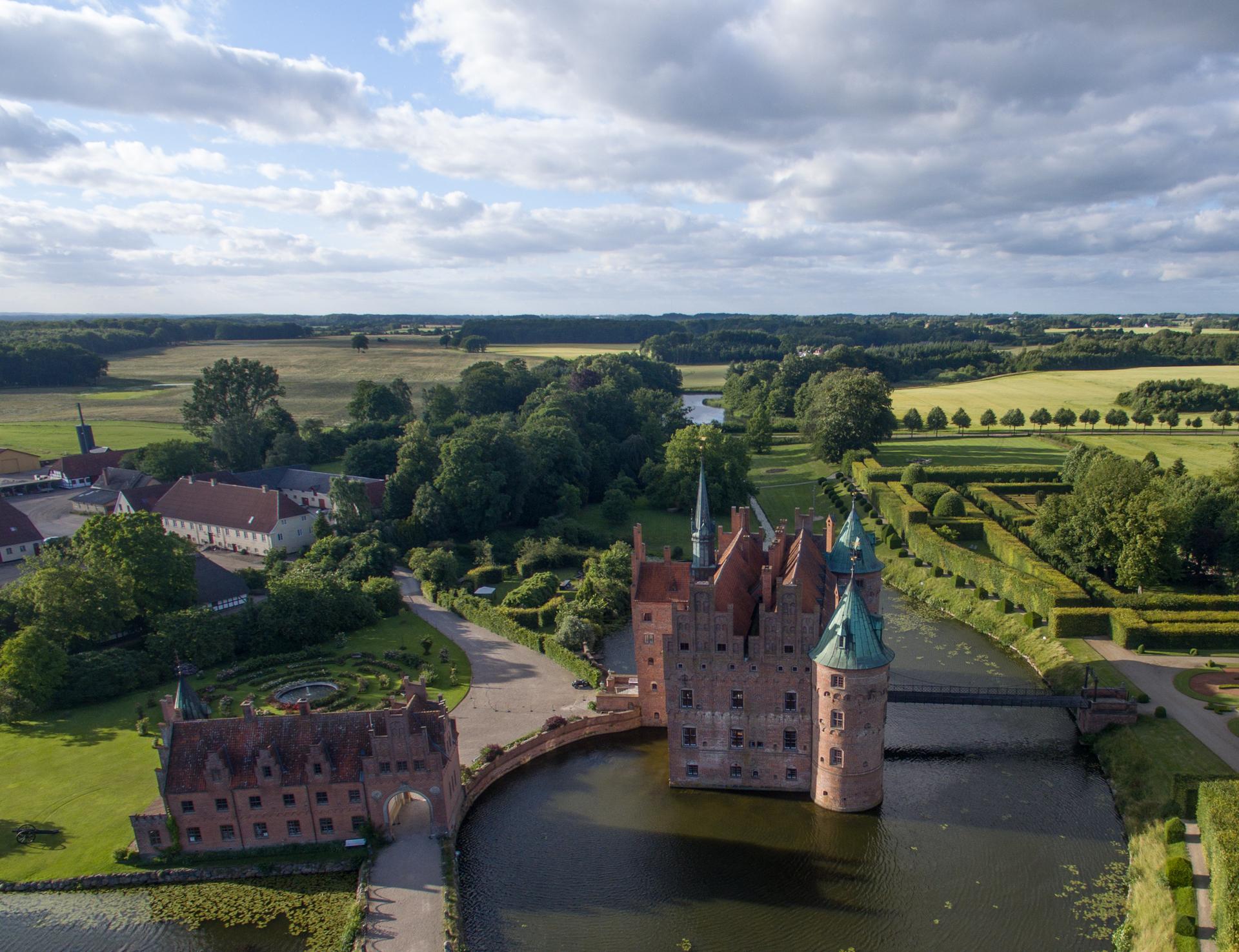
Looking beyond Mindesten for Slaget ved Nyborg 1659? Discover Funen for broader travel guides, local hot-spots, and regional highlights.
Explore Funen