
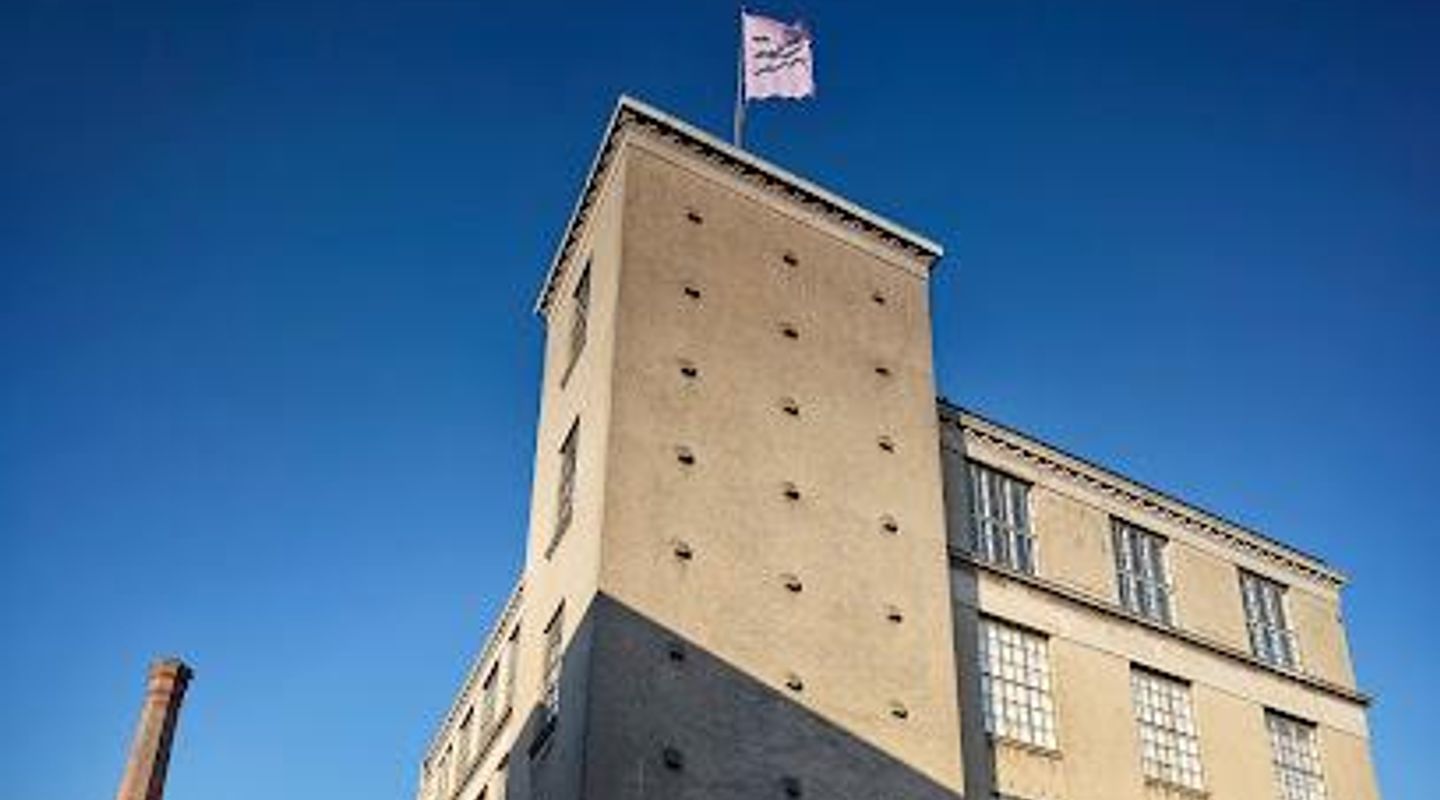
Art Museum Brandts, Odense Travel Guide
Funen’s flagship art museum in a former textile mill, blending 250 years of Danish art with photography, film, family-friendly shows and a certified green profile.
Art Museum Brandts is Funen’s largest art museum, housed in a converted textile factory in the heart of Odense’s Brandts Klædefabrik cultural quarter. Across five atmospheric floors it brings together 250 years of Danish art, bold contemporary exhibitions, photography, film and media art, plus dedicated family-friendly sensory shows. A Green Attraction-certified venue with a lively art café and design shop, it’s an easy, rewarding half- or full-day cultural stop.
A brief summary to Art Museum Brandts
- Amfipladsen 7, Odense, Odense C, 5000, DK
- Click to display
- Click to display
- Duration: 1.5 to 4 hours
- Mid ranged
-
 Indoor
- Mobile reception: 5 out of 5
- Tuesday 10 am-5 pm
- Wednesday 10 am-5 pm
- Thursday 10 am-8 pm
- Friday 10 am-5 pm
- Saturday 10 am-6 pm
- Sunday 10 am-5 pm

Know before you go
Hi, I'm Eve. Here are a few practical things to know before exploring Art Museum Brandts.
- Plan at least 2–3 hours to explore multiple floors; add extra time if you want to sit through film installations or visit the family sensory exhibition.
- Check the current special exhibitions in advance; Brandts frequently changes shows, so your visit might focus on photography, illustration or classic painting.
- Use the café and shop without a ticket if you are short on time, then return another day for a full museum visit.
- Consider visiting on Thursday when opening hours usually extend into the evening, creating a quieter, more contemplative atmosphere.
- Families should head straight to the sensory and children’s areas first, then tackle the larger collection once younger visitors have had a chance to play.
Do you manage this location?
Take control to get all the benefits, like improved information, better appearance, and stronger visibility across AI-powered discovery. Learn more about listing your business on Evendo
Activate your presenceOther nearby places you may find interesting
The closest places of the same kind, if this one is not quite what you had in mind.
Explore Art Museum Brandts on the Map
A handpicked selection of must-see spots near Art Museum Brandts, mapped for you.
Getting There
-
Train and Walk from Odense Station
From Odense Station, Art Museum Brandts lies within central Odense and can be reached on foot in about 10–15 minutes along generally flat, urban streets suitable for most visitors, including those with strollers. Regional and intercity trains connect Odense with Copenhagen and other Danish cities in roughly 1–1.5 hours, with standard second‑class fares typically ranging from DKK 120–260 one way depending on distance, time and ticket type. No additional public transport ticket is required once you arrive; simply follow signposted pedestrian routes through the city centre.
-
City Bus within Odense
Odense’s city buses run frequent routes through the centre with stops a short walk from Brandts Klædefabrik, making them convenient if you are staying in outlying districts or arriving from the university area. Journey times from most inner neighbourhoods are around 10–20 minutes, with standard single tickets usually costing about DKK 24–30 and valid for transfers within a set time window. Buses are generally low‑floor and wheelchair‑friendly, but services thin out later in the evening and on weekends, so check the timetable if you plan a late visit.
-
Car or Rental Car within Odense and Funen
Driving to Art Museum Brandts from elsewhere on Funen typically takes 20–40 minutes from nearby towns, longer from other parts of Denmark. The museum sits in Odense’s centre, where on‑street spaces are limited and subject to time restrictions; instead, use one of the public car parks around the Brandts area or the wider city core. Expect hourly parking fees in the region of DKK 10–25 depending on the facility and duration, usually payable by card or app. Traffic is generally manageable but can be slower at weekday rush hours, and some car parks have height limits that affect larger vehicles.
-
Bicycle Access in Odense
Odense is one of Denmark’s most bicycle‑friendly cities, with marked lanes and traffic‑calmed streets leading into the centre. Cycling to the museum from many residential districts takes around 10–25 minutes, and you will find places to lock a bike near the Brandts Klædefabrik complex. Renting a standard city bike in Odense typically costs about DKK 80–150 per day depending on the provider. Surfaces are mostly flat and suitable for casual riders, but be prepared for wind and rain at any time of year and use lights during darker months, as required by Danish law.
For the on-the-go comforts that matter to you
-
 Restrooms
-
 Drink Options
-
 Drinking Water
-
 Food Options
-
 Seating Areas
-
 Sheltered Areas
-
 Trash Bins
-
 Information Boards
-
 Visitor Center
Discover more about Art Museum Brandts
From Textile Mill to Cultural Powerhouse
Art Museum Brandts occupies the red-brick buildings of the former Brandts Klædefabrik, once a humming textile factory supplying fabrics and uniforms. Today the industrial skeleton remains visible in iron columns, high ceilings and worn floors, giving the museum a raw, characterful backdrop that contrasts with the refined works on the walls. The surrounding quarter has grown into a compact cultural district, with cobbled passages, small courtyards and an urban buzz that makes the museum feel firmly woven into city life.Inside, the sense of scale is striking. Five stacked levels create a vertical journey through art and visual culture, while long window bands frame glimpses of Odense’s rooftops and church towers. Moving between floors, you are rarely allowed to forget that this is both a historic building and a thoroughly contemporary museum, where light, space and industrial details are part of the experience.Collections Spanning Centuries of Danish Art
Brandts’ core collection traces roughly 250 years of Danish art, from 18th- and 19th-century portraiture and landscape painting to modernist experiments and contemporary canvases. Works by major Danish names often appear in the collection displays, offering a visual line from the age of powdered wigs and maritime trade to today’s conceptual and installation-based practices.Rather than freezing the collection in a single permanent hang, the museum regularly re-curates its holdings into themed presentations. One visit might highlight changes in Danish landscape painting, another the evolution of portraiture or the dialogue between painting and photography. This constant rethinking encourages you to look again at familiar works and to see Danish art history as an evolving conversation rather than a closed chapter.Photography, Film and Visual Culture
Brandts has deep roots in photographic art and visual media, building on Odense’s long-running museum of photographic art and a strong tradition of image-based exhibitions. Throughout the building you may encounter classic black-and-white series, experimental art photography, moving-image installations or film-based works that play with sound, rhythm and narrative.Large-scale special exhibitions often focus on photography, illustration or other forms of visual culture, for example music imagery, graphic storytelling or crossovers between art and popular media. Together these shows broaden the idea of what an art museum can hold, placing lens-based works and visual narratives on an equal footing with painting and sculpture.A Place Where Children Lead the Way
One of Brandts’ signatures is its long-running sensory exhibition for families. Designed at children’s height and with hands-on elements, this part of the museum turns looking at art into an active, playful experience. Textures, colours, sound and light are used to invite touch, movement and curiosity, so that younger visitors draw adults into the works rather than the other way round.Workshops and creative spaces extend this philosophy, providing materials and prompts for drawing, collage or simple building projects inspired by current exhibitions. The result is a museum that treats children as genuine art audiences, making Brandts a particularly strong choice for families seeking culture that feels inclusive rather than formal.Café Life, Design Finds and City Views
At street level, the Brandts Art Café looks out onto the intimate Amfipladsen, a small amphitheatre-like square where locals linger over coffee. Inside, sculptures, a large mural and shifting artworks make the café feel like an extension of the galleries. Seasonal cakes, salads, sandwiches and carefully chosen drinks create an easy pause between exhibitions, and the big windows keep you connected to the city outside.Next to the café, the museum shop leans into Danish design culture with books, posters, crafts and smaller design objects. It is an appealing stop even if you are not a dedicated souvenir hunter, and access to both shop and café is free. Together they underline Brandts’ role not only as an exhibition space, but as a relaxed meeting point in central Odense.Green Initiatives and Slow Art Time
Art Museum Brandts holds a Green Attraction environmental certification, signalling concrete efforts around energy use, waste sorting, purchasing policies and communication of sustainable practices. Visitors encounter subtle reminders to recycle, reduce waste and think about the footprint of cultural travel, without distracting from the artworks themselves.The building’s spacious rooms and layered programme invite an unhurried visit. Many guests choose to spend several hours here, lingering in front of individual works, taking in a film piece from beginning to end, or returning to a favourite gallery after a break in the café. Whether you drop in for a snapshot of Danish art or dedicate a large portion of your day, Brandts is designed to make time with art feel generous and open-ended.












Your all‑in‑one travel companion app
Explore expert travel guides, compare and book tours, experiences, hotels, and more—all from the palm of your hand. Download now for seamless trip planning wherever your wanderlust takes you.


Explore More of Odense
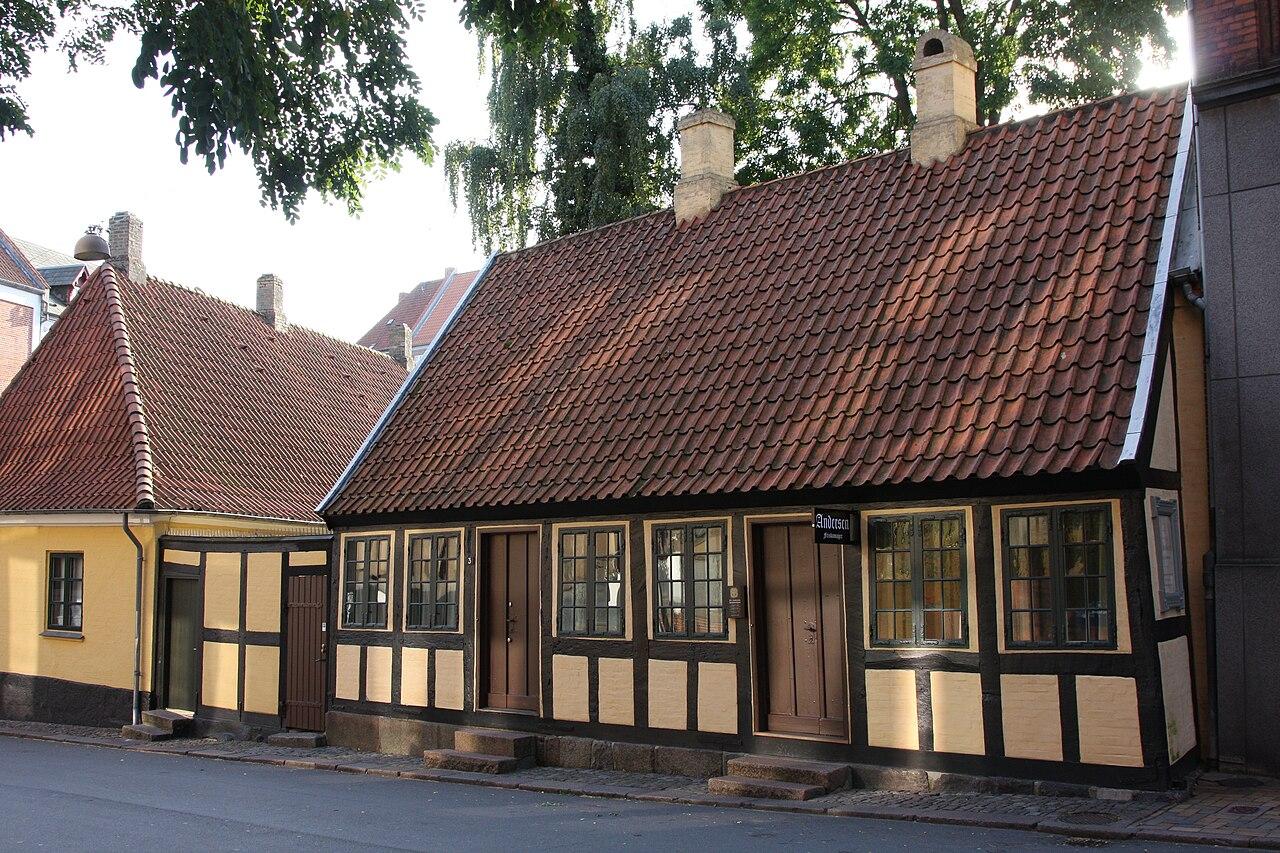
Looking beyond Art Museum Brandts? Discover Odense for broader travel guides, local hot-spots, and regional highlights.
Explore Odense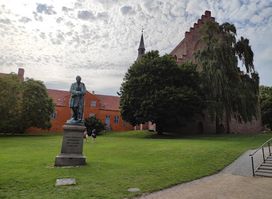
Riverside lawns, fairy-tale sculptures and seasonal blooms create a peaceful Hans Christian Andersen–inspired refuge in the very heart of Odense.
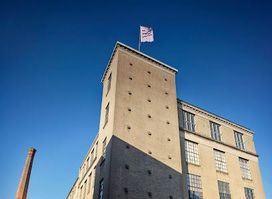
Denmark's largest art museum in a restored 1887 textile factory, showcasing 250 years of Danish art and world-class photography.
