Koldkrigsmuseet REGAN Vest, North Jutland Travel Guide
A secret bunker 60 meters underground where Denmark's government prepared for nuclear war—now an authentically preserved Cold War time capsule.
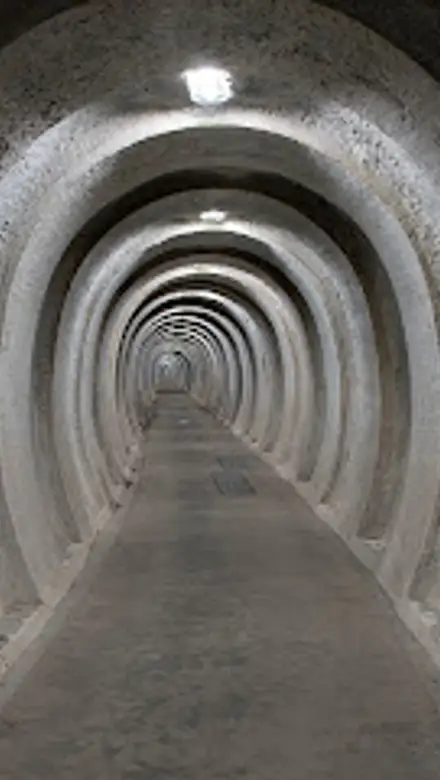
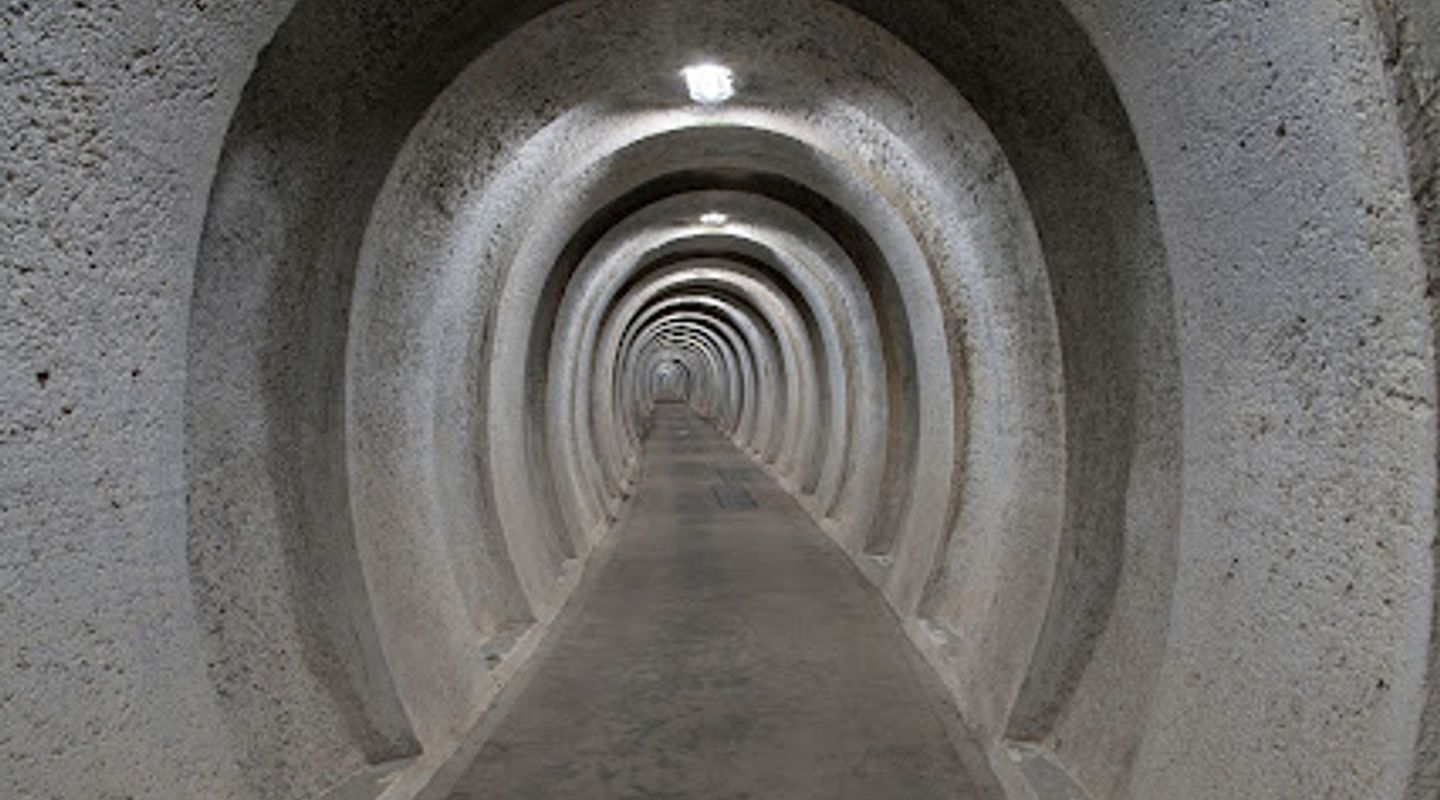
Descend 60 meters beneath a chalk hillside to explore REGAN Vest, Denmark's secret Cold War bunker built in the 1960s to shelter the government and royal family during nuclear war. This fully intact, authentically furnished underground complex spans 5,500 square meters and includes the government's situation room, the regent's quarters, and period-preserved living spaces. Guided tours reveal the bunker's original interiors, while the adjacent 1980s-style caretaker's villa and modern exhibition building provide context on Danish Cold War life and preparedness.
A brief summary to Koldkrigsmuseet REGAN Vest
- Røde Møllevej 26, Skørping, 9520, DK
- Click to display
- Click to display
- Duration: 2.5 to 4 hours
- Mid ranged
-
 Mixed
Mixed
- Mobile reception: 4 out of 5
- Monday 9:30 am-8 pm
- Tuesday 9:30 am-8 pm
- Wednesday 9:30 am-8 pm
- Thursday 9:30 am-8 pm
- Friday 9:30 am-8 pm
- Saturday 9:30 am-8 pm
- Sunday 9:30 am-8 pm

Know before you go
Hi, I'm Eve. Here are a few practical things to know before exploring Koldkrigsmuseet REGAN Vest.
- Bunker access is by guided tour only and requires advance online booking. Tours have strict capacity limits due to safety regulations, so book well ahead, especially during peak season (February–November).
- Bring warm clothing. The bunker maintains a temperature around 10°C (50°F) year-round, even in summer. Layers are essential for comfort during the tour.
- Plan 3+ hours for a full visit including the guided bunker tour, the 1980s villa, exhibitions, and café. Consider pre-ordering food with your ticket to avoid delays.
- Parking is limited. The museum recommends carpooling and considerate parking to ensure space for all visitors. Arrive early or use public transport if possible.
- The nearby Rebild Centre has a complementary Cold War exhibition and is worth combining with your visit for deeper context on Danish Cold War history.
Do you manage this location?
Take control to get all the benefits, like improved information, better appearance, and stronger visibility across AI-powered discovery. Learn more about listing your business on Evendo
Activate your presenceOther nearby places you may find interesting
The closest places of the same kind, if this one is not quite what you had in mind.
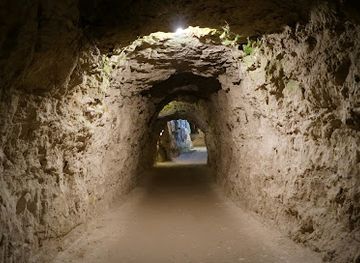
Explore Koldkrigsmuseet REGAN Vest on the Map
A handpicked selection of must-see spots near Koldkrigsmuseet REGAN Vest, mapped for you.
Getting There
-
Bus from Aalborg
Regional buses connect Aalborg city center to Skørping, approximately 45–60 minutes depending on route and stops. Services run several times daily. Fare approximately 80–120 DKK. Journey involves at least one transfer. Check local transit schedules as frequency varies seasonally.
-
Car rental from Aalborg
Rent a car from Aalborg airport or city center (daily rates from 300–600 DKK). Drive north on E45 toward Skørping, approximately 50 kilometers, taking 45–60 minutes. Follow signs to Røde Møllevej. Limited parking available at the museum; carpooling recommended.
-
Taxi or ride-share from Aalborg
Taxi or ride-share services from Aalborg city center to Skørping cost approximately 400–600 DKK and take 45–60 minutes depending on traffic. Services available 24/7, though advance booking recommended for early morning or late evening.
-
Guided tour package from Aalborg hotels
Many Aalborg hotels and tour operators offer organized day trips to REGAN Vest, including transport and guided access. Packages typically cost 600–1,200 DKK per person and include pickup, bunker tour, and return. Booking through your accommodation or local tourism offices recommended.
For the on-the-go comforts that matter to you
-
 Restrooms
-
 Drink Options
-
 Food Options
-
 Seating Areas
-
 Information Boards
-
 Visitor Center
Discover more about Koldkrigsmuseet REGAN Vest
A Hidden Fortress Beneath the Earth
Regan Vest lies concealed 60 meters underground, buried beneath a nondescript chalk hillside in Skørping, North Jutland. Built in absolute secrecy during the 1960s, this 5,500-square-meter bunker was designed to protect Denmark's government, senior officials, and the reigning monarch—approximately 350 people in total—in the event of nuclear war. The facility remained unknown to the public for decades, a silent testament to Cold War anxieties and state preparedness. Today, it stands as one of Europe's most extraordinary preserved examples of Cold War architecture and planning, offering visitors an unfiltered glimpse into the era's existential tensions.Stepping Into the Bunker's Original World
The bunker's most striking feature is its complete preservation. Every room remains furnished exactly as it stood ready for occupation, frozen in time with all original interiors intact. Guided tours—the only way to access the bunker due to safety regulations—lead visitors through the government's situation room, where crisis decisions would have been made; the regent's private quarters; communication departments; dining facilities; and common areas. The architectural design reflects both the technological sophistication and psychological pressures of the era, with reinforced concrete walls, sealed systems, and self-contained infrastructure designed to sustain occupants for extended periods. Walking these corridors, you experience not a reconstructed museum but an authentic artifact of Cold War governance.The Caretaker's Villa and Everyday Life Under Threat
At ground level, a modest yellow-brick villa marks the bunker's entrance. This was the residence of the facility's chief engineer, whose official role provided cover for the bunker's existence. Today, the villa is furnished as a typical 1980s Danish home, inviting visitors to sit in period furniture, watch vintage television, play Pong, and browse era-appropriate magazines. This intimate domestic setting creates a poignant counterpoint to the bunker below, illustrating how Cold War anxieties permeated ordinary family life and domestic spaces. The contrast between the villa's everyday normalcy and the apocalyptic purpose of the structure beneath it encapsulates the psychological duality of Cold War existence.Exhibition, Café, and Contextual Understanding
The modern welcome building houses thematic exhibitions that situate REGAN Vest within broader Cold War history, exploring Denmark's strategic position, international tensions, civil defense policies, and the bunker's unique engineering. A Cold War cinema screens original documentary footage and period reportage. The on-site café serves hot and cold beverages, cakes, sandwiches, and traditional Danish smørrebrød, with advance ordering available. A well-stocked museum shop offers books, posters, and historically themed souvenirs. These facilities transform the visit from a purely historical tour into a reflective experience, allowing visitors time to process the profound implications of the site.The Forest Path and Seasonal Access
An accessible forest trail winds through the surrounding Rold Forest, offering free entry and a contemplative walk through the landscape that conceals this extraordinary structure. The trail provides an alternative way to experience the site's setting and natural context. The museum operates seasonally, closing during winter months and reopening in early spring, aligning with Denmark's climate and visitor patterns. Advance online booking is mandatory for bunker access due to strict capacity limits imposed by safety authorities.A Living Archive of Cold War Mentality
REGAN Vest transcends typical museum conventions by preserving not just objects but an entire operational system and mindset. It documents the era's technological capabilities, strategic thinking, and the psychological burden of nuclear deterrence on state leadership. The site's meticulous preservation allows visitors to understand how governments prepared for scenarios they desperately hoped would never occur, revealing the human dimensions of geopolitical conflict through architecture, furnishings, and spatial design.More to explore near Koldkrigsmuseet REGAN Vest













Your all‑in‑one travel companion app
Explore expert travel guides, compare and book tours, experiences, hotels, and more—all from the palm of your hand. Download now for seamless trip planning wherever your wanderlust takes you.


Explore More of North Jutland
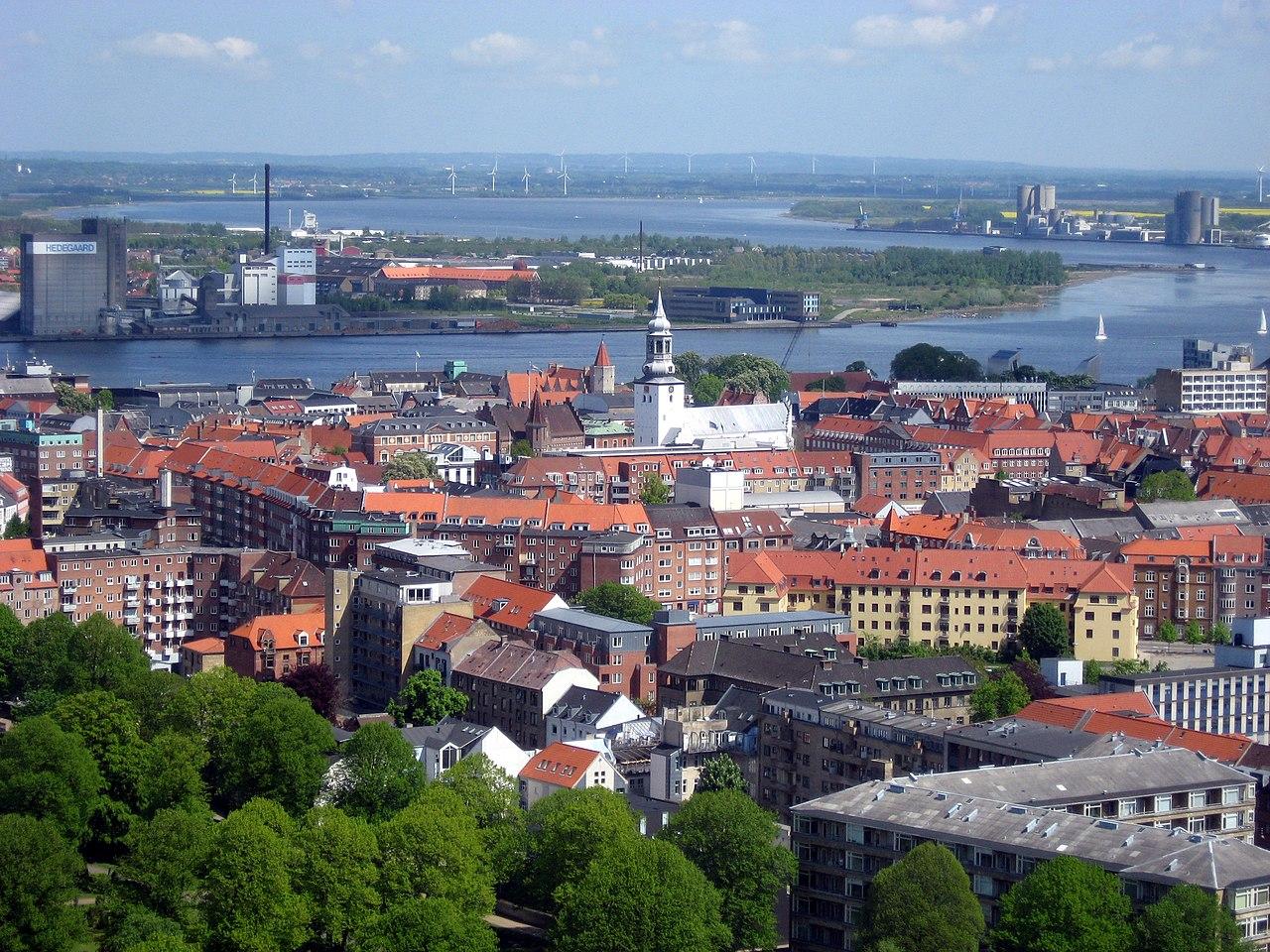
Looking beyond Koldkrigsmuseet REGAN Vest? Discover North Jutland for broader travel guides, local hot-spots, and regional highlights.
Explore North Jutland
A small, magical pocket of Rold Skov where centuries‑old, twisted beech “troll trees” turn an ordinary forest walk into a quietly enchanting woodland adventure.
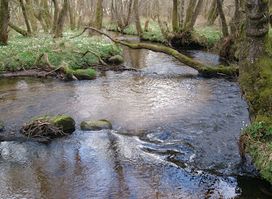
A hidden artesian spring deep in Rold Forest, where crystal-clear groundwater bursts to the surface and transforms with the seasons into living water and sculpted ice.