
Rold Skov, North Jutland Travel Guide
Denmark’s largest contiguous forest: a rolling mosaic of conifers, old beech stands, springs, lakes and sinkholes that turns a day outdoors into a quietly wild adventure.
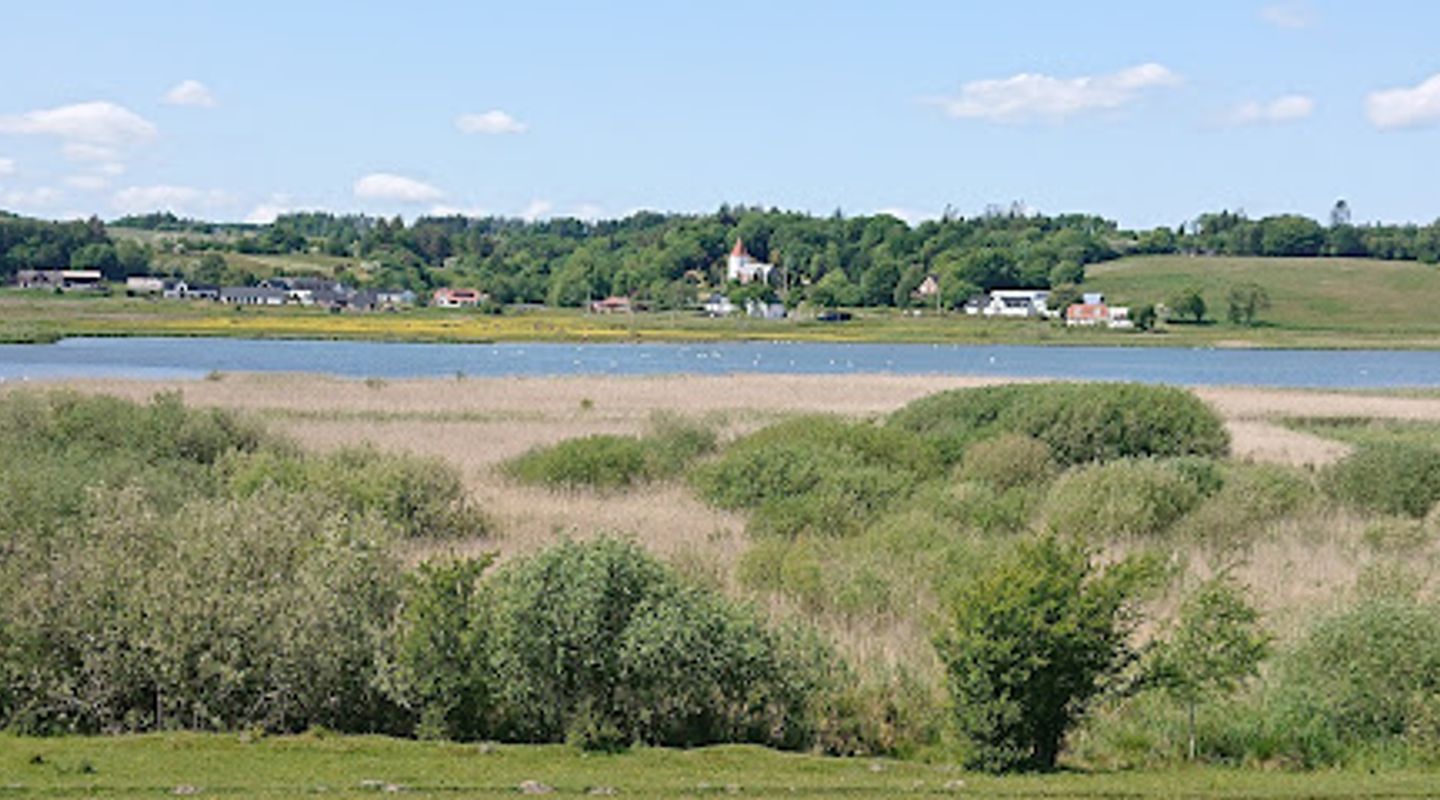
Rold Skov is Denmark’s largest contiguous forest, a sweeping 8,000-hectare woodland draped over glacial hills in Himmerland near Skørping. A mosaic of dense conifers, old beech groves, heather hills, lakes and crystal-clear springs makes it one of the country’s most atmospheric nature destinations. Trails for hiking and mountain biking crisscross the forest, while rare orchids, red deer and dramatic sinkholes add a sense of wilderness and quiet drama just inland from northern Jutland’s towns.
A brief summary to Rold Skov
- Skørping, 9520, DK
- Click to display
- Click to display
- Duration: 2 to 8 hours
- Free
-
 Outdoor
- Mobile reception: 4 out of 5

Know before you go
Hi, I'm Eve. Here are a few practical things to know before exploring Rold Skov.
- Bring sturdy, waterproof footwear: trails can be rooty, muddy and uneven, especially near springs, bogs and sinkholes.
- Pack layers and a windproof jacket; weather changes quickly under the mixed canopy and exposed heather hills.
- Carry water and snacks, as facilities are scattered and you may be far from kiosks or cafes once you are on the trails.
- If you hope to see wildlife such as deer or woodpeckers, visit early or late in the day and keep noise to a minimum.
- Stay on marked paths around sensitive habitats and never pick orchids or other protected plants, which are strictly safeguarded.
Do you manage this location?
Take control to get all the benefits, like improved information, better appearance, and stronger visibility across AI-powered discovery. Learn more about listing your business on Evendo
Activate your presenceOther nearby places you may find interesting
The closest places of the same kind, if this one is not quite what you had in mind.
Explore Rold Skov on the Map
A handpicked selection of must-see spots near Rold Skov, mapped for you.
Getting There
-
Regional train and local walk from Aalborg
From Aalborg, take a regional train on the line towards Aarhus and get off at Skørping Station; trains typically run at least once an hour and the journey takes about 25–35 minutes. Standard adult tickets usually cost around 60–90 DKK one way, depending on time and fare type. From Skørping, signed forest access points and trails lead into Rold Skov on foot; expect 15–30 minutes of easy walking on mixed forest tracks and paved paths, which are generally suitable for most visitors but may be uneven in places.
-
Car from Aalborg or Hobro
Driving from Aalborg or Hobro, follow main regional roads towards Skørping and Rebild, where multiple public parking areas give direct access to Rold Skov. The drive from Aalborg takes roughly 30–40 minutes, and from Hobro about 25–35 minutes in normal traffic. Parking at designated forest car parks is generally free, but spaces can fill up around popular trailheads on sunny weekends and holidays, so arrive earlier in the day if you want a spot close to the main paths.
-
Bus from regional towns
Several regional bus routes connect towns such as Aalborg and Støvring with stops in or near Skørping and Rebild, on the edge of Rold Skov. Journey times are typically 40–60 minutes depending on route and time of day, with single tickets usually in the range of 30–70 DKK. Services may be less frequent in the evenings and on weekends, so check the timetable in advance and plan your hike to finish in time for your return bus.
For the on-the-go comforts that matter to you
-
 Restrooms
-
 Drink Options
-
 Drinking Water
-
 Food Options
-
 Seating Areas
-
 Sheltered Areas
-
 Picnic Areas
-
 Trash Bins
-
 Information Boards
-
 Visitor Center
Discover more about Rold Skov
A vast northern forest shaped by ice and chalk
Rold Skov spreads across a high moraine plateau in Himmerland, its undulating terrain carved by the last Ice Age and sliced north to south by the deep valley of the Lindenborg River. Here, sandy and gravelly soils alternate with chalk and limestone laid down more than 60 million years ago, creating an unusually varied landscape for Denmark. The difference in elevation between river valley and plateau may be modest in absolute terms, but it is enough to give the forest a surprisingly dramatic feel.Beneath the trees, the calcareous subsoil has produced one of Rold Skov’s most striking features: sinkholes. Over centuries, slightly acidic rainwater has dissolved the chalk bedrock, leading to sudden collapses of the surface layer. Hollows four or five metres across are common in parts of the forest and lend certain areas a mysterious, pitted character that feels far removed from the tidy fields of surrounding Jutland.Forest mosaics, lakes and legendary clear springs
Rold Skov is not a single uniform wood but a patchwork of named forests such as Hesselholt, Nørreskov, Nørlund Skov and Rold Vesterskov. Large stands of conifers cloak the higher, drier ground, while pockets of old beech forest bring a softer, cathedral-like atmosphere, especially in late spring when fresh leaves filter the light into luminous green. West of the plateau, lakes like Madum Sø and Økssø form calm, reflective basins, fringed by reeds and scented pine.Along the forest’s slopes, a string of powerful springs feeds streams and wetlands. Places like Lille Blåkilde and Ravnkilde are known for extraordinarily clear water, coloured in shades of turquoise and bottle green by sand and aquatic plants. Even in winter these springs stay ice-free and vibrant, offering a subtle splash of colour on a grey day and an inviting focal point on many walking routes.Wildlife encounters and rare botanical treasures
As Denmark’s largest original forest complex, Rold Skov shelters a rich community of animals. Red and roe deer move quietly between cover and clearings, foxes and badgers patrol the edges of rides, and otters slip almost invisibly along streams and lake shores. Birdlife ranges from woodpeckers and nuthatches in older woodland to buzzards quartering the slopes and tawny owls calling after dark. Patient visitors who sit quietly often notice more than a first glance suggests.Botanically, the forest is equally rewarding. In conifer-dominated areas the ground flora can be sparse, but where chalk rises close to the surface, orchids and other specialists thrive. The rare lady’s-slipper orchid and red helleborine are among the most prized species, joined by plants of heaths, bogs and lime-rich meadows. Nearby Rebild’s heather hills and restored raised bogs extend the range of habitats, underscoring why the wider area is protected within the Natura 2000 network and as a Ramsar wetland.Human stories in an old working landscape
Despite its wild feel, Rold Skov has long been a working forest. Three major estates still own most of the land, with the remainder managed by the Danish Nature Agency. Historical dykes and sunken lanes crisscross the woods, reminders of centuries of agriculture, timber use and grazing. In the 19th century, strict forest protection laws were introduced to halt over-exploitation, defining clear boundaries between woodland and fields that are still obvious today.More recent decades have seen a shift towards close-to-nature forest management in state-owned areas. Selective felling, natural regeneration, and the deliberate retention of deadwood all aim to increase structural diversity and improve habitats for fungi, insects and cavity-nesting birds. Old-growth pockets of beech, untouched zones and forest pastures with cattle form a living demonstration of how conservation and forestry can coexist.Experiencing Rold Skov on foot, by bike and through the seasons
For visitors, Rold Skov is both accessible and surprisingly expansive. Waymarked trails thread the forest, from short, family-friendly loops to more demanding routes that link heather slopes, springs and viewpoints. Dedicated mountain bike tracks twist through conifer stands and along ridges, while quieter paths invite slow, contemplative walks under tall beeches or across airy heath. Lakeside clearings offer natural picnic spots, and the sheer size of the forest means it is usually possible to find a peaceful corner.Seasonality shapes the atmosphere. In spring, emerging leaves and birdsong dominate; summer brings longer days, dragonflies dancing over lakes and cool refuge under dense canopies; autumn paints beeches gold and copper, scattering crunchy leaves underfoot; winter highlights the structural beauty of trunks, frozen bog edges and ever-green conifers. Whether you come for a brisk half-day walk or a full-day immersion, Rold Skov rewards time and quiet attention.












Your all‑in‑one travel companion app
Explore expert travel guides, compare and book tours, experiences, hotels, and more—all from the palm of your hand. Download now for seamless trip planning wherever your wanderlust takes you.


Explore More of North Jutland
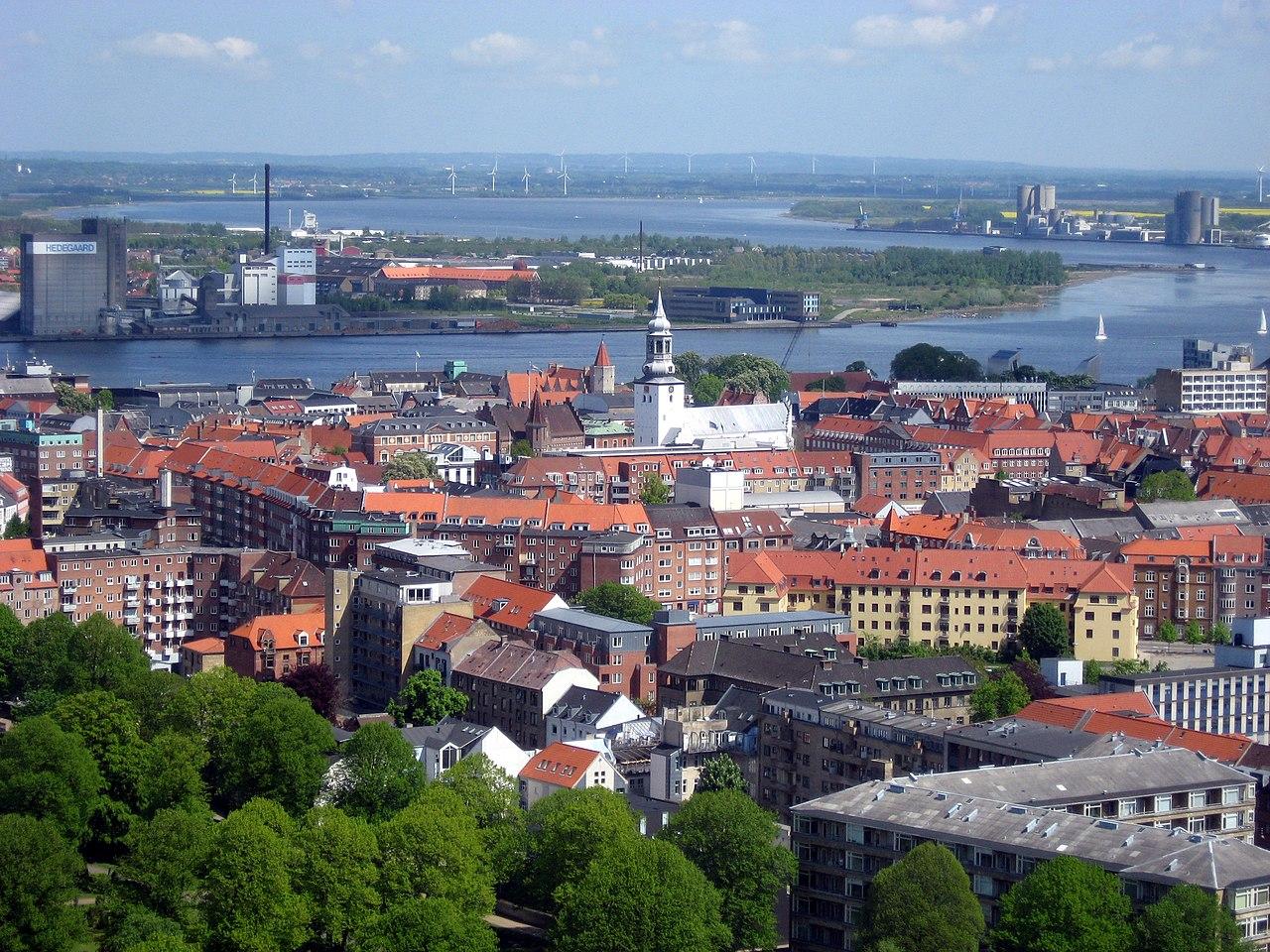
Looking beyond Rold Skov? Discover North Jutland for broader travel guides, local hot-spots, and regional highlights.
Explore North Jutland