

Thingbæk Chalk Mines / Rebild Center Travel Guide
Free Guide: An atmospheric limestone mine turned sculpture museum, paired with geology and Cold War exhibits in the Rebild hills, where art, stone, and history meet underground.


A brief summary of Thingbæk Chalk Mines / Rebild Center
An atmospheric limestone mine turned sculpture museum, paired with geology and Cold War exhibits in the Rebild hills, where art, stone, and history meet underground.
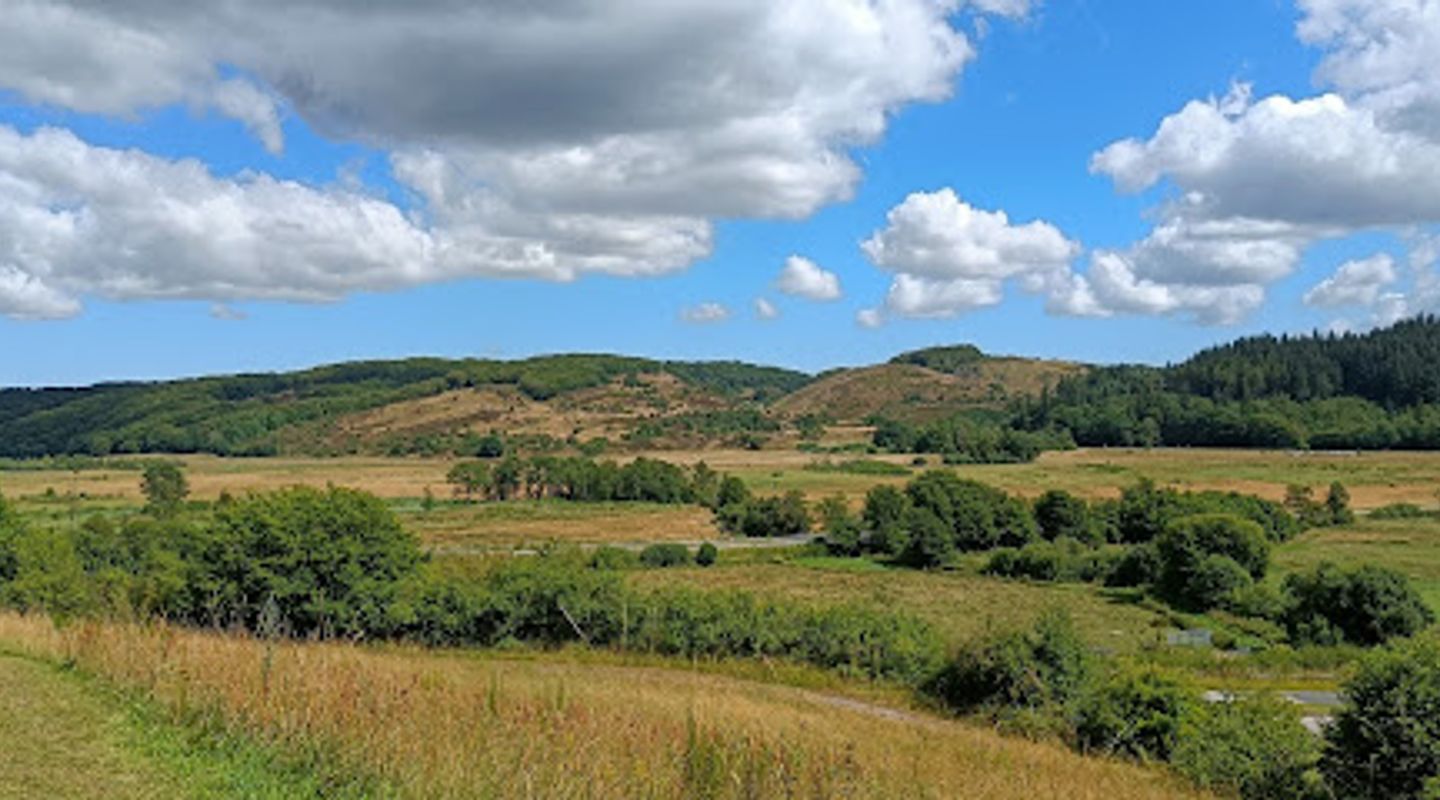
Set in the rolling countryside near Skørping, Thingbæk Chalk Mines & Rebild Center combines an atmospheric underground limestone mine with a sculpture museum, geological exhibits, and stories from Denmark’s Cold War past. Wander candlelit tunnels lined with plaster and bronze works by noted Danish sculptors, then step back into daylight to explore the adjacent Rebild Center’s exhibitions on limestone, springs, and the secret REGAN Vest bunker. It is an unusual blend of nature, art, and recent history in one compact, evocative site.
On-site amenities
 Restrooms
 Drink options
 Drinking water
 Food options
 Seating areas
 Sheltered areas
 Trash bins
 Information boards
 Visitor centre
Opening hours
- Mon10 am–4 pm
- Tue10 am–4 pm
- Wed10 am–4 pm
- Thu10 am–4 pm
- Fri10 am–4 pm
- Sat10 am–5 pm
- Sun10 am–4 pm
Opening hours as listed on the venue’s Google Business Profile. Hours can change for services and special events, so check with the venue before you go.
- Address
- Røde Møllevej 4, 9520 Skørping
- Phone
- Website
Getting there
Regional train and local bus from Aalborg
Car from Aalborg and North Jutland
Cycling from Skørping and Rebild area
Discover more about Thingbæk Chalk Mines / Rebild Center
From Working Mine to Atmospheric Sculpture Cavern
Thingbæk began life in the 1920s as a limestone mine, part of a long local tradition of quarrying the soft white rock that underpins this corner of northern Jutland. For several decades the tunnels echoed with the clink of tools and carts as blocks of chalk were cut from the walls and hauled to the surface. By 1960, falling profitability brought extraction to an end, leaving behind a maze of lofty galleries with a constant cool temperature and softly dripping ceilings.As early as the 1930s, the mine was opened to the public and transformed into a setting for sculpture. Today you enter a dim, almost theatrical world where gypsum figures by Anders Bundgaard, bronze works by Carl Johan Bonnesen, and reliefs carved directly into the limestone create a surreal underground gallery. Many pieces are models for well-known monuments around Denmark, so you can stand almost nose-to-nose with smaller versions of figures that appear on city squares and fountains across the country.
Art, Light, and the Chilly Magic of the Underground
Inside the mine, the climate is stable and distinctly cool, holding roughly the same temperature throughout the year. The air carries a faint mineral scent, and the crunch of gravel underfoot is often the loudest sound. Candles and discreet spotlights pick out the pale sculptures against rough rock, throwing long shadows that shift as you move. The effect is both intimate and grand: human figures, animals, and mythic scenes seem to emerge directly from the geology.Temporary installations sometimes complement the permanent works, highlighting textures of chalk and gypsum or experimenting with sound and light in the cavernous halls. In winter, the darkness deepens and the mine becomes a refuge not only for art but also for bats that hibernate among the galleries. During selected seasons, the space is occasionally used for concerts or special events, where music reverberates off the stone walls with remarkable clarity.
Rebild Center: Geology, Springs, and Cold War Stories
Above ground, the Rebild Center expands the story beyond the mine itself. Exhibitions explain how ancient seas laid down the thick chalk layers that were later shaped by water into springs and valleys. Displays about limestone show its many uses, from building material to fertilizer, and help make sense of the landscape visitors see on their way here. The surrounding protected area, with its slopes and woods, is part of the broader Rebild region, known for its natural springs and clear streams.Another major theme is the Cold War. A large exhibition introduces REGAN Vest, Denmark’s once-secret emergency command bunker hidden elsewhere in the region. Through models, objects, and interpretive panels, the Rebild Center gives context to that subterranean facility: why it was built, how it might have been used, and what everyday life would have looked like behind blast doors. Even without visiting the actual bunker, you gain a tangible sense of the tension and preparations that shaped Denmark in the second half of the 20th century.
Nature Trails, Land Art, and Seasonal Wildlife
Around the mine and museum, footpaths lead into the surrounding hills and forest. A short walk up the slope reveals land art pieces crafted from natural materials – branches, stones, turf – that slowly break down and return to the landscape. These works echo the subterranean sculptures while emphasizing cycles of growth and decay on the surface. The setting invites slow exploration: open glades, patches of woodland, and glimpses of the wider Rebild countryside.Thingbæk’s wildlife adds another layer of interest. Several species of bats use the mine as a winter roost, retreating underground as the weather turns cold and emerging again in spring. Interpretive material helps explain their role in the local ecosystem and why the mine’s stable microclimate is so important for them. Visitors at different times of year experience the site differently: in summer the contrast between warm hillsides and cool tunnels is striking, while in colder months the mine feels like an oddly sheltered world.
Planning Your Visit to This Subterranean Landmark
The complex is compact enough to explore in a few hours, yet varied enough to reward a longer, more reflective stay. Many visitors combine time in the mine with a circuit through the Rebild Center’s exhibitions and a leisurely walk in the surrounding landscape. The underground sections involve some uneven surfaces and cooler temperatures, so practical footwear and an extra layer of clothing are useful even on bright days.Interpretive signs and displays guide you through the site’s different themes without overwhelming detail, allowing you to focus on the sensory experience of being underground among sculptures or standing in front of Cold War artifacts. With its blend of geological heritage, art, and modern history, Thingbæk Chalk Mines & Rebild Center stands out as one of Denmark’s more unusual cultural landscapes – a place where the ground beneath your feet becomes both museum and storyteller.
Evendo Review Centre
 Google
Guest reviews
Best time to go
Quietest: Jan, Feb & Nov · before 8am or at 8pm
Busy times are Evendo estimates for a typical year, to help you plan. Actual crowds vary with events, school holidays and the weather.
Explore Thingbæk Chalk Mines / Rebild Center on the map
A handpicked selection of must-see spots near Thingbæk Chalk Mines / Rebild Center, mapped for you.
Get your free copy of our complete guide to Thingbæk Chalk Mines / Rebild Center, delivered straight to you.
Everything on this page, from opening hours and how to get there to Eve’s tips and the best time to go, in one PDF you can read offline, print or share.
Already have an account? Sign in
Your Thingbæk Chalk Mines / Rebild Center guide is ready.
We'll send it to · Not you? Sign out

Getting your guide ready…
We are putting together a fresh copy of the Thingbæk Chalk Mines / Rebild Center guide. This can take up to a minute.
This can take a few moments. If your browser asks, choose Allow so the download can start. You'll find the guide in your Downloads folder.
Nothing happened? Download it again
Sorry, the guide is taking longer than usual. Please try again in a minute, or get it by email instead.
Other nearby places you may find interesting
The closest places of the same kind, if this one is not quite what you had in mind.
-
Museum Rebild Where Danish emigration stories meet transatlantic friendship in historic northern Jutland hills.
-
Rebild National Park Denmark's historic heathland where glacial hills meet Danish-American heritage and Europe's finest certified hiking trails.
-
Skovtårnet Modest in height but rich in views, Skovtårnet lifts you above Rold Skov’s twisted pines for wide horizons over Rebild’s hills and valleys in every season.
-
Røverknolden Artistic forest playground where imagination meets adventure in Denmark's largest woodland.
-
Gravlev Kilde One of Denmark’s largest basin springs, where crystal-clear turquoise water wells up from chalk depths to feed a wildlife-rich brook and lake in Gravlev Valley.
Swipe for more places
More to explore near Thingbæk Chalk Mines / Rebild Center
-
 Best experiences near Thingbæk Chalk Mines / Rebild Center
-
 Best hotels near Thingbæk Chalk Mines / Rebild Center
-
 Best landmarks near Thingbæk Chalk Mines / Rebild Center
-
 Best attractions near Thingbæk Chalk Mines / Rebild Center
-
 Best shops near Thingbæk Chalk Mines / Rebild Center
-
 Best restaurants near Thingbæk Chalk Mines / Rebild Center
-
 Best bars near Thingbæk Chalk Mines / Rebild Center







Do you manage this location?
Take control to get all the benefits, like improved information, better appearance, and stronger visibility across AI-powered discovery.
Explore more

Explore more of Rold Skov
Explore Rold Skov, Denmark's largest forest, teeming with ancient trees, diverse wildlife, and a wealth of outdoor activities for nature lovers and history enthusiasts alike.
Explore Rold Skov
Explore more of Denmark
Discover Denmark: A perfect blend of history, modern design, and the cozy concept of hygge. Explore vibrant cities, serene landscapes, and world-class cuisine.
Explore Denmark
