Lakolk strand Travel Guide
Free Guide: Endless North Sea sand, tidal drama and kite-filled skies on one of Europe’s widest beaches at Lakolk Strand on the Danish island of Rømø.


A brief summary of Lakolk strand
Endless North Sea sand, tidal drama and kite-filled skies on one of Europe’s widest beaches at Lakolk Strand on the Danish island of Rømø.
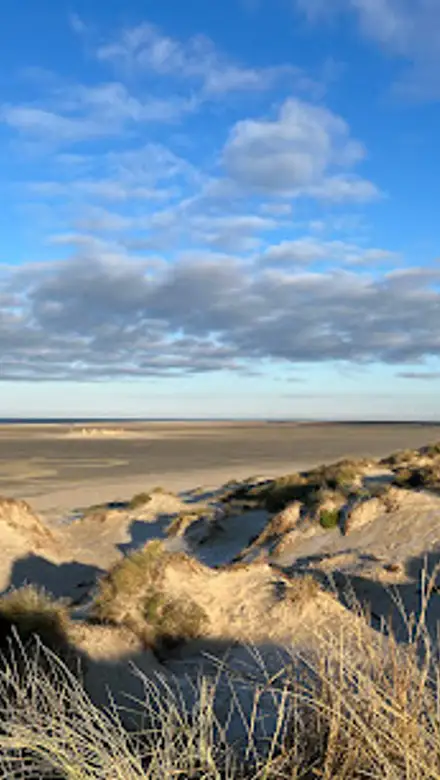
Lakolk Strand on the Danish island of Rømø is one of Europe’s widest sandy beaches, a vast tidal landscape on the edge of the Wadden Sea. Here the North Sea rolls in across hard-packed sand where cars can drive right onto the shore, kites dance in the steady wind, and shallow pools create safe paddling spots for children. Between dune ridges, wide horizons and ever‑changing light, the beach offers space for both quiet walks and high‑energy activities like kite flying, surfing and beach sailing.
On-site amenities
 Restrooms
 Seating areas
 Sheltered areas
 Trash bins
 Information boards
 Visitor centre
Opening hours
- Every dayOpen 24 hours
Opening hours as listed on the venue’s Google Business Profile. Hours can change for services and special events, so check with the venue before you go.
- Address
- 6792 Rømø
Getting there
Car from mainland Jutland
Regional bus connection
Cycling on Rømø
Discover more about Lakolk strand
A North Sea Beach on a Grand Scale
Lakolk Strand stretches for kilometres along Rømø’s western coast, forming part of the UNESCO-listed Wadden Sea landscape. At low tide the beach can feel almost endless, a huge, firm sand plain where the sea retreats far into the distance. The sheer width is its signature: there is space for cars, kiters, walkers and families to spread out without disturbing one another. Even on busy summer days, the horizon still feels wide open and the sky dominates the scene.This openness makes the light here striking. Clouds sweep across the North Sea, casting moving shadows over the sand, while the flat landscape amplifies every colour shift in the sky. On calm days the wet sand mirrors the clouds, creating a sense of walking between sea and sky. When the wind picks up, waves roll in with a steady roar, reminding you that this is an exposed and powerful stretch of coast.
Wadden Sea Nature and Tidal Drama
Lakolk is deeply shaped by the Wadden Sea’s tides, which constantly redraw the shoreline and create shallow lagoons, channels and sandbanks. At low tide, broad, shallow pools remain on the sand, ideal for children to splash in and for wading barefoot. The tide also exposes mudflats rich in life, attracting shorebirds that probe the sand for worms and shellfish. In the distance, sandbanks appear and disappear over the course of a single day.Rømø’s coastline forms part of a protected natural area, home to migratory birds and adapted coastal plants on the drier dunes. Grazed salt meadows inland help maintain a mosaic of habitats, while management efforts balance visitor access with conservation. Time on the beach naturally follows the rhythm of the tide: plans for long walks, kite flying or simply sitting by the water all shift with the rising and falling sea.
Beach Life, Kites and Driving on the Sand
The hard-packed sand at Lakolk is firm enough for vehicles, and a large zone of the beach is designated for car access. This allows visitors to park directly on the sand, making it easy to bring chairs, windbreaks and plenty of gear. Beyond the vehicle area, wide pedestrian stretches leave room for classic beach activities: swimming in season, sandcastle building and long shoreline strolls.Steady winds and wide open space have turned Lakolk into a favourite for kite enthusiasts and wind-driven sports. Colourful kites often fill the sky, and events bring thousands of flyers and spectators to the shore. Windsurfers and kite surfers make use of the waves and shallows when conditions are right, while beach sailors harness the wind on three-wheeled craft that skim over the flat sand.
Dunes, Boardwalks and Holiday Atmosphere
Behind the beach, low dunes form a buffer between the North Sea and the holiday area of Lakolk. Paths and, in places, boardwalk-style access lead through the marram grass to the broad sand. Between the dunes and the causeway you find summer houses, campsites and small shops that give the area a relaxed, seasonal seaside feel without overshadowing the natural setting.Facilities near the main access include seasonal restrooms, information boards and zones set aside for specific uses such as dog areas or lifeguard-patrolled swimming sections in summer. The layout encourages visitors to keep the most sensitive dune areas undisturbed while still enjoying close contact with the sea.
Practical Beach Experience and Safety
A visit to Lakolk Strand is flexible: you can stop for a quick walk in the wind or spend a full day by the water. The wide, flat beach is generally easy to navigate, though soft patches and tidal channels appear with changing conditions. Local signage outlines where vehicles are allowed and which areas are reserved for bathing or quiet recreation.Because the Wadden Sea is highly tidal, checking local tide information is important, especially if you plan to walk far out or park on the sand for several hours. Weather can change quickly along the North Sea coast, bringing mist or strong gusts. Dressing in layers, bringing windproof clothing and respecting marked zones helps ensure that the vastness of Lakolk Strand remains a memorable and comfortable experience.
Evendo Review Centre
 Google
Guest reviews
Best time to go
Quietest: Jan, Feb & Mar · before 6am
Busy times are Evendo estimates for a typical year, to help you plan. Actual crowds vary with events, school holidays and the weather.
Explore Lakolk strand on the map
A handpicked selection of must-see spots near Lakolk strand, mapped for you.
Get your free copy of our complete guide to Lakolk strand, delivered straight to you.
Everything on this page, from opening hours and how to get there to Eve’s tips and the best time to go, in one PDF you can read offline, print or share.
Already have an account? Sign in
Your Lakolk strand guide is ready.
We'll send it to · Not you? Sign out

Getting your guide ready…
We are putting together a fresh copy of the Lakolk strand guide. This can take up to a minute.
This can take a few moments. If your browser asks, choose Allow so the download can start. You'll find the guide in your Downloads folder.
Nothing happened? Download it again
Sorry, the guide is taking longer than usual. Please try again in a minute, or get it by email instead.
Other nearby places you may find interesting
The closest places of the same kind, if this one is not quite what you had in mind.
-
-
-
-
-


Swipe for more places
More to explore near Lakolk strand

 Best experiences near Lakolk strand
 Best hotels near Lakolk strand
 Best landmarks near Lakolk strand
 Best attractions near Lakolk strand
 Best shops near Lakolk strand
 Best restaurants near Lakolk strand
 Best bars near Lakolk strand
Do you manage this location?
Take control to get all the benefits, like improved information, better appearance, and stronger visibility across AI-powered discovery.
Explore more

Explore more of Rømø
Discover Rømø: Denmark's serene island with expansive beaches, rich Viking history, and thrilling windsurfing adventures in the heart of the Wadden Sea National Park.
Explore Rømø
Explore more of Denmark
Discover Denmark: A perfect blend of history, modern design, and the cozy concept of hygge. Explore vibrant cities, serene landscapes, and world-class cuisine.
Explore Denmark