Stormengene, fuglereservat, Romo Travel Guide
A windswept Wadden Sea marsh at Rømø’s southern tip, Stormengene blends wild birdlife, open horizons and subtle conservation in one compact coastal reserve.
Stormengene is a windswept bird reserve on the southern tip of Rømø, where undiked Wadden Sea marsh and salt meadows create prime habitat for ducks, geese and waders. Owned and managed by Fugleværnsfonden, the 36–40-hectare area is a haven for breeding and migrating birds, from yellow wagtails and lapwings to curlews and rare passage migrants. Low dikes, grazing cattle and big skies frame wide views that make Stormengene one of Denmark’s most evocative places for quiet birdwatching and coastal walks.
A brief summary to Stormengene, fuglereservat
- Stormengevej, Rømø, Havneby, 6792, DK
- Click to display
- Click to display
- Duration: 1 to 3 hours
- Free
-
 Outdoor
- Mobile reception: 3 out of 5

Know before you go
Hi, I'm Eve. Here are a few practical things to know before exploring Stormengene, fuglereservat.
- Bring binoculars or a spotting scope; many of the most interesting waders and ducks are best appreciated from the dike or viewing points at a distance.
- Wear waterproof or sturdy footwear, as ground conditions on the marshy paths can be soft, uneven and muddy after rain or high tides.
- Plan visits in spring, late summer or autumn for peak bird activity, and check local information for any seasonal breeding-area restrictions.
- Pack windproof layers; the exposed southern tip of Rømø can feel significantly cooler and breezier than more sheltered parts of the island.
- Use the information shelter near the main parking area to get an overview of current species and walking options before you head out.
Do you manage this location?
Take control to get all the benefits, like improved information, better appearance, and stronger visibility across AI-powered discovery. Learn more about listing your business on Evendo
Activate your presenceOther nearby places you may find interesting
The closest places of the same kind, if this one is not quite what you had in mind.

Explore Stormengene, fuglereservat on the Map
A handpicked selection of must-see spots near Stormengene, fuglereservat, mapped for you.
Getting There
-
Car from central Rømø (Kongsmark/Juvre area)
Driving from central Rømø to Stormengevej takes around 15–25 minutes, depending on starting point and seasonal traffic. Follow the island’s main north–south route towards Havneby and then continue to the signed Stormengevej area, where there is a large, free gravel parking area near the dike. There are no entrance fees to the reserve itself, but fuel costs apply for the journey.
-
Car from Skærbæk on the mainland
From Skærbæk, the drive across the Rømø causeway and down to Stormengevej usually takes 30–40 minutes. The route uses standard public roads and the toll-free causeway. Parking at Stormengevej is free, and visiting the reserve costs nothing; budget mainly for fuel, which for a return trip in a typical rental car will usually fall in the 60–120 DKK range depending on vehicle and prices.
-
Bus and walking from Rømø Ferry Terminal (Havneby)
If you arrive by ferry to Havneby and use local buses, check current island bus routes and timetables to reach the Havneby area and alight near the Stormengevej junction. From typical bus stops in Havneby, expect a walk of 20–40 minutes on level surfaces to reach the main access and parking area by the dike. Bus fares on Rømø and the connecting mainland network usually range between 20–60 DKK per journey, depending on distance and ticket type.
-
Cycling on Rømø
Cycling from accommodation elsewhere on Rømø to Stormengevej is a popular option in mild weather. From many central island locations, the ride takes roughly 20–45 minutes each way on mostly flat roads and cycle-friendly surfaces. There is no dedicated bike parking infrastructure at the reserve, but bicycles can be left at the edge of the parking area or near the dike. Use lights and reflective gear outside daylight hours and be prepared for strong crosswinds on exposed stretches.
For the on-the-go comforts that matter to you
-
 Seating Areas
-
 Sheltered Areas
-
 Picnic Areas
-
 Trash Bins
-
 Information Boards
Discover more about Stormengene, fuglereservat
Windswept Marsh at the Edge of the Wadden Sea
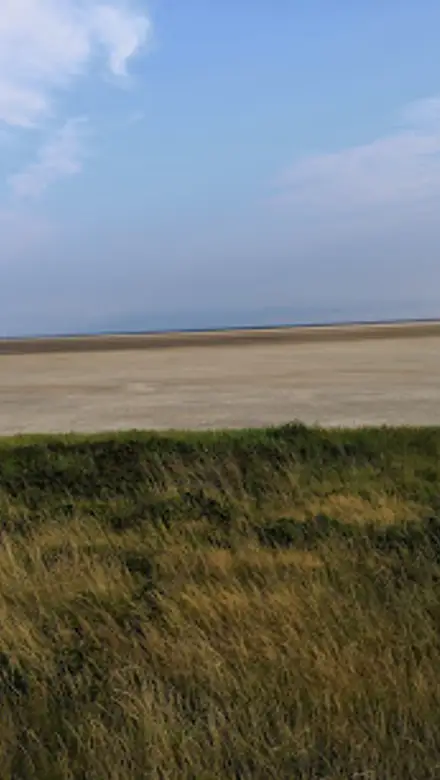
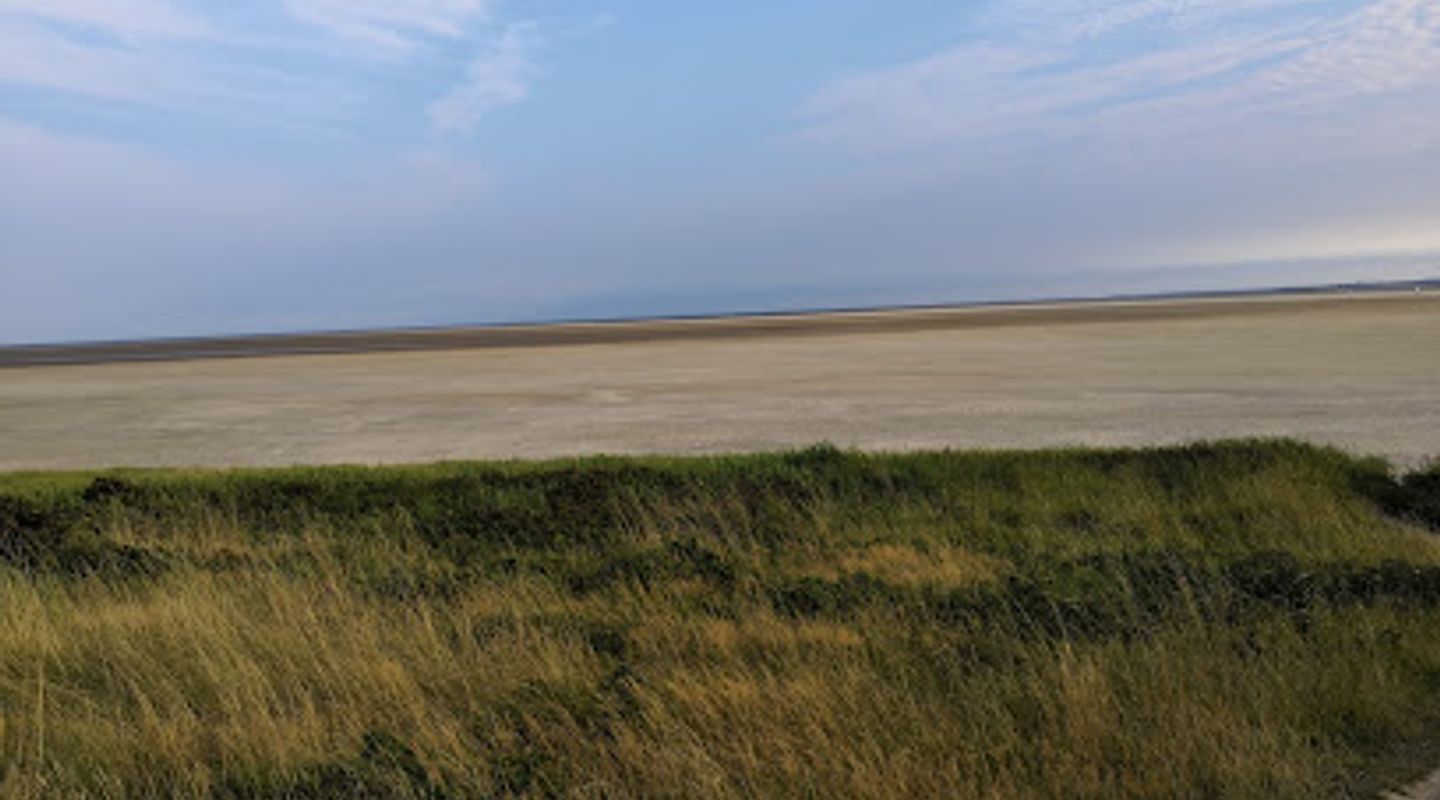
Stormengene stretches across open salt marsh and beach meadow at the southern tip of Rømø, right where the island melts into the tidal flats of the Wadden Sea. This is one of the few remaining natural marsh formations in the entire Wadden Sea region, giving you a rare glimpse of how the coastline looked before large-scale diking and land reclamation reshaped it. At high tide, shallow channels glint with seawater; at low tide, mudflats and meandering creeks emerge like a grey-brown mosaic.The reserve covers roughly three to four dozen hectares of undiked marshland and strandeng, framed on one side by the Havneby sea dike. Built in the early 20th century and recently heightened, the dike protects the island from storm surges while also serving as a natural viewing platform over the reserve and the tidal landscape beyond.A Sanctuary for Waders, Ducks and Small Songbirds
Stormengene is primarily known as a bird reserve, but the diversity within that simple label is striking. In spring and summer, the grasslands and damp hollows host breeding yellow wagtails, redshanks, lapwings, oystercatchers and larks. Curlews call with their bubbling song over the marsh, and eiders and other ducks rest and feed in the nearby tidal waters. During migration, the area becomes a staging ground for thousands of waders and geese moving along the East Atlantic Flyway.Along the scrubby edges at the southern end, a small thicket known to birders as an excellent “kratlusker” spot shelters a variety of passerines. During spring and autumn migration, this patch of vegetation can hold everything from common warblers and flycatchers to scarce visitors from the east. Summer brings a quieter scene, with breeding small birds weaving nests among the branches.Managed Grazing and Living Tidal Landscapes
The apparent wildness of Stormengene is subtly shaped by careful management. Grazing cattle, sometimes joined by a few horses, keep the sward short and patchy, creating the open conditions that many waders need for feeding and nesting. Their hooves and dung attract insects, which in turn support insectivorous birds like the yellow wagtail, a characteristic species of the reserve.Across the marsh you can still see traces of old tidal creeks that once carried water in and out with every tide before dikes curtailed the flooding. These sinuous depressions now hold temporary pools after rain and provide moist feeding grounds rich in worms, snails and other invertebrates. Together, the grazing regime and the remaining tidal features foster high biodiversity in a relatively compact area.Experiencing the Reserve on Foot and From the Dike
Most visitors experience Stormengene at walking pace. The top of the Havneby dike offers an easy, largely level route with expansive views over both the marsh and the Wadden Sea. From here, you can scan for flocks of waders, lines of geese and raptors quartering the grasslands. Closer to the reserve interior, low paths and informal tracks allow you to feel the soft, often slightly damp ground underfoot and to notice details like salt-tolerant plants or the particular calls of each bird species.On the landward side near the main access, a simple shelter with information panels and a picnic table provides a place to pause, learn about the reserve and plan a slow circuit. There are no elaborate facilities or commercial services; the focus is firmly on the landscape itself, the birds that depend on it and the feeling of space, wind and changing light.Seasonal Rhythms and Quiet Conservation
Stormengene changes character through the year. Spring brings courtship flights, territorial calls and the first rush of northbound migrants. Late summer and autumn see mixed flocks feeding up for long journeys south, with occasional rare visitors appearing among them. Winter can be stark and atmospheric, with strong winds, low light and hardy birds hunkering down on the marsh.Behind the scenes, Fugleværnsfonden manages the reserve with a light but deliberate touch: adjusting grazing, protecting sensitive nesting areas and monitoring birdlife. The result is a landscape that feels natural and unforced, where conservation work is present but not intrusive. For travelers, Stormengene offers both a rich birdwatching destination and a contemplative coastal walk at the very edge of Denmark.More to explore near Stormengene, fuglereservat













Your all‑in‑one travel companion app
Explore expert travel guides, compare and book tours, experiences, hotels, and more—all from the palm of your hand. Download now for seamless trip planning wherever your wanderlust takes you.


Explore More of Romo
Looking beyond Stormengene, fuglereservat? Discover Romo for broader travel guides, local hot-spots, and regional highlights.
Explore Romo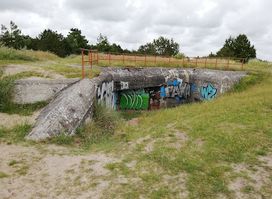
Guided wartime exploration beneath the pines of Rømø, where hidden Second World War bunkers and radar relics meet tranquil dunes, heather and coastal forest.

Coastal links golf on Rømø’s windswept southern edge, pairing a championship 18‑hole layout and relaxed pay‑and‑play course with full resort comforts beside the Wadden Sea.