

Tøndermarsken, Southern Jutland Travel Guide
Endless sky, weaving dikes and swirling starlings: Tøndermarsken is Denmark’s great marshland, where water, wildlife and centuries of borderland culture meet.
Tøndermarsken, on the southwestern edge of Jutland near Tønder, is Denmark’s largest marshland: a wide, horizon‑filled landscape of dikes, canals, meadows and open sky shaped for centuries by the battle with the sea. Part of the Wadden Sea National Park and adjacent to a UNESCO World Heritage coastline, it is famed for rich birdlife, especially the starling “Black Sun” murmurations in spring and autumn, as well as long-distance hiking and cycling routes that connect historic marsh towns, windmills and pumping stations.
A brief summary to Tøndermarsken
- Wegners Pl. 2, Tønder, 6270, DK
- Click to display
- Duration: 2.5 to 8 hours
- Free
-
 Outdoor
- Mobile reception: 4 out of 5

Know before you go
Hi, I'm Eve. Here are a few practical things to know before exploring Tøndermarsken.
- Pack windproof layers and sturdy, waterproof footwear; the marsh is exposed, often muddy underfoot and offers little natural shelter in shifting weather.
- Bring binoculars or a zoom lens to fully enjoy birdlife and the Black Sun murmurations, which often unfold at some distance over the reed beds.
- Carry snacks and water, especially on the Marsh Trail, as cafés and shops are sparse once you leave the towns around Tøndermarsken.
- Stay on marked paths and dikes; ditches can be deep with steep, slippery banks, and parts of the area are protected for wildlife.
- Time a late-afternoon or sunset visit in spring or autumn for the best chance of seeing the dramatic Black Sun starling displays.
Do you manage this location?
Take control to get all the benefits, like improved information, better appearance, and stronger visibility across AI-powered discovery. Learn more about listing your business on Evendo
Activate your presenceOther nearby places you may find interesting
The closest places of the same kind, if this one is not quite what you had in mind.


Explore Tøndermarsken on the Map
A handpicked selection of must-see spots near Tøndermarsken, mapped for you.
Getting There
-
Regional train and local walk from Sønderborg
From Sønderborg, take a regional train to Tønder Station, with typical journey times of 1.5–2 hours and frequent departures throughout the day. A standard adult ticket usually costs around 120–180 DKK one way, depending on time and fare type. From Tønder Station, you can walk 15–25 minutes through town to reach the edge of Tøndermarsken and its dike paths. Surfaces in town are mostly paved, but once you reach the marsh, expect grassy and occasionally uneven tracks that may be challenging in very wet conditions.
-
Public bus from Esbjerg via Ribe
From Esbjerg or Ribe, regional buses connect to Tønder with total travel times typically between 1.5 and 2.5 hours, often requiring a change in Ribe or another hub. Single tickets generally cost in the range of 80–140 DKK depending on your starting point and ticket type. Buses usually set you down near Tønder’s centre or station; from there, allow around 20 minutes on foot to reach marsh viewpoints. Services run year-round but may be less frequent in evenings and on weekends, so check timetables in advance.
-
Car access from the Danish–German border region
If you are already in the border area around Tønder or Højer, driving offers flexible access to various entry points along Tøndermarsken. Travel times from nearby towns are usually 10–40 minutes on flat, well-maintained roads. There is no entrance fee to the marsh itself, but parking at popular access points or in town centres may be time-limited in some places. In winter and during heavy rain, some minor roads and lay-bys can be exposed to strong winds and surface water, so choose safe, designated parking areas before setting out on foot.
For the on-the-go comforts that matter to you
-
 Restrooms
-
 Drinking Water
-
 Seating Areas
-
 Sheltered Areas
-
 Picnic Areas
-
 Trash Bins
-
 Information Boards
-
 Visitor Center
Discover more about Tøndermarsken
Where Sea, Sky and Borderlands Meet
Tøndermarsken stretches across the far southwest of Sønderjylland, where Denmark brushes against the German border and the North Sea’s tides shape the land. At first glance, it appears as a flat, almost minimalist plain, but a closer look reveals a landscape meticulously engineered over centuries. Long, straight canals, drainage ditches and grassy meadows are framed by earthen dikes that hold back the sea and guide the freshwater away.This is Denmark’s largest marshland, and in many ways one of its most dramatic. The horizon feels unusually distant, the sky enormous and ever‑changing. Low, scattered farmsteads and compact marsh towns such as Tønder, Højer, Rudbøl and Møgeltønder punctuate the openness, adding church towers, windmills and thatched roofs to the skyline.A Landscape Shaped by Water and Dikes
Water is both creator and threat in Tøndermarsken. Over the centuries, storm surges and flooding forced local communities to organize large-scale water management. Early dikes protected pockets of land; later systems, including the great sea dikes and sluices at the Wadden Sea, transformed the marsh into rich grazing country. Seasonal flooding, controlled by sluice gates and pumping stations, still defines the rhythm of the year.As you move through the marsh you pass pumping houses, old dike lines and embanked roads, each telling a chapter of this ongoing story. Some dikes double as walking paths with long views towards the Wadden Sea mudflats, while low-lying fields stitched with ditches remind you that without constant management, the sea would reclaim this land.Birdlife, Black Sun and Wild Horizons
Tøndermarsken is one of northern Europe’s important wetland habitats, closely linked to the Wadden Sea National Park and its UNESCO‑listed tidal flats. Shallow lakes, flooded meadows and reed beds attract waders, geese and ducks, while birds of prey patrol the open sky. In spring and autumn, millions of migratory birds pass through, pausing to rest and feed.The most celebrated spectacle is the “Black Sun” starling murmurations. On calm evenings in those seasons, vast flocks gather above the reed beds, twisting into dark, shifting patterns that can momentarily blot out the setting sun. Even on quieter days, the soundscape of distant geese, larks and wind through the grass gives the marsh a vivid, elemental character.Trails Linking Towns, Dikes and Culture
For visitors, one of the best ways to experience Tøndermarsken is on foot along the Marsh Trail, a 54‑kilometre hiking route that loops through the landscape and connects four key towns: Tønder, Højer, Rudbøl and Møgeltønder. Sections of the trail follow dikes, others cross open meadows or trace the banks of canals and lakes. Shorter circular routes allow you to sample the scenery without committing to the full distance.Cyclists can follow national and regional routes that skim the marsh edge or weave between villages, combining nature with building culture. Nearby, you can explore Højer’s imposing windmill with its views over the marshes, or the cobbled streets and castle setting of Møgeltønder, where historic farmsteads and manor buildings reveal how agricultural wealth once flowed from these very fields.Seasons, Weather and the Art of Slowing Down
The character of Tøndermarsken changes markedly with the seasons. In spring, the meadows green up and migrant birds arrive in noisy flocks. Summer brings long, bright evenings and grazing sheep on raised mounds. Autumn light can be golden and sharp, ideal for the Black Sun phenomenon and moody skies over the dikes. Winter often feels raw and exposed, yet the emptiness has its own calm appeal.Because there are few trees or buildings to break the wind, the weather feels larger than life. Clouds race by, showers sweep across the open land and the light can shift from grey to luminous in minutes. Many visitors come for that sense of vastness and stillness: walking along a dike with nothing but wind, birds and distant church spires, it becomes easy to slow your pace and simply watch the sky.Respecting a Protected Marshland
Tøndermarsken is not just scenic; it is also a protected cultural and natural landscape. Parts of the area fall within the Wadden Sea National Park and international conservation zones, with rules designed to safeguard breeding birds, grazing pastures and the delicate balance of water. Waymarked paths and dikes guide visitors through without disturbing sensitive areas.Simple infrastructure such as bird hides, information boards and occasional shelters make it easier to linger, but the marsh never feels overdeveloped. You are encouraged to tread lightly, keep to paths, close gates and carry out what you bring in. In return, the marsh rewards you with an unusually pure experience of space, light and the long, patient relationship between people and the sea.












Your all‑in‑one travel companion app
Explore expert travel guides, compare and book tours, experiences, hotels, and more—all from the palm of your hand. Download now for seamless trip planning wherever your wanderlust takes you.


Explore More of Southern Jutland
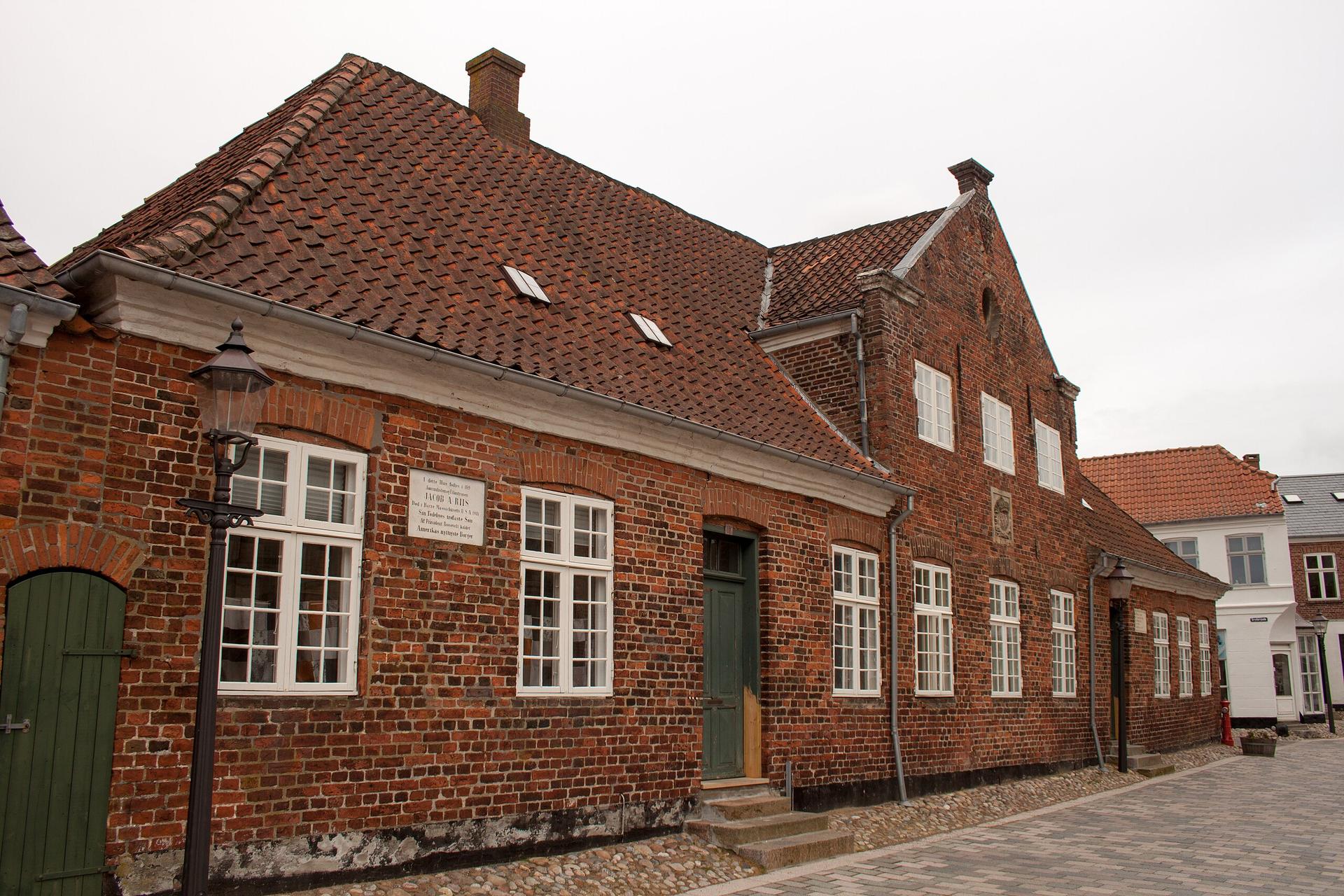
Looking beyond Tøndermarsken? Discover Southern Jutland for broader travel guides, local hot-spots, and regional highlights.
Explore Southern Jutland