
Museum of Danish Resistance
Descend underground to experience occupied Denmark through five personal stories of resistance, collaboration, and survival.
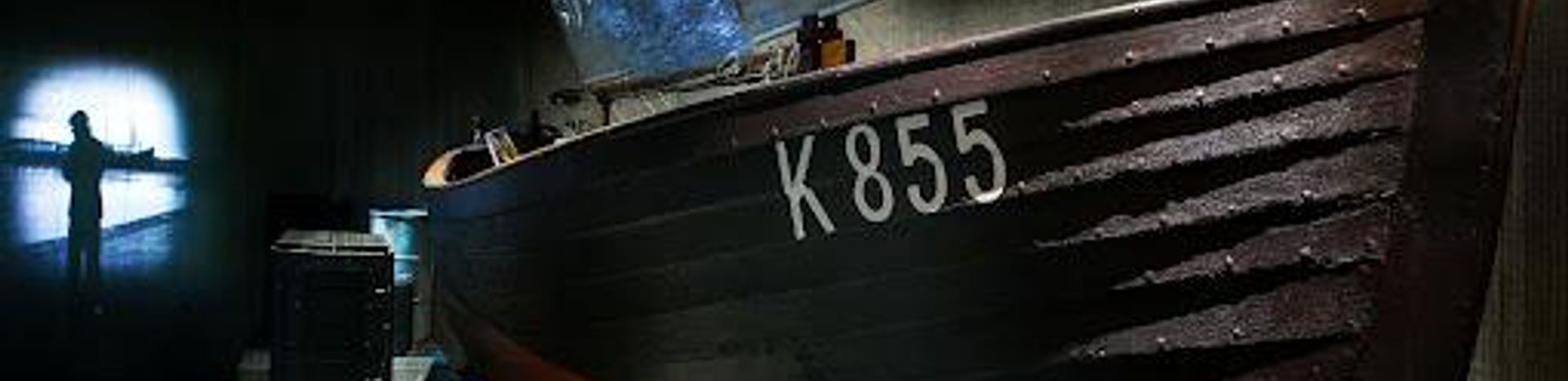
Descend into Copenhagen's underground Museum of Danish Resistance to experience the harrowing reality of Nazi occupation from 1940–1945. This immersive subterranean exhibition follows five historical figures whose personal stories illuminate the impossible choices ordinary Danes faced: join the resistance, collaborate with Germans, or attempt to survive in silence. Interactive exhibits invite you to print illegal magazines, intercept coded messages, and decode German communications, while authentic artifacts—including a fishing boat used to smuggle Jews to Sweden—bring the occupation vividly to life.
A brief summary to Museum of Danish Resistance
- Esplanaden 13, Copenhagen, Indre By, 1263, DK
- +4541206080
- Visit website
- Duration: 1.5 to 3 hours
- Budget
-
 Indoor
- Mobile reception: 4 out of 5
- Tuesday 10 am-5 pm
- Wednesday 10 am-5 pm
- Thursday 10 am-5 pm
- Friday 10 am-5 pm
- Saturday 10 am-5 pm
- Sunday 10 am-5 pm
Local tips
- Allow at least 2–3 hours to fully experience the exhibition. The interactive elements and personal narratives reward careful engagement rather than rushed visits.
- Book a guided tour in advance for deeper historical context and access to stories not fully covered in the self-guided experience.
- Visit the museum café at street level before or after your visit to process the emotional weight of the exhibition in a reflective space.
- The museum is within walking distance of The Little Mermaid, Amalienborg Palace, and Frederik's Church, making it ideal for combining with other central Copenhagen attractions.
- Children under 18 enter free, making it an accessible educational experience for families; however, the content addresses war, death, and moral complexity—consider age-appropriateness before visiting with young children.

For the on-the-go comforts that matter to you
- Restrooms
- Drink Options
- Food Options
- Seating Areas
- Information Boards
- Visitor Center
Getting There
-
Public Transport from Central Copenhagen
Take the S-train, regional train, or metro to Østerport Station, approximately 8–12 minutes from central Copenhagen depending on your starting point. From Østerport Station, the museum is a 10-minute walk via Esplanaden. Trains run frequently throughout the day; a single journey ticket costs approximately DKK 24–36 depending on zones. The Citadel is clearly signposted from the station.
-
Walking from City Centre
From Strøget or Nyhavn, walk approximately 30 minutes via Esplanaden toward the Citadel. The route is flat, well-lit, and passes through central Copenhagen's historic streets. This approach allows you to experience the city's geography and arrive at the museum with historical context.
-
Taxi or Rideshare
Taxis and rideshare services (Uber, Bolt) are readily available throughout Copenhagen. Journey time from central areas is approximately 8–12 minutes depending on traffic; expect to pay DKK 100–180 for a standard ride. Drop-off is directly at Esplanaden 13.
-
Bicycle
Copenhagen's extensive cycle network makes cycling viable. From central areas, allow 15–20 minutes depending on route. Bike racks are available near the Citadel entrance. This is a popular local transport method and offers flexibility in exploring the surrounding area.
Museum of Danish Resistance location weather suitability
-
 Any Weather
Discover more about Museum of Danish Resistance
Underground Architecture and Design
The Museum of Danish Resistance occupies a striking subterranean space beneath Copenhagen's Citadel, deliberately designed so visitors must literally descend to enter the occupation years. The 2020 renovation transformed the museum into an entirely underground exhibition, with only a modest oval structure at street level housing the ticket office, shop, and café. This architectural choice is intentional—the descent mirrors the clandestine nature of the resistance itself, creating an immersive passage from everyday Copenhagen into the shadowy world of occupied Denmark. The spacious underground galleries belie the modest footprint above ground, offering a contemplative environment where the weight of history feels palpable.Five Stories of Impossible Choices
Rather than presenting the resistance as a monolithic patriotic movement, the museum centers on five historical individuals whose narratives span the political spectrum—from communists to collaborators. Each figure's story reveals the moral complexity of the occupation: not everyone who resisted did so for identical reasons, and not all Danes made the same choice. One such figure is Abraham Steinbock, a Jewish medical student whose family escaped to Sweden aboard a fishing boat in October 1943; the authentic vessel is preserved as a centerpiece of the exhibition. These personalized narratives transform abstract history into human dilemma, showing how ordinary people navigated extraordinary circumstances.Acts of Sabotage and Underground Resistance
From 1940 to 1945, the Danish Resistance undertook dangerous clandestine operations including producing illegal publications, conducting espionage, and executing sabotage missions. Resistance agents killed approximately 400 Danish Nazis, informers, and collaborators by 1944. The museum documents these acts through original artifacts—homemade weapons, photographs of fallen fighters, and blood-stained clothing with bullet holes—creating a visceral record of the conflict. A pivotal moment came in 1943 when the Danish government ceased cooperation with occupiers and dissolved in August; simultaneously, Danes launched a general strike that the Nazis failed to suppress. The exhibition also chronicles the precision bombing of Gestapo headquarters with British SOE support, though the tragic mistaken bombing of a nearby school illustrates the human cost of resistance operations.Interactive Engagement with History
The museum moves beyond passive observation through hands-on activities that place visitors in the shoes of resistance members. You can attempt to print illegal magazines using period equipment, intercept and decode German telephone conversations, and crack the Enigma code used by occupying forces. These interactive elements transform the exhibition from a display of artifacts into an experiential understanding of the ingenuity, courage, and constant danger that defined underground resistance work. All exhibits are presented in both Danish and English, with guidebooks available for deeper historical exploration.The Evacuation of Danish Jews
One of the museum's most significant narratives concerns the covert rescue of Denmark's Jewish population. Unlike many occupied nations, Denmark's resistance and civil society undertook a coordinated effort to smuggle Jews to neutral Sweden, saving the vast majority from Nazi persecution. The exhibition juxtaposes this heroic chapter against exhibits documenting Denmark's initial cooperation with German occupation, presenting a nuanced picture of complicity and resistance coexisting within the same nation. This duality—showing both collaboration and rescue—reflects the moral ambiguity many Danes faced during the war years.Legacy and Contemporary Relevance
The museum opened in July 2020 following three years of construction, replacing an earlier above-ground facility that operated since 1957. The original exhibition, "The Fighting Denmark," was assembled by resistance members themselves shortly after liberation in 1945, reflecting the movement's own desire to document their struggle. Today, the museum serves as a vital educational institution affiliated with the National Museum of Denmark, ensuring that the experiences of those who lived through occupation—whether as resisters, collaborators, or ordinary citizens trying to survive—remain tangible and relevant to contemporary audiences.For the vibe & atmosphere seeker
- Contemplative
- Historically Significant
- Emotionally Engaging
- Educational
- Solemn
For the design and aesthetic lover
- Modern Designs
- Minimalist Designs
For the architecture buff
- Historic
- Modern
- Sacred Sites
For the social media creator & influencer
- Architectural Shots
- Photo Spots
For the eco-conscious traveler
- Locally Managed
For the kind of experience you’re after
- Cultural Heritage
- Myth & Legends
- Day Trip
For how adventurous you want the journey to be
- Easy Access
Location Audience
- Family Friendly
- Senior Friendly
- Teen Friendly
- Wheelchair Access
- Solo Friendly
- Couple Friendly


