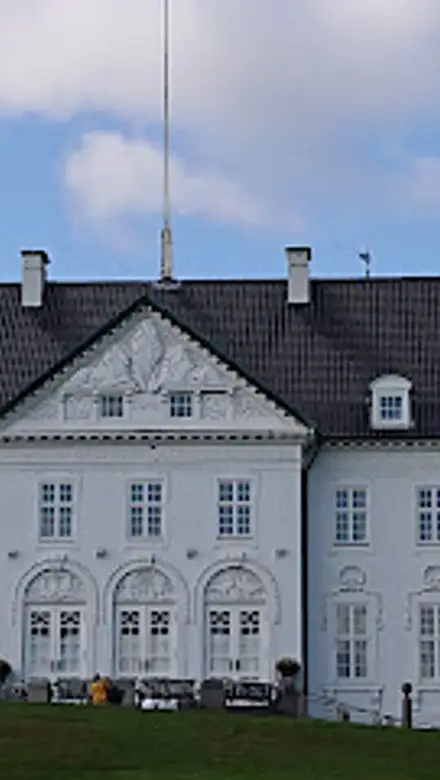
Marselisborg Castle Travel Guide
Free Guide: Elegant royal summer residence on Aarhus Bay, surrounded by English-style gardens, sculptures and sweeping parkland that is open to visitors when the royals are away.


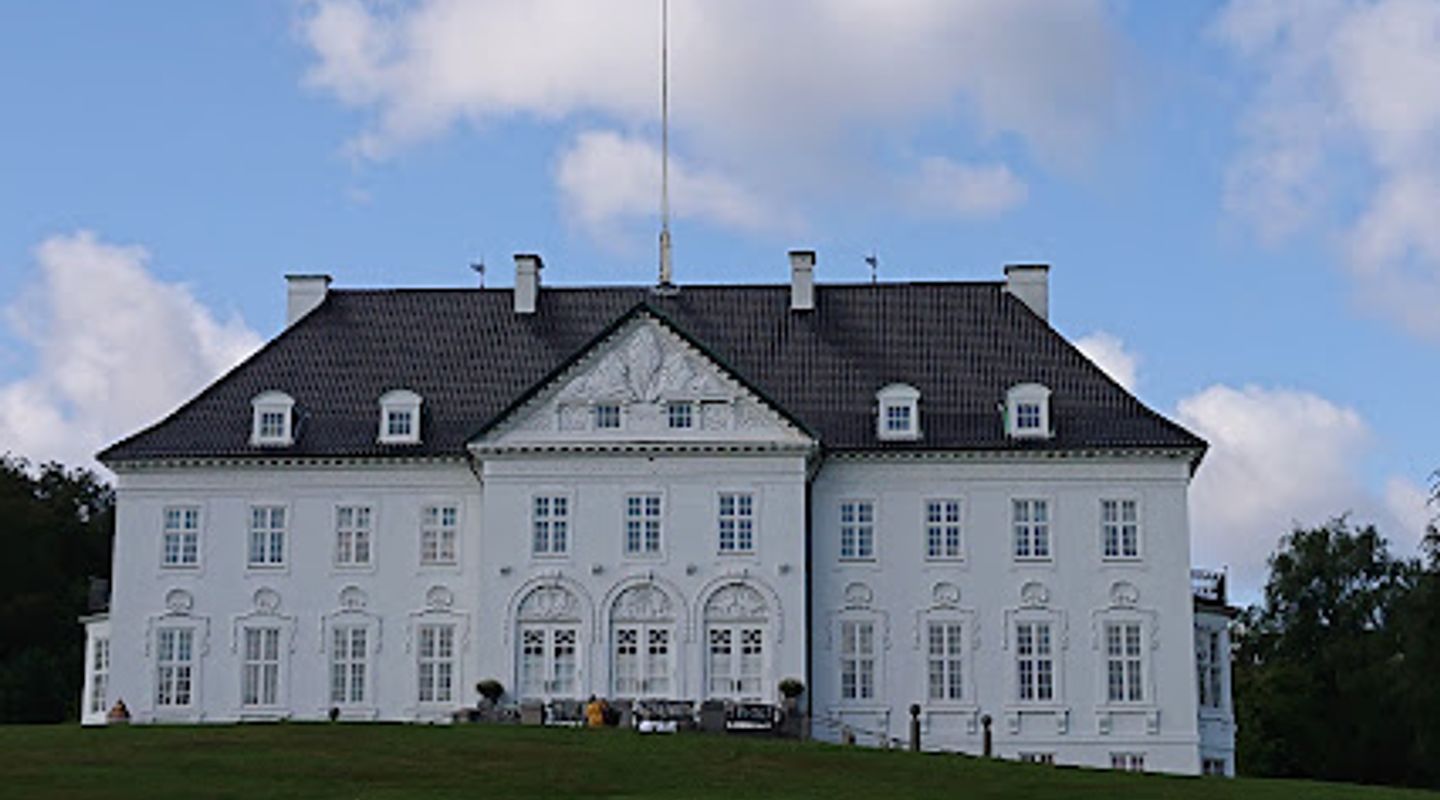
A brief summary of Marselisborg Castle
Elegant royal summer residence on Aarhus Bay, surrounded by English-style gardens, sculptures and sweeping parkland that is open to visitors when the royals are away.
Marselisborg Palace is the Danish royal family’s elegant summer and Christmas residence on the southern edge of Aarhus, set above the Bay of Aarhus and framed by forest and parkland. Built between 1899 and 1902 as a “people’s gift” to the future King Christian X and Queen Alexandrine, the whitewashed palace is surrounded by English-style gardens dotted with sculptures, ponds, rose beds and herb plots. While the palace itself is not open, the atmospheric park is accessible when the royals are away, offering tranquil walks, distant sea views and a refined glimpse of Danish royal life just outside the city centre.
On-site amenities
 Restrooms
 Seating areas
 Picnic areas
 Trash bins
 Information boards
- Address
- Kongevejen 100, 8000 Aarhus
- Phone
- Website
Getting there
City bus from central Aarhus
Cycling from central Aarhus
Taxi within Aarhus
Walking from the central area
Discover more about Marselisborg Castle
A royal residence shaped by a people’s gift
Marselisborg Palace is more than a stately white building on a hill; it is a symbol of the bond between Denmark’s monarchy and Jutland. At the end of the 19th century, land from the old Marselisborg estate on the southern fringe of Aarhus was set aside so that a new summer residence could be built for the then–Crown Prince Christian and his bride Alexandrine. Funded by public contributions and support from Jutlandic towns and companies, the palace was completed in 1902 as a true “people’s gift”, intended to anchor the royal family more firmly in this part of the country.The palace has remained closely tied to the modern monarchy. King Christian X and Queen Alexandrine used Marselisborg extensively, establishing the tradition of summers spent overlooking the bay. In 1967, after a careful modernization, the estate was made available to the then Princess Margrethe and Prince Henrik. Today it serves as the royal family’s summer and Christmas residence in Aarhus, with the Danish flag flying above the roof whenever the monarch is in residence.
Architecture with subtle maritime character
Architect Hack Kampmann, a leading figure in Danish architecture around 1900, gave Marselisborg Palace a dignified yet approachable character. The building presents a broad, west-facing façade with an imposing entrance framed by two small towers. The design blends historicist influences with a restrained, almost villa-like scale that suits its role as a retreat rather than a ceremonial seat of power.Look closely at the detailing and a maritime theme reveals itself. Seagulls are carved into window surrounds, seashells decorate the main door, and a stylised fish crowns the entrance. These motifs echo the palace’s setting between forested slopes and the wide curve of Aarhus Bay. The whiteness of the façades, pitched roofs and crisp lines create a graceful silhouette against the green of the surrounding park, especially striking in low afternoon light.
English-style gardens and outdoor art
For most visitors, the real attraction lies beyond the walls: the palace gardens. Laid out in English landscape style, they flow gently away from the building in a sequence of lawns, shrub-lined slopes and meandering paths. Small lakes reflect the sky and trees, while carefully composed viewpoints frame glimpses of the bay and the city beyond. Despite the formal royal context, the atmosphere is relaxed and strolling on the grass feels entirely natural here.Among the beds and borders, you encounter a rose garden with pergolas, seasonal flower displays and a compact herb garden that adds texture and scent on warm days. Scattered throughout the grounds is an eclectic collection of sculpture, including works associated with Prince Henrik, who had a strong personal interest in art. The pieces range from abstract forms to more figurative works, giving the park a quiet open-air gallery feel that rewards slow exploration from different angles.
Between bay, forest and memorial park
Marselisborg’s position knits together several of Aarhus’ most attractive green spaces. Immediately below the palace, the expansive Marselisborg Memorial Park spreads toward the shoreline. Created to preserve the royal view and to honour fallen soldiers, its open lawns, trees and war memorial form a dignified foreground to the palace terrace above. On clear days, the water of the bay glints in the distance, with passing ships adding a gentle sense of movement to the horizon.Just beyond, the landscape shifts into the Marselisborg Forests, with their network of trails, a forestry botanical garden and a deer park where roe and fallow deer roam in fenced woodland. To the west and north, city life edges closer in the form of the stadium and racecourse, reminders that this royal enclave sits on the threshold between urban Aarhus and the wider coastal landscape. From many vantage points in the garden you have a layered panorama: palace, park, sea and city subtly overlapping.
Experiencing the palace grounds through the seasons
The gardens are generally open to the public when the royal family is not in residence, typically closing around their stays. Opening hours shift with the seasons, with long, light evenings in summer and shorter, more intimate visits in winter. Whenever you come, the character of the place changes noticeably with the weather and time of year, making repeat visits rewarding.Spring brings fresh leaf colour and the first blooms in the rose beds, while summer offers lush lawns, full flower displays and the chance to linger on benches or under mature trees. In autumn, muted tones and falling leaves give the sculptures a more contemplative air. Even on a crisp winter day, when the sun sits low over Aarhus Bay and frost clings to the grass, the palace and park retain a certain quiet splendour. Throughout the year, Marselisborg offers a graceful, unhurried counterpoint to the busy streets of central Aarhus – a place to combine a gentle walk with a subtle encounter with Danish royal history.
Evendo Review Centre
 Google
Guest reviews
Best time to go
Quietest: Jan, Feb & Nov · before 7am or from 9pm
Busy times are Evendo estimates for a typical year, to help you plan. Actual crowds vary with events, school holidays and the weather.
Explore Marselisborg Castle on the map
A handpicked selection of must-see spots near Marselisborg Castle, mapped for you.
Get your free copy of our complete guide to Marselisborg Castle, delivered straight to you.
Everything on this page, from opening hours and how to get there to Eve’s tips and the best time to go, in one PDF you can read offline, print or share.
Already have an account? Sign in
Your Marselisborg Castle guide is ready.
We'll send it to · Not you? Sign out

Getting your guide ready…
We are putting together a fresh copy of the Marselisborg Castle guide. This can take up to a minute.
This can take a few moments. If your browser asks, choose Allow so the download can start. You'll find the guide in your Downloads folder.
Nothing happened? Download it again
Sorry, the guide is taking longer than usual. Please try again in a minute, or get it by email instead.
Other nearby places you may find interesting
The closest places of the same kind, if this one is not quite what you had in mind.
-
Vesborg Fyr Medieval fortress ruins crowned by a 19th-century lighthouse with sweeping views across the Samsø Belt.
-
Brundby Stubmølle Denmark's rare hilltop post mill with sweeping island views and centuries of agricultural heritage.
-
Issehoved Denmark's northern gem where land meets sea in raw, ever-changing coastal beauty.
-
Ilsemade Helligkilde A Bronze Age sacred spring where fresh water flows from an ancient hollow oak, connecting modern visitors to 3,000 years of spiritual tradition.
-
The Kanhave Canal A 1,300-year-old Viking shortcut carved across an island to control Denmark's seas.
Swipe for more places
More to explore near Marselisborg Castle

 Best experiences near Marselisborg Castle
 Best hotels near Marselisborg Castle
 Best landmarks near Marselisborg Castle
 Best attractions near Marselisborg Castle
 Best shops near Marselisborg Castle
 Best restaurants near Marselisborg Castle
 Best bars near Marselisborg Castle
Do you manage this location?
Take control to get all the benefits, like improved information, better appearance, and stronger visibility across AI-powered discovery.
Explore more
Explore more of Samsø
Samsø: Explore Denmark's eco-friendly island, rich in natural beauty, culinary delights, and cultural heritage.
Explore Samsø
Explore more of Denmark
Discover Denmark: A perfect blend of history, modern design, and the cozy concept of hygge. Explore vibrant cities, serene landscapes, and world-class cuisine.
Explore Denmark