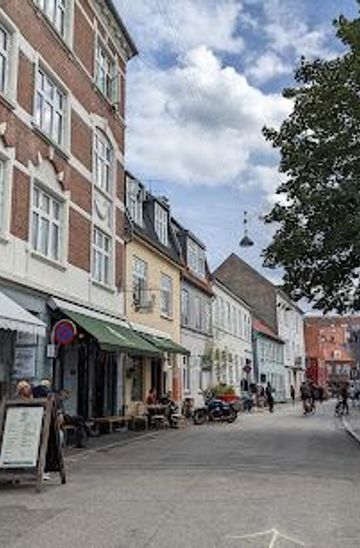
Latinerkvarteret (Latin Quarter), Aarhus
Aarhus’ oldest quarter: cobbled lanes, historic townhouses, indie shops and cosy cafés blending medieval roots with modern, bohemian city life.
Latinerkvarteret is Aarhus’ historic Latin Quarter, the city’s oldest district and one of its most atmospheric corners. Dating back to the late 14th century, its narrow cobbled lanes, low townhouses and small squares are packed with independent boutiques, galleries, cafés and cosy restaurants. By day it feels like a laid-back village for strolling, browsing and people-watching; by night, intimate bars and small music stages give the quarter a lively, bohemian energy.
A brief summary to Latinerkvarteret
- Aarhus, Aarhus C, DK
- Duration: 1 to 4 hours
- Free
-
 Outdoor
- Mobile reception: 5 out of 5

Know before you go
Hi, I'm Eve. Here are a few practical things to know before exploring Latinerkvarteret.
- Visit in late morning or mid‑afternoon for a relaxed mix of open shops and lively café terraces without the busier evening bar crowds.
- Look for street names like Klostergade, Volden and Borggade; their references to convents, ramparts and castles hint at the area’s medieval history.
- Use Pustervig Torv as your orientation point, then explore side streets slowly to discover small galleries, courtyards and tucked‑away boutiques.
- Wear comfortable shoes; the cobblestone streets add charm but can be uneven for strollers, wheelchairs and high heels.
- Combine your visit with nearby Aarhus Cathedral or ARoS for a full day that mixes historic streets, culture and contemporary architecture.
Do you manage this location?
Take control to get all the benefits, like improved information, better appearance, and stronger visibility across AI-powered discovery. Learn more
Activate your presenceOther nearby places you may find interesting
Getting There
-
On foot from Aarhus Cathedral area
From the cathedral surroundings in central Aarhus, Latinerkvarteret is only a few minutes’ walk away through level, urban streets. Expect 5–10 minutes on foot, depending on your exact starting point. The route is fully paved but includes cobblestones within the quarter itself, which can feel bumpy for wheelchairs and strollers, especially in wet or icy weather. Walking is free and lets you enter the district gradually, noticing how the larger city narrows into intimate lanes.
-
City bus to central Aarhus then walk
Most city bus lines in Aarhus stop near the central cathedral and main shopping streets, within about 500–800 meters of Latinerkvarteret. Typical city bus journeys inside the urban area take 10–25 minutes, with departures every few minutes on main routes. A single adult ticket generally costs around 20–30 DKK, with discounts for children and travel cards. From the bus stop in the centre, allow 5–10 minutes’ walk on mostly flat pavements before you reach the cobbled streets of the quarter.
-
Bicycle within the city
Cycling is a common way to reach the centre of Aarhus. Dedicated bike lanes lead toward the inner city, and from surrounding districts you can expect 10–20 minutes of cycling. Public bike‑share and rental shops typically offer daily prices starting around 80–150 DKK, with cheaper hourly options. Bicycles must usually be walked once you enter the tightest, busiest lanes of Latinerkvarteret where pedestrians and outdoor seating dominate, especially in good weather.
-
Taxi from elsewhere in Aarhus
Taxis can drop you close to the edges of Latinerkvarteret, near the cathedral or main streets, in 5–15 minutes from most central hotels and 20–30 minutes from outlying suburbs, depending on traffic. Typical fares within the city centre area range roughly from 80 to 200 DKK, higher at night or from farther districts. Vehicles cannot drive into the narrowest cobbled lanes, so expect a short final walk of a few minutes from the nearest accessible drop‑off point.
For the on-the-go comforts that matter to you
-
 Restrooms
-
 Drink Options
-
 Drinking Water
-
 Food Options
-
 Seating Areas
-
 Sheltered Areas
-
 Trash Bins
-
 Information Boards
-
 Visitor Center
Discover more about Latinerkvarteret
Old Aarhus Behind the Cobblestones
Latinerkvarteret is the oldest quarter in Aarhus, a compact maze of lanes laid out after the city demolished its medieval Viking ramparts in the late 14th century. Here you walk through the footprint of the former fortifications, now transformed into an intimate network of streets that preserve the human scale of an earlier city. Many of the houses are modest in height, their façades painted in soft tones, with timber details hinting at centuries of rebuilding and renovation.Among the buildings tucked into the quarter are some of Aarhus’ oldest surviving structures, including 16th‑century townhouses that recall the era when the city was a burgeoning market town. Names such as Klostergade (Convent Street), Volden (The Rampart) and Borggade (Castle Street) still carry echoes of monasteries, earthworks and fortifications that once defined the city’s skyline. Walking these streets offers a quiet lesson in how Aarhus grew outward from its medieval core.A Danish Take on the Latin Quarter Spirit
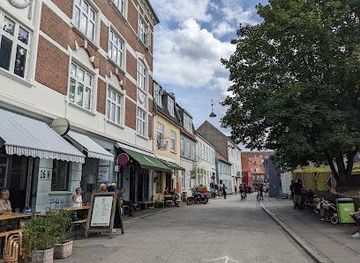
The name “Latinerkvarteret” was chosen only in the 1990s, inspired by the quarter’s resemblance to the famous Latin Quarter in Paris. The connection is not about grand monuments but about atmosphere: narrow streets, tucked‑away squares and a mix of students, artists and shopkeepers create a distinctly bohemian mood. Cafés spill onto cobbles in warmer months, and chalkboard menus lean against pastel walls, inviting you to linger with coffee or a glass of wine.This is also one of Aarhus’ most creative districts. Independent boutiques showcase Danish and Scandinavian design, from fashion and jewelry to ceramics and interiors. Small galleries and studios hide behind understated doors, reflecting the city’s artistic side without the formality of a museum. The blend of cosmopolitan references and local character gives the quarter a relaxed but cultured personality.Pustervig Torv: The Quarter’s Relaxed Heart
At the centre of Latinerkvarteret lies Pustervig Torv, a compact square that feels like an outdoor living room for the neighborhood. Its open space contrasts with the enclosed feel of the surrounding lanes, making it a natural place to pause. In fine weather, tables fill the square, and you may hear the clink of cutlery and low conversation drifting between café terraces.Pustervig Torv also acts as a convenient point of orientation. From here you can head down side streets in any direction and quickly find yourself among more small shops and eateries. In late afternoon and early evening, the square often becomes a gentle transition zone between daytime browsing and an evening of dining or bar‑hopping in the nearby streets.Everyday Life, Dining and Nightfall
Latinerkvarteret captures Aarhus on a manageable, human scale. In the morning you might encounter residents heading for work or study, slipping into coffee bars for takeaway brews. Later, the district becomes a shopping enclave where you can move easily between fashion boutiques, specialty food shops and bookshops without leaving the cobbled grid.As daylight fades, the mood subtly shifts. Restaurants tucked into old townhouses light up their windows, serving everything from casual smørrebrød to inventive Nordic‑inspired menus. Small stages and bars host live music on selected evenings, creating a nightlife scene that is more intimate than high‑octane. The focus is on conversation, atmosphere and the sense of being in a historic pocket of the city that still feels very lived‑in.Architectural Details and Subtle Discoveries
Architecturally, the quarter is less about single showpiece buildings and more about an ensemble. Look up to see varied rooflines, dormer windows and the occasional half‑timbered detail. The juxtaposition of older façades with more contemporary interventions reflects Aarhus’ ongoing evolution, as new businesses move into old shells without erasing their character.Because distances are short, it is easy to explore at a slow pace and notice small touches: a carved doorframe, a wrought‑iron sign, a tiny courtyard or a window display arranged like a still life. These details reward curious travelers who are willing to wander without a fixed agenda, letting the district’s rhythm reveal itself turn by turn.Part of the City’s Historic Core
Latinerkvarteret sits just behind Aarhus Cathedral in the inner city, forming one of several distinctive historic quarters that together make up the centre. Its story is tied to the city’s transition from walled settlement to open town, and today it bridges Aarhus’ medieval past and its current role as a youthful university city.Spending time here offers a gentle contrast to the city’s larger museums and bold contemporary architecture elsewhere. In this compact neighborhood, history is embedded in everyday life rather than set apart. Whether you stay for an hour or an afternoon, Latinerkvarteret provides an atmospheric backdrop for coffee, conversation and unhurried exploration.Explore the best of what Latinerkvarteret has to offer















More about East Jutland
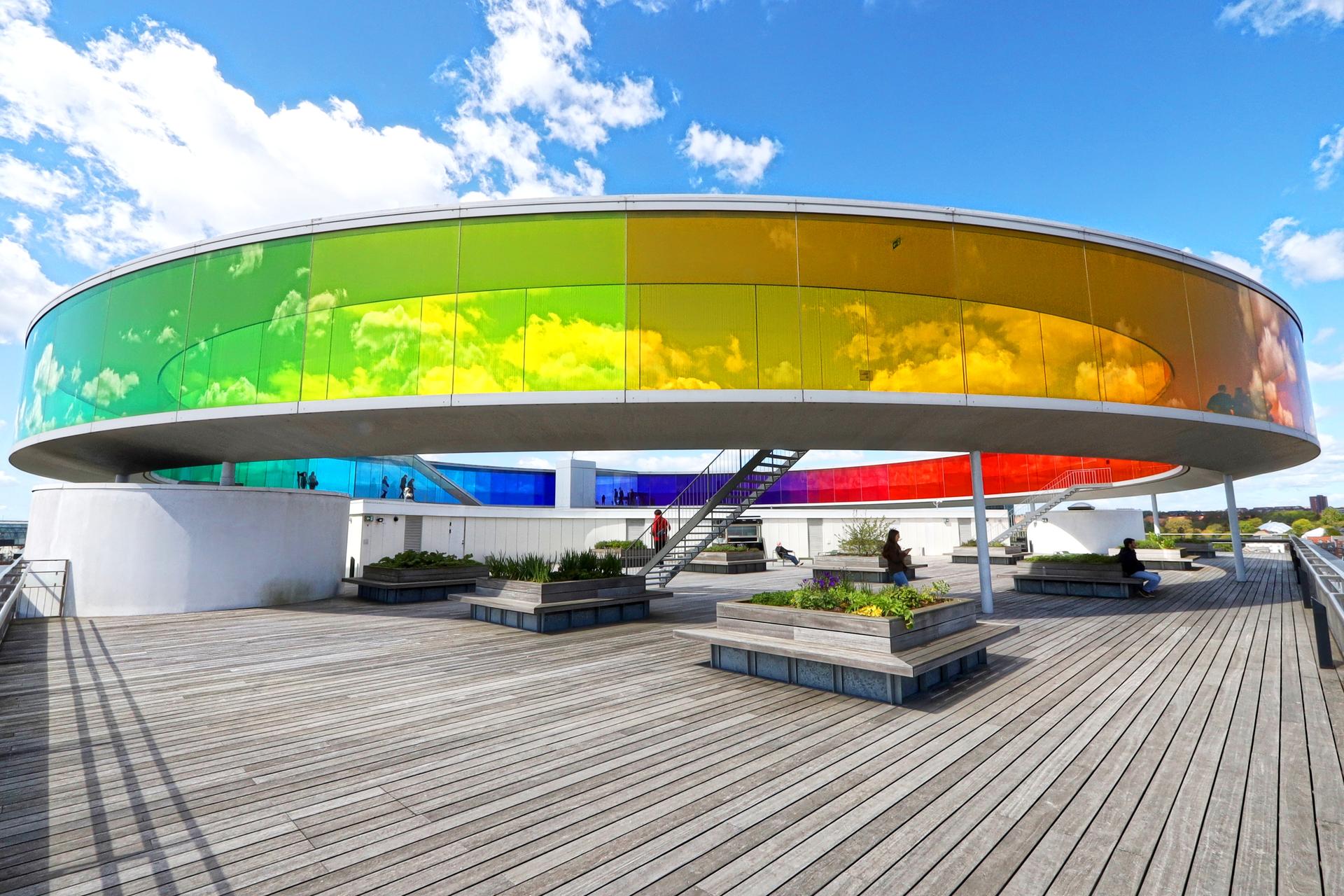
Discover East Jutland, Denmark's enchanting region blending vibrant cities, rich history, and stunning natural landscapes, perfect for every type of traveler.
Tell me more about East Jutland
Quiet lakeside marina in Ry, offering relaxed waterfront life, boat trips into the Silkeborg Lakes and easy access to the gentle hills of Denmark’s lake district.
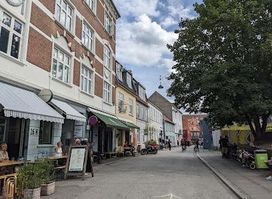
Aarhus’ cobbled Latin Quarter, where medieval lanes, pastel townhouses and lively cafés create an intimate fusion of historic charm and contemporary city life.