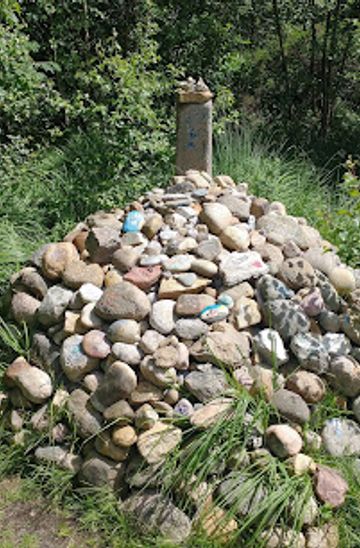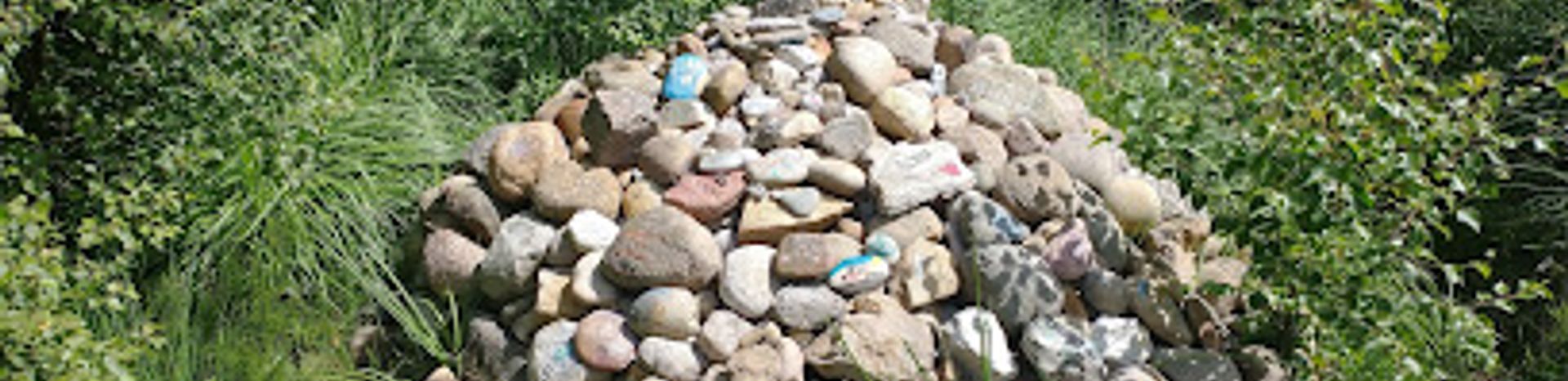
Vandskellet at Det Store Vandskel
Stand on Denmark’s quiet continental divide, where raindrops choose between the Skjern Å to the west and the Gudenå to the east in softly rolling farmland.
Vandskellet near Silkeborg marks one of Denmark’s quiet geographical wonders: the watershed divide where streams choose between the Skjern Å on the west coast and the Gudenå running toward the east. Set in gently rolling farmland and small woodlots, this low-key outdoor spot is about landscape, not landmarks. Simple paths, information boards and open horizons invite a slow wander and a moment to reflect on how water – and history – has shaped Jutland.
A brief summary to Vandskellet
- Skeldalvej 3, Silkeborg, 8600, DK
- Duration: 0.5 to 1.5 hours
- Free
-
 Outdoor
- Mobile reception: 4 out of 5

Know before you go
Hi, I'm Eve. Here are a few practical things to know before exploring Vandskellet.
- Wear sturdy, closed shoes; access is via farm tracks and grass paths that can be muddy and uneven after rain.
- Combine a brief stop at Vandskellet with visits to nearby lakes and forests around Silkeborg for a fuller day in nature.
- Bring a physical or offline map to better visualize how the watershed divides flows toward Skjern Å and Gudenåen.
Do you manage this location?
Take control to get all the benefits, like improved information, better appearance, and stronger visibility across AI-powered discovery. Learn more
Activate your presenceOther nearby places you may find interesting

Getting There
-
Car from central Silkeborg
Driving from central Silkeborg to Vandskellet typically takes about 15–20 minutes via local country roads. The route uses paved roads all the way, but the last stretch is on narrower rural lanes with limited lighting after dark. There is usually informal roadside space to pull over near the watershed area, but no marked car park, so avoid blocking farm access. Fuel costs for the short return trip are modest, and there are no tolls.
-
Bicycle from Silkeborg area
Cycling from Silkeborg to the Vandskellet area takes roughly 35–50 minutes each way, depending on your pace and starting point. The ride follows a mix of smaller paved roads and quiet lanes through rolling countryside, with some gentle climbs but no extreme gradients. There are no specific bike lanes for the full route, so you share the road with local traffic, which is usually light but requires normal caution. There is no cost beyond bicycle rental if needed.
-
Taxi from Silkeborg
A taxi from Silkeborg town centre to Skeldalvej near Vandskellet generally takes 15–20 minutes in normal traffic. Local taxi companies usually charge in the range of 180–260 DKK one way for this distance, depending on time of day and any waiting time. Taxis can drop you on or near Skeldalvej, but you will walk a short distance along the roadside to explore the watershed area. Booking in advance is recommended in evenings or weekends.
For the on-the-go comforts that matter to you
-
 Trash Bins
-
 Information Boards
Discover more about Vandskellet
Where Denmark’s Waters Part Ways
Vandskellet at Skeldalvej sits on the line where Jutland tips just enough for raindrops to choose opposite coasts. Here, the landscape forms part of Det Store Vandskel, the great watershed between the sources of Skjern Å flowing west and Gudenåen, Denmark’s longest river, flowing east. Standing in this modest rise in the land, you are effectively on a natural frontier: water on one side makes for the North Sea, on the other for the Kattegat.This divide is subtle rather than dramatic. There are no towering peaks, only undulating fields, hedgerows and pockets of woodland. That understatement is part of the charm; this is a place where a big piece of Denmark’s geography is written in small, quiet lines across the countryside.A Landscape Carved by Ice and Time
Although the hills look gentle, they are the legacy of the last Ice Age. Moving glaciers and meltwater carved the long spine of the Jyske Højderyg, the central ridge that runs down Jutland and underpins this watershed. The soils here are a patchwork of sand, gravel and clay, laid down in layers as the ice advanced and retreated.Over thousands of years, farmers shaped the land with fields, drainage ditches and small farmsteads. Today the view feels thoroughly rural: crops in neat bands, grazing livestock, windbreaks of trees and the odd farmhouse roof breaking the skyline. The human footprint is evident, yet the terrain still clearly hints at its glacial past in the rounded forms and shallow valleys.Walking the Divide
A visit to Vandskellet is all about being outdoors. Simple tracks and field edges provide informal walking options, with easy gradients suitable for most visitors who are comfortable on uneven natural surfaces. Underfoot you may find farm tracks that turn muddy after rain, short grass paths and compacted gravel sections, so practical footwear is useful.As you walk, notice the subtle changes in slope and the way small ditches and drains carry water in slightly different directions. With a map or a bit of local interpretation, you can trace where these minor flows eventually become part of either Skjern Å’s westerly system or the Gudenå’s journey east. The experience is less a set route and more a gentle exploration of contours, viewpoints and the feeling of standing on a line across the country.Quiet Moments and Open Skies
Despite its geographical significance, Vandskellet remains a peaceful place. Traffic noise is low, and the dominant sounds are often wind through hedges, distant tractors and birdsong. On clear days, the sky feels wide and high, with shifting clouds casting slow-moving shadows across fields and small woods.The openness creates a sense of space that lends itself well to unhurried pauses. It is easy to find a spot by a hedge or field corner, sit for a while and watch the light change. Sunset and late-afternoon visits can be particularly atmospheric, as the low sun picks out the gentle folds of the terrain and distant farm buildings glow in warm tones.Reading the Story of Water
Interpretive signs in the wider watershed area help explain how the sources of Skjern Å and Gudenåen lie surprisingly close, yet send water to opposite coasts of Denmark. Even without detailed signage at every point, the concept of the watershed is simple enough to appreciate as you look out across the land: here, a drop of rain can start two very different journeys.For families and curious travelers, Vandskellet can be an engaging, low-key learning stop, turning an abstract map line into something tangible underfoot. Coupled with other nearby nature areas and lakes around Silkeborg, it forms part of a wider story about how Jutland’s central ridge shapes both the scenery and the flow of water across the country.A Gentle Stop on a Jutland Itinerary
Vandskellet works best as a short, contemplative stop woven into a broader day of exploring central Jutland. It offers a change of pace from forest trails and lake shores, highlighting a more open, agricultural side of the landscape. There are no major facilities on-site, so visits remain simple and focused on the view, the fresh air and the satisfaction of standing at a point where Denmark quite literally divides in two directions.Explore the best of what Vandskellet has to offer













More about Central Jutland
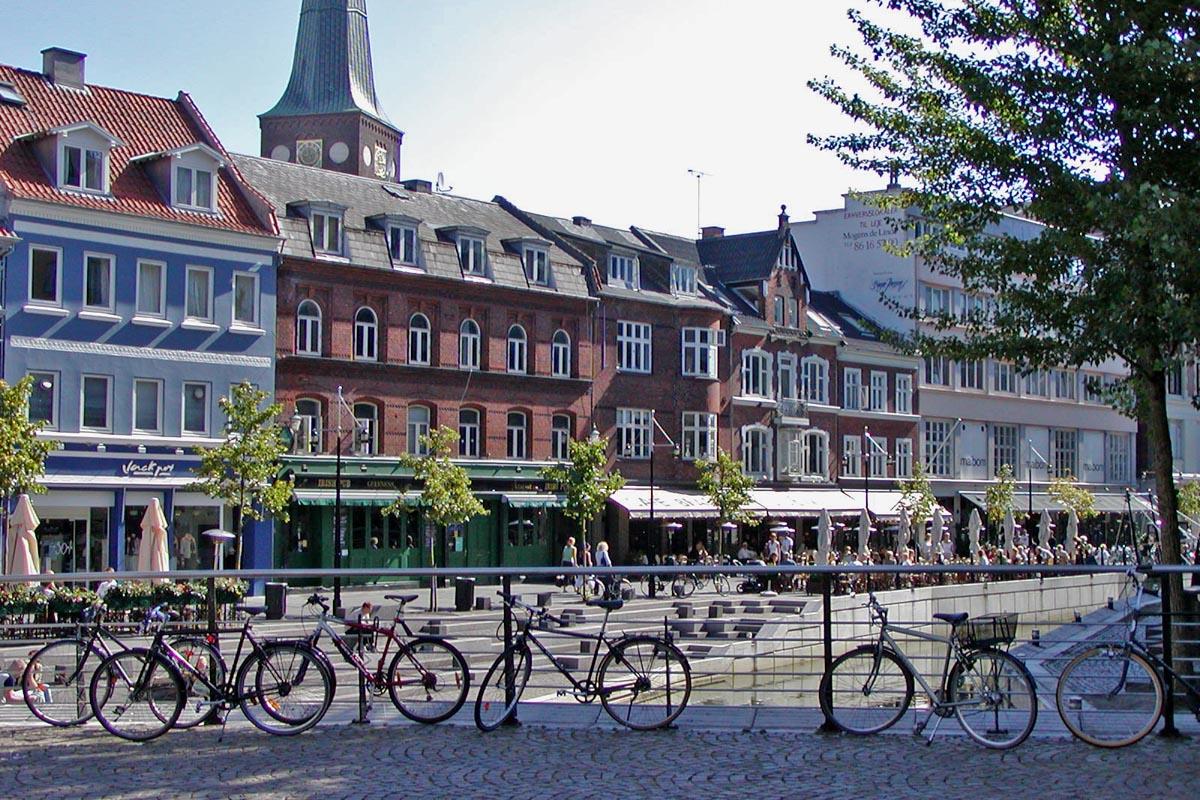
Explore Central Jutland in Denmark: A perfect blend of natural beauty, cultural heritage, and family-friendly attractions.
Tell me more about Central Jutland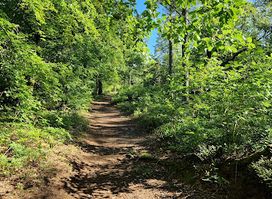
A quiet world of global trees in a 200‑year‑old Silkeborg forest, where wetlands, wildlife and easy woodland paths create a free, low‑key escape close to town.

A quiet rural stop near Silkeborg where fields, woods and wetlands hint at the lives of Stone Age hunters who once moved through this Jutland landscape.