Kystmuseet Skagen, Skagen Travel Guide
Free Guide: Open‑air village, coastal history and hands‑on stories of Skagen’s fishermen and sea rescuers at Denmark’s windswept northern tip.


A brief summary of Kystmuseet Skagen
Open‑air village, coastal history and hands‑on stories of Skagen’s fishermen and sea rescuers at Denmark’s windswept northern tip.
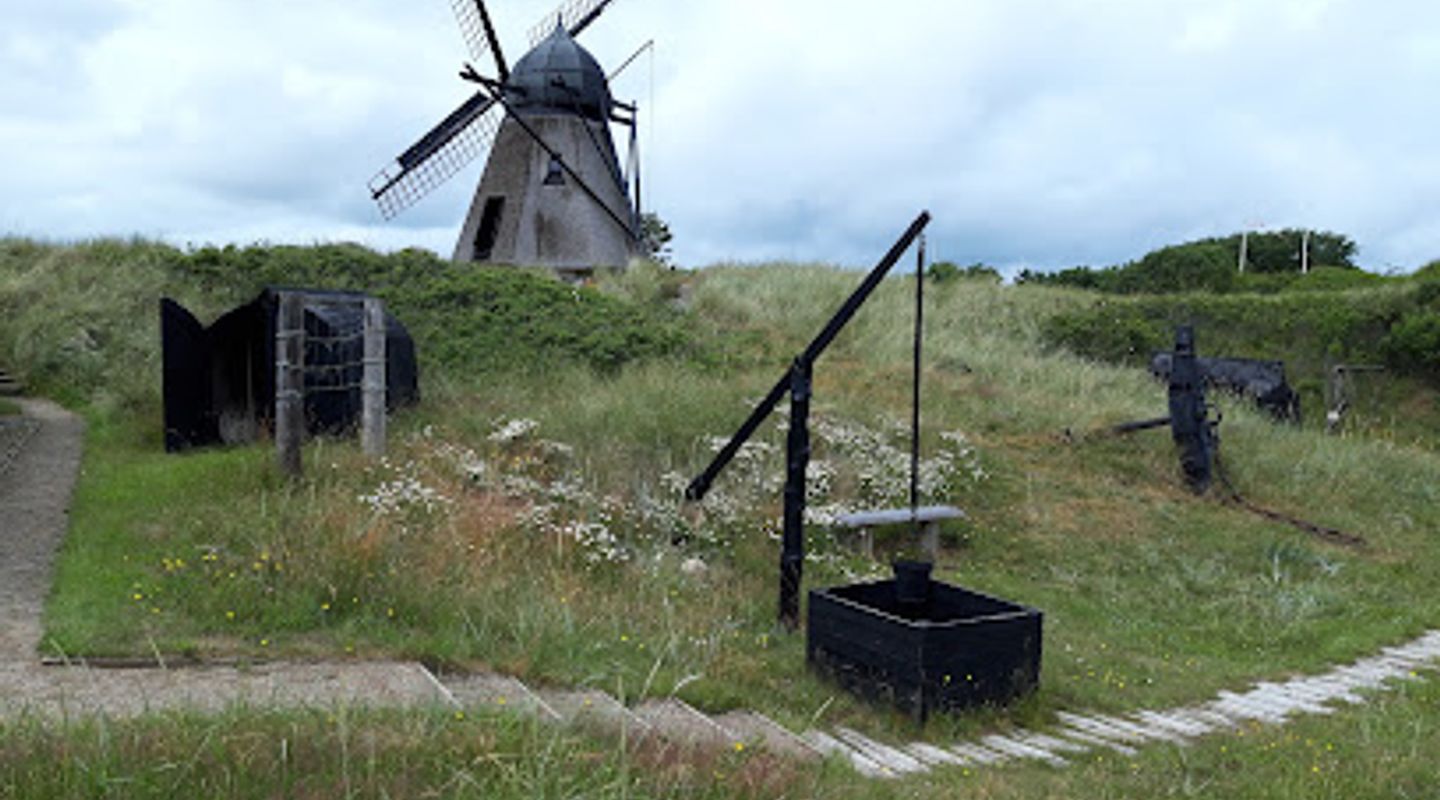
Kystmuseet Skagen is a combined open-air and exhibition museum in the dunes of Skagen, where reconstructed houses from the town’s black, yellow and red periods bring North Jutland’s coastal past to life. Step through fishermen’s homes, explore exhibits on fishing, sea rescue and seafaring, and see how rich and poor lived side by side at Denmark’s northern tip. A café, shop and hands-on children’s activity house make this a rewarding stop for families and history‑minded travelers alike.
On-site amenities
 Restrooms
 Drink options
 Food options
 Seating areas
 Sheltered areas
 Trash bins
 Information boards
Opening hours
- MonClosed
- Tue10 am–4 pm
- Wed10 am–4 pm
- Thu10 am–4 pm
- Fri10 am–4 pm
- Sat11 am–4 pm
- SunClosed
Opening hours as listed on the venue’s Google Business Profile. Hours can change for services and special events, so check with the venue before you go.
- Address
- P. K. Nielsens Vej 10, 9990 Skagen
- Phone
- Website
Getting there
Train and local walk
Regional bus within North Jutland
Car from Frederikshavn and wider region
Cycling in and around Skagen
Discover more about Kystmuseet Skagen
Skagen’s Coastal Story Brought to Life
Kystmuseet Skagen is where the long, salt‑sprayed history of Denmark’s northern tip is laid out in full, from hard‑won lives at sea to the growth of a thriving fishing town. Set a little back from the busy harbor, the museum gathers Skagen’s past in one compact, atmospheric site. It is part open‑air museum, part indoor exhibition center, with paths leading between sandy yards, low houses and maritime displays that all circle around the same theme: life on the edge of the North Sea and the Kattegat.Rather than presenting coastal history in abstract terms, the museum anchors it in personal stories, objects and interiors. Nets and tackle, model boats and rescue equipment sit alongside domestic furniture, clothing and photographs. Together they show how the sea shaped every aspect of life here, from work and danger to faith, community and celebration.
Black, Yellow and Red Eras of a Fishing Town
One of Kystmuseet Skagen’s most distinctive features is its trio of reconstructed house types from three key periods in the town’s evolution: the black, yellow and red periods. The so‑called black period, before about 1875, is represented by tar‑darkened timber and simple interiors, where smoke, sand and salt were constant companions. These modest dwellings show how poorer fishing families squeezed into small rooms, with work and home life tightly intertwined.By the yellow period, around 1875 to 1907, Skagen was changing. New building materials and rising prosperity brought brighter, ochre‑washed houses, more space and a few extra comforts. The red period, after 1907, introduces brick facades and a more modern outlook. Walking between these houses, you experience a physical timeline of Skagen’s growth and see, room by room, how the gap widened between wealthy and struggling families, even as everyone still depended on the sea.
Fishing, Sea Rescue and Seafaring Exhibitions
Inside the main exhibition building, Kystmuseet delves deeper into three pillars of local life: fishing, the rescue service and maritime trade. Displays on fishing trace the move from sail‑powered cutters and hand‑hauled nets to more mechanized fleets, with tools, gear and photographs revealing the ingenuity and risk that went into every catch. Nearby, the section on maritime rescue highlights the bravery of crews who launched into storms when ships foundered off Skagen’s treacherous sandbars.Shipping and navigation exhibits broaden the picture to include trade routes and everyday traffic along this busy coastline. Together, these sections turn Skagen from a pretty seaside town into a place of constant movement, danger and opportunity. Much of the written material is available in English as well as Danish, and audio guides help connect the artefacts to specific events and individuals.
Historic Roots and a Living Museum
The institution behind Kystmuseet Skagen has roots back to 1927, when a town museum was first founded by local residents. It later moved into the dune landscape at Svallerbakken and gradually evolved into the broader coastal museum that exists today. That community origin still shapes the museum’s character: many objects were collected locally, and the stories told here are firmly grounded in Skagen’s own memories.Over time the museum has expanded with special collections and collaborations across North Jutland, becoming part of a network of coastal museums in the region. Yet the Skagen site retains an intimate scale. Walking between the houses and exhibitions, you are rarely far from an open door, a creaking floorboard or the smell of coffee from the café, all of which make the history feel close and tangible rather than distant.
Café, Children’s Activities and Seasonal Events
Beyond its core displays, Kystmuseet Skagen is designed as a place to linger. A small museum café and courtyard offer a quiet pause sheltered from the coastal wind, while the shop stocks maritime‑themed books, crafts and local souvenirs. Families are particularly well served by an activity house where children can dress up, play in a miniature house and join craft workshops, especially during school holidays.In summer, demonstrations of traditional crafts and hands‑on presentations animate the outdoor areas, with volunteers showing skills associated with fishing and coastal life. Throughout the year, the museum hosts talks, guided walks, concerts and special events that use the historic setting as a stage. For many visitors, the appeal lies in this blend of solid historical interpretation and a relaxed, everyday atmosphere that encourages you to slow down and imagine living here, with the sea always in earshot.
Evendo Review Centre
 Google
Guest reviews
Best time to go
Quietest: Jan, Feb & Nov · before 8am or at 6pm or at 7pm
Busy times are Evendo estimates for a typical year, to help you plan. Actual crowds vary with events, school holidays and the weather.
Explore Kystmuseet Skagen on the map
A handpicked selection of must-see spots near Kystmuseet Skagen, mapped for you.
Get your free copy of our complete guide to Kystmuseet Skagen, delivered straight to you.
Everything on this page, from opening hours and how to get there to Eve’s tips and the best time to go, in one PDF you can read offline, print or share.
Already have an account? Sign in
Your Kystmuseet Skagen guide is ready.
We'll send it to · Not you? Sign out

Getting your guide ready…
We are putting together a fresh copy of the Kystmuseet Skagen guide. This can take up to a minute.
This can take a few moments. If your browser asks, choose Allow so the download can start. You'll find the guide in your Downloads folder.
Nothing happened? Download it again
Sorry, the guide is taking longer than usual. Please try again in a minute, or get it by email instead.
Other nearby places you may find interesting
The closest places of the same kind, if this one is not quite what you had in mind.
-
-
-
-
-


Swipe for more places
More to explore near Kystmuseet Skagen

 Best experiences near Kystmuseet Skagen
 Best hotels near Kystmuseet Skagen
 Best landmarks near Kystmuseet Skagen
 Best attractions near Kystmuseet Skagen
 Best shops near Kystmuseet Skagen
 Best restaurants near Kystmuseet Skagen
 Best bars near Kystmuseet Skagen
Do you manage this location?
Take control to get all the benefits, like improved information, better appearance, and stronger visibility across AI-powered discovery.
Explore more
Explore more of Skagen
Discover Skagen, Denmark's northernmost town, where two seas meet, artists find inspiration, and nature's beauty is unparalleled.
Explore Skagen
Explore more of Denmark
Discover Denmark: A perfect blend of history, modern design, and the cozy concept of hygge. Explore vibrant cities, serene landscapes, and world-class cuisine.
Explore Denmark