

Skagen Nordstrand, Skagen Travel Guide
Free Guide: Vast, wind-sculpted sand and the famed Skagen light meet at Denmark’s true northern edge, offering a raw, elemental beach where dunes, sea and sky reign.


A brief summary of Skagen Nordstrand
Vast, wind-sculpted sand and the famed Skagen light meet at Denmark’s true northern edge, offering a raw, elemental beach where dunes, sea and sky reign.
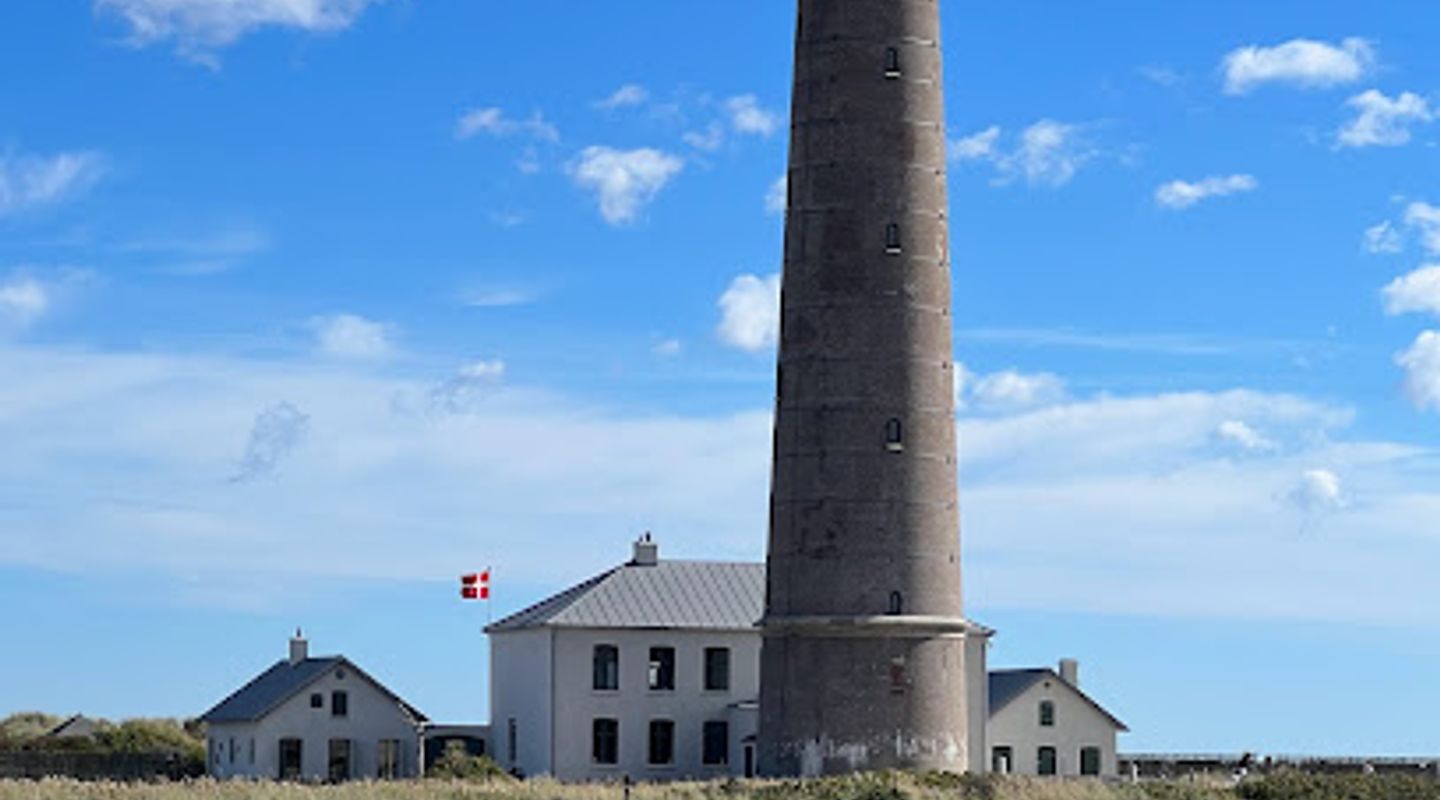
Skagen Nordstrand is a wild, wind-brushed beach on Denmark’s northern tip, stretching for kilometres along the Skagerrak coast just west of Skagen. Here dunes roll down to broad, pale sand and restless surf, with almost no man‑made structures in sight. The absence of facilities keeps the atmosphere wonderfully raw and tranquil, while the famed Skagen light bathes sea and sky in subtle shifting tones that have inspired generations of artists and contemplative walkers alike.
Opening hours
- Every dayOpen 24 hours
Opening hours as listed on the venue’s Google Business Profile. Hours can change for services and special events, so check with the venue before you go.
- Address
- Nordstrandsvej, 9990 Skagen
Getting there
Train and walking from Aalborg
Car from Frederikshavn and short dune approach
Local bus and walking within Skagen area
Cycling from central Skagen
Discover more about Skagen Nordstrand
Where Denmark Reaches into the Skagerrak
Skagen Nordstrand unfolds along the western side of the Skagen Odde peninsula, facing the open Skagerrak where the North Sea presses in against Jutland. Just south of Old Skagen, this is the wilder counterpart to nearby Grenen on the east coast. Here the land feels narrower, the horizon wider, and the elements closer at hand. Despite its fame among those in the know, the beach often feels surprisingly empty, especially as you walk farther from the access points.Nordstrand is frequently described as Denmark’s true northernmost point because the coastline here nudges slightly farther north than the curve of Grenen, which bends east. Stand at the water’s edge and you are close to the very top of mainland Denmark, with only sea and shipping lanes between you and distant Norway. It is a geographical superlative, but also an atmospheric one: everything here feels like it has been distilled down to sand, wind, light and waves.
Dunes, Sand and Ever‑Changing Sea
The beach runs in a largely unbroken band of pale sand for several kilometres, backed by undulating dunes dotted with hardy grasses and low scrub. The shore is broad enough at low tide to feel almost like a sandy plain, offering plenty of space for long walks, beachcombing, or simply standing still and watching the surf peel in. The seabed shelves gradually, though the North Sea can be powerful; the waves may look inviting on a calm summer’s day, but they are always worth treating with respect.Behind the first ridge of dunes, the landscape becomes a quilt of sandy hollows and wind‑sculpted mounds. On blustery days you can step just a few metres inland and find partial shelter among the grasses, listening to the muffled roar of the sea. The dunes here are part of the wider Skagen dune system, shaped over centuries by prevailing winds that have also created nearby migrating dunes such as Råbjerg Mile. Every storm subtly redraws the contours, so the beach you see today will not be quite the same one that greeted last year’s visitors.
The Famous Skagen Light and Artists’ Legacy
Skagen’s unique light has been celebrated since the late 19th century, when a group of Nordic painters settled in the town to capture its subtle, silvery luminosity. On Nordstrand, you can understand their fascination with almost no effort at all: the low Scandinavian sun seems to hang over both sea and sky, flattening shadows and softening colours into layers of blue, grey and gold.Morning often brings a cool, clear brilliance, with sharp contrasts between white breakers and darker water. By late afternoon, especially in summer, the light warms, and the dunes glow in gentle amber tones. Even on overcast days there is a soft brightness to the air, as if the whole landscape were lightly backlit. It is a rewarding place for photography, sketching, or simply paying close attention to small changes in colour and texture as clouds move across the sun.
A Quiet Escape beside Busy Skagen
One of Nordstrand’s defining characteristics is how undeveloped it remains. There are no cafés on the sand, no rental huts or promenade; in many stretches, there are not even formal paths once you leave the access road and cross the dunes. This lack of infrastructure keeps the experience focused squarely on nature. It also means you need to arrive prepared with water, snacks and suitable clothing for conditions that can switch quickly from warm and benign to brisk and windswept.Despite the feeling of remoteness, Skagen town lies only a short distance away, with its yellow houses, galleries and seafood restaurants. That proximity allows you to combine a day of galleries or harbour strolls with an hour or two of wild coast. Families and older travellers often find the beach approachable thanks to the relatively easy access and gentle slope of the sand, though soft dunes can still be challenging for those with limited mobility.
Seasons, Weather and the Elements
Nordstrand rewards visits in all but the harshest conditions. Summer brings the mildest air and water temperatures, making paddling and barefoot walks more pleasant, though strong sun and wind can both be factors on exposed days. In spring and autumn, dramatic skies and shifting weather create some of the most memorable light, while the lower visitor numbers amplify the sense of solitude.Winter visits can be bracing, but they show the beach at its most elemental. Storm‑driven waves carve new patterns into the sand, and the dunes take on a stark beauty under low, pale sunshine or even a dusting of snow. Whatever the season, wind is a frequent companion, so layered clothing and a windproof outer shell are wise. The reward is a powerful encounter with the raw coastal environment that has defined life in Skagen for centuries.
Evendo Review Centre
 Google
Guest reviews
Best time to go
Quietest: Jan, Feb & Dec · before 6am or from 9pm
Busy times are Evendo estimates for a typical year, to help you plan. Actual crowds vary with events, school holidays and the weather.
Explore Skagen Nordstrand on the map
A handpicked selection of must-see spots near Skagen Nordstrand, mapped for you.
Get your free copy of our complete guide to Skagen Nordstrand, delivered straight to you.
Everything on this page, from opening hours and how to get there to Eve’s tips and the best time to go, in one PDF you can read offline, print or share.
Already have an account? Sign in
Your Skagen Nordstrand guide is ready.
We'll send it to · Not you? Sign out

Getting your guide ready…
We are putting together a fresh copy of the Skagen Nordstrand guide. This can take up to a minute.
This can take a few moments. If your browser asks, choose Allow so the download can start. You'll find the guide in your Downloads folder.
Nothing happened? Download it again
Sorry, the guide is taking longer than usual. Please try again in a minute, or get it by email instead.
Other nearby places you may find interesting
The closest places of the same kind, if this one is not quite what you had in mind.
-
Skagens Museum Denmark’s northern light on canvas: the original Skagen painters’ museum uniting intimate interiors, wind-swept seascapes and a historic artist community under one roof.
-
Drachmanns Hus The eccentric poet's intimate studio where Danish literary genius met artistic vision
-
Vippefyret A simple wooden beacon with a tilting fire basket, Vippefyret turns Skagen’s windswept dunes into a vivid window onto centuries of coastal navigation and seafaring risk.
-
Skagen Bunkermuseum Explore a genuine World War II German medical bunker in the dunes of Skagen, where original rooms, artifacts and sea air bring the Atlantic Wall to life.
-
Anchers Hus Step into the preserved home and studios of Anna and Michael Ancher, where Skagen’s famed artists’ colony comes to life among canvases, furniture and coastal light.
Swipe for more places
More to explore near Skagen Nordstrand

 Best experiences near Skagen Nordstrand
 Best hotels near Skagen Nordstrand
 Best landmarks near Skagen Nordstrand
 Best attractions near Skagen Nordstrand
 Best shops near Skagen Nordstrand
 Best restaurants near Skagen Nordstrand
 Best bars near Skagen Nordstrand
Do you manage this location?
Take control to get all the benefits, like improved information, better appearance, and stronger visibility across AI-powered discovery.
Explore more
Explore more of Skagen
Discover Skagen, Denmark's northernmost town, where two seas meet, artists find inspiration, and nature's beauty is unparalleled.
Explore Skagen
Explore more of Denmark
Discover Denmark: A perfect blend of history, modern design, and the cozy concept of hygge. Explore vibrant cities, serene landscapes, and world-class cuisine.
Explore Denmark
