Skagens Museum, Skagen Travel Guide
Free Guide: Denmark’s northern light on canvas: the original Skagen painters’ museum uniting intimate interiors, wind-swept seascapes and a historic artist community under one roof.


A brief summary of Skagens Museum
Denmark’s northern light on canvas: the original Skagen painters’ museum uniting intimate interiors, wind-swept seascapes and a historic artist community under one roof.
Skagens Museum in the coastal town of Skagen is the beating heart of Denmark’s most famous artist colony. Founded in 1908 by painters including P.S. Krøyer and Michael Ancher, the museum holds the world’s largest collection of Skagen painters’ works, celebrated for their luminous depictions of northern light, sea, and fishermen’s lives. Set in a low, light-filled building with a sculpture-dotted garden beside historic Brøndums Hotel, it offers an intimate encounter with late‑19th‑ and early‑20th‑century Scandinavian art, plus changing contemporary exhibitions and a relaxed museum café.
On-site amenities
 Restrooms
 Drink options
 Drinking water
 Food options
 Seating areas
 Trash bins
 Information boards
 Visitor centre
Opening hours
- Every day10 am–5 pm
Opening hours as listed on the venue’s Google Business Profile. Hours can change for services and special events, so check with the venue before you go.
- Address
- Brøndumsvej 4, 9990 Skagen
- Phone
- Website
Getting there
Train and short walk from Aalborg
Bus connection within North Jutland
Car from Frederikshavn and wider Jutland
Cycling within Skagen area
Discover more about Skagens Museum
Where northern light meets the canvas
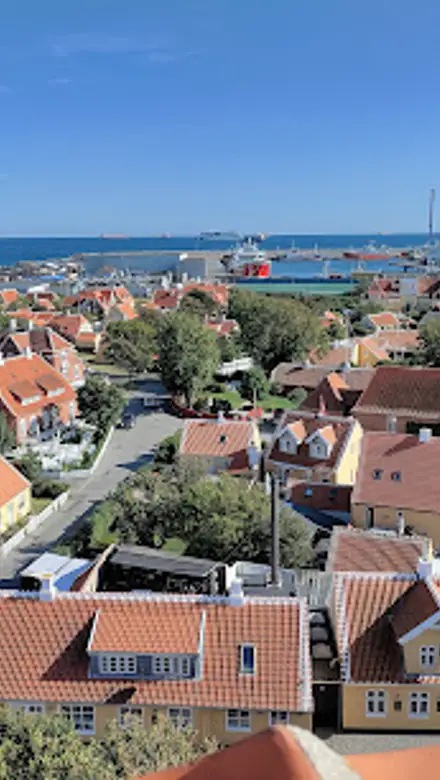
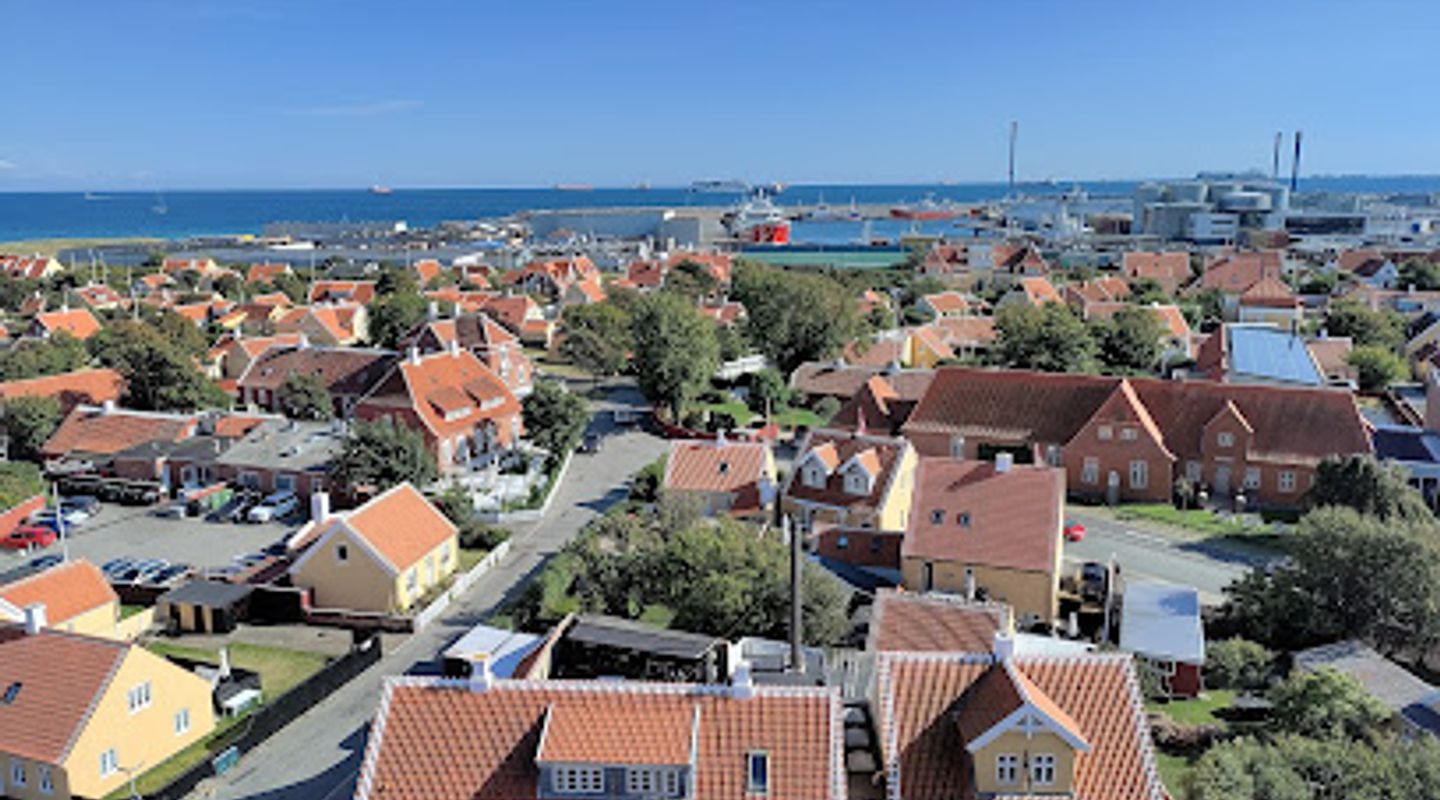
Skagens Museum sits in the heart of Skagen, where two seas meet and the fabled northern light has drawn artists for generations. Purpose-built and completed in 1928, the museum is devoted to the Skagen painters, a loose colony of Scandinavian artists who gathered here from the 1870s to the early 1900s. They came for the wide beaches, windswept dunes and clear, shifting skies – and stayed for the camaraderie and creative freedom they found in this small fishing town.Inside, airy galleries with white walls and generous daylight echo the painters’ love of natural illumination. Works by Anna and Michael Ancher, P.S. Krøyer, Laurits Tuxen and their contemporaries line the rooms, tracing a move from strict academic art to freer, plein-air painting. You see the coast in all its moods: sun-drenched summer evenings, stormy North Sea breakers and quiet scenes of boats pulled up on the sand.
Stories of the Skagen painter community
Beyond seascapes and sunsets, the collections reveal an intense human story. The Skagen painters formed a close-knit community of artists, writers and designers who gathered to discuss art, experiment with new ideas and portray everyday life around them. Group portraits show them sitting together at long tables, sketchbooks and wine glasses side by side, capturing the atmosphere of shared creativity.Many canvases focus on local fishermen and their families: women waiting on the shoreline, children playing in low, yellow houses, and men mending nets by lamplight. These works blend realism with empathy, recording a way of life that balanced hardship with resilience. The museum’s curatorial narrative places these images in context, highlighting how Skagen became a testing ground for new artistic directions in Scandinavia.
Highlight works and atmospheric rooms
Certain paintings have become almost synonymous with Skagen itself. Monumental beach scenes glow with pale blue evenings, while intimate interiors show shafts of light cutting across simple, whitewashed rooms. One moment you might be standing in front of a large coastal panorama; the next, you are drawn into a quiet domestic scene that feels almost cinematic in its framing.The museum also preserves the historic Brøndum Dining Room, transferred here from the nearby hotel that once served as the artists’ gathering place. Portraits of the colony’s members are set into the wood-panelled walls, turning the room into a three-dimensional group portrait. It is both gallery and time capsule, evoking nights of debates, laughter and plans that eventually led to the creation of the museum itself.
Architecture, garden and outdoor sculpture
The building, designed by architect Ulrik Plesner, reflects the modest, coastal character of Skagen. Low, white facades and red-tiled roofs echo the town’s traditional houses, while large windows and simple lines keep the focus on light and art rather than grandeur. This gentle architecture makes the museum feel approachable, almost like an oversized artist’s home rather than an imposing institution.Step outside and you find a carefully tended garden that acts as a buffer between museum and town. Pathways wind past trees, lawns and sculptures that pick up themes from the artworks indoors. The garden invites you to pause with a coffee, listen to seabirds overhead and notice how the same northern light that inspired the painters still transforms colours from one moment to the next.
Visiting today: exhibitions, café and sister houses
Skagens Museum now forms part of a trio of art sites in Skagen, alongside Anchers Hus and Drachmanns Hus, creating a wider tapestry of the artist colony’s life. Inside the museum, permanent displays are complemented by changing exhibitions that explore different angles on the Skagen painters and their legacy, as well as dialogues with newer Danish art.A small but inviting café offers a chance to linger between galleries, while the shop focuses on art books, quality reproductions and design objects connected to the Skagen milieu. Typical visits range from a relaxed hour for a quick overview to several hours if you dive into the details, combine indoor galleries with time in the garden and use the museum as a starting point for exploring the streets and shoreline that still mirror the scenes on its walls.
Evendo Review Centre
 Google
Guest reviews
Best time to go
Quietest: Jan, Feb & Nov · before 8am or from 8pm
Busy times are Evendo estimates for a typical year, to help you plan. Actual crowds vary with events, school holidays and the weather.
Explore Skagens Museum on the map
A handpicked selection of must-see spots near Skagens Museum, mapped for you.
Get your free copy of our complete guide to Skagens Museum, delivered straight to you.
Everything on this page, from opening hours and how to get there to Eve’s tips and the best time to go, in one PDF you can read offline, print or share.
Already have an account? Sign in
Your Skagens Museum guide is ready.
We'll send it to · Not you? Sign out

Getting your guide ready…
We are putting together a fresh copy of the Skagens Museum guide. This can take up to a minute.
This can take a few moments. If your browser asks, choose Allow so the download can start. You'll find the guide in your Downloads folder.
Nothing happened? Download it again
Sorry, the guide is taking longer than usual. Please try again in a minute, or get it by email instead.
Other nearby places you may find interesting
The closest places of the same kind, if this one is not quite what you had in mind.
-
-
-
-
-


Swipe for more places
More to explore near Skagens Museum

 Best experiences near Skagens Museum
 Best hotels near Skagens Museum
 Best landmarks near Skagens Museum
 Best attractions near Skagens Museum
 Best shops near Skagens Museum
 Best restaurants near Skagens Museum
 Best bars near Skagens Museum
Do you manage this location?
Take control to get all the benefits, like improved information, better appearance, and stronger visibility across AI-powered discovery.
Explore more
Explore more of Skagen
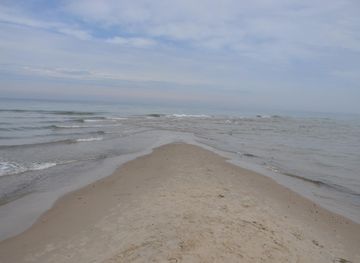
Discover Skagen, Denmark's northernmost town, where two seas meet, artists find inspiration, and nature's beauty is unparalleled.
Explore Skagen
Explore more of Denmark
Discover Denmark: A perfect blend of history, modern design, and the cozy concept of hygge. Explore vibrant cities, serene landscapes, and world-class cuisine.
Explore Denmark