
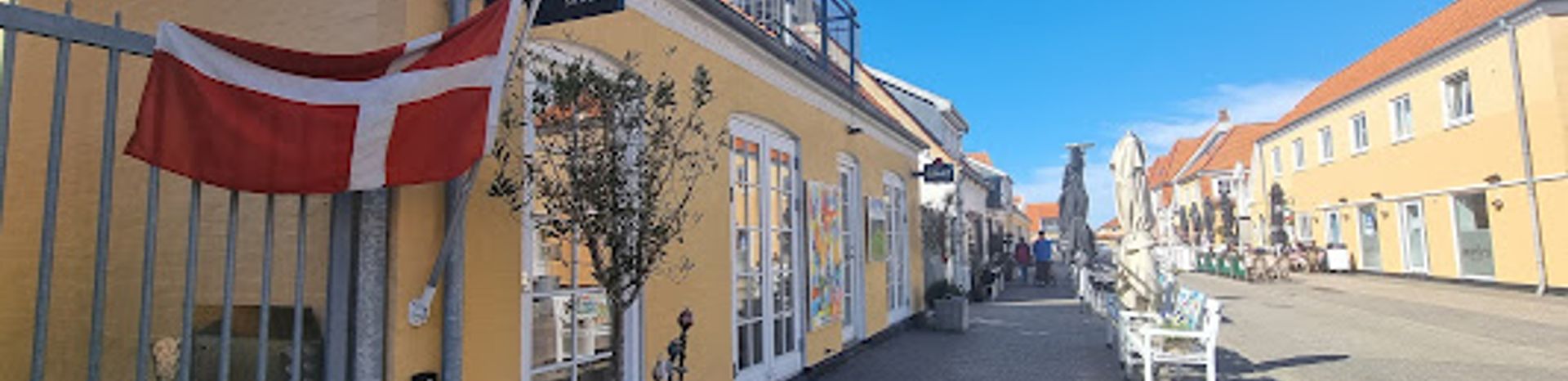
Find the right way to book Galleri Bo
See the available options, compare prices and reviews, and choose the one that fits your plans best.

Explore Denmark's vibrant west coast heritage at Esbjerg Museum, where local history, archaeology, and immersive exhibits bring Esbjerg's dramatic story to life.
Esbjerg Museum immerses visitors in the local history and culture of southwest Jutland, Denmark. Housed in a distinctive early-20th-century building, its exhibits chronicle the rise of Esbjerg from fishing village to modern port, highlight unique archaeological finds, and invite guests into life-sized historic streetscapes. Interactive displays and family-friendly activities make the museum an engaging experience for all ages.
Opening times, essentials, and a few local tips gathered into one calmer, easier-to-scan planning section.
Walking
From the heart of Esbjerg, it’s a pleasant 5–10-minute stroll to the museum, passing the lively pedestrian zone and the city’s iconic central square. The building is distinctive with its classic Danish brickwork, visible just beyond the bustling shops and cafés.
Public Transport
Local buses connect Esbjerg’s main train station and major hotels with the museum area. From most central stops, it’s a short journey—typically under 10 minutes. A single adult fare in the city is around DKK 24, with buses dropping visitors within a block of the museum entrance.
Taxi
Taxis from anywhere in central Esbjerg reach the museum in under 5 minutes, with typical fares for this short hop in the range of DKK 60–90. Taxis can drop passengers right at the museum entrance on Torvegade.
Driving/Parking
Paid parking facilities are available close to the museum; municipal meters average DKK 10–15 per hour. On busy weekends, spaces may fill quickly—consider arriving earlier for greater convenience.
Use Galleri Bo as your starting point for nearby food, family ideas, nightlife, and more local discoveries.

Explore expert travel guides, compare and book tours, experiences, hotels, and more—all from the palm of your hand. Download now for seamless trip planning wherever your wanderlust takes you.
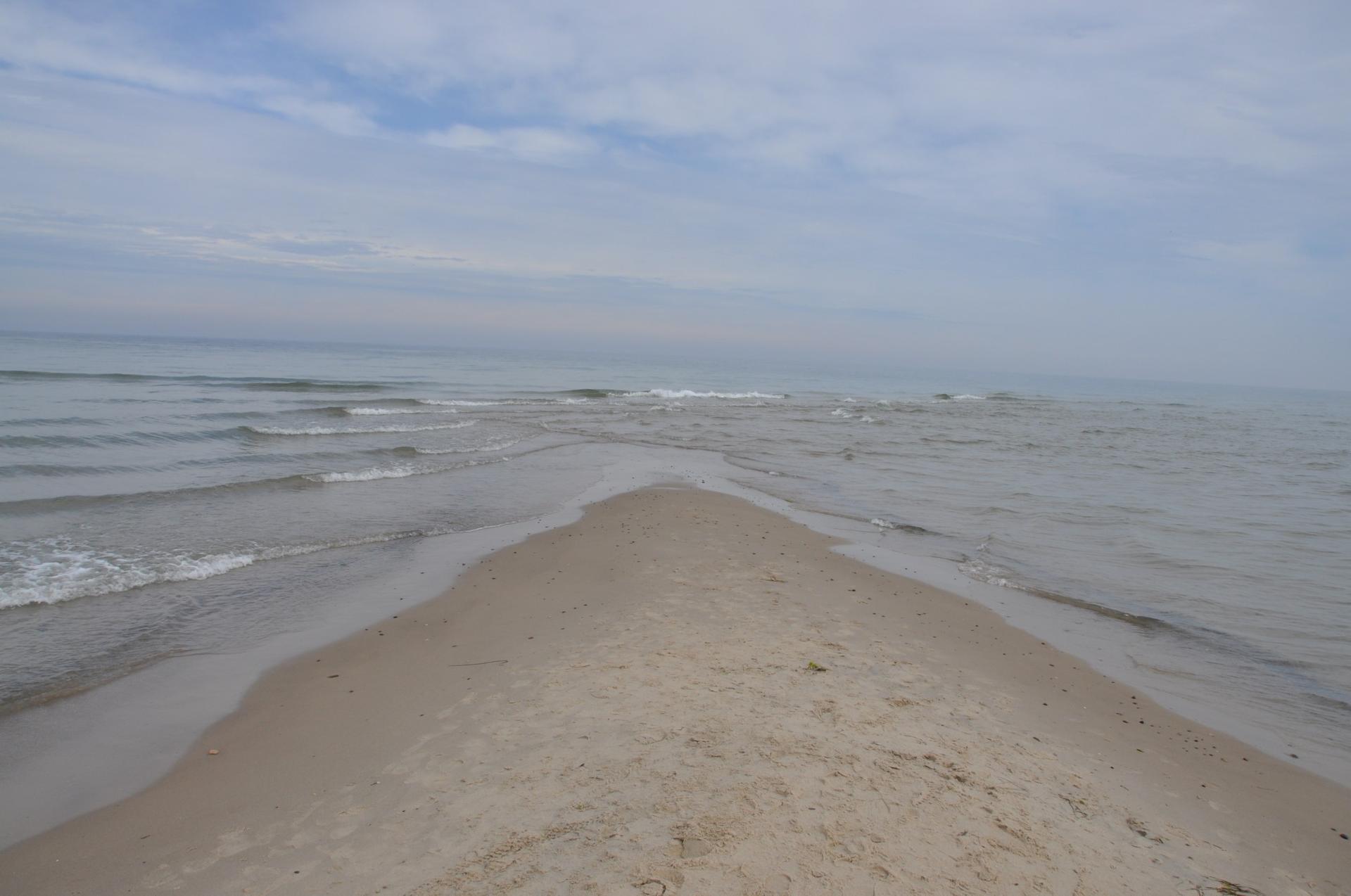
Discover Skagen, Denmark's northernmost town, where two seas meet, artists find inspiration, and nature's beauty is unparalleled.
Tell me more about Skagen


