Skagen Havn, Skagen Travel Guide
Free Guide: A bustling North Sea harbour where fishing fleets, cruise liners and a cosy marina meet under Skagen’s famous northern light.


A brief summary of Skagen Havn
A bustling North Sea harbour where fishing fleets, cruise liners and a cosy marina meet under Skagen’s famous northern light.
Skagen Havn is Denmark’s northernmost commercial and cruise harbour, a busy working port where the Skagerrak and Kattegat seas meet. Beyond its industrial quays and vast fishing fleet, the harbour opens onto a charming marina lined with red warehouses, seafood restaurants and bobbing yachts. It is a place where maritime industry, North Sea light and coastal holiday atmosphere blend into a distinctly Skagen experience.
On-site amenities
 Restrooms
 Drinking water
 Seating areas
 Sheltered areas
 Trash bins
 Information boards
 Visitor centre
- Address
- Krydstogtkajen, Frederikshavn
Getting there
Train and local bus from Frederikshavn
Car from Frederikshavn and North Jutland
Cycling along the coastal route
Discover more about Skagen Havn
Where Two Seas Shape a Working Waterfront
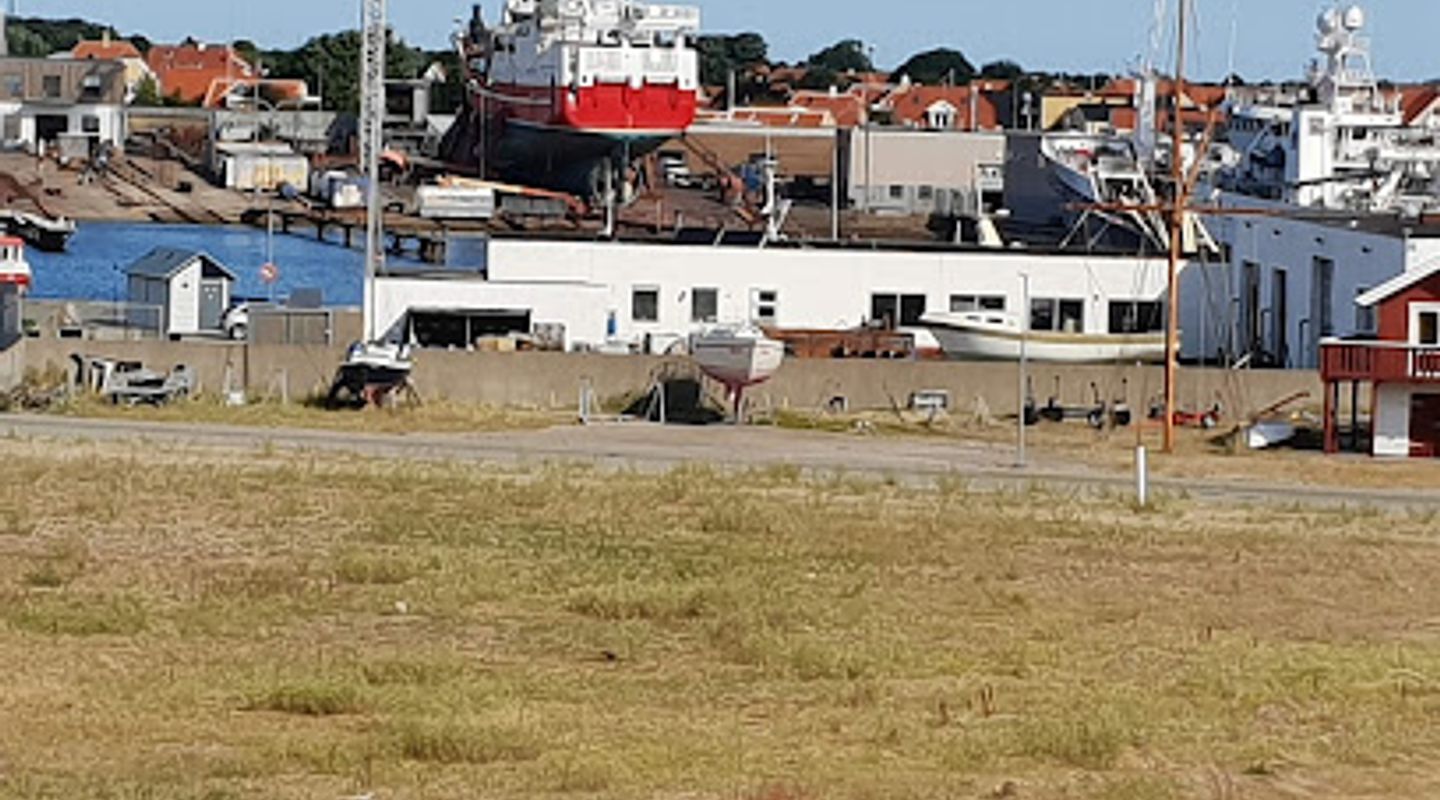
Skagen Havn stretches along the south coast of Skagen, at the very top of Denmark where the Skagerrak and Kattegat converge. This strategic position has made it one of the country’s most important maritime hubs, with quays and basins fanning out across more than a square kilometre of land and water. Fishing vessels, supply ships and visiting cruise liners share the same waters, creating an ever‑changing backdrop of hulls, masts and cranes.Despite its scale, the harbour is tightly interwoven with the town. From the quays you can see Skagen’s low yellow houses and red roofs, while the open horizon hints at the North Sea beyond. The constant movement of ships, forklifts and gulls gives the place an energetic, almost theatrical quality that tells you this is a living port rather than a stage set.
A Century of Maritime Enterprise
Officially opened in 1907, Skagen Havn was the result of decades of ambition to harness the rich fishing grounds off North Jutland. Early facilities included a harbour‑master’s house, fish warehouses and customs offices, soon joined by shipyards and processing plants. Over the 20th century the harbour kept expanding with new basins and deeper quays to match larger fleets and changing technology.Today it stands as Denmark’s leading fishing port, home to modern trawlers landing vast quantities of pelagic fish destined for markets and fish‑meal factories. Industrial silhouettes – storage tanks, conveyor systems and repair yards – line parts of the waterfront, yet there is still a clear visual link to the harbour’s origins in wooden boats, auction halls and hand‑mended nets.
From Fishing Docks to Cruise Gateway
In recent years Skagen Havn has added extensive cruise berths, allowing large ocean‑going ships to anchor within walking distance of town. Long straight piers with deep water on either side now accommodate some of the world’s largest liners, whose arrival transforms the harbour into a cosmopolitan stage for a few hours at a time.Yet the port has kept human‑scaled corners. Welcome facilities near the cruise quays provide information, rest areas and services, while shuttle buses and bikes fan out towards beaches, lighthouses and museums. The blend of heavy maritime infrastructure with relaxed seaside exploration has become a hallmark of Skagen’s role on Northern European cruise routes.
The Marina and Seaside Promenade
Tucked between the main basins is Skagen’s guest harbour, a marina framed by traditional red warehouses now housing seafood restaurants and cafes. In summer, sailing boats from across Scandinavia crowd into the berths, their rigging chiming softly in the wind. Tables spill out along the quayside, and the smell of grilled fish mixes with salt air and diesel.Simple yet practical facilities – showers, laundry, fuel and wi‑fi – cater to visiting crews, while land‑based travellers can simply stroll the promenade, watch boats manoeuvre in tight quarters and linger over an ice cream by the water. As evening light stretches over the masts, the marina offers a gentler counterpoint to the working docks nearby.
North Jutland Light and Harbour Atmosphere
What sets Skagen Havn apart is the distinctive coastal light that once drew the Skagen painters to this town. Even on a busy quay, the pale northern sky, crisp reflections on the water and long shadows from moored vessels lend a painterly quality to the scene. Stormy days bring crashing waves against the outer breakwaters and flurries of seabirds wheeling overhead; calm days reveal intricate mirror‑images of boats and warehouses.For travellers, the harbour is as much about atmosphere as activity. You might pause to watch a fishing vessel unload its catch, follow the curve of the breakwater out towards open sea, or simply sit on a bollard and listen to the layered soundtrack of horns, clanking rigging and distant ship engines. Skagen Havn is both gateway and destination: a place where Denmark’s maritime heartbeat is on full display at the edge of land.
Evendo Review Centre
 Google
Guest reviews
Best time to go
Quietest: Jan, Feb & Mar · before 5am
Busy times are Evendo estimates for a typical year, to help you plan. Actual crowds vary with events, school holidays and the weather.
Explore Skagen Havn on the map
A handpicked selection of must-see spots near Skagen Havn, mapped for you.
Get your free copy of our complete guide to Skagen Havn, delivered straight to you.
Everything on this page, from opening hours and how to get there to Eve’s tips and the best time to go, in one PDF you can read offline, print or share.
Already have an account? Sign in
Your Skagen Havn guide is ready.
We'll send it to · Not you? Sign out

Getting your guide ready…
We are putting together a fresh copy of the Skagen Havn guide. This can take up to a minute.
This can take a few moments. If your browser asks, choose Allow so the download can start. You'll find the guide in your Downloads folder.
Nothing happened? Download it again
Sorry, the guide is taking longer than usual. Please try again in a minute, or get it by email instead.
Other nearby places you may find interesting
The closest places of the same kind, if this one is not quite what you had in mind.
-
-
-
-
-


Swipe for more places
More to explore near Skagen Havn

 Best experiences near Skagen Havn
 Best hotels near Skagen Havn
 Best landmarks near Skagen Havn
 Best attractions near Skagen Havn
 Best shops near Skagen Havn
 Best restaurants near Skagen Havn
 Best bars near Skagen Havn
Do you manage this location?
Take control to get all the benefits, like improved information, better appearance, and stronger visibility across AI-powered discovery.
Explore more
Explore more of Skagen
Discover Skagen, Denmark's northernmost town, where two seas meet, artists find inspiration, and nature's beauty is unparalleled.
Explore Skagen
Explore more of Denmark
Discover Denmark: A perfect blend of history, modern design, and the cozy concept of hygge. Explore vibrant cities, serene landscapes, and world-class cuisine.
Explore Denmark