Skagen Station, Skagen Travel Guide
Denmark's northernmost railway station, where historic yellow architecture meets the gateway to two seas.
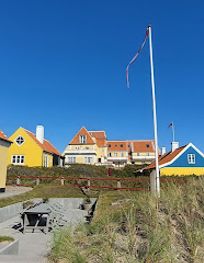
Denmark's northernmost railway station, Skagen Station is a charming historic landmark featuring distinctive yellow-plastered architecture with red tiled roofs. Built in 1919 by architect Ulrik Plesner, this beautifully preserved station serves as the northern terminus of the Skagensbanen line and offers convenient access to Skagen's city center, beaches, and famous natural attractions including Grenen where two seas meet.
A brief summary to Skagen Station
- Skagen, DK
- Duration: 0.25 to 1 hours
- Free
-
 Outdoor
- Mobile reception: 4 out of 5

Know before you go
Hi, I'm Eve. Here are a few practical things to know before exploring Skagen Station.
- The station has no restroom facilities. Plan to use facilities in town before or after your visit, or locate the nearest café or restaurant.
- Bicycle rental is available near the station, making it an excellent way to explore Skagen's attractions including Grenen and Råbjerg Mile.
- Visit during daylight hours to fully appreciate the station's distinctive yellow and red architecture and take photographs of this charming historic building.
- The station is just a few minutes' walk from Skagen's city center, harbor, and main attractions—no transport needed once you arrive.
- Automatic ticket machines and Rejsekort recharge points are located outside the station for convenient journey planning.
Do you manage this location?
Take control to get all the benefits, like improved information, better appearance, and stronger visibility across AI-powered discovery. Learn more about listing your business on Evendo
Activate your presenceOther nearby places you may find interesting
The closest places of the same kind, if this one is not quite what you had in mind.

Explore Skagen Station on the Map
A handpicked selection of must-see spots near Skagen Station, mapped for you.
Getting There
-
Train from Frederikshavn
Nordjyske Jernbaner operates frequent local trains from Frederikshavn to Skagen, with service throughout the day. Journey time is approximately 45 minutes to 1 hour. Trains depart regularly, typically every 1–2 hours depending on the time of day. Single tickets cost around 85–95 DKK. From Frederikshavn, you can connect to national DSB services to reach other Danish cities including Copenhagen (approximately 7 hours total travel time).
-
Bus from Aalborg
Direct bus services operate from Aalborg Airport and city center to Skagen, with journey time of approximately 2–2.5 hours. Several operators including FlixBus offer budget-friendly options, though journey times may extend to 3 hours depending on stops. Fares typically range from 100–200 DKK. Buses arrive at or near the town center, within walking distance of the station.
-
Car via Route 40
Drive via the E45 highway to Frederikshavn, then follow Danish national road 40 northward to Skagen (approximately 41 km from Frederikshavn, 45 minutes to 1 hour driving time). Metered parking is available near the station, though free short-term parking exists elsewhere in town. During peak summer season, traffic can be congested; consider visiting outside July–August for easier access.
-
Bicycle from Town Center
Bicycle rental services are available near the station. Skagen is compact and bike-friendly, making cycling an excellent way to explore. The station is centrally located, and most attractions including Grenen (2–3 km away) are accessible by bike on flat terrain. Rental costs typically range from 50–100 DKK per day.
For the on-the-go comforts that matter to you
-
 Information Boards
-
 Drink Options
-
 Food Options
-
 Seating Areas
Discover more about Skagen Station
A Gateway to Denmark's Northern Tip
Skagen Railway Station stands as the most northerly railway station in Denmark, serving as the vital northern terminus of the Skagensbanen railway line that connects Skagen to Frederikshavn and beyond. Opened in 1890 as a narrow-gauge terminus to serve the newly constructed railway, the station has evolved into an essential transport hub for visitors arriving at Denmark's northernmost town. The station's strategic location in the central part of Skagen, positioned along Sankt Laurentii Vej, places it within easy walking distance of the town's charming streets, harbor, and attractions.Architectural Heritage and Design Excellence
The current station building, constructed in 1919, represents a masterpiece of early 20th-century Danish railway architecture. Designed by renowned architect Ulrik Plesner, the station exemplifies the distinctive aesthetic that defines Skagen's historic character. The building features the town's signature yellow-plastered walls accented with red tiled roofs and white trimmings, a style Plesner championed throughout Skagen from 1890 to 1930. The original 1890 station, designed by architect Thomas Arboe, was replaced following the 1924 conversion of the railway from narrow gauge to standard gauge—a transformation that necessitated extensive modifications to the station layout and the railway's right-of-way through town.The station's interior reflects its historical significance, including a former royal waiting room that was furnished to accommodate King Christian X of Denmark, who established the villa Klitgården nearby as a summer residence for the Danish royal family. This royal connection underscores Skagen's importance as a destination of national significance.Modern Operations and Connectivity
Today, Nordjyske Jernbaner operates frequent local train services connecting Skagen with Frederikshavn, where passengers access onward connections to the broader Danish railway network operated by DSB. The station provides reliable, regular service throughout the day, making it an accessible entry point for travelers from across Denmark and beyond. During the 1990s, the station enjoyed direct InterCity connections to Copenhagen, reflecting its role as a major tourist destination. The station building now houses practical amenities including automatic ticketing machines and Rejsekort recharge points, ensuring travelers can manage their journey logistics efficiently.Visitor Experience and Practical Considerations
The station's location offers immediate convenience for arriving passengers. A short walk from the platform leads directly into Skagen's city center, where restaurants, shops, and accommodations await. Bicycle rental services and a supermarket are located nearby, supporting visitors planning outdoor exploration of the surrounding landscape. However, travelers should note that the station itself does not provide restroom facilities, requiring visitors to plan accordingly before arrival or seek facilities in the town center.The station serves as the natural starting point for exploring Skagen's remarkable attractions. From here, visitors can reach Grenen—the northernmost point of Denmark where the North Sea and Baltic Sea meet—Råbjerg Mile's migrating sand dunes, the Buried Church, and the iconic Skagen Lighthouse. The station's position makes it an ideal base for experiencing both the town's cultural heritage and its dramatic natural landscape.Historical Significance in Railway Development
The conversion of the Skagensbanen from narrow gauge to standard gauge in 1924 represents a pivotal moment in Danish railway history. This transformation eliminated the need for cargo transfers in Frederikshavn, particularly for the fish that formed the economic lifeblood of Skagen's fishing industry. The station's redesign during this period reflects the practical demands of a working port town while maintaining architectural dignity and aesthetic appeal.












Your all‑in‑one travel companion app
Explore expert travel guides, compare and book tours, experiences, hotels, and more—all from the palm of your hand. Download now for seamless trip planning wherever your wanderlust takes you.


Explore More of Skagen
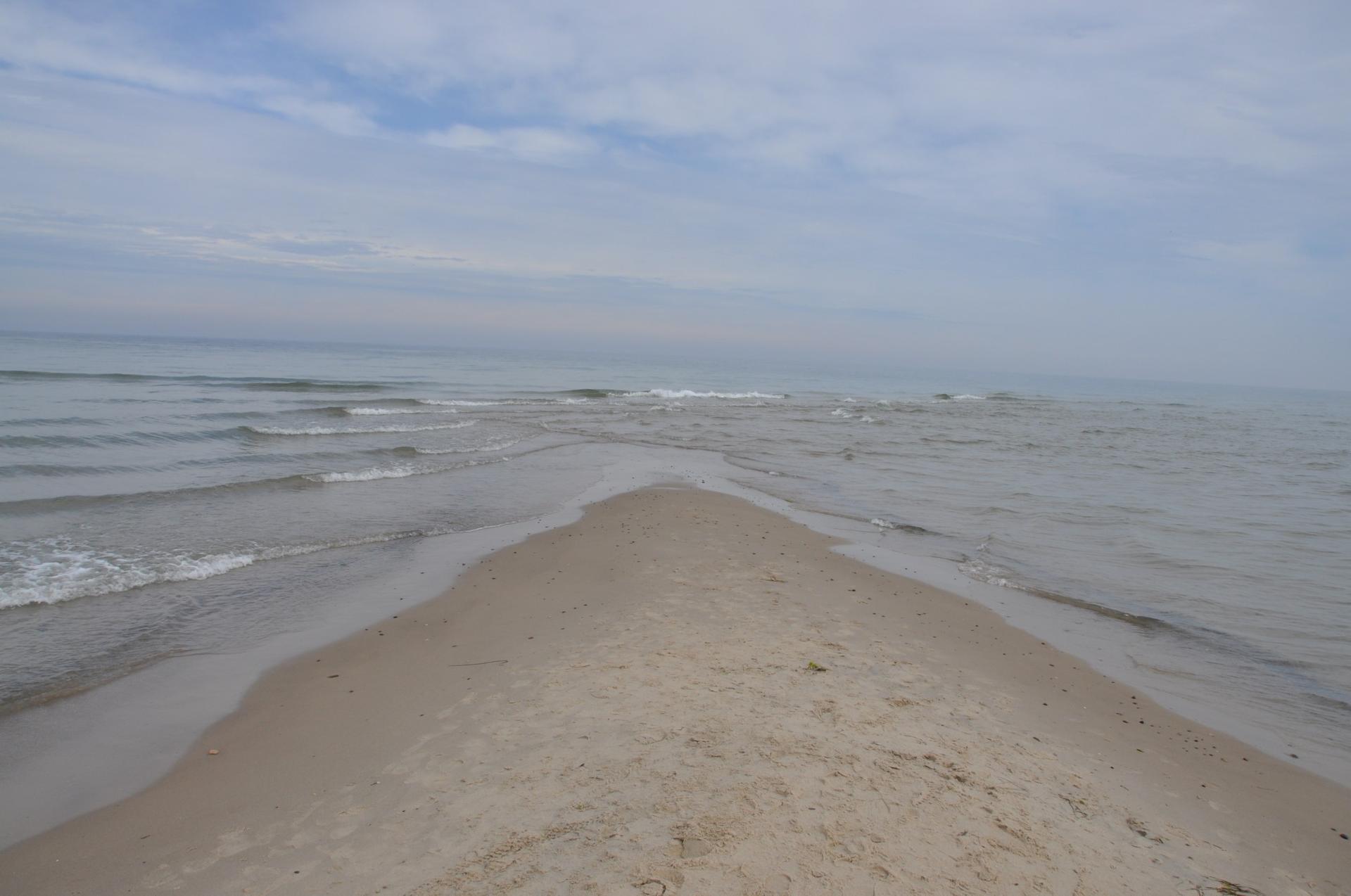
Looking beyond Skagen Station? Discover Skagen for broader travel guides, local hot-spots, and regional highlights.
Explore Skagen