
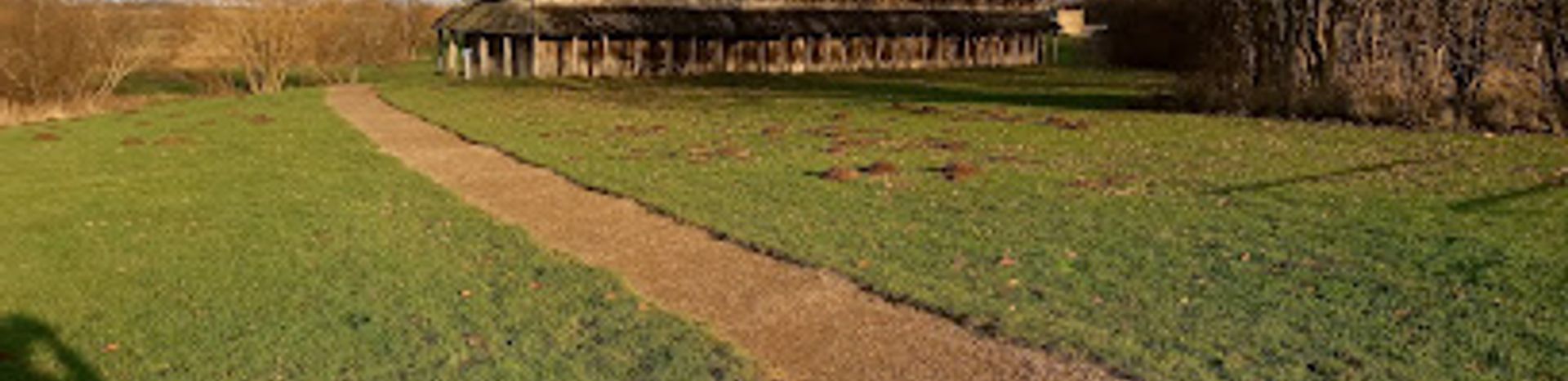
Trelleborg Viking Fortress
Denmark's premier Viking ring fortress: Harald Bluetooth's circular bastion of power, now a UNESCO gem amid Zealand's whispering river valleys.
Trelleborg, near Slagelse on Zealand, stands as Denmark's best-preserved Viking ring fortress, built around 980 AD by King Harald Bluetooth. This UNESCO World Heritage site features massive circular ramparts, deep moats, and traces of longhouses, offering a glimpse into Viking military might amid a scenic river valley. The adjacent museum displays excavated artifacts, while reconstructed buildings and seasonal activities immerse visitors in 10th-century life.
A brief summary to Trelleborg
- Trampestien Tude Ådal, Slagelse, 4200, DK
- Visit website
- Duration: 1 to 3 hours
- Budget
-
 Outdoor
- Mobile reception: 4 out of 5
Local tips
- Time your visit for summer when interactive Viking activities like archery, bread-baking, and rune-carving bring the site alive.
- Explore early morning or late afternoon to enjoy quieter paths and optimal light over the ramparts and surrounding bog.
- Pack layers; the open site exposes you to Zealand's breezes, especially near the streams.
- Check for special events like the July Viking Festival for markets, battles, and live demonstrations.

For the on-the-go comforts that matter to you
- Restrooms
- Drink Options
- Food Options
- Seating Areas
- Sheltered Areas
- Trash Bins
- Information Boards
- Visitor Center
Getting There
-
Train + Bus
Take an InterCity train from Copenhagen to Slagelse (1-1.5 hours, DKK 150-200), then bus 312 northwest to Trelleborg stop (15-20 minutes, DKK 25); services run hourly but less frequent outside peak times.
-
Car
Drive from Copenhagen via E20 west (1-1.25 hours, 100km); free public parking available on-site, though spaces fill during festivals and weekends.
-
Train + Bike Rental
Train from Copenhagen to Slagelse or Korsør (1-1.5 hours, DKK 150-200), rent bikes at Korsør station for delivery (DKK 100/day); 20-30 minute ride on flat paths, suitable year-round.
-
Walking from Slagelse
From Slagelse station, walk 6km northwest via marked paths along Tude Å (1.25-1.75 hours); flat terrain with some gravel, best in dry weather, not ideal after rain.
Trelleborg location weather suitability
-
 Any Weather
-
 Mild Temperatures
-
 Rain / Wet Weather
Discover more about Trelleborg
Harald Bluetooth's Strategic Masterpiece
Trelleborg emerges from the landscape west of Slagelse as a testament to Viking engineering prowess. Constructed circa 980 AD under King Harald Bluetooth, this circular fortress exemplifies the ring forts that symbolized Denmark's unification and military expansion. Positioned on what was then a peninsula amid swampy terrain between the Vårby Å and Tude Å rivers, it overlooked a navigable lake linking to the Great Belt, commanding vital sea routes between Zealand and Funen. The design is impeccably geometric: a perfect circle roughly 180 meters in diameter, encircled by ramparts up to 17 meters wide, bolstered by oak timbers, stones, and a profound moat. Four gates aligned to the cardinal directions funneled access, while internal roads bisected the interior into quadrants, each housing four longhouses for approximately 500-700 warriors.Architectural Precision and Defensive Genius
What sets Trelleborg apart is its mathematical symmetry, rare among Viking structures. The fortress's layout reflects advanced planning, possibly for rapid assembly and tactical efficiency during Harald's campaigns against the Holy Roman Empire. Earthworks and wooden palisades formed an impregnable barrier, with the central crossroads enabling swift troop movements. Excavations reveal the scale of resources invested—nearly half of Zealand's oak supply reportedly went into its construction. Longhouses, measuring about 30 by 9 meters, clustered in precise formations, their postholes and hearths still discernible in the grassy contours today. A unique inner bailey hints at elite quarters or command centers.From Viking Stronghold to Open-Air Museum
Post-Viking Age transformations reshaped the site. Post-glacial rebound lifted the land, shrinking swamps into streams and bogs. Rediscovered in the 20th century, one longhouse was reconstructed in 1948, though later studies refined its authenticity. Since 1995, the Trelleborg Museum has curated the site's narrative, showcasing artifacts like tools, weapons, and Denmark's sole preserved Viking shield. The grounds now blend monument with experiential space. Visitors wander rampart outlines, peer into foundation outlines, and explore a Viking village replica at Slagløse, where summer programs revive ancient crafts. Ongoing restorations, including digital enhancements and Tude Å valley rejuvenation, ensure the site's vitality.UNESCO Legacy and Cultural Resonance
In 2023, Trelleborg joined four sister ring forts on the UNESCO World Heritage List, honoring their role in the Jelling Dynasty's power projection. These bastions underscore Harald's Christianization efforts alongside pagan military traditions, bridging eras in Danish history. The fortress echoes in literature, from Michael Crichton's Eaters of the Dead to sagas of Svein Forkbeard. Annual Viking festivals in July animate the grounds with markets, reenactments, and clashes evoking Harald's era, drawing modern seekers to this timeless enclave.Iconic landmarks you can’t miss

Breddysse Stones
4.8 km
A modest Neolithic dolmen in the fields near Slagelse, where ancient burial stones, open skies, and quiet farmland meet in a quietly powerful landscape.

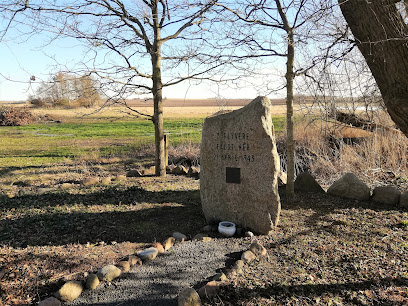
RAF Memorial Stone
4.9 km
Small rural monument, big wartime story: a quiet Danish field where seven RAF airmen are remembered with a single steadfast stone.
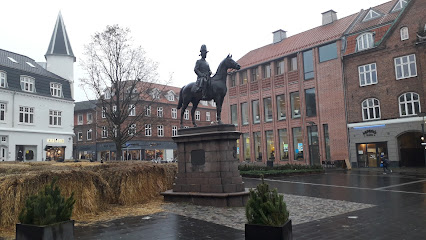
Rytterstatue af Christian IX
5.7 km
Bronze king on horseback surveys Slagelse from Schweizerpladsen—a citizen-honored tribute to Christian IX's enduring reign, sculpted with poised majesty.
Vandtrappen
5.7 km
A small yet compelling ceramic water sculpture in Slagelse’s Rosengården, where stepped cascades and quiet sound turn an everyday square into a contemplative urban pause.

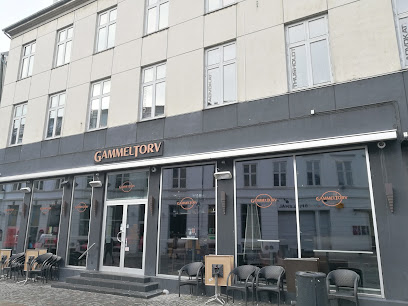
Gammeltorv
5.8 km
Copenhagen's 12th-century heart: Renaissance fountain, Neoclassical facades, and Strøget buzz in one timeless square.
Mindesten for Hans Tausen
6.2 km
A modest granite stone in a quiet Slagelse green, marking the birthplace of Denmark’s Lutheran Reformation story at the former Antvorskov monastery.
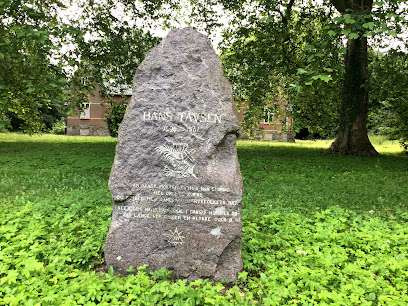
Stendysse ved Blæsinge
7.7 km
A modest Neolithic stone tomb in the fields near Blæsinge, offering a quiet roadside glimpse into western Zealand’s Stone Age landscape and rituals.

Træ-cirklerne ved Birkendegård
30.3 km
Subtle traces in the fields east of Kalundborg reveal a vast Neolithic ring monument, Denmark’s “Stonehenge”, encircling the hill of Overdrevsbakken.
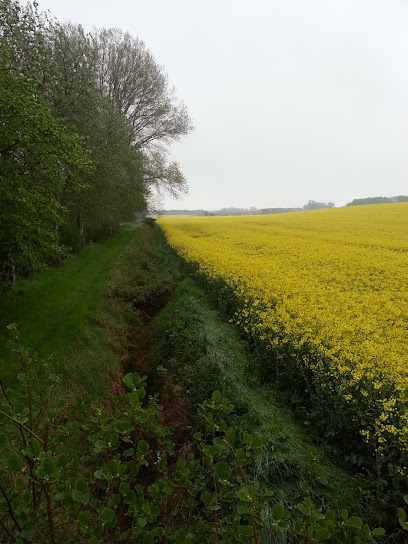
Nyborg St.
30.6 km
A historic rail gateway on Funen’s east coast, Nyborg Station links castle town charm with fast, modern connections across Denmark via the Great Belt.
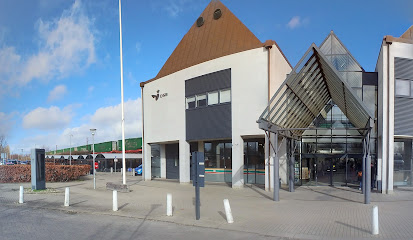
Nyborg Vold
31.0 km
Stroll the grassy ramparts and mirror-still moats that once guarded Denmark’s medieval power center, now a peaceful green belt wrapping historic Nyborg.

Lerchenborg Gods
31.3 km
An impeccably symmetrical Baroque–Rococo manor near Kalundborg, where preserved architecture, parkland and quiet countryside evoke centuries of Danish noble life.
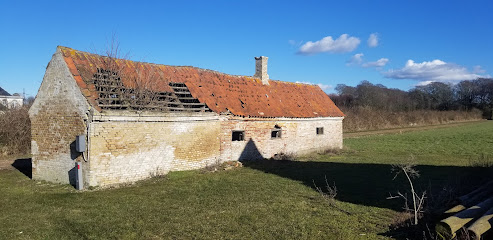
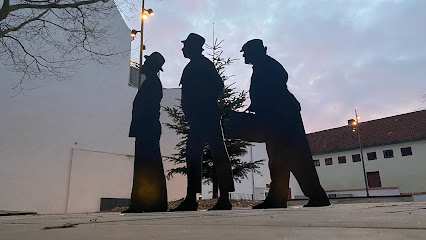
Erik Ballings Plads
31.3 km
Where Danish cinema's greatest visionary is celebrated through iconic characters and cultural memory.
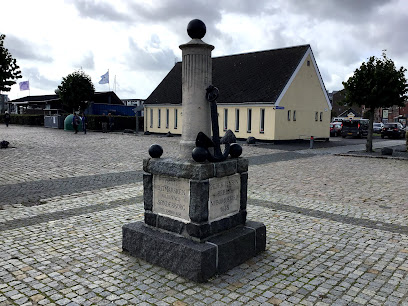
Mindesmærke for kaptajn Peter Bredal
31.4 km
A solemn memorial to a 17th-century Danish captain whose frozen fleet became legend.
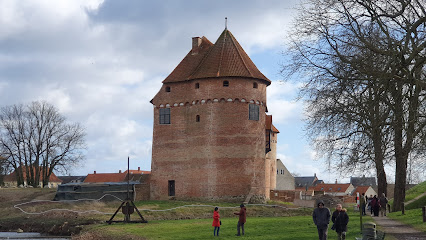
Nyborg Fortress
31.6 km
Medieval parliament seat where Danish kings shaped a nation's destiny and founded a Nordic empire.
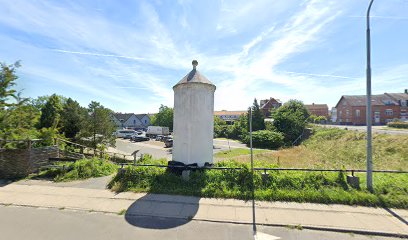
Den Hvide Jomfru
31.7 km
A modest white monument on Nyborg’s old fortress embankment, Den Hvide Jomfru blends legend, landscape and history into a quiet, atmospheric pause.
Unmissable attractions to see

Trelleborg - Museum of the Viking Age
0.4 km
A thousand-year-old Viking ring fortress where Harald Bluetooth’s warriors, longhouses and legends still shape the windswept fields of West Zealand.

Kong Slags Dysse
2.5 km
Experience Denmark's largest organic vineyard with award-winning wines and scenic tours in Karrebæksminde.

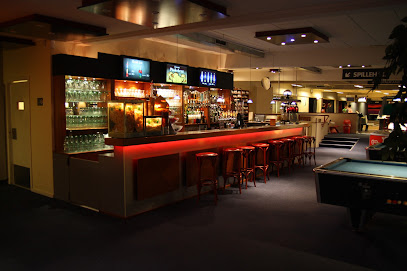
Restaurant Superbowl & Golfcenter Slagelse
5.3 km
Slagelse's premier entertainment complex blending bowling, golf, dining, and games for unforgettable family fun.
Slagelse Museum
5.5 km
Step into old Slagelse at this intimate town museum, where recreated shops, homes and changing exhibitions bring West Zealand’s everyday history vividly to life.

Slagelse Model Jernbane Klub
5.5 km
An attic above Slagelse Station where Danish railway history is reimagined in detailed 1:45 scale, run by passionate model train enthusiasts.

Vægmaleri
5.6 km
Experience the fusion of history and modern art at Slagelse's vibrant street mural by Peter Skensved.
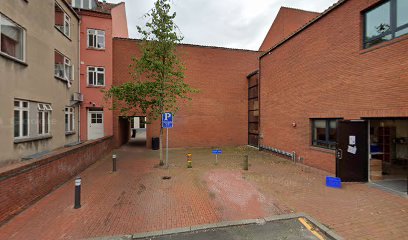
Gerlev Legepark
5.9 km
A three-hectare open-air playground where traditional Nordic games, Viking-inspired challenges and low-tech fun turn West Zealand’s fields into one huge shared game board.

Vægmaleri - VestsjællandsCentret
5.9 km
A splash of urban colour on the side of VestsjællandsCentret, this open-air mural adds creative flair to everyday shopping streets in the heart of Slagelse.

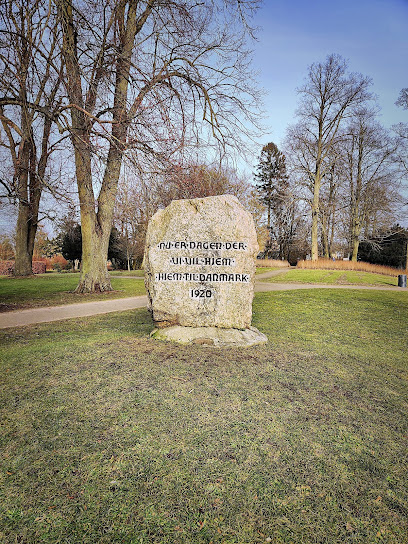
Genforeningssten i Slagelse
6.0 km
Diskret granitsten på en lille jordhøj i Slagelse, hvor genforeningen i 1920 er hugget i sten midt i et roligt, grønt anlæg.
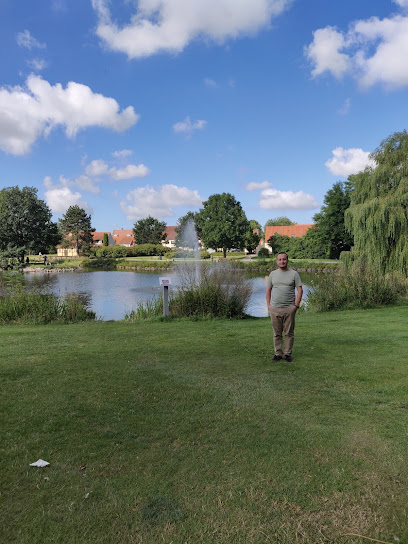
Øen i søen
6.0 km
A tiny green island in a calm lake, Øen i søen offers an easy escape into water, sky and quiet lawns just a short stroll from everyday Slagelse life.
Lystanlægget Slagelse
6.1 km
Historisk bypark med søer, blomsterbede og roligt hverdagsliv – et grønt åndehul med legeplads, stier og plads til picnic, lige ved centrum af Slagelse.

Antvorskov Klosterruin, Slagelse
6.1 km
Atmospheric monastery and castle ruins on Slagelse’s edge, where low stone walls, open grass and big skies trace the story of a powerful medieval order.

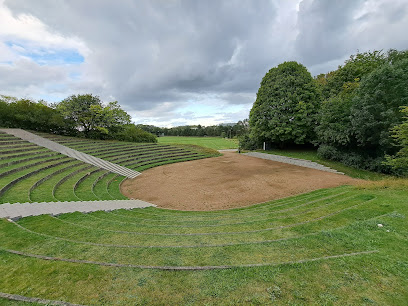
Amphiteater
6.4 km
A small open-air stage carved into the greenery of Slagelse, where local performances, picnics and quiet pauses share the same gently sloping grassy bowl.
Stillinge Strand
6.6 km
A gently shelving sandy beach near Slagelse, where shallow waters, fine sand and wide sunsets create a relaxed slice of Danish west-coast seaside life.

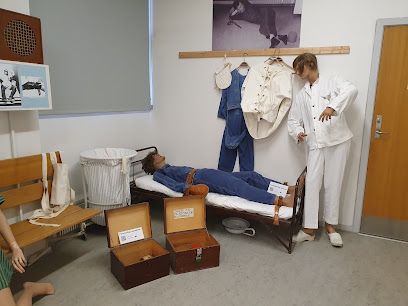
Danish Forsorgshistorisk Museum
7.0 km
A powerful museum inside the former Andersvænge institution, tracing Denmark’s stark history of disability care from segregation and control to rights and inclusion.
Essential places to dine

Tayyib Food
3.6 km
Denmark's only kebab producer with integrated meat-cutting and butchery operations.
Kantine
4.1 km
Unfussy, canteen‑style dining on Karolinevej in Slagelse, serving hearty everyday meals and coffee to locals, workers and curious visitors on a budget.
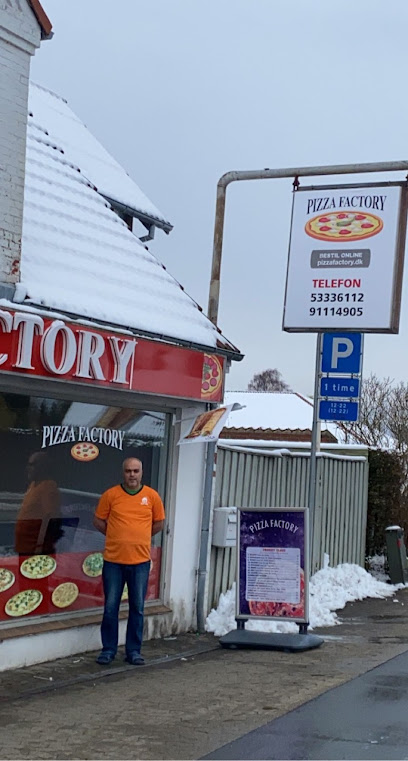
PIZZA FACTORY
4.3 km
Casual neighborhood pizzeria and grill in western Slagelse serving generously topped pizzas, kebab, burgers and family-friendly fast food at moderate prices.
strippen på prærien
4.7 km
Savor pristine angler fish in Slagelse's cozy seafood sanctuary, where fresh catches meet Danish simplicity and warm hospitality.

Grill Mania
4.7 km
Casual central Slagelse grill joint serving hearty fast-food favorites, ideal for quick lunches, easy dinners, and takeaway on the go.
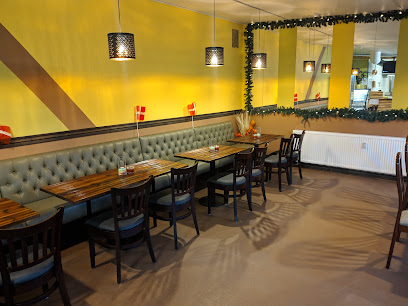
Downtown
5.3 km
Straightforward pizza and grill in central Slagelse, serving generous comfort food, long hours and easy takeaway from a relaxed, family-friendly setting.
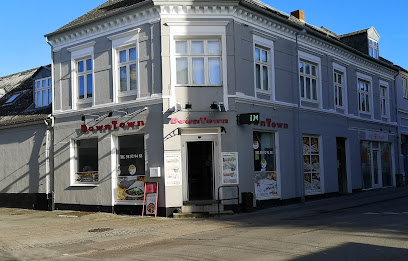
Viking Pizza
5.3 km
Straightforward Bredegade pizzeria in central Slagelse, serving classic Danish‑style pizzas, burgers and grill dishes for quick, budget‑friendly meals and easy takeaway.
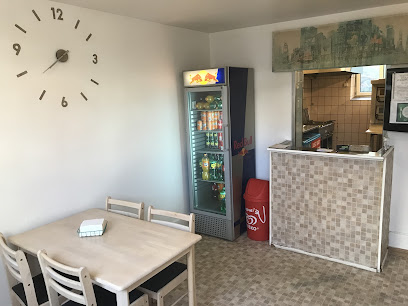
Country og Western House ApS
5.5 km
Experience authentic Danish flavors at Country og Western House ApS in Slagelse - a must-visit for food lovers.
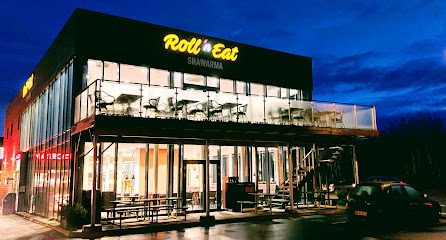
Roll 'n Eat - Slagelse
5.5 km
Denmark's first kebab drive-thru serving fresh shawarma and quality fast food in Slagelse.
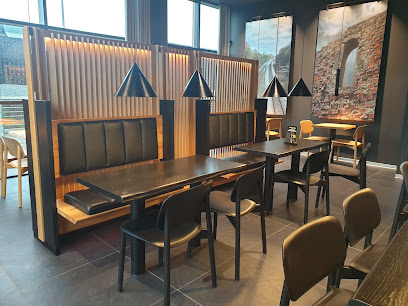
Sunset Boulevard
5.5 km
Modern Danish fast-food stop in Slagelse offering burgers, sandwiches and quick, casual meals with long opening hours and convenient takeaway options.
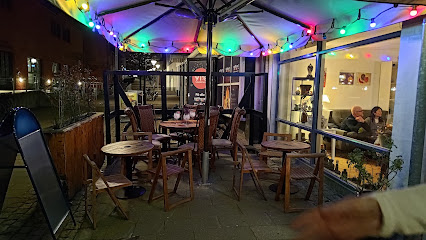
Caféteket
5.6 km
Cosy vegan café-bar in central Slagelse, blending homemade plant-based comfort food with retro interiors, vintage porcelain and an intimate, living-room atmosphere.
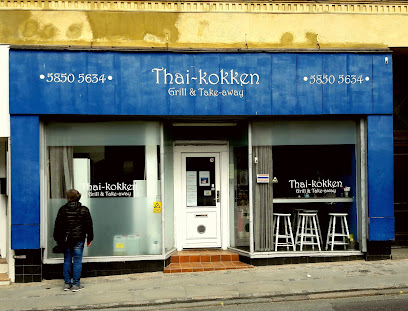
Thai-Kokken Grill & Takeaway
5.6 km
Casual Thai grill and takeaway in central Slagelse, serving box menus, curries and stir-fries for easy dinners, quick pick-ups and convenient local catering.
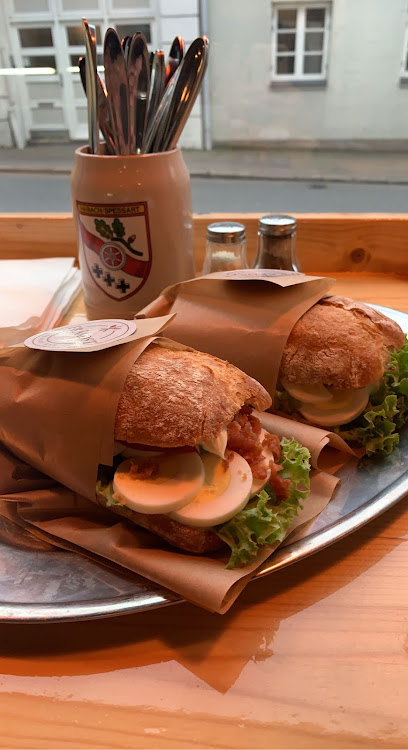
Fråkost
5.6 km
Fresh Danish sandwiches and smørrebrød crafted with quality ingredients in casual Slagelse lunch spot.
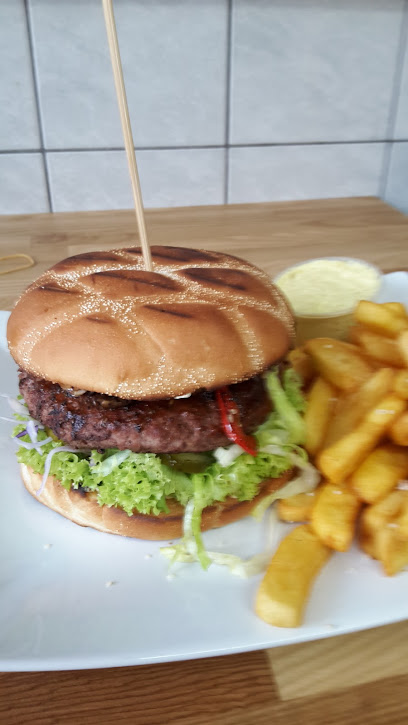
Slagelse Lille Køkken
5.6 km
Compact fast-food favorite in central Slagelse serving generous burgers, barbecue-style chicken and hearty takeaway meals at friendly prices.
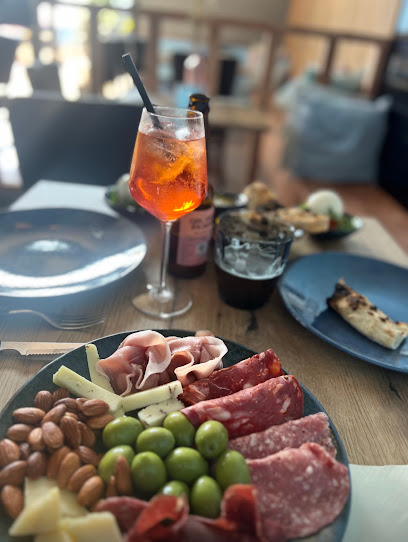
MA TEO Madbar Slagelse
5.6 km
Neighbourhood Italian madbar in Slagelse serving Neapolitan pizza, antipasti and easygoing drinks in a relaxed, evening-only setting with dine-in and takeaway.
Markets, malls and hidden boutiques

Dansk
4.0 km
Straightforward, family-focused fashion in Slagelse, with seasonal styles and familiar brands for kids, teens and adults gathered under one practical roof.

Frede's Neat Things
4.1 km
Curated vintage and antique treasures in the heart of Slagelse for collectors and design enthusiasts.
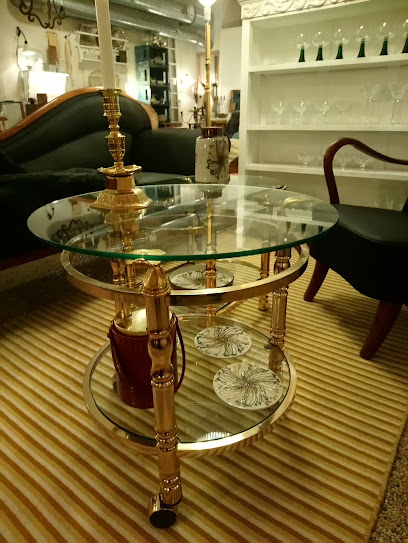
Red Cross charity shop - Slagelse
5.7 km
Volunteer-run second-hand treasure trove in central Slagelse, where ever-changing bargains meet everyday Danish life and each purchase supports Red Cross humanitarian work.
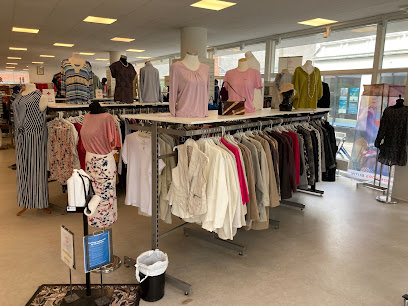
Kant By K
5.7 km
Cosy women’s fashion boutique in central Slagelse, blending Scandinavian style, personal styling advice and a relaxed, small-town atmosphere on Rosengade.
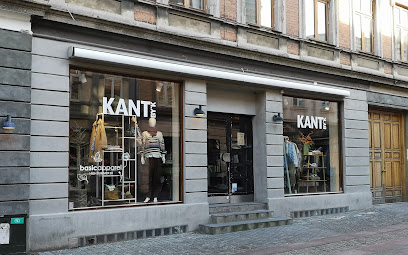
Only Curves
5.7 km
Stylish plus-size fashion that celebrates curves with quality, comfort, and contemporary flair in the heart of Slagelse.
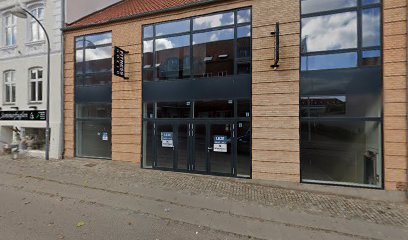
Sophie B
5.7 km
Local women’s boutique in central Slagelse, blending relaxed Scandinavian style, personal advice and a compact, easy-to-browse selection of wearable pieces.
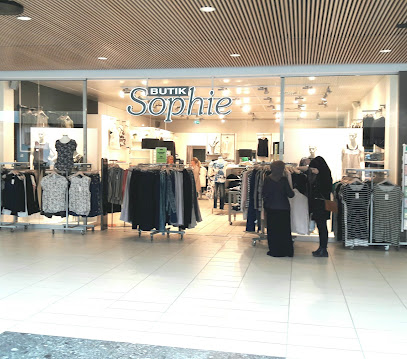
Templet
5.7 km
Handcrafted jewellery and watches celebrating life's precious moments in central Slagelse.
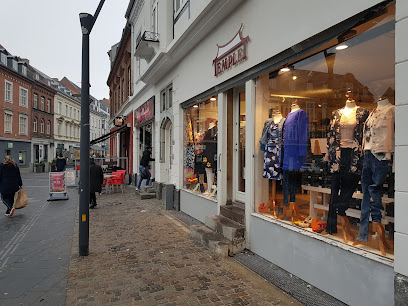
Bazar Slagelse
5.7 km
Denmark's largest specialty supermarket bringing 2,000+ global flavors to Slagelse since 2009.
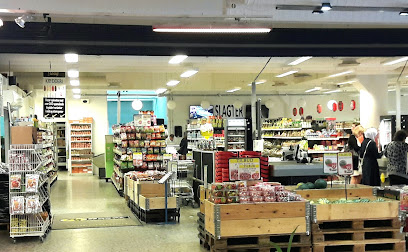
Concept
5.7 km
Central Slagelse boutique for modern Scandinavian-inspired womenswear, shoes and accessories, ideal for a relaxed browse and a wearable Danish-style souvenir.
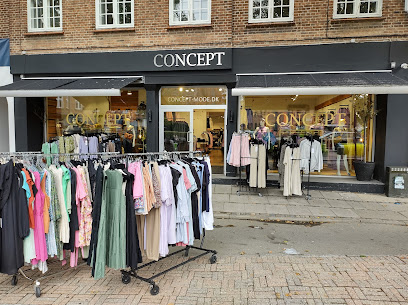
Butik Sophie Vestsjællandscenteret
5.7 km
Intimate women’s fashion boutique inside modern Vestsjællandscentret, offering Scandinavian-style outfits and relaxed browsing in the heart of Slagelse.
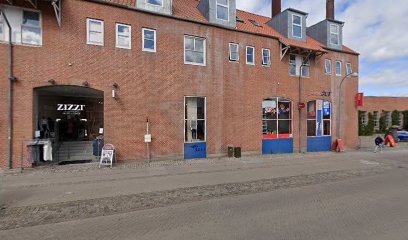
Rådhuskroen v/Inge & Hother Nielsen
5.7 km
A quietly traditional clothing shop on Schweizerpladsen, where personal service, classic garments and a local, owner‑run feel define the experience.
Javahuset
5.7 km
Premium coffee and curated gifts in Slagelse's charming city center.
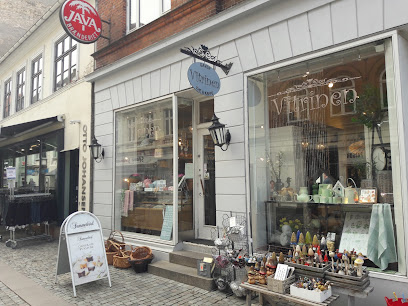
NIELSENs
5.7 km
Bright, modern clothing store in central Slagelse, bringing Scandinavian high-street style for women, men and children together in one convenient indoor stop.
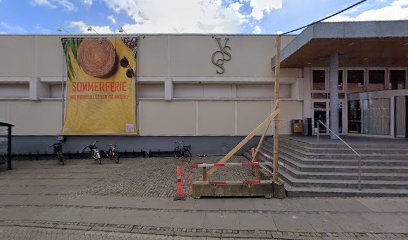
Kop & Kande
5.7 km
Central Slagelse homeware and gift shop stocking Danish kitchen gear, tableware and decor, ideal for practical souvenirs and thoughtful presents all year round.
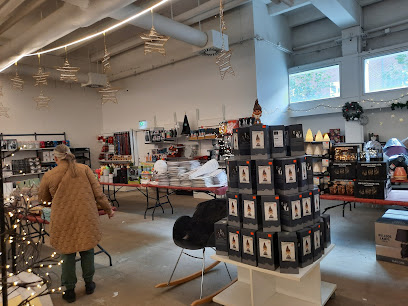
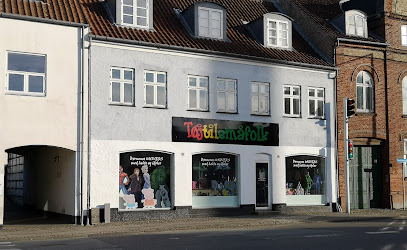
Tøjtilsmåfolk.dk
5.7 km
Colourful, character-filled children’s boutique in the heart of Slagelse, specialising in playful, practical clothes for babies and young kids in a cosy local setting.
Essential bars & hidden hideouts

Teater Cafe'en
5.4 km
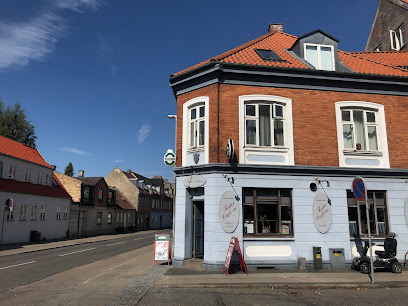
Cosy neighbourhood bar in central Slagelse, blending café calm by day with a sociable, theatre-tinged bar atmosphere late into the weekend nights.
The Red Rubin
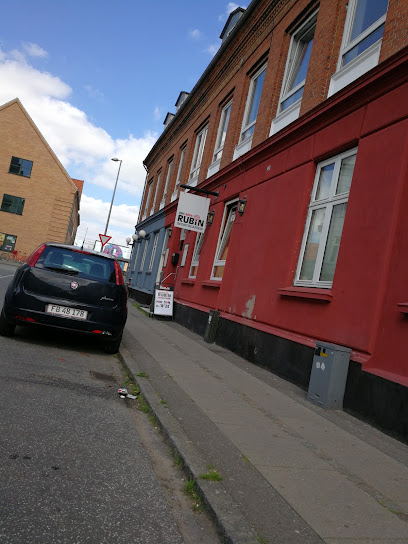
5.4 km
Cozy, no‑nonsense neighborhood bar in central Slagelse, serving straightforward drinks and a relaxed local vibe from daytime until the early hours.
Cafe 23
5.5 km
Low‑key, old‑school brown bar in central Slagelse, serving inexpensive drinks and a slice of everyday Danish nightlife in a worn but welcoming setting.
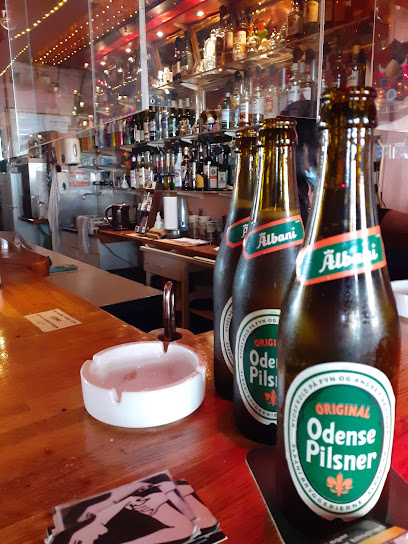
Cafe Viking.
5.6 km
Unpretentious local bar in central Slagelse, serving inexpensive drinks and everyday Danish pub atmosphere from midday into the late evening.
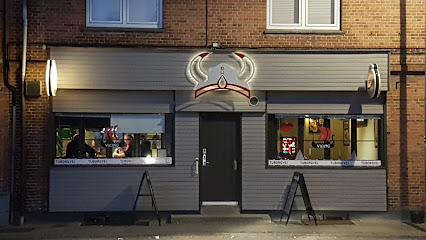
Rosen Bodega
5.7 km
Unpretentious neighborhood bodega in central Slagelse, pouring inexpensive drinks and local character in a relaxed, lived-in bar setting.
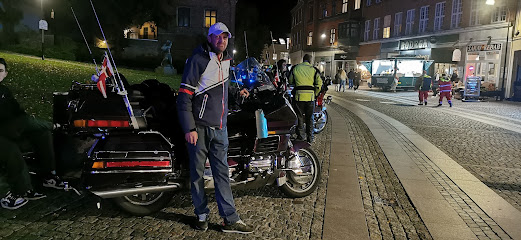
Gecco Bar & Natklub
5.7 km
Slagelse's premier late-night cocktail bar and nightclub, serving craft drinks until dawn.
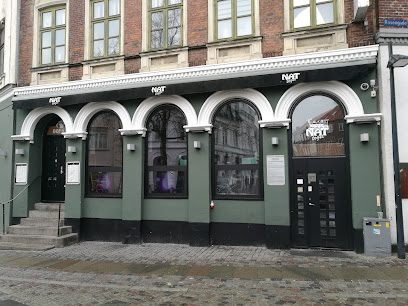
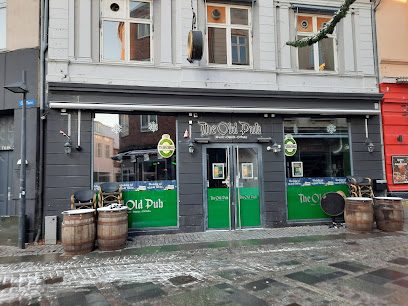
The Old Pub
5.8 km
Lively Irish-style pub on Slagelse’s Fisketorvet, mixing late-night live music, casual drinks and dance-floor energy from Thursday to Saturday.
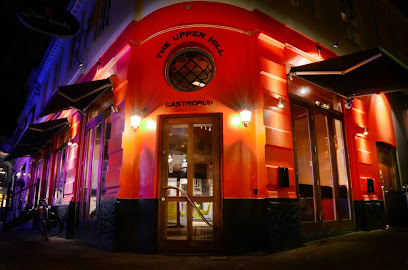
The Upper Hill
5.8 km
Cozy Irish-style pub in central Slagelse, serving generous pub dishes, broad beer and gin selections, live sports and music, plus outdoor tables on Fisketorvet.
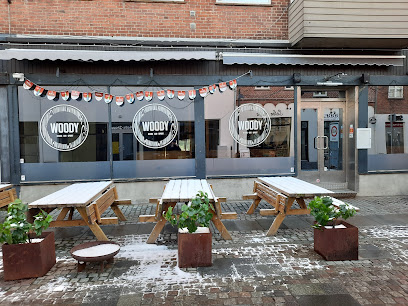
WOODY - Sport
5.8 km
Slagelse's premier weekend sports bar for craft beer, gin, and late-night social entertainment.
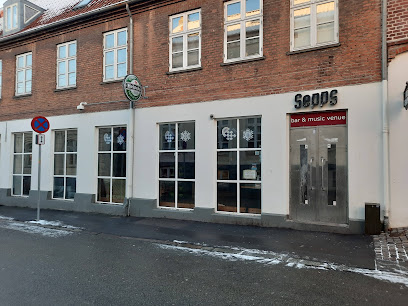
Café Sepps
5.8 km
Laid-back, smoky student bar in central Slagelse with cheap drinks, alternative music, live jam nights and a relaxed, come-as-you-are neighborhood atmosphere.
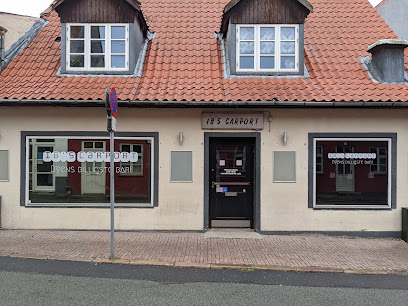
Ibs Carport
5.8 km
Unpretentious late‑night bar in central Slagelse, serving generous budget‑friendly drinks and billiards in a compact, sociable setting open on weekend nights only.
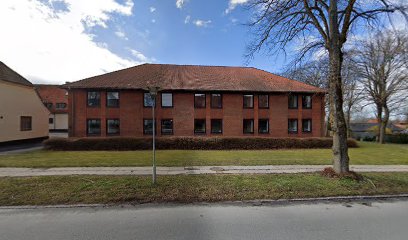
Slagelse Jazzklub
6.1 km
Intimate jazz evenings in a historic high school setting, where shared meals, swing bands and local community keep Western Zealand’s live jazz tradition thriving.
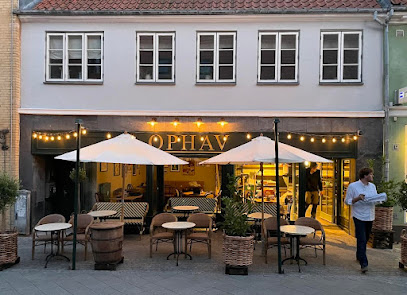
Ophav
31.3 km
Nyborg's refined casual dining hub blending bar, restaurant, and café culture with seasonal local cuisine.
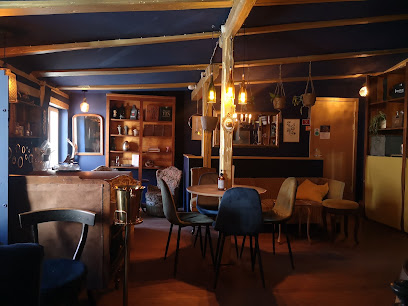
Laboratoriet Nyborg
31.3 km
Atmospheric wine bar and bottle shop in a historic 1824 apothecary laboratory, tucked in a Nyborg courtyard and serving carefully chosen wines, snacks and coffee.
Phønix I/S
31.3 km
Cozy, no-frills bar and burger spot in central Nyborg, serving cold beers, simple comfort food, and relaxed local nightlife just off the town’s historic streets.
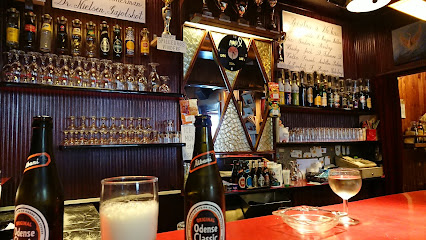
Nightclubs & after hour spots

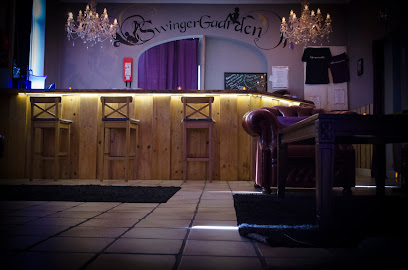
Swingergaarden
13.4 km
Discreet countryside swingers club near Slagelse, offering themed adult nights, intimate play spaces and a rules-based, consent-focused environment for open-minded guests.
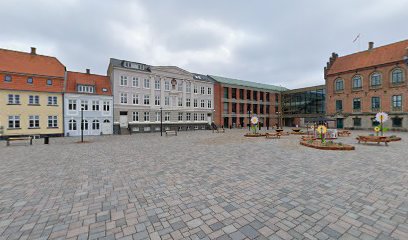
KJ's bodel
31.4 km
Laid‑back local nightspot on Nyborg’s main square, mixing simple drinks, sociable bar chatter and a compact dance floor in an unpretentious setting.
Muzirkus
32.6 km
Nyborg's independent music sanctuary where local bands rehearse, collaborate, and perform since 1974.
Juviklubben
33.6 km
Intimate Kalundborg live music hub and youth club, where generations meet for close-up concerts, casual bar nights and a laid-back, community-driven vibe.
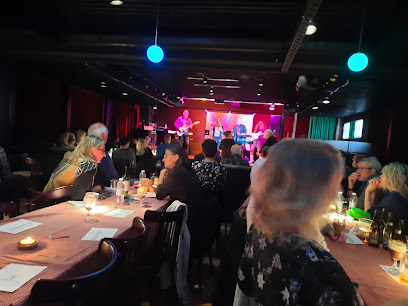
Crazy Daisy Næstved
36.3 km
High‑energy weekend nightclub in central Næstved, packing loud beats, flashing lights and a late‑night local crowd into a compact, classic Danish town‑club setting.
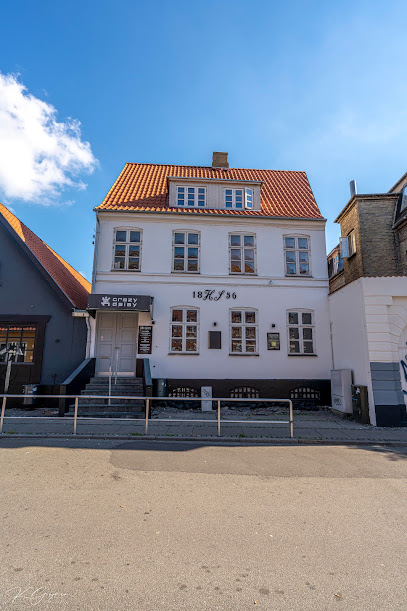
Avenue Næstved
36.4 km
Lively nightspot and flexible event hall in central Næstved, mixing dancefloor energy, festive dinners, stand-up comedy and themed parties under one roof.
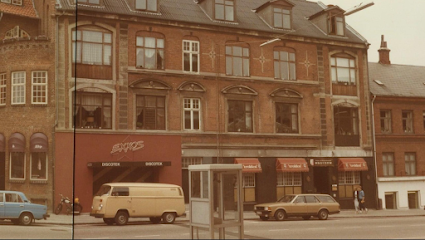
Club El Diablo
48.5 km
Adults-only entertainment venue offering a discreet, welcoming atmosphere for private social experiences.
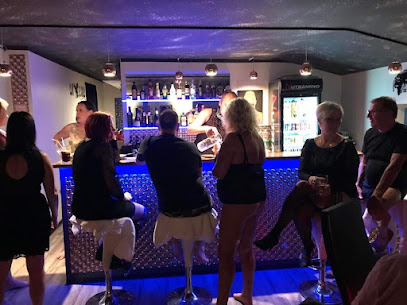
Dance Odense, Funen Square Dance Club
51.6 km
Community-driven square dancing in a cozy Odense neighborhood hall, where callers, patterns and shared rhythm turn an ordinary evening into a friendly social event.
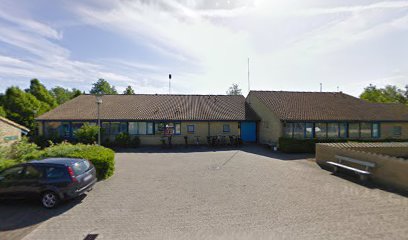
BUTCHERS Odense
55.0 km
High-energy nightclub on Odense’s Overgade, mixing pounding bass, lights and late-night drinks in a central old-town setting steps from major sights.
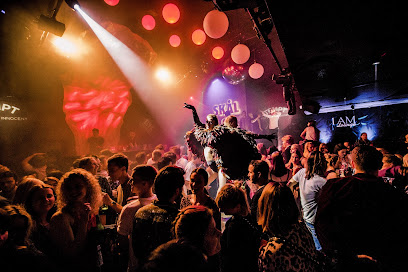
Boogie Dance Café
55.3 km
Odense's oldest disco where retro charm meets genuine community dancing.
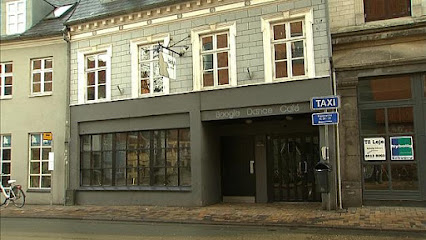
Dansebar Odense
55.5 km
Lively central Odense nightclub with mainstream hits, colorful lights and a sociable dance floor vibe from late evening into the early hours.
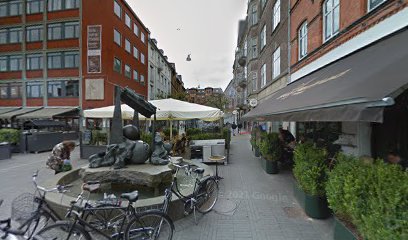
Grand Bar & Lounge
55.6 km
Experience timeless elegance and expertly crafted cocktails at Odense's Grand Bar & Lounge, nestled within the historic First Hotel Grand.

Crazy Daisy Svendborg
55.7 km
Compact, high-energy weekend nightclub in central Svendborg, serving mainstream beats, drinks and a sociable dance floor until the early hours.
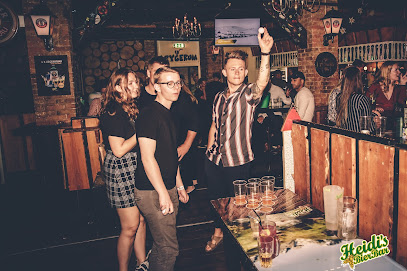
Heidi's Bier Bar Odense
55.8 km
Dance on tables, drink large beers, and celebrate Alpine-style year-round in Odense's most uninhibited nightclub.
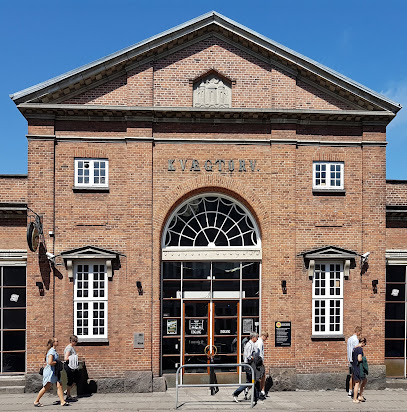
The slaughterhouse Nightclub & Eventhus
56.1 km
Experience industrial-cool nights, live music, and eclectic parties at The Slaughterhouse Nightclub & Eventhus, Odense’s dynamic hub for nightlife and contemporary culture.
For the vibe & atmosphere seeker
- Scenic
- Unique
- Quirky
For the architecture buff
- Historic
- Landmarks
- Sacred Sites
For the view chaser and sunset hunter
- Panoramas
For the social media creator & influencer
- Instagrammable
- Photo Spots
- Architectural Shots
For the eco-conscious traveler
- Protected Area
- Public-Transport Accessible
- Leave-No-Trace Critical
- Locally Managed
For the kind of experience you’re after
- Myth & Legends
- Cultural Heritage
- Photowalk
- Day Trip
For how adventurous you want the journey to be
- Easy Access
Location Audience
- Family Friendly
- Child Friendly
- Senior Friendly
- Wheelchair Access
- Solo Friendly


