

Deutsches Museum Nordschleswig Travel Guide
Free Guide: A modern borderland museum in Sønderborg exploring the history, culture and identity of the German minority in Northern Schleswig.


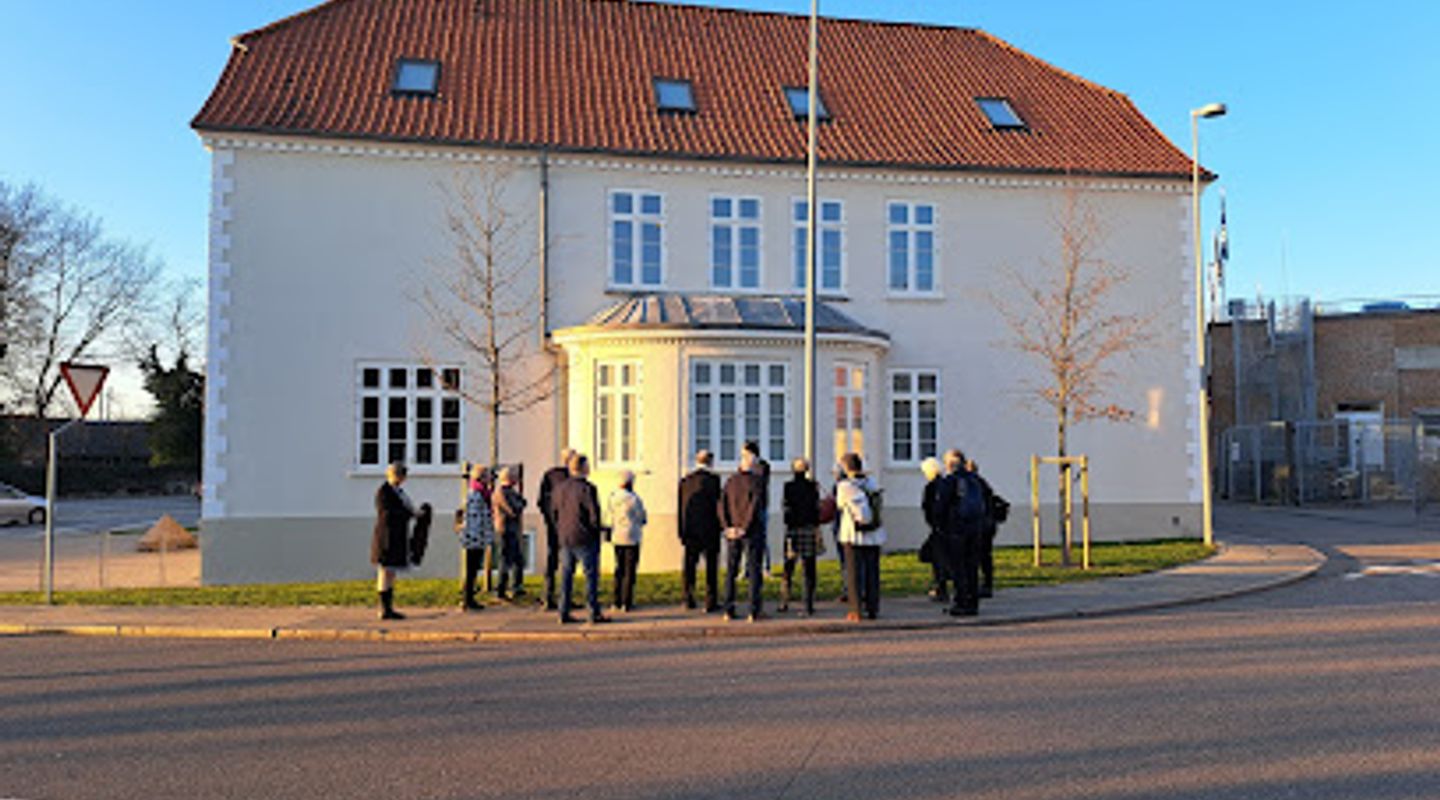
A brief summary of Deutsches Museum Nordschleswig
A modern borderland museum in Sønderborg exploring the history, culture and identity of the German minority in Northern Schleswig.
Deutsches Museum Nordschleswig in Sønderborg is a modern, thoughtfully designed museum dedicated to the history, culture, and identity of the German minority in Northern Schleswig. Spread over contemporary exhibition spaces, it combines objects, archival material, multimedia, and interactive stations to explore themes like language, schooling, everyday life, politics, and the shifting Danish–German border. Clear English and German information, hands-on elements, and concise storylines make a complex regional history accessible, even if you arrive with little prior knowledge.
On-site amenities
 Restrooms
 Seating areas
 Information boards
Opening hours
- Mon10 am–4 pm
- TueClosed
- Wed10 am–4 pm
- Thu10 am–4 pm
- Fri10 am–4 pm
- Sat10 am–4 pm
- Sun10 am–4 pm
Opening hours as listed on the venue’s Google Business Profile. Hours can change for services and special events, so check with the venue before you go.
- Address
- Rønhaveplads 12, 6400 Sønderborg
- Phone
- Website
Getting there
Walk from central Sønderborg
Local bus within Sønderborg
Car or taxi from Sønderborg surroundings
Train to Sønderborg plus short transfer
Discover more about Deutsches Museum Nordschleswig
Borderland stories in a contemporary museum
Deutsches Museum Nordschleswig occupies a bright, renovated building on Rønhaveplads in the heart of Sønderborg, but its subject reaches far beyond the square outside. Inside, you enter the world of the German minority in Northern Schleswig, a borderland community shaped by changing frontiers, shifting loyalties, and everyday coexistence with Danish neighbours. The design is clean and modern, with generous use of light, clear graphics and plenty of seating, making it easy to linger and read.Rather than attempting to cover all of Southern Jutland, the museum focuses firmly on the minority perspective. It invites you to consider what it means to grow up German in Denmark, how identity is negotiated at school, in associations, churches and clubs, and how these small-scale stories connect to big political events. Bilingual texts, soundscapes and films mean you can follow the narrative whether you arrive speaking German, Danish or English.
Identity, language, and everyday life on display
The permanent exhibition is structured around themes rather than strict chronology, which makes a complex past feel approachable. One section explores language, tracing how German and Danish have intermingled in schools, newspapers and private correspondence. Another zooms in on family life, club culture and youth organisations, using photographs, uniforms, schoolbooks and everyday objects to show how community is formed over generations.Throughout the galleries, interactive stations invite you to test your knowledge of the region, listen to personal testimonies or follow animated timelines of key events after 1850. Audio-visual clips, quizzes and touchscreens break up the text and encourage you to explore at your own pace. Young visitors often gravitate towards the playful quiz elements, while history enthusiasts tend to sink into the document-heavy areas where original letters and political posters are carefully presented.
Shifting borders and political turning points
Another strand of the exhibition tackles the political dimension of minority life. Wall-sized maps show how the Danish–German border has moved over time, with particular attention to the mid‑19th century conflicts and the 1920 referendum that reshaped the region. Archival footage and concise commentary explain how these events affected schooling, conscription, and civil rights for German-speakers north of the new line.The museum does not shy away from the difficult chapters of the 20th century. Carefully curated displays explore the minority’s situation during the world wars and the Cold War era, focusing on dilemmas of loyalty, propaganda and reconstruction. Rather than presenting simple heroes and villains, the exhibition favours nuance, encouraging you to weigh conflicting documents and hear different voices from within the minority itself.
A space for reflection and dialogue
Beyond the showcases, the building functions as a living cultural venue. A small auditorium hosts lectures, film screenings and events related to German–Danish relations, identity politics and regional history. Temporary displays occasionally highlight contemporary themes such as bilingual education, cross‑border cooperation or cultural initiatives led by young members of the minority.There is a strong emphasis on reflection. Quiet corners with benches invite you to pause and consider how questions of language, belonging and citizenship resonate far beyond Southern Jutland. Short thematic films introduce current debates about minority rights in Europe, positioning Nordschleswig’s experience within a broader context while remaining rooted in very local stories.
Practical visitor experience inside the museum
On a practical level, Deutsches Museum Nordschleswig is compact enough to explore in one unhurried visit, yet dense with information. Wayfinding is straightforward, and you can comfortably navigate the two main exhibition levels via stairs or lift. Cloakroom hooks and informal seating areas keep things relaxed rather than formal.Staff are usually present near the entrance area and can provide information on ticketing, opening hours and upcoming activities. Clear signage indicates facilities such as restrooms and information panels. The location on Rønhaveplads puts you within easy walking distance of Sønderborg’s other central sights and cafés, making the museum an ideal cultural stop on a wider stroll through town.
Why this small museum matters
What sets this museum apart is its focused mission: to preserve and communicate the story of a specific minority community and its place in Denmark. By presenting one shared historical reality from a minority angle, it broadens your sense of how nations are formed and how everyday life continues in the shadow of redrawn borders.Whether you have a deep interest in European borderlands or are simply curious about the local background of Sønderborg, the museum offers a clear, engaging introduction. You leave not only with dates and facts, but with a more layered understanding of how identity is lived in a region where two languages and cultures have long met, overlapped and occasionally collided.
Evendo Review Centre
 Google
Guest reviews
Best time to go
Quietest: Jan, Feb & Dec · before 9am or from 5pm
Busy times are Evendo estimates for a typical year, to help you plan. Actual crowds vary with events, school holidays and the weather.
Explore Deutsches Museum Nordschleswig on the map
A handpicked selection of must-see spots near Deutsches Museum Nordschleswig, mapped for you.
Get your free copy of our complete guide to Deutsches Museum Nordschleswig, delivered straight to you.
Everything on this page, from opening hours and how to get there to Eve’s tips and the best time to go, in one PDF you can read offline, print or share.
Already have an account? Sign in
Your Deutsches Museum Nordschleswig guide is ready.
We'll send it to · Not you? Sign out

Getting your guide ready…
We are putting together a fresh copy of the Deutsches Museum Nordschleswig guide. This can take up to a minute.
This can take a few moments. If your browser asks, choose Allow so the download can start. You'll find the guide in your Downloads folder.
Nothing happened? Download it again
Sorry, the guide is taking longer than usual. Please try again in a minute, or get it by email instead.
Other nearby places you may find interesting
The closest places of the same kind, if this one is not quite what you had in mind.
-
-
-
-
-


Swipe for more places
More to explore near Deutsches Museum Nordschleswig
-
 Best experiences near Deutsches Museum Nordschleswig
-
 Best hotels near Deutsches Museum Nordschleswig
-
 Best landmarks near Deutsches Museum Nordschleswig
-
 Best attractions near Deutsches Museum Nordschleswig
-
 Best shops near Deutsches Museum Nordschleswig
-
 Best restaurants near Deutsches Museum Nordschleswig
-
 Best bars near Deutsches Museum Nordschleswig


Do you manage this location?
Take control to get all the benefits, like improved information, better appearance, and stronger visibility across AI-powered discovery.
Explore more
Explore more of Sønderjylland
Sønderjylland: A Journey Through Denmark's Scenic Landscapes, Rich History, and Vibrant Traditions.
Explore Sønderjylland
Explore more of Denmark
Discover Denmark: A perfect blend of history, modern design, and the cozy concept of hygge. Explore vibrant cities, serene landscapes, and world-class cuisine.
Explore Denmark
