

Gammel Estrup Danmarks Herregårdsmuseum, East Jutland Travel Guide
Step across the moat into a Renaissance manor where lavish halls, servant quarters, orchards and forests together tell the layered story of Danish manor life.
Gammel Estrup is one of Denmark’s best-preserved Renaissance manor houses, set amid moats, orchards and formal gardens in rural Djursland. Inside the red-brick castle you step through richly furnished halls, private chambers and servant quarters that chart centuries of aristocratic life, while the surrounding estate, baroque garden, playground and neighbouring agricultural collections open a window onto the wider world of manor culture, landownership and rural work in Denmark.
A brief summary to Gammel Estrup Danmarks Herregårdsmuseum
- Randersvej 2, Auning, 8963, DK
- Click to display
- Click to display
- Duration: 2 to 5 hours
- Mid ranged
-
 Mixed
Mixed
- Mobile reception: 4 out of 5
- Monday 10 am-5 pm
- Tuesday 10 am-5 pm
- Wednesday 10 am-5 pm
- Thursday 10 am-5 pm
- Friday 10 am-5 pm
- Saturday 10 am-5 pm
- Sunday 10 am-5 pm

Know before you go
Hi, I'm Eve. Here are a few practical things to know before exploring Gammel Estrup Danmarks Herregårdsmuseum.
- Plan at least half a day to combine the manor house, baroque garden and the neighbouring agricultural collections on the joint ticket.
- Check seasonal opening hours before you go; winter and shoulder seasons have reduced days and earlier closing times.
- Wear comfortable shoes suitable for uneven historic floors, stairs and outdoor paths around the moats and gardens.
- Families should allow extra time for the large manor-themed playground and child-focused activities in school holidays.
- Use the free parking area near the entrance and consider bringing snacks or a picnic for the gardens if visiting in good weather.
Do you manage this location?
Take control to get all the benefits, like improved information, better appearance, and stronger visibility across AI-powered discovery. Learn more about listing your business on Evendo
Activate your presenceOther nearby places you may find interesting
The closest places of the same kind, if this one is not quite what you had in mind.
Explore Gammel Estrup Danmarks Herregårdsmuseum on the Map
A handpicked selection of must-see spots near Gammel Estrup Danmarks Herregårdsmuseum, mapped for you.
Getting There
-
Car from Aarhus
From central Aarhus, driving to Gammel Estrup typically takes about 45–55 minutes via main regional roads through Randers or along the Djursland route. The approach uses well-maintained paved roads suitable for all vehicles, and there is a large free car park with more than a thousand spaces close to the ticket area. Allow extra time in summer or school holidays when local traffic to Djursland attractions can be heavier.
-
Regional bus from Randers
From Randers, regional buses run towards Auning with journey times usually around 40–55 minutes depending on route and stops. Services operate several times a day but may be less frequent in evenings and on weekends, so it is important to check the current timetable in advance. Expect to pay roughly DKK 30–60 one way for an adult ticket within the regional zone system, with discounts for children and certain travel cards.
-
Bus from Aarhus with transfer
Reaching Gammel Estrup from Aarhus by public transport often involves a regional bus or light rail connection towards Randers or Grenaa, combined with a local bus to Auning. Typical total travel time is 1.5–2.5 hours depending on connections and waiting times. Standard adult fares for the full journey generally fall in the range of DKK 60–120 each way, with lower prices when using regional travel cards or commuter passes.
-
Cycling from Auning town
From Auning town centre, cycling to Gammel Estrup usually takes around 10–20 minutes along local roads and cycle paths in gently rolling terrain. The route is relatively straightforward but includes sections alongside a main road where you should take care with passing traffic. There is no charge for bicycle access, and bringing a lock is recommended so you can secure your bike near the entrance while exploring the manor and gardens on foot.
For the on-the-go comforts that matter to you
-
 Restrooms
-
 Drink Options
-
 Drinking Water
-
 Food Options
-
 Seating Areas
-
 Sheltered Areas
-
 Picnic Areas
-
 Trash Bins
-
 Information Boards
-
 Visitor Center
Discover more about Gammel Estrup Danmarks Herregårdsmuseum
Renaissance Manor Encircled by Water
Gammel Estrup rises from its twin moats in striking red brick, a classic Danish Renaissance manor house surrounded by flat farmland and patches of woodland in eastern Jutland. Approaching the main building, you cross bridges that once controlled access to the estate and enter a courtyard framed by historic wings and farm structures, all part of a self-contained world of aristocratic power. The setting feels both intimate and stately, with the water, brickwork and stepped gables reflected in the still surface of the moat.The manor’s origins stretch back to the Middle Ages, but the present appearance is largely shaped by 16th‑ and 17th‑century rebuilding and later refurbishments. Over the centuries it was home to powerful noble families who managed vast tracts of land, forests and tenant farms from here. Today, the complex is protected as a listed building, preserving creaking floors, narrow staircases and irregular thresholds that convey its age.Inside the World of Counts and Countesses
Stepping indoors, you move through a sequence of grand rooms that reconstruct life for the count, countess and their guests. High-ceilinged halls are furnished with period furniture, portraits and tapestries, while smaller salons display changing tastes in decoration, from dark wooden panels to lighter 18th‑ and 19th‑century interiors. Table settings, porcelain and textiles show how fashion and status were expressed through everyday objects.Private chambers reveal a more intimate side of manor life, with bedchambers, dressing rooms and studies arranged to suggest their former inhabitants have only just stepped out. Throughout the house, exhibitions focus on Danish manor culture: inheritance, marriages, economic power and the obligations of the landowning class. Interpretation ties Gammel Estrup’s story to broader European aristocratic traditions, but always through the lens of this particular estate.Servants’ Corridors and Working Lives
Beyond the showpiece rooms lies a maze of back staircases, storerooms and modest chambers where servants once lived and worked. Here the museum shifts perspective, exploring hierarchies below stairs from the 18th to early 20th century. Exhibitions examine roles such as housekeeper, kitchen maid, coachman and dairywoman, tracing long working days, strict rules of conduct and limited prospects for advancement.Research carried out at Gammel Estrup underpins displays on service culture, pay, discipline and bonds between landowner and staff. Objects like uniforms, tools and personal belongings help to humanise individuals who kept the manor running. The contrast between the formal enfilades of the main floor and these cramped passages makes tangible the social divisions that shaped everyday life here.Gardens, Orchard and Playful Corners
Outside the moats, a reconstructed baroque garden stretches away from the manor. Symmetrical beds, clipped hedges and axial paths echo designs from the 17th and 18th centuries, when formal gardens were used to showcase control over nature as well as wealth. Depending on the season, flower borders, herb plots and kitchen garden beds provide colour and scent, while old apple varieties in the orchard hint at the estate’s role in food production.Greenhouses and orangeries recall the fashion for cultivating exotic plants, while lawns invite slow wandering or quiet pauses on benches. A large manor-themed playground built from natural materials gives younger visitors a chance to climb, balance and roleplay in a landscape inspired by barns, stables and fortifications. The surrounding forest paths and nearby woodsman’s house exhibitions link the estate to the wider countryside and the families who worked in its service.Living History, Seasonal Atmosphere and Practicalities
Over the course of the year, the manor becomes a stage for changing themes that illuminate calendar customs, from busy summer days with open kitchens and hands‑on activities to atmospheric winter weeks focused on historical Christmas traditions. Demonstrations in the great kitchen, costumed staff and child‑friendly workshops highlight chores, recipes and festivities connected to manor life.As a protected historic structure, Gammel Estrup does not fully meet modern accessibility standards. Floors can be uneven, rooms may be reached only via stairs and some thresholds are narrow. Handrails, staff advice and outdoor alternatives such as garden walks and ground‑floor rooms help many visitors enjoy the site, but it is wise to be prepared for the limitations of a building shaped long before contemporary design norms.A Manor Museum Within a Larger Heritage Landscape
Gammel Estrup is more than a single house: it forms part of a wider museum complex dedicated to manor culture and rural history. A joint ticket grants access to both the manor museum and the neighbouring agricultural collections, turning the area into a full‑day destination. Together they present intertwined stories of landownership, farming technology, forest management and everyday life for both elite and ordinary people.The estate’s location in Djursland makes it a natural stop on journeys across eastern Jutland, yet once inside the moats the outside world falls away. Whether you explore only the main building and gardens or dive deep into the surrounding museums and woodland, the experience offers a layered portrait of Danish history seen through the prism of a single, remarkably preserved manor.More to explore near Gammel Estrup Danmarks Herregårdsmuseum
-

Best experiences near Gammel Estrup Danmarks Herregårdsmuseum
-

Best hotels near Gammel Estrup Danmarks Herregårdsmuseum
-

Best landmarks near Gammel Estrup Danmarks Herregårdsmuseum
-

Best shops near Gammel Estrup Danmarks Herregårdsmuseum
-

Best restaurants near Gammel Estrup Danmarks Herregårdsmuseum
-

Best bars near Gammel Estrup Danmarks Herregårdsmuseum







Your all‑in‑one travel companion app
Explore expert travel guides, compare and book tours, experiences, hotels, and more—all from the palm of your hand. Download now for seamless trip planning wherever your wanderlust takes you.


Explore More of East Jutland
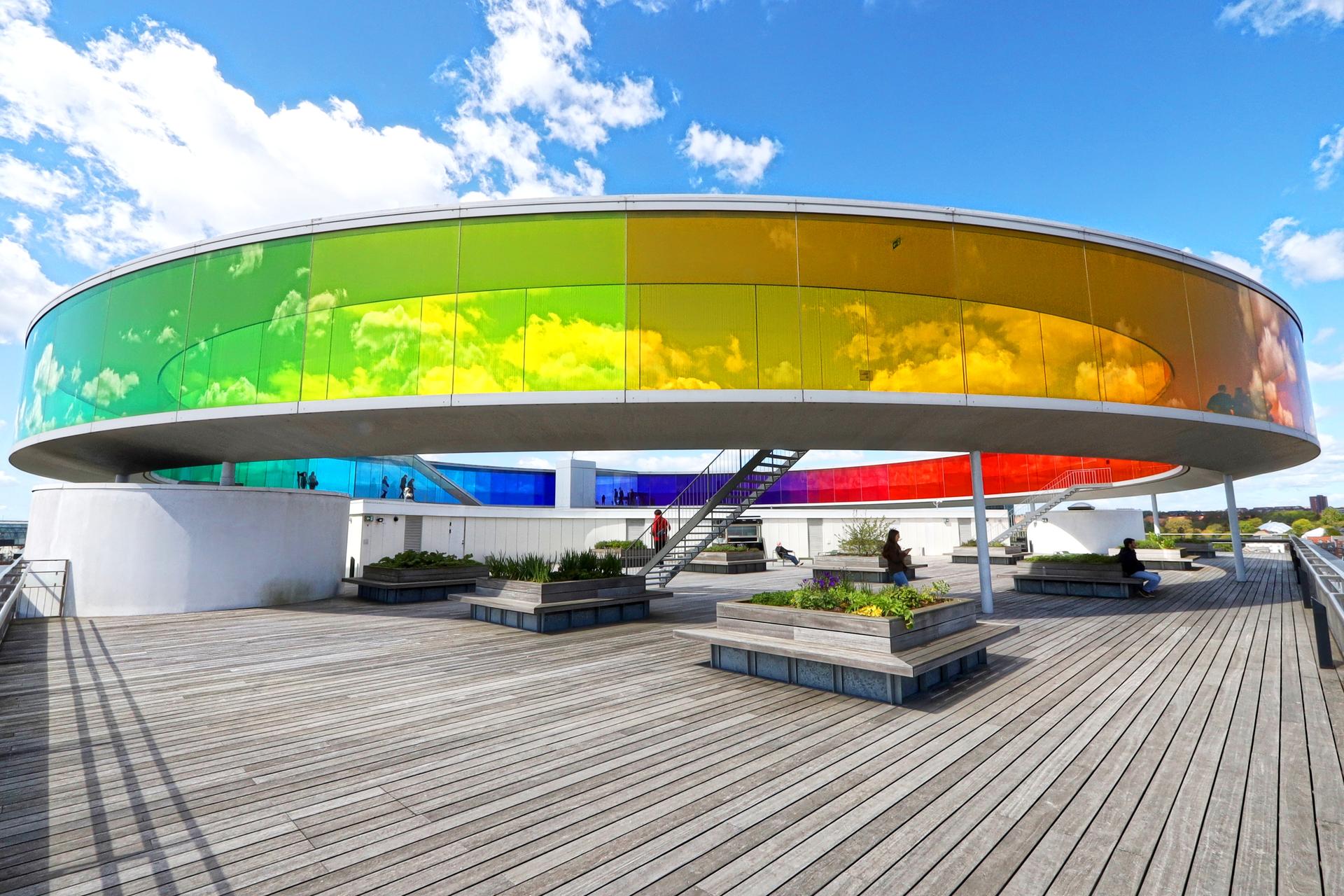
Looking beyond Gammel Estrup Danmarks Herregårdsmuseum? Discover East Jutland for broader travel guides, local hot-spots, and regional highlights.
Explore East Jutland