Sønderborg Kommunale Kommandocentral Travel Guide
Free Guide: Hidden beneath Kongevej lies Sønderborg’s former Cold War nerve center, an underground command bunker built to keep the city running in times of crisis.


A brief summary of Sønderborg Kommunale Kommandocentral
Hidden beneath Kongevej lies Sønderborg’s former Cold War nerve center, an underground command bunker built to keep the city running in times of crisis.
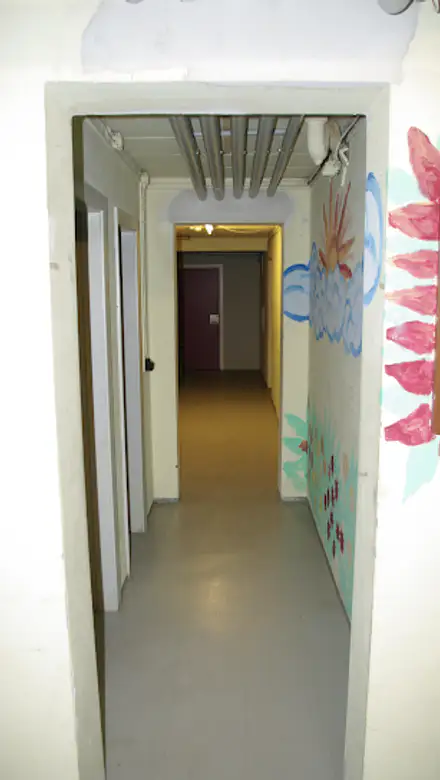
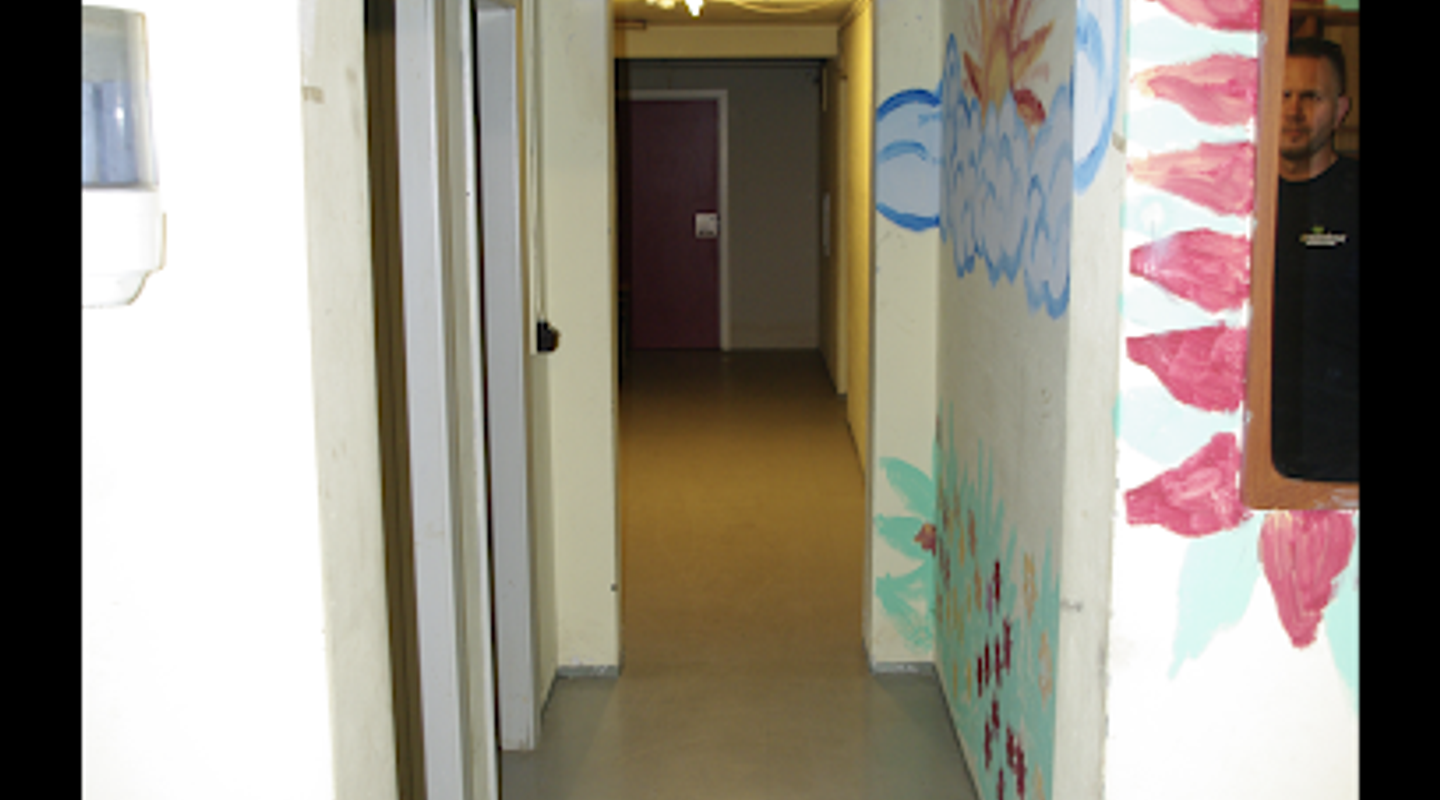
Hidden beneath an unassuming property on Kongevej in Sønderborg lies the former municipal command center, a Cold War bunker built to secure local governance in times of crisis. This underground facility once served as a fortified nerve center for civil defence planning, communication and coordination. Today, it stands as an evocative relic of Denmark’s Cold War preparedness, offering a rare glimpse into the architecture, atmosphere and mindset of an era shaped by the looming threat of nuclear conflict.
On-site amenities
 Restrooms
 Seating areas
 Trash bins
 Information boards
- Address
- Kongevej 35, 6400 Sønderborg
- Website
Getting there
Train and walking
Local bus within Sønderborg
Car or taxi in the Sønderborg area
Discover more about Sønderborg Kommunale Kommandocentral
Cold War nerves beneath everyday Sønderborg
Deep under Kongevej in Sønderborg, the municipal command center was designed to be the hidden brain of the city in the event of war or major disaster. Built during the tense decades of the Cold War, it formed part of Denmark’s nationwide civil defence network, where local authorities, police and emergency services could withdraw underground and keep the city functioning even under attack.From the outside, nothing reveals the complex below. The entrance once led down through blast-resistant doors and narrow corridors into a self-contained, reinforced bunker. Inside, rooms were laid out for operations, communications, logistics and leadership meetings, all carefully organized to keep information flowing when it mattered most.
Rooms frozen in a state of preparedness
The heart of a municipal command center was its operations room, typically dominated by large wall maps, status boards and communication desks. Here, staff would monitor incidents, track damage across the municipality and direct rescue teams. Nearby, smaller offices housed civil defence officers, technical staff and record-keepers, while meeting rooms allowed political and administrative leaders to gather and take decisions.The fittings were functional rather than decorative: sturdy tables, simple chairs, cable trays, radios and telephones, fluorescent lighting and clearly marked equipment racks. The atmosphere was utilitarian and controlled, shaped not for comfort but for endurance and clarity in a crisis. Even today, surviving details such as conduits, ventilation grilles and cable markings tell the story of a place engineered for continuity of government.
Engineering a safe bubble under threat
Like other Danish civil defence bunkers, Sønderborg’s command center was built with thick concrete walls, blast doors and overpressure protection to shield against shockwaves and debris. Ventilation systems with filters were intended to keep contaminated air out, while emergency power supplies and backup lighting would allow operations to continue during blackouts.Water tanks, storage rooms and technical spaces supported this closed world, turning the bunker into a controlled environment that could function independently from the vulnerable city above. In the event of a nuclear or conventional attack, the people working here were expected to stay underground for extended periods, maintaining communications and coordinating rescue operations as long as possible.
Part of a nationwide civil defence web
Sønderborg’s municipal command center was one of more than a hundred such facilities created across Denmark as part of a total defence strategy that integrated military and civilian preparedness. Each municipality with a designated civil defence responsibility needed a secure command post, linked by telephone, radio and later more advanced systems to regional and national authorities.Although modest in size compared with major government bunkers, these local command centers were critical to practical crisis response: directing firefighters, medical services, utilities and public information. Together, they formed an invisible network beneath the country’s towns and cities, ready to be activated if the geopolitical tension of the era ever escalated into open conflict.
From active emergency hub to historical curiosity
With the end of the Cold War and changes in Danish legislation in the 1990s and early 2000s, many municipal command centers were decommissioned or repurposed. Sønderborg’s facility belongs to this generation of now-obsolete emergency infrastructure, its original role overtaken by new technologies and reorganized crisis management structures.Today, the site stands primarily as a historical relic rather than an active operations center. While formal public access may be limited, its existence adds a hidden layer to Sønderborg’s story. Knowing that a complete underground nerve center lies beneath an everyday address gives the cityscape a different dimension, reminding visitors that even peaceful places once planned carefully for the unthinkable.
Atmosphere of secrecy and imagined scenarios
Standing near Kongevej, it is easy to picture the bunker below filled with quiet intensity: phones ringing, radios crackling, staff updating maps as scenarios unfolded in real time. The space was never meant to impress; it was meant to work. Yet precisely this stripped-back functionality makes it compelling today.The municipal command center embodies a mindset of readiness and responsibility, where local officials were trained to take charge under extreme pressure. For anyone interested in Cold War history, civil defence or hidden architecture, the idea of this sealed world under the street invites reflection on how societies prepare for crises—and how those preparations become part of the heritage once the danger has passed.
Evendo Review Centre
 Google
Guest reviews
Best time to go
Quietest: Jan, Feb & Nov · before 7am or from 7pm
Busy times are Evendo estimates for a typical year, to help you plan. Actual crowds vary with events, school holidays and the weather.
Explore Sønderborg Kommunale Kommandocentral on the map
A handpicked selection of must-see spots near Sønderborg Kommunale Kommandocentral, mapped for you.
Get your free copy of our complete guide to Sønderborg Kommunale Kommandocentral, delivered straight to you.
Everything on this page, from opening hours and how to get there to Eve’s tips and the best time to go, in one PDF you can read offline, print or share.
Already have an account? Sign in
Your Sønderborg Kommunale Kommandocentral guide is ready.
We'll send it to · Not you? Sign out

Getting your guide ready…
We are putting together a fresh copy of the Sønderborg Kommunale Kommandocentral guide. This can take up to a minute.
This can take a few moments. If your browser asks, choose Allow so the download can start. You'll find the guide in your Downloads folder.
Nothing happened? Download it again
Sorry, the guide is taking longer than usual. Please try again in a minute, or get it by email instead.
Other nearby places you may find interesting
The closest places of the same kind, if this one is not quite what you had in mind.
-
-
-

-
-


Swipe for more places
More to explore near Sønderborg Kommunale Kommandocentral
-
 Best experiences near Sønderborg Kommunale Kommandocentral
-
 Best hotels near Sønderborg Kommunale Kommandocentral
-
 Best landmarks near Sønderborg Kommunale Kommandocentral
-
 Best attractions near Sønderborg Kommunale Kommandocentral
-
 Best shops near Sønderborg Kommunale Kommandocentral
-
 Best restaurants near Sønderborg Kommunale Kommandocentral
-
 Best bars near Sønderborg Kommunale Kommandocentral


Do you manage this location?
Take control to get all the benefits, like improved information, better appearance, and stronger visibility across AI-powered discovery.
Explore more
Explore more of Sønderjylland
Sønderjylland: A Journey Through Denmark's Scenic Landscapes, Rich History, and Vibrant Traditions.
Explore Sønderjylland
Explore more of Denmark
Discover Denmark: A perfect blend of history, modern design, and the cozy concept of hygge. Explore vibrant cities, serene landscapes, and world-class cuisine.
Explore Denmark