Æ Fywerhus, South Jutland Travel Guide
Tiny harbour museum in a 1911 fisherman’s shed, telling Jegindø’s eel-fishing story right on the edge of the Limfjord.
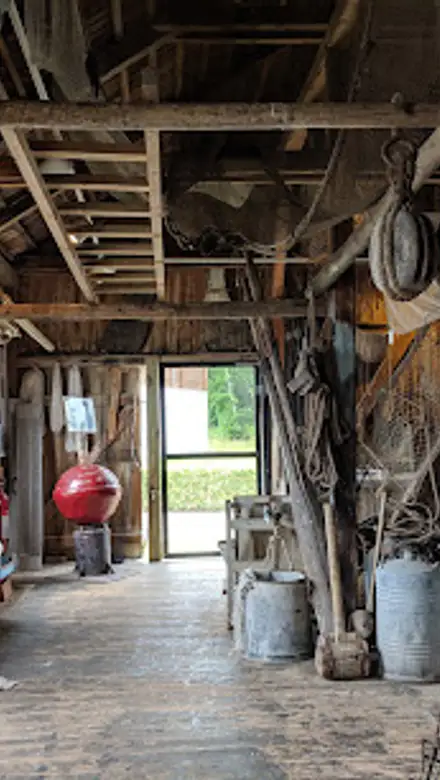
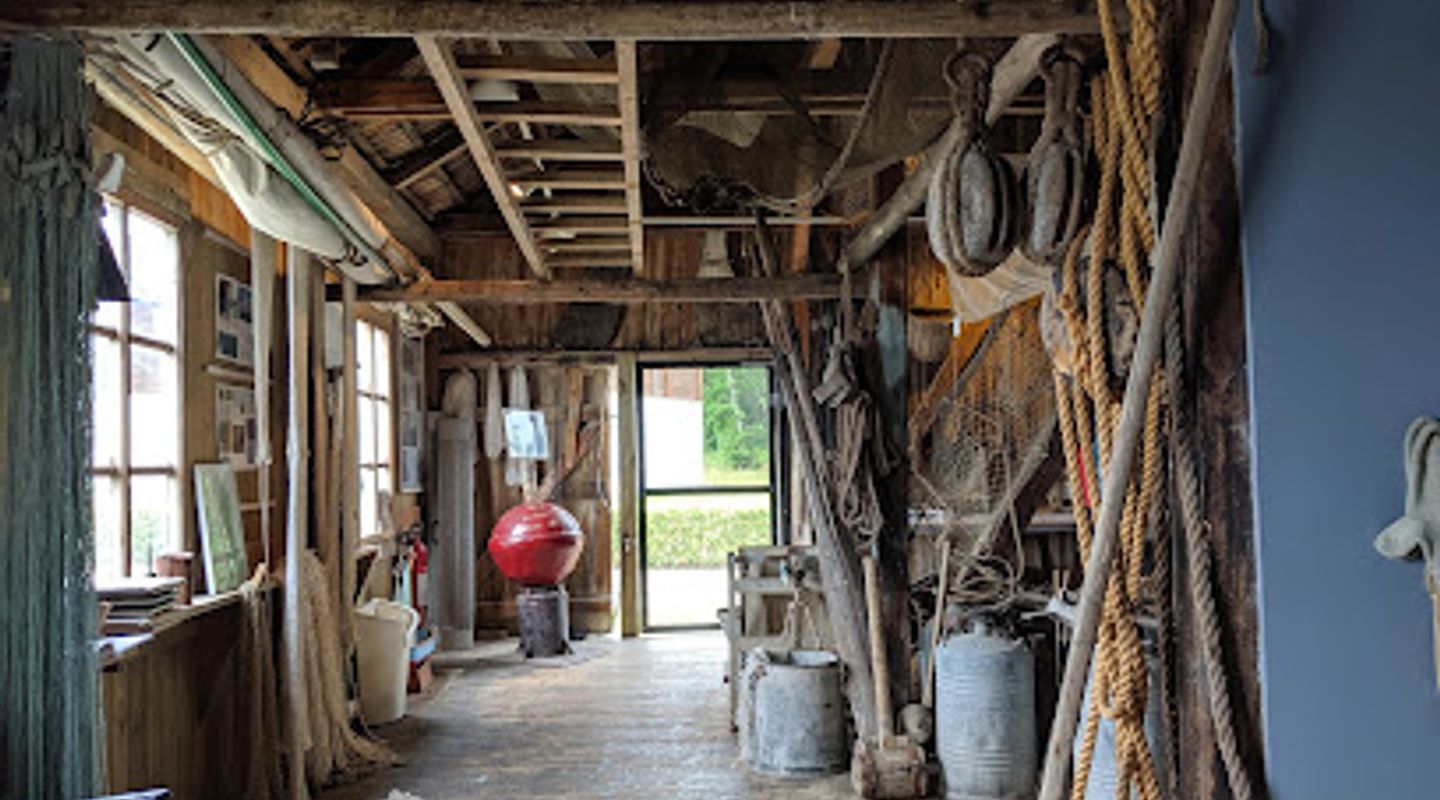
Æ Fywerhus on Jegindø is a small, atmospheric fishing museum set by the harbour in the Limfjord. Housed in a former fisherman's tool shed from 1911, it tells the story of eel fishing and everyday life on the fjord through original implements, photographs, exhibits and film. Just steps from the water and the marina, it combines maritime history with wide Limfjord views, making it a gentle, low‑key stop for anyone exploring this quiet corner of West Jutland.
A brief summary to Æ Fywerhus
- Jegindø, 7790, Havnegade 26, Thyholm, 7790, DK
- Duration: 0.5 to 1.5 hours
- Free
-
 Indoor
- Mobile reception: 4 out of 5
- Monday 10 am-6 pm
- Tuesday 10 am-6 pm
- Wednesday 10 am-6 pm
- Thursday 10 am-6 pm
- Friday 10 am-6 pm
- Saturday 10 am-6 pm
- Sunday 10 am-6 pm

Know before you go
Hi, I'm Eve. Here are a few practical things to know before exploring Æ Fywerhus.
- Combine a short museum visit with a stroll around Jegindø Harbour and along the waterfront to appreciate the link between the exhibits and the working fjord outside.
- Plan to visit in the brighter part of the day; natural light from the small windows makes it easier to see details on old photographs and fishing tools.
- Bring a windproof layer; the harbour area can feel noticeably cooler and breezier than inland, even on sunny summer days.
- If you are interested in photography, allow extra time for shots of the fjord house against the boats, piers and wide Limfjord horizon.
Do you manage this location?
Take control to get all the benefits, like improved information, better appearance, and stronger visibility across AI-powered discovery. Learn more about listing your business on Evendo
Activate your presenceOther nearby places you may find interesting
The closest places of the same kind, if this one is not quite what you had in mind.
Explore Æ Fywerhus on the Map
A handpicked selection of must-see spots near Æ Fywerhus, mapped for you.
Getting There
-
Car from Struer and Thyholm
From Struer and the wider Limfjord area, most visitors reach Jegindø and Æ Fywerhus by car via the causeway to the island. The drive from Struer town to Jegindø Harbour typically takes around 30–40 minutes, depending on traffic and weather. There are no tolls, and parking near the harbour is generally free but can be busy on fine summer days. Fuel stations are found on the mainland rather than on the island itself, so plan refuelling before you cross.
-
Regional bus plus short walk
Regional buses serve Thyholm from larger towns such as Struer, with some services continuing close to the Jegindø causeway. From a bus stop on Thyholm, the remaining distance to the harbour is typically covered on foot in about 20–40 minutes along quiet rural roads. Services are less frequent in evenings and at weekends, and standard Danish regional bus fares apply, usually in the range of 25–60 DKK per adult depending on the starting point.
-
Cycling from Thyholm and surroundings
Cycling is a popular way to reach Jegindø Harbour in good weather, following minor roads across the causeway from Thyholm. From villages on Thyholm the ride often takes 20–40 minutes each way, with gentle gradients but exposure to wind across open farmland and the fjord. There is no dedicated cycle lane on all stretches, so cyclists should be comfortable sharing space with light local traffic. The route is free of charge but more suitable in daylight and dry conditions.
For the on-the-go comforts that matter to you
-
 Restrooms
-
 Seating Areas
-
 Trash Bins
-
 Information Boards
Discover more about Æ Fywerhus
A modest fjord house with a big maritime story
Æ Fywerhus is a compact museum with a powerful sense of place, tucked beside Jegindø Harbour on the Limfjord. The simple building began life in 1911 as a working tool shed for local fisherman Ivar Holm, at a time when eel fishing shaped both the economy and the rhythm of life on this small island. Today its whitewashed walls and modest profile still look very much like a traditional fjord house, blending quietly into the harbour backdrop of fishing boats and mussel cutters.Step inside and you move from the open, windswept quay into a snug interior that feels almost like entering a preserved workshop. Low ceilings, timber, and the faint scent of old tarred rope set the scene even before you reach the exhibits. This is not a grand institution but a place where everyday objects carry the narrative of a working coastline.Fishing tools, eel traps and life on the Limfjord
The core of Æ Fywerhus is its collection of fishing gear once used in the Limfjord. Traditional eel traps, nets, floats, hooks and wooden boxes are arranged so you can picture them in use on foggy mornings and long summer evenings. Simple labels explain how the equipment worked and why eel fishing became so important in these relatively shallow, changeable waters.Alongside the tools, historic photographs show weather-beaten boats, sheds and families on Jegindø throughout the 20th century. Together, the images and objects sketch out a community where fishing stood alongside farming as a mainstay livelihood. You can trace how techniques evolved as harbour facilities improved and the marina grew around what was once a purely working port.Film, still images and quiet storytelling
A distinctive feature of the museum is its focus on visual storytelling. Still-picture shows and documentary film sequences play inside the house, illustrating fishing on the Limfjord across different decades. Without needing extensive text, they convey the rhythm of hauling nets, tending lines and working in all weathers.The small scale means you can take your time with these displays, letting the sound of the narration mix with the muffled calls from the harbour outside. On a breezy day you may hear halyards tapping against masts as you watch black-and-white scenes of boats being loaded with eel traps. It is an intimate way to connect past and present in the same tiny space.Harbour setting and island atmosphere
The location is as much part of the experience as the exhibits. Just outside the door, Jegindø Harbour stretches out with its piers, pleasure craft and working fishing boats. The Limfjord lies wide and low on the horizon, with changing light and often a brisk wind coming off the water. In summer the marina can feel lively with visiting yachts, yet the museum itself remains calm and contemplative.From the quay you can look back at the fjord house and imagine the days when similar sheds lined many Danish harbours. The nearby causeway that links Jegindø to Thyholm underlines how the island has gradually opened to the outside world, even as it keeps its distinct maritime character.A gentle stop on a wider Jegindø circuit
Most visits to Æ Fywerhus fit naturally into a broader exploration of Jegindø. Paths and quiet roads lead from the harbour to low fields, bird-rich shorelines and the narrow spit at Jegind Tap, where the fjord feels almost like open sea. The museum offers the cultural and historical counterpoint to these outdoor experiences: once you have seen the tools and heard the stories, the nets on local boats and the patterns of the shoreline take on added meaning.Because of its compact size, the fjord house rarely feels overwhelming in time or energy. It suits curious families, history-minded travelers and anyone seeking a low-key, authentic glimpse of life along the Limfjord, framed by the simple architecture of a working fisherman’s shed.












Your all‑in‑one travel companion app
Explore expert travel guides, compare and book tours, experiences, hotels, and more—all from the palm of your hand. Download now for seamless trip planning wherever your wanderlust takes you.


Explore More of South Jutland
Looking beyond Æ Fywerhus? Discover South Jutland for broader travel guides, local hot-spots, and regional highlights.
Explore South Jutland
Denmark’s “heaviest” museum, where cast iron, factory halls and worker stories bring nearly 170 years of Morsø foundry history vividly to life.
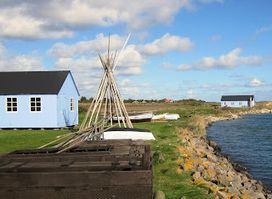
A humble 1911 fjord house at Jegindø Harbour, where tools, photos and film quietly tell the story of traditional fishing on the Limfjord’s sheltered waters.