

Holmegårds Mose Travel Guide
Free Guide: Ancient raised bog, Stone Age archaeology and quiet wildlife trails meet in this restored wetland wilderness on Zealand, where peat, glass and nature share the same story.


A brief summary of Holmegårds Mose
Ancient raised bog, Stone Age archaeology and quiet wildlife trails meet in this restored wetland wilderness on Zealand, where peat, glass and nature share the same story.
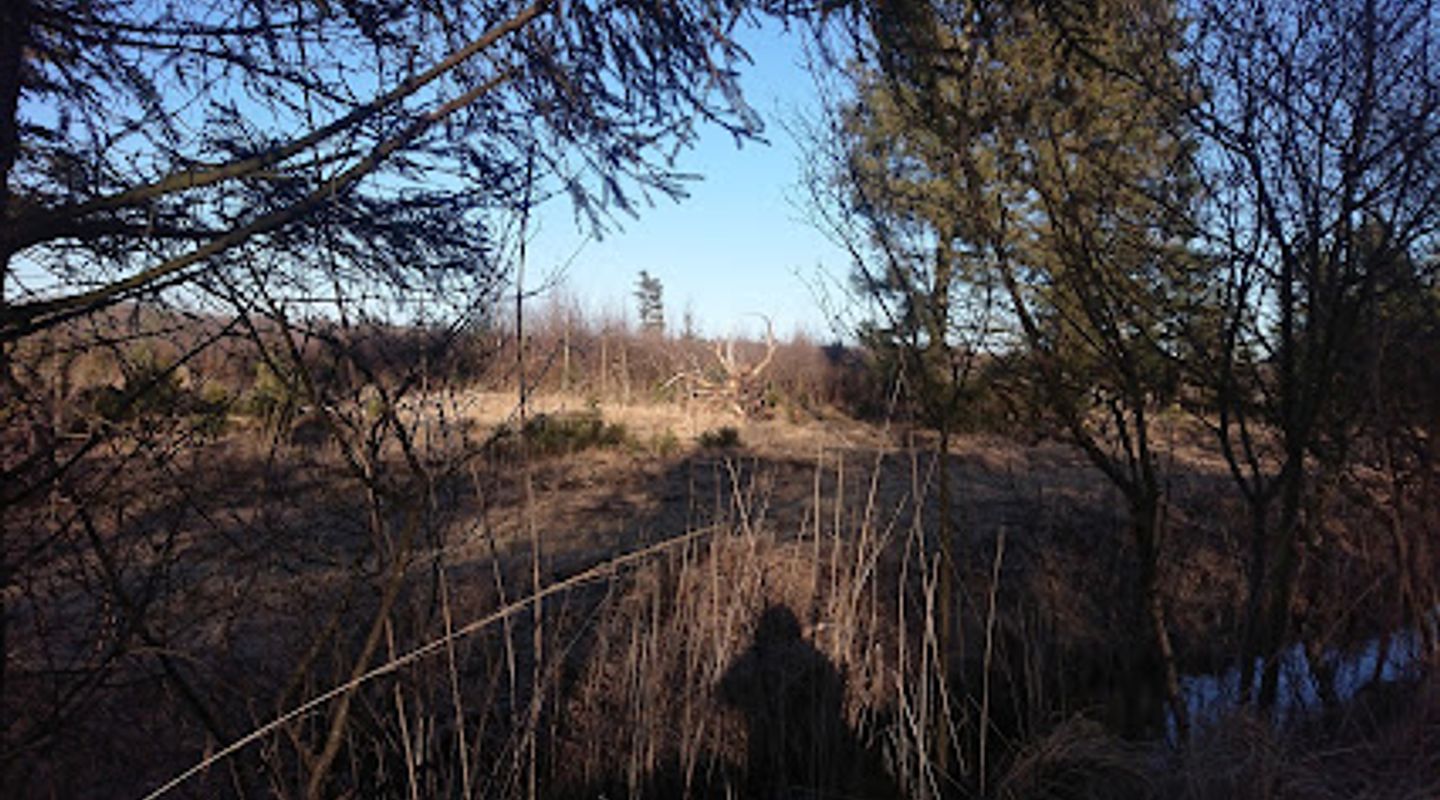
Holmegaard Mose is the largest raised bog on Zealand, a protected wetland just outside Holmegaard and Fensmark. Once heavily cut for peat to fire the nearby glassworks, it has been restored into a rare high bog landscape with sphagnum moss carpets, quiet pools, birch scrub and extensive boardwalks. The area is important for birdlife, unique plant communities and Stone Age archaeology, and offers low-key waymarked trails, a small viewing tower and a distinctly wild, tranquil atmosphere.
On-site amenities
 Picnic areas
 Information boards
 Trash bins
 Seating areas
Opening hours
- Every dayOpen 24 hours
Opening hours as listed on the venue’s Google Business Profile. Hours can change for services and special events, so check with the venue before you go.
- Address
- Fensmark Skov 13, 4684 Holmegaard
- Phone
- Website
Getting there
Car from Næstved
Bus and short walk from Næstved
Cycling from Næstved and nearby villages
Discover more about Holmegårds Mose
A rare raised bog in the heart of Zealand
Holmegaard Mose stretches across low-lying terrain north of Næstved, forming the largest raised bog on the island of Zealand and one of Denmark’s most distinctive wetland landscapes. Once covering around 500 hectares, the bog complex today consists of several linked areas, including the high bog core, surrounding fens and patches of birch and pine woodland. Underfoot, thick carpets of sphagnum moss hold water like a sponge, creating a floating, gently undulating surface dotted with small pools and heather.The area is protected as part of the European Natura 2000 network, recognised for its rare habitat types such as active raised bog, degraded bog capable of regeneration and alkaline fens. Restoration projects have focused on blocking old drainage ditches and removing trees so water levels could rise again, allowing the bog to recover. As a result, Holmegaard Mose is now one of the best places in eastern Denmark to experience genuine high bog nature up close.
From peat cutting to nature restoration
For more than a century, Holmegaard Mose was intensively exploited for peat, which was cut, dried and used as fuel for local heating and, most famously, for the Holmegaard glassworks. Long straight peat cuttings and small canals still shape parts of the landscape, silent reminders of a time when the bog was a working industrial resource. Rail tracks once carried peat out of the mire; today only subtle traces remain, hidden under vegetation.In recent decades, the focus has shifted from extraction to conservation. Large-scale restoration has re-wetted about 70 hectares of bog, slowing tree encroachment and encouraging sphagnum to recolonise. To make the recovering nature more accessible, simple infrastructure such as a low viewing tower, waymarked paths and information points has been added at selected edges of the bog. The result is a landscape where cultural history and raw nature sit side by side, with human traces gradually being reclaimed by moss and water.
Stone Age hunters and the world’s oldest bows
Long before peat cutters and glassworkers, Holmegaard Mose was home to Stone Age hunter-gatherers who camped along the waterlogged margins some 9,000 years ago. Waterlogged conditions in the bog preserved organic materials that would normally decay, including wooden artefacts. Among the most remarkable finds are a series of elm bows from the Mesolithic period, considered among the oldest and best-preserved bows in Europe.These so‑called Holmegaard bows, now held in national collections, offer a rare glimpse into early hunting technology, with their broad, flat limbs and carefully shaped profiles still clearly visible. Other archaeological discoveries include bone tools, flint implements and remains of camp sites, revealing how people once exploited the rich wetlands for game, fish and plants. Walking here today, it is easy to imagine the shoreline shifting over millennia as the bog slowly grew, enveloping traces of human life within its accumulating peat.
Walking the trails and watching wildlife
Visitors usually experience Holmegaard Mose via modest trails leading in from the surrounding farmland and forest. Boardwalks and narrow paths guide you across wetter sections, while drier ridges and old peat tracks provide easier footing. The walking is generally easy and mostly flat, though surfaces can be muddy or slippery after rain, and some stretches feel pleasantly remote once you leave the edge of the trees behind.The bog supports a mosaic of habitats, from open sphagnum lawns and cotton grass tufts to fringe birch scrub and richer fen areas where orchids and other specialised plants thrive. Birdlife is another highlight, with chances to spot breeding waders, reed-dwelling species and raptors hunting over the open bog. Insects, including dragonflies and butterflies, are abundant in summer, and with patience you may hear the calls of cranes or glimpse deer moving quietly at the forest margins.
Atmosphere, seasons and practical notes
The mood at Holmegaard Mose changes markedly with the seasons. On clear summer days the bog can feel bright and expansive, with wide skies reflected in dark pools and the hum of insects all around. In autumn, colours deepen as birch leaves turn gold against the muted greens and browns of the moss. Winter brings frost and thin ice that accentuates the subtle relief of the hummocks, while misty days lend the landscape an almost otherworldly character.Facilities at the site are intentionally limited to preserve the sense of wildness. There is a small parking area near Fensmark Skov that fills quickly, a few information boards and simple picnic-style seating at some access points. Paths are largely unpaved, so sturdy footwear is essential, and sticking to marked routes protects both the fragile bog surface and your own safety. Many visitors combine a walk here with time at the nearby Holmegaard Værk museum, linking the restored landscape to the glassworks history it once fuelled.
Why Holmegaard Mose matters today
Beyond its quiet beauty, Holmegaard Mose plays a significant role in contemporary conservation. Raised bogs are among Europe’s most threatened habitats, and their peat layers store large amounts of carbon accumulated over thousands of years. By re‑wetting and protecting the area, managers are not only safeguarding rare plants and animals but also helping to keep this carbon locked away, turning the bog into a natural climate ally.For travelers, Holmegaard Mose offers a chance to experience this rare habitat without travelling to more remote parts of the country. It is a place for unhurried walks, careful observation and a sense of stepping sideways in time, from Stone Age hunters through industrial peat cutting to modern restoration. The combination of natural richness, deep time and light-touch visitor infrastructure makes it a quietly memorable stop in southern Zealand.
Evendo Review Centre
 Google
Guest reviews
Best time to go
Quietest: Jan, Feb & Dec · before 7am or from 8pm
Busy times are Evendo estimates for a typical year, to help you plan. Actual crowds vary with events, school holidays and the weather.
Explore Holmegårds Mose on the map
A handpicked selection of must-see spots near Holmegårds Mose, mapped for you.
Get your free copy of our complete guide to Holmegårds Mose, delivered straight to you.
Everything on this page, from opening hours and how to get there to Eve’s tips and the best time to go, in one PDF you can read offline, print or share.
Already have an account? Sign in
Your Holmegårds Mose guide is ready.
We'll send it to · Not you? Sign out

Getting your guide ready…
We are putting together a fresh copy of the Holmegårds Mose guide. This can take up to a minute.
This can take a few moments. If your browser asks, choose Allow so the download can start. You'll find the guide in your Downloads folder.
Nothing happened? Download it again
Sorry, the guide is taking longer than usual. Please try again in a minute, or get it by email instead.
Other nearby places you may find interesting
The closest places of the same kind, if this one is not quite what you had in mind.
-
-
-
-
-


Swipe for more places
More to explore near Holmegårds Mose

 Best experiences near Holmegårds Mose
 Best hotels near Holmegårds Mose
 Best landmarks near Holmegårds Mose
 Best attractions near Holmegårds Mose
 Best shops near Holmegårds Mose
 Best restaurants near Holmegårds Mose
 Best bars near Holmegårds Mose
Do you manage this location?
Take control to get all the benefits, like improved information, better appearance, and stronger visibility across AI-powered discovery.
Explore more
Explore more of South Zealand
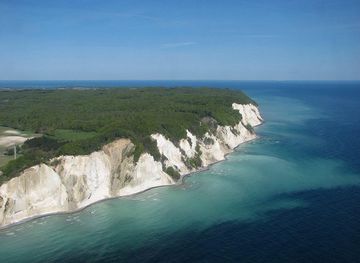
Discover South Zealand, where dramatic cliffs, historic castles, and charming coastal towns create the perfect Danish escape.
Explore South Zealand
Explore more of Denmark
Discover Denmark: A perfect blend of history, modern design, and the cozy concept of hygge. Explore vibrant cities, serene landscapes, and world-class cuisine.
Explore Denmark
