

Ladby Kirkeruin, South Zealand Travel Guide
Medieval boulder‑church ruins on a quiet hill above the fields near Næstved, where low stone walls, old graves and trees frame a peaceful slice of Danish rural history.
Ladby Kirkeruin is a quiet church ruin and former cemetery set on a low hill in the countryside just outside Næstved. Built in the 12th century as a stout granite boulder church, it was abandoned as a parish church in the 17th century, though burials continued here into the 1800s. Today, mossy stone walls, old grave markers and surrounding woodland create a contemplative historic site that still hosts occasional open‑air services and offers broad views over fields and forest.
A brief summary to Ladby Kirkeruin
- Ladbyvej, Næstved, 4700, DK
- Click to display
- Duration: 0.5 to 1.5 hours
- Free
-
 Outdoor
- Mobile reception: 4 out of 5

Know before you go
Hi, I'm Eve. Here are a few practical things to know before exploring Ladby Kirkeruin.
- Wear sturdy shoes; the ground in the former cemetery is uneven with tree roots, old graves and sometimes wet grass after rain.
- Bring any water or snacks you need, as there are no on‑site facilities or shops directly at the ruin.
- Allow time to read the information boards at the entrance; they help you interpret the low walls and understand the church’s layout.
- Visit in late afternoon or early evening for softer light over the surrounding fields and more atmospheric photos of the stonework.
Do you manage this location?
Take control to get all the benefits, like improved information, better appearance, and stronger visibility across AI-powered discovery. Learn more about listing your business on Evendo
Activate your presenceOther nearby places you may find interesting
The closest places of the same kind, if this one is not quite what you had in mind.
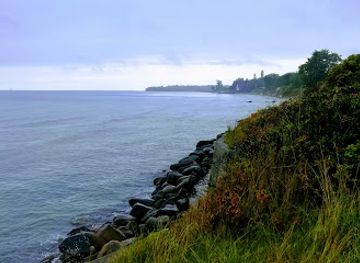
Explore Ladby Kirkeruin on the Map
A handpicked selection of must-see spots near Ladby Kirkeruin, mapped for you.
Getting There
-
Car from central Næstved
From central Næstved it typically takes about 10–15 minutes to reach Ladby Kirkeruin by car, following local roads towards Ladbyvej. There is usually informal roadside parking or a small lay-by near the ruin rather than a marked car park, so be prepared for simple conditions. Driving is free apart from fuel costs, and there are no entrance or parking fees at the site.
-
Bicycle from Næstved town
Cycling from the centre of Næstved to Ladby Kirkeruin generally takes 20–30 minutes, depending on pace. The route uses regular country and local roads with gentle rolling terrain, suitable for everyday bikes but without dedicated cycle paths in some stretches. There is no cost involved beyond bike rental if needed, which in Næstved usually ranges around 75–150 DKK per day from local providers.
-
Bus plus short rural walk
Regional buses serving the area around Ladbyvej run from Næstved Bus Station towards nearby villages, with a typical journey time of 10–20 minutes and an additional rural walk to reach the hilltop ruin. A standard adult single ticket within the local zone system is usually in the range of 20–35 DKK. Services can be less frequent in evenings and on weekends, so it is important to check current timetables in advance and plan daylight walking conditions.
For the on-the-go comforts that matter to you
-
 Information Boards
Discover more about Ladby Kirkeruin
A forgotten hillside church above Næstved’s fields
Ladby Kirkeruin sits on a gentle hill northwest of Herlufsholm, overlooking farmland and pockets of deciduous forest. Once a solid countryside church, it is now reduced to low walls of massive fieldstones and chalk blocks that trace the outline of the vanished building. Trees and shrubs have crept in around the stones, so the ruin feels partly enclosed by nature, especially in summer when the foliage softens the stark geometry of the old foundations.Paths lead you through the former churchyard, where scattered grave markers and uneven ground hint at centuries of burials. From the higher parts of the site, you can look out across open fields and towards nearby woods such as Longen and Humlebjerg, placing the little church in its broader Zealand landscape. Information signs at the entrance explain the story of the site, but much of its appeal lies simply in the mix of stone, sky and wind in the grass.From 12th‑century stronghold to rural ruin
Ladby Church was built in the 12th century as a bastion or boulder church, its thick walls made of giant granite blocks anchored in the glacial soil. This heavy construction reflected both the building traditions of medieval Denmark and the desire for a durable, almost fortress‑like parish church serving a scattered rural community. The church is first recorded in 1292, in a medieval will that confirms its role in the local religious network.By the mid‑17th century, the parish was reorganised and Ladby Church was closed as a regular place of worship. The structure gradually fell into disrepair, losing its roof and upper walls as stone was reused elsewhere. Yet the cemetery remained in use into the 19th century, so the hill continued to gather the dead long after the last sermon had echoed beneath the rafters. Today the ruin is protected as an ancient monument, its low walls clearly outlining nave and chancel where villagers once gathered.Traces of the churchyard and quiet remembrance
Although most headstones have either disappeared or sunk, subtle signs still mark the former cemetery. Slight rises and dips in the turf indicate old graves, while a few surviving stones, some lichen‑covered and hard to read, stand as tangible links to past parishioners. The enclosure of the churchyard, now defined more by trees and undergrowth than by walls, creates an intimate, almost enclosed green room around the ruin.This setting makes Ladby Kirkeruin a particularly atmospheric place for reflection. The lack of modern development immediately around the hill means that bird calls, wind in the branches and the occasional distant farm sound dominate the soundscape. Without interior decoration or furnishings, the ruin invites you to imagine rather than observe – to picture the medieval altar, the wooden roof, the candles and the congregation that once filled this space.Open‑air worship and living heritage
Despite its abandonment as a roofed church centuries ago, Ladby Kirkeruin has never entirely lost its religious function. Outdoor services are still held here a few times a year, with simple arrangements set up within the stone outline to create a temporary open‑air sanctuary. These gatherings link present‑day communities to the long history of worship on the hill, demonstrating how a ruin can remain an active spiritual setting.At other times the site functions as a low‑key historic attraction and local walking goal, often combined with visits to Herlufsholm or nearby parish churches. Because there are no entrance fees or formal facilities, Ladby Kirkeruin retains a pleasantly uncommercial character. The experience is shaped by weather and season: in spring and summer the ruin is framed by fresh leaves and long grass, while in autumn and winter the bare stones and skeletal branches give it a more austere, archaeological feel.Simple visit, subtle rewards
A visit to Ladby Kirkeruin rarely takes long, but the place rewards an unhurried pace. Walking slowly around the perimeter reveals changes in stone size, hints of former doorways and the transition between nave and chancel. Pausing on the higher side of the hill, you can appreciate how the builders chose a position that was both practical for the parish and symbolically elevated above the surrounding fields.The ruin’s modest scale and lack of crowds make it suitable for quiet photography, sketching or simply sitting on the grass with a book. It also works well as a reflective stop on a broader exploration of rural South Zealand’s churches and manor landscapes. Ladby Kirkeruin will not overwhelm with spectacle, but it offers a calm, authentic encounter with many centuries of Danish village history distilled into stone, turf and trees.












Your all‑in‑one travel companion app
Explore expert travel guides, compare and book tours, experiences, hotels, and more—all from the palm of your hand. Download now for seamless trip planning wherever your wanderlust takes you.


Explore More of South Zealand
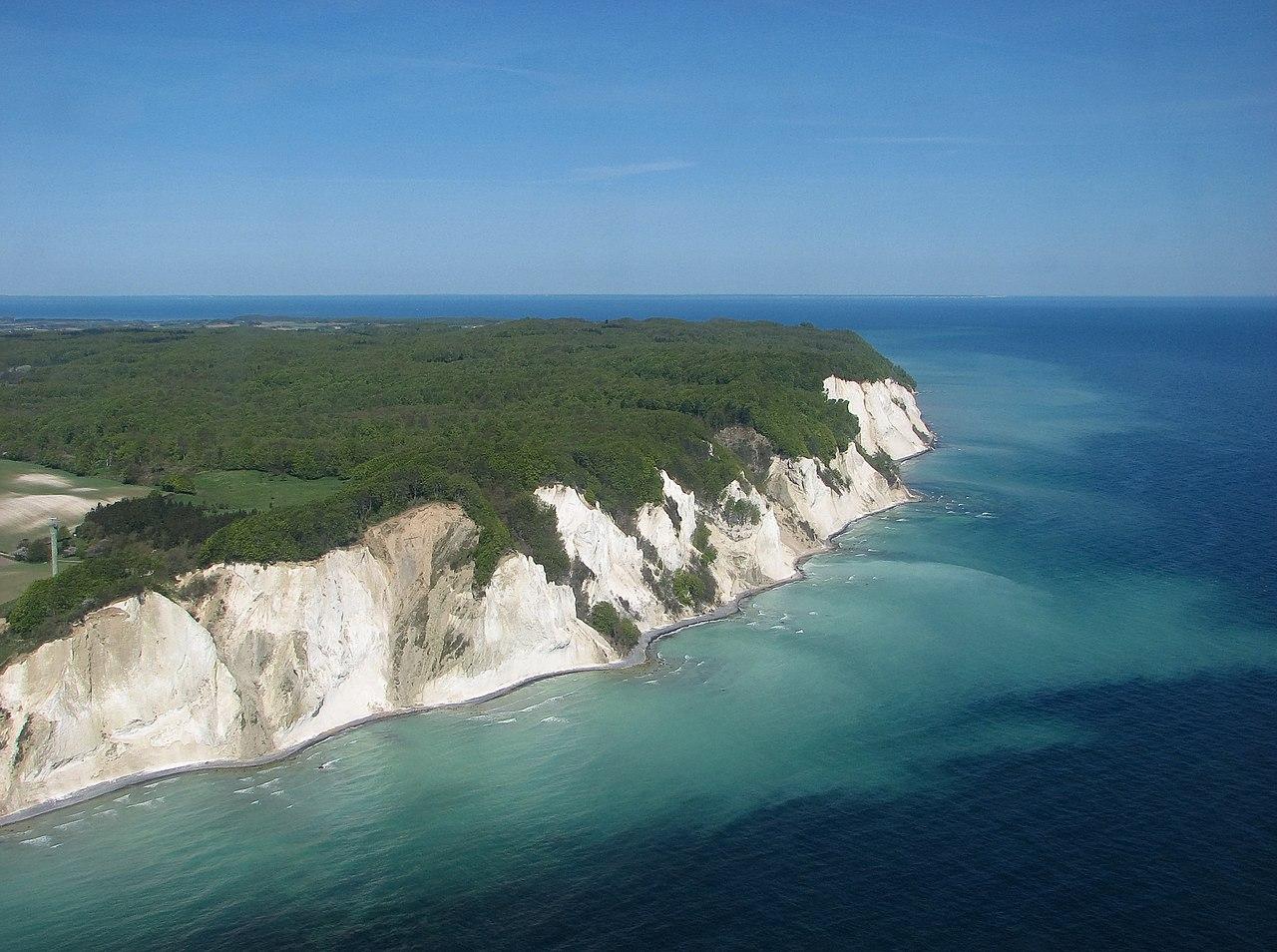
Looking beyond Ladby Kirkeruin? Discover South Zealand for broader travel guides, local hot-spots, and regional highlights.
Explore South Zealand