
Nyord, South Zealand Travel Guide
Tiny island, big skies: salt meadows, bird sanctuaries and a storybook village under some of Northern Europe’s darkest, starriest nights.
Nyord is a small, car-light Danish island in the Baltic Sea just north of Møn, known for its protected salt meadows, rich birdlife and remarkably well‑preserved village of whitewashed, thatched houses. Linked to Møn by a narrow bridge, the 5 km² island feels wonderfully remote yet easy to reach, combining open coastal landscapes with intimate lanes, a tiny harbour, a historic church and dark, star‑filled skies as part of the Møn & Nyord Dark Sky Park.
A brief summary to Nyord
- Stege, DK
- Duration: 2.5 to 8 hours
- Free
-
 Outdoor
- Mobile reception: 3 out of 5

Know before you go
Hi, I'm Eve. Here are a few practical things to know before exploring Nyord.
- Bring binoculars or a zoom lens; the birdlife on the salt meadows is rich, but many species are best appreciated from the birdwatching tower at a distance.
- Pack layers and a windproof jacket, even in summer; the island’s flat, open landscape and sea breezes can make it feel cooler than inland.
- Plan at least one evening in clear weather to experience the Dark Sky; turn off torches and phones for a few minutes to let your eyes adjust fully.
- Respect seasonal access rules around the meadows, especially during bird breeding and migration periods, and keep to marked paths to protect the habitat.
- Carry some snacks and water outside peak season; while there is a village shop and dining options, opening hours can be limited at quieter times.
Do you manage this location?
Take control to get all the benefits, like improved information, better appearance, and stronger visibility across AI-powered discovery. Learn more about listing your business on Evendo
Activate your presenceOther nearby places you may find interesting
The closest places of the same kind, if this one is not quite what you had in mind.
Explore Nyord on the Map
A handpicked selection of must-see spots near Nyord, mapped for you.
Getting There
-
Car from Stege (Møn)
From the town of Stege on Møn, driving to Nyord typically takes 15–20 minutes. The route follows local country roads and crosses a narrow bridge and causeway onto the island, with a reduced speed limit and occasional livestock nearby. Parking for visitors is usually provided on the edge of the village to limit car traffic in the historic core. There is no separate toll for the bridge and fuel costs are the main expense.
-
Local bus plus short walk
During the main season, regional buses run between larger Zealand towns and Stege in about 1–1.5 hours, with standard Danish regional fares often in the range of 40–90 DKK one way depending on distance and ticket type. From Stege you can connect to the local bus serving the Nyord road junction on Møn; the final approach over the bridge and along the causeway is then covered on foot, usually 20–30 minutes of easy walking on a flat, exposed road that is not ideal in strong wind or driving rain.
-
Bicycle from Ulvshale and Møn
Cyclists often reach Nyord via quiet roads and cycle routes across Møn and the Ulvshale area. From the Ulvshale forests and beaches, the ride to Nyord generally takes 20–40 minutes depending on pace and wind, with gentle gradients but frequent crosswinds on the open causeway. There is no extra cost beyond any bicycle rental fee, which commonly ranges from about 100–200 DKK per day locally. Surfaces are paved, but riders should be comfortable sharing roads with light motor traffic.
-
Taxi from Stege or nearby towns
Taxis based in Stege and other Møn settlements can take you directly to the Nyord visitor parking area in around 15–20 minutes from Stege and 40–60 minutes from larger Zealand towns such as Vordingborg, depending on pickup point and traffic. Fares within Møn are often in the range of 200–350 DKK one way, rising for longer journeys from the mainland. It is advisable to book in advance, especially in the evening or outside peak holiday periods, as on‑demand availability can be limited.
For the on-the-go comforts that matter to you
-
 Restrooms
-
 Drink Options
-
 Drinking Water
-
 Food Options
-
 Seating Areas
-
 Sheltered Areas
-
 Trash Bins
-
 Information Boards
-
 Visitor Center
Discover more about Nyord
An island at the edge of sea and sky
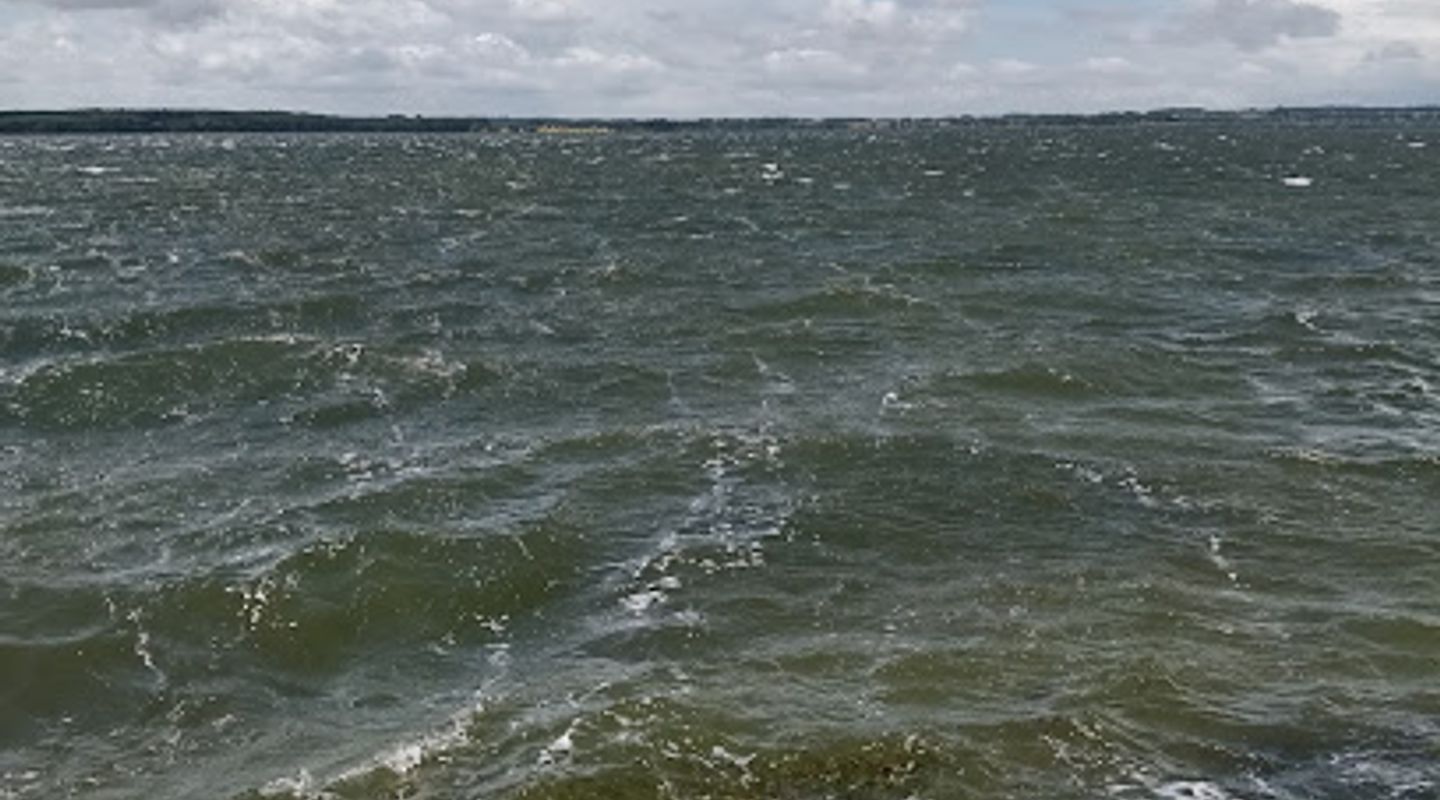
Nyord is a low, wind‑brushed island set between Zealand and Møn, where the Baltic Sea meets wide salt meadows and big northern skies. Much of its roughly 5 km² area is marshland and coastal meadow, flooded in winter and grazed in summer, so your first impression is one of open horizons and shifting light. The approach across the narrow causeway gives a sense of crossing into a self‑contained world.The land feels close to the sea everywhere you go. Shallow waters, mudflats and reeds create a mosaic of habitats that change colour with the seasons: fresh green in spring, sun‑bleached in late summer, silver‑grey in winter. It is a quietly dramatic landscape, shaped more by tides, birds and wind than by human traffic.A village that time forgot
At the heart of the island lies the compact village of Nyord, a cluster of traditional farmsteads and cottages arranged along narrow lanes. Many houses are whitewashed with half‑timbered details and thatched roofs, some facing intimate courtyards, others opening towards small gardens and the fields beyond. The scale is modest, but every corner feels carefully lived‑in.Nyord Church rises modestly above the rooftops, its simple tower visible across the meadows and from the small harbour. The village plan still reflects its farming roots: barns and stables sit close to dwellings, and former pilot houses recall the era when islanders guided ships through the tricky surrounding waters. Today you find a small local shop, a cosy farm‑restaurant and craft outlets tucked into old buildings, adding gentle life without overwhelming the historic character.Bird meadows and protected nature
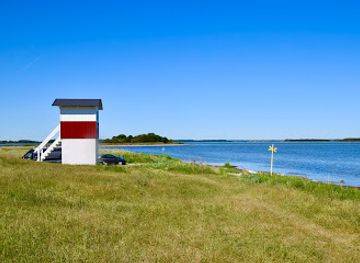
Nyord’s salt meadows and surrounding shallows are among Denmark’s important bird habitats. Large parts of the island are protected, and the western marshes belong to an internationally recognised wetland area. In migration seasons, flocks of geese, ducks and waders feed and rest here, filling the sky with sound at dawn and dusk.A wooden birdwatching tower stands near the meadows, giving sweeping views over the flat landscape. From here you can scan for avocets, herons and birds of prey, or simply absorb the quiet. Footpaths skirt the edge of sensitive zones to minimise disturbance, making it possible to experience the birdlife while respecting its fragility.From pilots and fishermen to gentle tourism
For centuries, Nyord’s community combined small‑scale farming with fishing and maritime piloting. The narrow, shallow channels around the island demanded local knowledge, and piloting was once both a right and a duty for islanders. Reminders of this maritime past survive in the modest harbour, the lookout and several pilot houses that still stand in the village.In the 20th century, a road bridge replaced the old post boat, bringing easier connection to Møn but not erasing Nyord’s independent feel. Today, agriculture and nature conservation coexist with low‑key tourism. Many areas remain free of through‑traffic, and parts of the island are restricted for cars, preserving the sense of quiet lanes best experienced on foot or by bicycle.Dark nights and starry experiences
Nyord forms part of Scandinavia’s first certified Dark Sky Park together with neighbouring Møn. Street lighting is minimal and carefully directed, so on clear nights the Milky Way arches distinctly overhead and constellations stand out with rare clarity. The combination of flat horizons and low light pollution makes the island a superb place to feel the immensity of the night sky.On still evenings, you may hear only distant waves, the calls of waterbirds and the soft hum of wind in the reeds. Whether you are standing by the harbour, on a lane between fields or near the meadows, the darkness here feels gentle rather than threatening, a reminder of how night once felt before electric glare.Slow moments by the harbour
Down by the tiny harbour, small boats rock softly and the view opens towards Møn and the broader Baltic. This is where the island’s working life meets its leisurely side: fishermen’s sheds, moored dinghies and swimmers’ steps all share the same short stretch of quay. At high summer the water can be invitingly calm; in winter, ice and wind redraw the shoreline.The harbour area offers one of the best places to sense Nyord’s rhythm: not much happens, and that is exactly the point. You might watch clouds drift over the meadows, trace the path of a sailing boat on the horizon or simply listen to the water against the stones. On Nyord, the experience is less about ticking off sights and more about letting time slow to the island’s pace.












Your all‑in‑one travel companion app
Explore expert travel guides, compare and book tours, experiences, hotels, and more—all from the palm of your hand. Download now for seamless trip planning wherever your wanderlust takes you.


Explore More of South Zealand
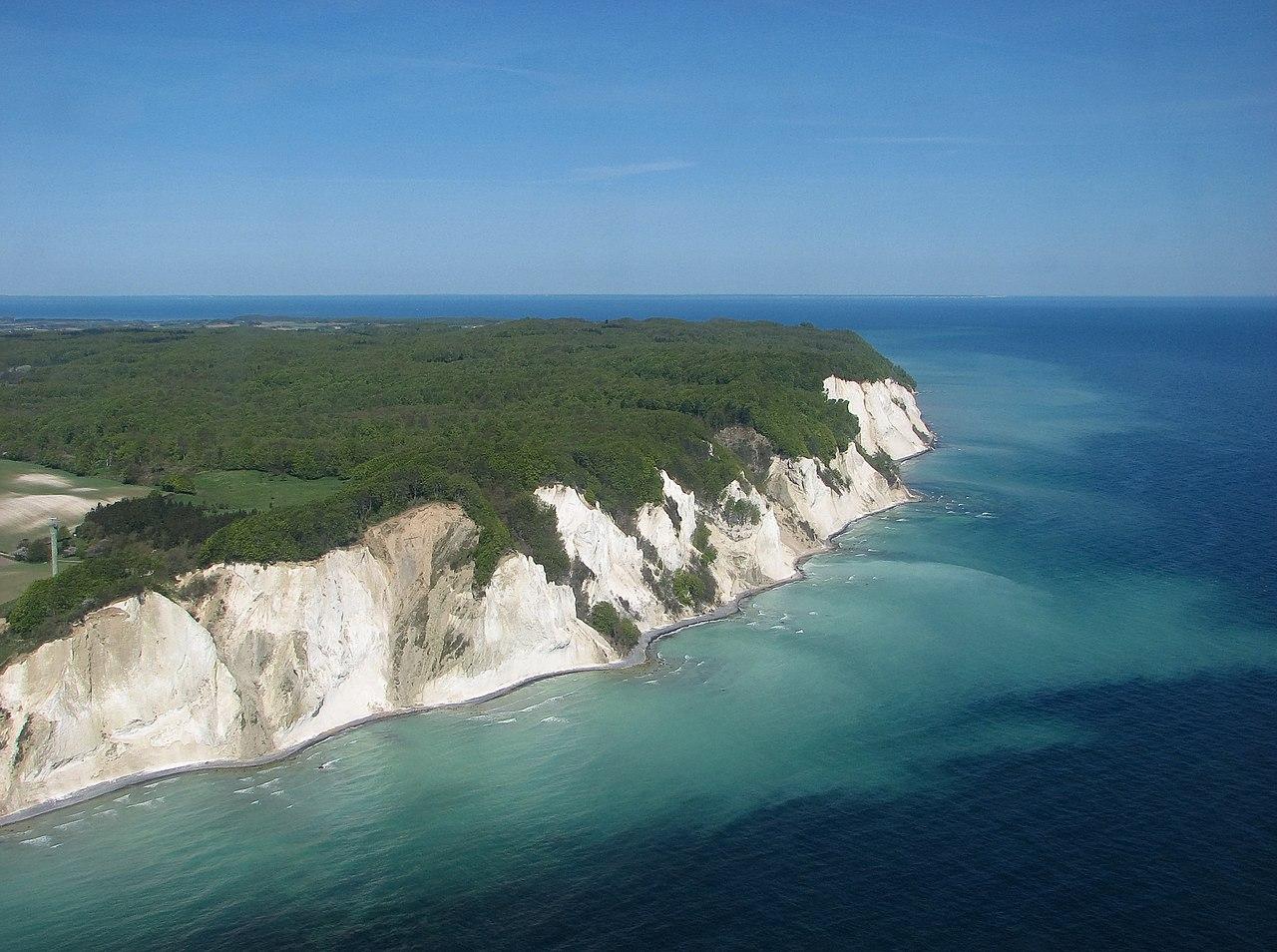
Looking beyond Nyord? Discover South Zealand for broader travel guides, local hot-spots, and regional highlights.
Explore South Zealand
Traditional wooden cutter tours from Klintholm Havn to the towering white cliffs of Møns Klint, blending maritime heritage, geology and Baltic Sea tranquillity.

Tiny Baltic island of meadows, marshes and dark skies, where a preserved village, abundant birdlife and star-filled nights offer a quietly magical escape from mainland pace.
