
Rønnebæksholm, South Zealand Travel Guide
Historic manor turned contemporary art centre, where exhibitions, gardens, playgrounds and a poet’s pavilion meet in tranquil countryside just outside Næstved.
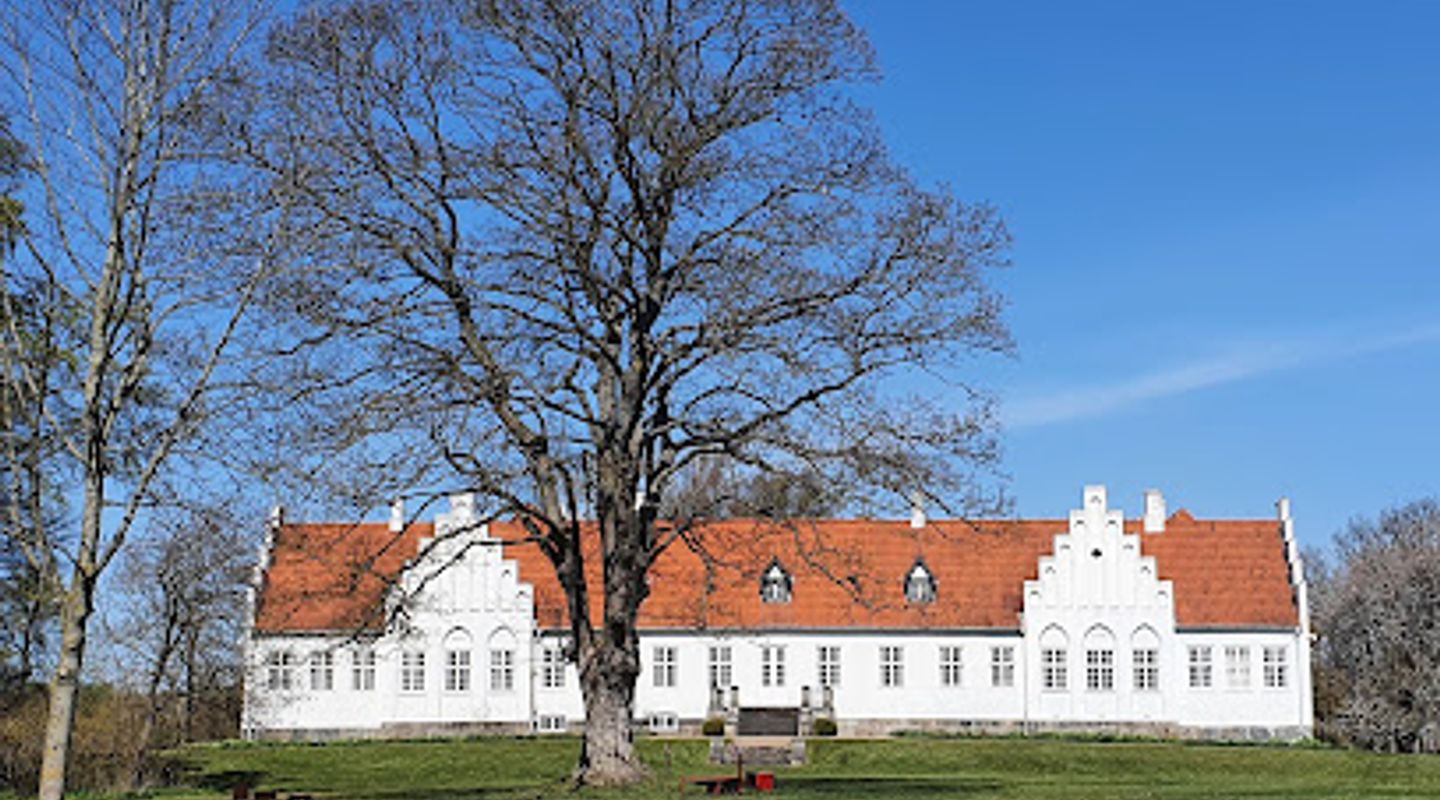
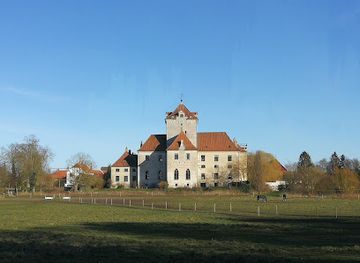
Rønnebæksholm is a historic manor just outside Næstved, where centuries of Danish estate life meet a vibrant contemporary art centre. The white neo-Gothic main house, former stables and barns now host changing exhibitions, concerts, talks and workshops, while the surrounding park, manor garden and nature playground invite slow walks and family time in the fresh air. Sculptures, sound installations and the poet Grundtvig’s pavilion add layers of culture to the peaceful, green setting.
A brief summary to Rønnebæksholm
- Rønnebæksholm 1, Næstved, 4700, DK
- Click to display
- Click to display
- Duration: 1.5 to 4 hours
- Mid ranged
-
 Mixed
Mixed
- Mobile reception: 4 out of 5
- Thursday 12 pm-5 pm
- Friday 12 pm-5 pm
- Saturday 12 pm-5 pm
- Sunday 12 pm-4 pm

Know before you go
Hi, I'm Eve. Here are a few practical things to know before exploring Rønnebæksholm.
- Plan time for both the indoor exhibitions and a slow walk through the park, manor garden and playground area; the outdoor artworks and sound installations are a major part of the experience.
- Check current exhibition and event schedules in advance; opening hours apply to the buildings, but the park and gardens generally remain freely accessible all year.
- Wear comfortable shoes: surfaces range from gravel and grass to old stone, and you may want to explore the full grounds including the Grundtvig pavilion.
- If visiting with children, look for the Children’s Workshop, nature playground and musical instruments near Herskabsstalden to balance quiet gallery time with active play.
- Bring or buy snacks for a picnic; there are several pleasant spots in the park and garden where you can sit and enjoy the scenery between activities.
Do you manage this location?
Take control to get all the benefits, like improved information, better appearance, and stronger visibility across AI-powered discovery. Learn more about listing your business on Evendo
Activate your presenceOther nearby places you may find interesting
The closest places of the same kind, if this one is not quite what you had in mind.
Explore Rønnebæksholm on the Map
A handpicked selection of must-see spots near Rønnebæksholm, mapped for you.
Getting There
-
Walking from Næstved centre
From central Næstved or the main train station, allow about 25–35 minutes on foot to reach Rønnebæksholm. The route follows pavements through town and then more open suburban and semi‑rural surroundings, with only gentle inclines. Surfaces are mostly paved, so it is manageable with a stroller, though extended wheelchair use may be tiring over the distance, especially in bad weather. Walking is free and available year‑round, but can be exposed to wind and rain on the more open stretches.
-
Local bus from Næstved
Several local buses run from Næstved Station and central stops towards the southern and eastern outskirts of town, with journey times typically around 10–15 minutes plus a short walk. Standard single adult fares within the local zone are usually in the range of DKK 24–30 when bought from machines or via regional ticket apps. Services run more frequently on weekdays than at evenings and weekends, so always check current timetables, and be aware that some departures may stop a few hundred metres from the estate entrance.
-
Taxi within Næstved
A taxi from Næstved Station or the town centre to Rønnebæksholm generally takes 8–12 minutes in normal traffic. Typical fares for such a short, in‑town trip fall roughly between DKK 90 and 140, depending on time of day, company and any waiting time. Taxis can usually drop you close to the main drive, which is convenient for visitors with limited mobility or travelling with small children. Advance booking is advisable during busy periods or in bad weather.
-
Car or rental car
Driving from central Næstved to Rønnebæksholm usually takes around 8–10 minutes via local roads. The estate offers on‑site parking at no charge, but spaces can be tighter during large exhibitions or special events. Roads are paved and straightforward in all seasons, though winter conditions may require slower speeds. A car is convenient if you are combining Rønnebæksholm with other countryside attractions in South Zealand or travelling with picnic gear and outdoor equipment.
For the on-the-go comforts that matter to you
-
 Restrooms
-
 Drink Options
-
 Drinking Water
-
 Food Options
-
 Seating Areas
-
 Picnic Areas
-
 Trash Bins
-
 Information Boards
-
 Visitor Center
-
 Sheltered Areas
Discover more about Rønnebæksholm
A historic country estate on Næstved’s edge
Rønnebæksholm is a former manor house set in rolling countryside just beyond Næstved, today run as the municipality’s art centre. The estate stretches across fields and woodland, but your focus is immediately drawn to the bright, white main building, rebuilt in the 18th century and later given a distinct neo-Gothic character. Thick walls, tall windows and a symmetrical façade tell of an era when the property was run as a working manor with close ties to the Danish crown and nobility.Estate life here reaches back to the Middle Ages, and for centuries the land changed hands between prominent families. In the 1500s, the grounds even housed one of Denmark’s earliest gunpowder works. Over time, the agricultural operations diminished, and today the atmosphere is more contemplative than industrious: an open, cultural campus where history lingers in the architecture while new ideas fill the rooms.From noble residence to contemporary art hall
Inside the manor, whitewashed rooms, creaking floors and high ceilings have been transformed into a contemporary art hall. Rønnebæksholm hosts a changing programme of exhibitions, often with installations that respond directly to the historic rooms or to the surrounding landscape. The former stable buildings by the park entrance now hold an art school and talent school, while the restored Herskabsstalden carriage stable is used for talks, performances, poetry salons, conferences and concerts.The house also contains smaller, characterful spaces such as Marie’s Room, a nod to an influential 19th‑century owner, and a cosy café and shop where you can pause between exhibitions. Children are drawn to dedicated workshop areas, where hands-on activities mirror themes from the current shows, making the centre feel as much like a creative laboratory as a museum.Grundtvig’s pavilion and stories of “Kindness”
One of the most distinctive features of the grounds is the poet’s pavilion, known as Venligheden – “The Kindness”. This small, romantic garden house was built in the 1850s for theologian, writer and hymn‑author N.F.S. Grundtvig after his marriage to Marie Toft, the manor’s widowed owner. Designed by architect Johan Daniel Herholdt with inspiration from English Renaissance garden architecture, it is an unusually intimate monument to ideas, faith and affection.Set in a quiet corner of the park, the pavilion connects literary history with the wider cultural mission of Rønnebæksholm. Today it houses a permanent contemporary artwork, creating a dialogue between Grundtvig’s time and current artistic practice. The building’s scale and seclusion make it a natural place for reflection, with views back across lawns, trees and the white manor itself.Art in the park, gardens and soundscapes
The landscaped park around the house doubles as an outdoor gallery. Sculptural works by various artists dot the lawns and paths, inviting you to explore at your own pace. A dedicated sound park and large, stone-and-wood musical instruments near Herskabsstalden turn parts of the grounds into playful listening spaces, where children can experiment while adults enjoy the changing acoustic textures.Beyond the main park lies a 6,500 m² manor garden framed by an artist-designed portal. Here, beds, fruit, herbs and perennials are cultivated with an eye to biodiversity and sustainability. Seasonal activities such as seed days, plant dye workshops or pumpkin events often revolve around this garden, and volunteers help tend the plots, keeping the garden closely tied to local community life.Family-friendly corners and quiet escapes
Behind the garden a large nature playground spreads out under open sky, with logs, mounds and natural structures that encourage imaginative play rather than plastic equipment. Picnic areas are scattered throughout the park and garden, making it easy to linger with a blanket and simple lunch. The grounds are freely accessible year‑round, so even outside exhibition hours Rønnebæksholm functions as a green breathing space for Næstved.Paths are mostly gentle and wide, suitable for prams and most wheelchairs, though some older surfaces can be uneven. On cultural evenings the manor and stable buildings glow with light, and sounds from concerts or performances spill softly into the park. At other times, birdsong, wind in the trees and distant traffic are the only interruptions, underlining how this former estate now balances vibrant public programmes with a tranquil, rural setting.












Your all‑in‑one travel companion app
Explore expert travel guides, compare and book tours, experiences, hotels, and more—all from the palm of your hand. Download now for seamless trip planning wherever your wanderlust takes you.


Explore More of South Zealand
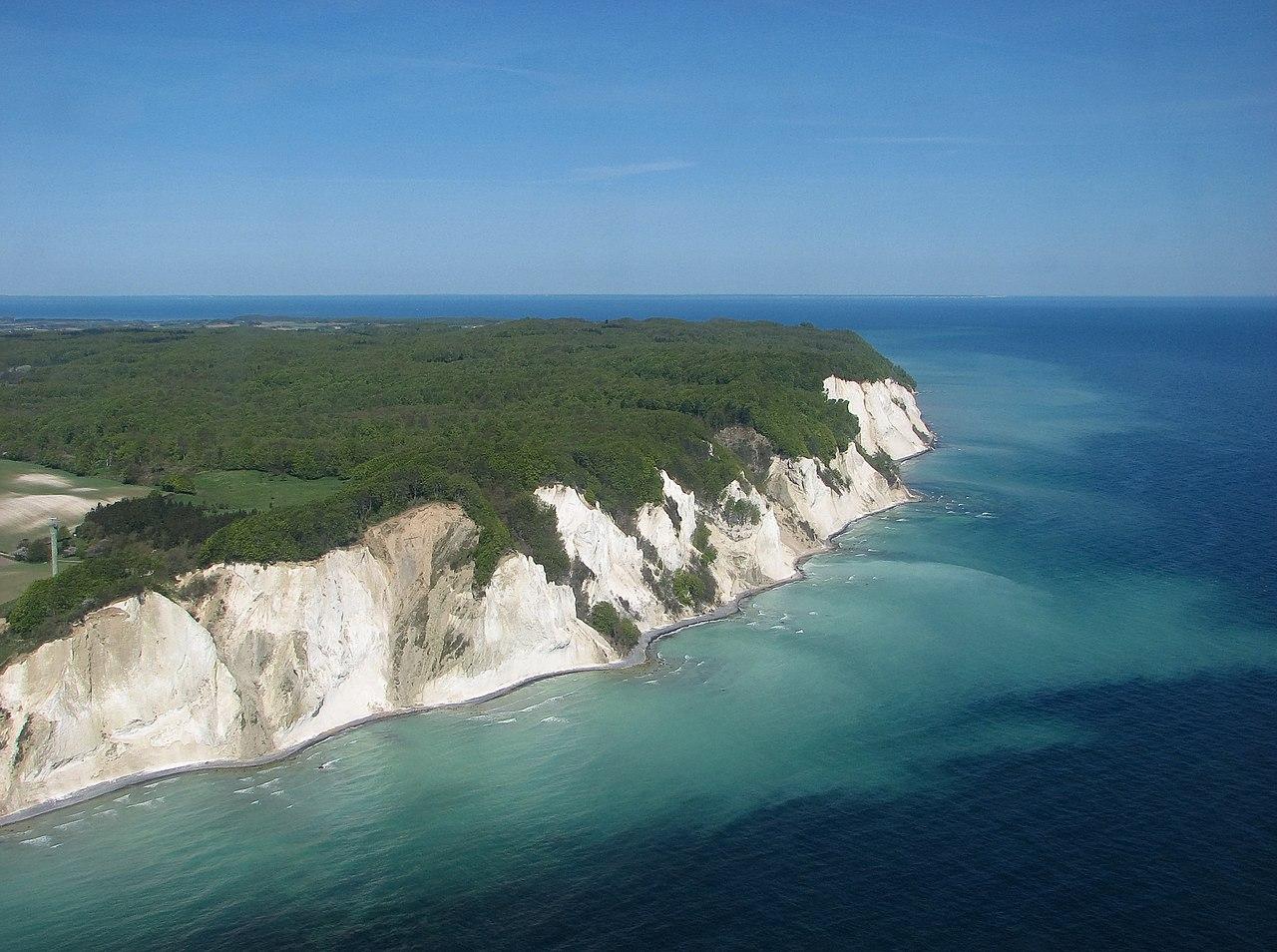
Looking beyond Rønnebæksholm? Discover South Zealand for broader travel guides, local hot-spots, and regional highlights.
Explore South Zealand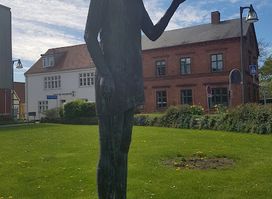
A life-size bronze musician bringing a moment of quiet poetry to Næstved’s busy Købmagergade, where everyday city life meets intimate public art.
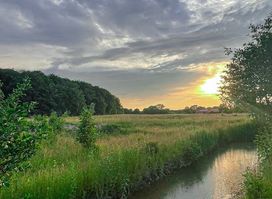
Young woodlands, open meadows and restored wetlands form a relaxed green belt around Næstved, perfect for everyday walks, play and simple outdoor living.
