

Solgårdsparken, South Zealand Travel Guide
Romantic coastal parkland between Køge Bay and Tryggevælde River, where historic landscape design, poetic audio stories and varied nature create a richly layered green retreat.
Framed between Køge Bay and the meandering Tryggevælde River in Strøby Egede, Solgårdsparken is a romantic historic park that feels both cultivated and wild. Winding paths lead past canals, lakes, small temples, sculptures and bridges, while lawns, play areas, a dog forest and shelters invite long, unhurried visits. This carefully maintained landscape garden blends cultural heritage, poetic audio stories and varied nature into one of the region’s most atmospheric green escapes.
A brief summary to Solgårdsparken
- Stevnsvej 26, Køge, 4600, DK
- Click to display
- Click to display
- Duration: 1.5 to 4 hours
- Free
-
 Outdoor
- Mobile reception: 4 out of 5

Know before you go
Hi, I'm Eve. Here are a few practical things to know before exploring Solgårdsparken.
- Bring a charged smartphone and headphones to enjoy the park’s QR-linked audio stories; each narrative is tied to a specific bench, so sit and listen in place for the full experience.
- Pack a picnic or simple barbecue supplies to make use of the shelters, grill spots and many picnic tables scattered across the lawns and near the old treatment hall.
- Allow time to explore both the formal garden areas with statues and small temples and the looser meadows, dog forest and riverside paths for the park’s full variety.
- In cooler or damp weather, choose sturdier footwear as some smaller paths near the watercourses and meadows can become soft or muddy underfoot.
- If you are sensitive to sun, seek out the shaded benches under mature trees or near the canals, where water and foliage combine to keep temperatures more comfortable in summer.
Do you manage this location?
Take control to get all the benefits, like improved information, better appearance, and stronger visibility across AI-powered discovery. Learn more about listing your business on Evendo
Activate your presenceOther nearby places you may find interesting
The closest places of the same kind, if this one is not quite what you had in mind.
Explore Solgårdsparken on the Map
A handpicked selection of must-see spots near Solgårdsparken, mapped for you.
Getting There
-
Regional train and bus from central Copenhagen
From Copenhagen central area, take a regional train towards Køge or Næstved and get off at Køge Station; trains typically run every 20–30 minutes and the journey takes about 35–45 minutes. From Køge Station, transfer to a local bus towards Strøby Egede and ride for roughly 10–15 minutes to a stop near Stevnsvej by the park. Expect the combined trip to take 1–1.25 hours. A standard adult ticket for the full journey within the greater Copenhagen and Køge zones usually costs in the range of 80–120 DKK depending on ticket type and discounts.
-
Local bus from Køge town centre
If you are already in Køge, walk to Køge Station or the main bus stops in the centre and board a local bus serving Strøby Egede and Stevnsvej. Buses generally run several times an hour during the day, less frequently in the evening, and the ride to the park area takes around 10–20 minutes depending on route and traffic. A single adult bus ticket within the local zones typically costs about 24–40 DKK. Most services are low-floor, but check timetables for exact departures, especially on weekends and holidays.
-
Cycling from Køge
From Køge town and harbour area, cycling to Solgårdsparken follows established roads and cycle paths heading south along Køge Bay. The distance is roughly 6–8 km depending on your starting point, and most riders will cover it in 25–40 minutes at an easy pace. The route is largely flat but can be exposed to wind from the bay, so allow extra time in breezy conditions. This option is free apart from bike rental if needed, and is suitable for most confident cyclists, including families with older children accustomed to Danish traffic.
-
Taxi from Køge
Taxis are readily available around Køge Station and the central town area. A direct taxi ride to Solgårdsparken usually takes 10–20 minutes depending on traffic along the coastal road. Fares vary with time of day and company, but for a standard car you can expect to pay in the region of 150–250 DKK one way. This is the most straightforward option if you are travelling in a small group, carrying picnic supplies or visiting outside core bus operating hours.
For the on-the-go comforts that matter to you
-
 Restrooms
-
 Drink Options
-
 Drinking Water
-
 Food Options
-
 Seating Areas
-
 Sheltered Areas
-
 Picnic Areas
-
 Trash Bins
-
 Information Boards
-
 Visitor Center
Discover more about Solgårdsparken
A seaside escape between bay and river
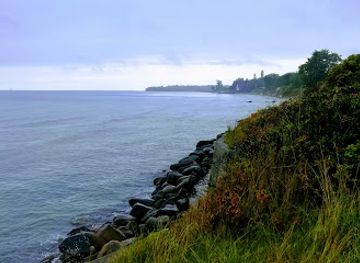
Solgårdsparken stretches like a green peninsula between Køge Bay and the calm waters of Tryggevælde Å, a short distance south of Køge in Strøby Egede. Here, salty breezes from the bay mingle with the damp scent of meadows and woodland, giving the park a distinctly coastal feel. From some paths you catch glimpses of water on both sides, while others sink into leafy shelter where birdsong and rustling leaves drown out the outside world.The terrain is gently undulating with open lawns, small hills, canals and ponds, stitched together by a network of gravel paths and narrow bridges. The setting feels carefully composed yet never stiff, inviting you to wander rather than march from sight to sight. Even on cooler days, the combination of water, trees and big skies makes this an evocative place for a slow walk.From seaside villa to atmospheric landscape garden
Solgårdsparken grew up around the grand white seaside villa Solgården, once a fashionable retreat along the old coastal road. In the early 20th century the owner purchased surrounding land and shaped it into a romantic landscape garden with sweeping lawns, tree-lined avenues, canals, lakes, small temples, sculptures, bridges, pavilions and ornamental planting. The idea was to create a kind of private pleasure park with shifting moods and vistas.Later the estate took on a very different role when it was transformed into a treatment home. Tuberculosis patients once rested in a large open-sided hall that caught sun and fresh air; today that long structure survives as a distinctive shelter-like space and a characterful spot for picnics and events. Over decades the main villa was eventually demolished and the garden partly overgrew, before municipal efforts and local engagement brought the park back as a public green haven.Hidden corners, statues and playful details
As you explore, you move through a sequence of small scenes. One moment you are crossing a narrow bridge over dark water with overhanging branches reflecting in the surface; the next you step into a clearing framed by old trees and a solitary statue. Remnants of the original romantic design remain in small temples, sculptural ornaments and viewpoints carefully placed to surprise you around bends in the path.Within the grounds you also find more informal areas that feel almost like countryside: meadows buzzing with insects in summer, thickets where birds flit in and out of view, and edges where the park melts into woodland and shore. The mix of cultivated garden features and looser nature gives Solgårdsparken a layered charm and plenty of reasons to linger.Everyday recreation for all ages
Despite its historic bones, Solgårdsparken functions very much as a living local park. Families gravitate to the playground and open lawns, where there is room for games, blankets and unhurried afternoons. A designated dog forest lets four-legged visitors run more freely, while the water channels and lakes add a calming backdrop for anyone simply strolling or sitting with a book.Picnic tables and benches are dotted across the grounds, including near shelters and a firepit where small groups can gather. Barbecue facilities and open grassy spaces make the park well suited to social outings, and there is even a spot for launching canoes into the river. The variety of settings allows you to choose between lively clearings and quiet corners, depending on your mood.Stories in your ears and nature at your feet
One of Solgårdsparken’s most distinctive features is a curated series of audio stories woven into the landscape. At selected spots you will find discrete signs with QR codes beside benches. Scan one, sit down and you are drawn into a short narrative that mixes park history, reflections on nature and gentle invitations to observe your surroundings more closely. Each story stands alone, so you can listen to a single tale or follow several as a kind of meditative walk.Beyond the audio experience, the park’s botanic variety rewards close attention. Old trees tower above younger plantings, and pockets of more experimental or ornamental planting echo the original botanical ambitions of the estate. Combined with the proximity to both bay and river, this makes Solgårdsparken a serene place to tune into seasonal change, from spring blossoms and summer greenery to autumn colour and the stripped-back silhouettes of winter.












Your all‑in‑one travel companion app
Explore expert travel guides, compare and book tours, experiences, hotels, and more—all from the palm of your hand. Download now for seamless trip planning wherever your wanderlust takes you.


Explore More of South Zealand
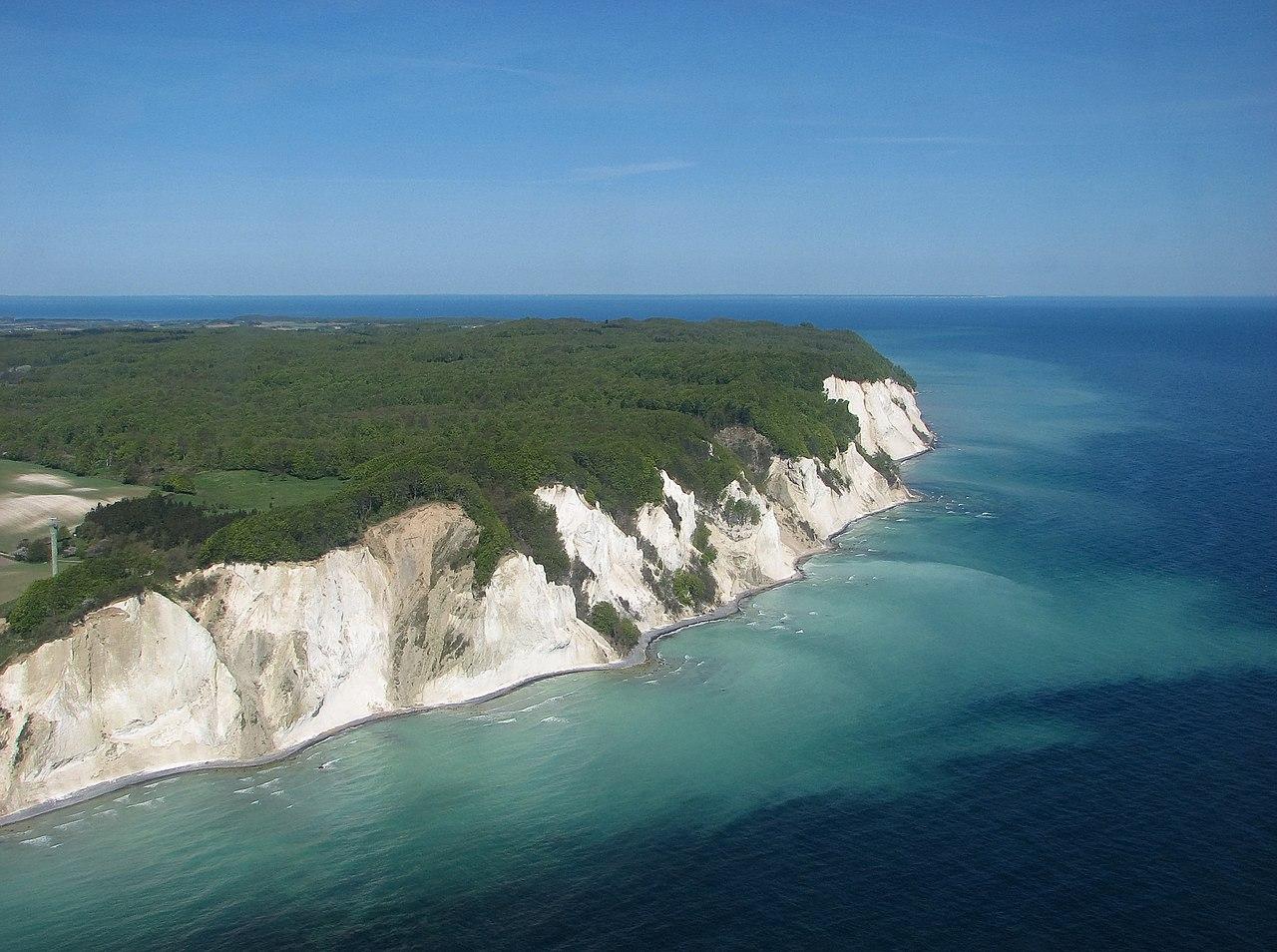
Looking beyond Solgårdsparken? Discover South Zealand for broader travel guides, local hot-spots, and regional highlights.
Explore South Zealand
Coastal World War I fort turned interactive museum and seaside park, where Denmark’s story of wartime neutrality unfolds above a sandy beach in Greve.
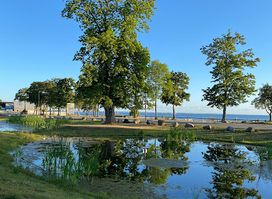
Romantic coastal park between Køge Bay and Tryggevælde River, where historic garden design, tranquil nature, play areas and reflective audio stories meet in one green retreat.
