Fredensborg Palace, The North Sea Islands Travel Guide
A tranquil baroque royal residence on Esrum Lake, where radiating avenues, sculpture-filled gardens, and living palace traditions bring Danish court life into sharp focus.
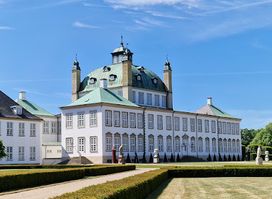
Set amid rolling countryside by Esrum Lake, Fredensborg Palace is one of the Danish Royal Family’s most cherished residences and a masterpiece of baroque architecture. Completed in 1722 for King Frederik IV and named to celebrate peace after the Great Northern War, it combines a graceful copper-domed central hall with sweeping wings and one of Denmark’s largest historic palace gardens, famed for radiating avenues, formal parterres, woodlands, and the evocative Valley of the Norsemen sculpture park.
A brief summary to Fredensborg Palace
- Slottet 1B, Fredensborg, 3480, DK
- Click to display
- Click to display
- Duration: 2 to 4 hours
- Mid ranged
-
 Mixed
Mixed
- Mobile reception: 4 out of 5

Know before you go
Hi, I'm Eve. Here are a few practical things to know before exploring Fredensborg Palace.
- Allow at least 2–3 hours to combine a stroll through the baroque avenues, the woodland paths, and time by Esrum Lake; wear comfortable shoes, as distances in the gardens are larger than they appear.
- Plan a summer visit if you want to see the palace interiors and Reserved Garden; guided tours usually run on fixed July dates and must be booked online in advance.
- Check the weather before you go; the main experience is outdoors, and mild, dry days are ideal for appreciating long vistas and the Valley of the Norsemen sculpture area.
- Bring a light snack or picnic for the public areas of the gardens, where lawns and benches provide scenic spots overlooking avenues, water, and woodland.
- If you are visiting other royal sites in North Zealand, avoid confusing Fredensborg Palace with Frederiksborg Castle or Frederiksberg Palace when checking opening times.
Do you manage this location?
Take control to get all the benefits, like improved information, better appearance, and stronger visibility across AI-powered discovery. Learn more about listing your business on Evendo
Activate your presenceOther nearby places you may find interesting
The closest places of the same kind, if this one is not quite what you had in mind.
Explore Fredensborg Palace on the Map
A handpicked selection of must-see spots near Fredensborg Palace, mapped for you.
Unlock the Best of Fredensborg Palace
Buy tickets
-
No tickets available
Book tours with entry


Getting There
-
Regional train and short walk from Copenhagen
From central Copenhagen, take an “L” regional train toward Hillerød and change to the local line for Fredensborg; the total rail journey typically takes 45–60 minutes. A standard adult ticket for the full route usually costs around DKK 80–120 one way, depending on time and ticket type. From Fredensborg station, expect a pleasant walk of about 20–25 minutes on mostly level pavements through town and parkland. Trains run regularly throughout the day, but evening frequencies can be lower, so check return times in advance.
-
Car from greater Copenhagen area
Driving from central Copenhagen to Fredensborg Palace generally takes 40–55 minutes under normal traffic conditions, using main roads through North Zealand’s countryside. There is signed parking near the palace, and additional parking areas in the town if the closest spaces are full. Expect to pay around DKK 10–20 per hour in paid zones, while some outlying areas may be free with time restrictions. The approach roads are straightforward and suitable for all standard vehicles year-round, though weekend and summer traffic can lengthen travel times.
-
Bus connection within North Zealand
If you are already in North Zealand, local buses link towns such as Hillerød and Helsingør with Fredensborg in about 25–45 minutes, depending on the route. A single regional bus ticket typically costs around DKK 30–50. Services are generally more frequent on weekdays and daytime hours than late evenings, and some routes may have reduced schedules on Sundays and public holidays. Bus stops are within walking distance of the palace, on flat terrain suitable for most visitors.
For the on-the-go comforts that matter to you
-
 Restrooms
-
 Drink Options
-
 Drinking Water
-
 Food Options
-
 Seating Areas
-
 Sheltered Areas
-
 Picnic Areas
-
 Trash Bins
-
 Information Boards
-
 Visitor Center
Discover more about Fredensborg Palace
A royal residence shaped by peace and ceremony
Completed in 1722 as a country retreat for King Frederik IV, Fredensborg Palace was conceived as a baroque pleasure residence set comfortably in the gentle landscape of North Zealand. Its name, meaning “Palace of Peace,” commemorates the end of the Great Northern War, and that idea of calm, assured stability still permeates the estate. The main building wraps around a circular courtyard, anchored by the Italian-inspired Dome Hall that rises through two floors, giving the palace a distinctive, harmonious silhouette.Over the centuries, successive monarchs have chosen Fredensborg as a favored base outside Copenhagen. Today it remains one of the Royal Family’s most frequently used residences in spring and autumn, a setting for state visits, banquets, and family milestones. Heads of state are welcomed beneath its pale façades and copper-green rooflines, then led through reception rooms where an old tradition has visiting dignitaries inscribing their names on the windowpanes, leaving an intimate record of diplomatic encounters.Architecture in dialogue with the landscape
Fredensborg was designed in the high baroque idiom by leading architects of the day, yet what sets it apart is the way architecture and garden are choreographed together. From the Dome Hall, vistas radiate outward along strict axes, tying the building visually to its surroundings. The whitewashed walls, slate and copper roofs, and measured ornamentation create a restrained elegance that contrasts with the more ornate royal castles closer to Copenhagen.The palace’s position near Esrum Lake is not accidental. Water, woodland, and formal garden were all part of the original concept, giving the residence an almost theatrical backdrop that could shift from courtly pomp to pastoral retreat. Ancillary buildings, including the Orangery and smaller residences used by members of the Royal Family, extend the complex, yet the core remains a single, coherent baroque composition set within an expansive green stage.Baroque avenues and romantic corners in the gardens
The palace garden is one of Denmark’s largest historic parks and a textbook example of baroque planning gradually softened by romantic tastes. Seven broad avenues fan out from the palace in a semicircle, like giant spokes, emphasizing royal authority through geometry. Between them lie formal lawns, clipped hedges, and carefully placed sculptures that reward slow, observant wandering.Further from the palace, the mood shifts into a more romantic landscape of woodland and winding paths. Here, the strict symmetry relaxes into shaded trails, clearings, and unexpected viewpoints over the water. This blend of formal and informal design allows you to move from grand, ceremonial spaces to secluded, almost intimate glades within a single walk, making the gardens feel both stately and surprisingly personal.The Valley of the Norsemen and royal garden stories
One of the most distinctive features of Fredensborg’s grounds is the Valley of the Norsemen, a sculpture park populated by dozens of stone figures representing Norwegian and Faroese farmers and fishermen. Created when the Danish realm extended far into the North Atlantic, the collection forms a kind of three-dimensional portrait of everyday subjects, placed within a royal setting. It is at once a political statement and a curious, atmospheric detour off the main avenues.Closer to the palace lies the Reserved Garden, a private enclave usually kept for the Royal Family. During selected summer periods, guided tours grant rare access to these more intimate spaces, including a productive kitchen garden and a modern Orangery that supplies flowers and produce to the court. These seasonal openings offer a glimpse of how formal garden design, royal leisure, and day-to-day practical needs intersect within a working royal residence.Experiencing Fredensborg throughout the year
For most of the year, the palace itself functions primarily as a living residence, while the main gardens remain freely accessible to the public. This balance gives visits a distinctive character: you explore a landscape that is both historic monument and contemporary royal backdrop. In high summer, when special tours open parts of the interior and private gardens, the focus shifts inward, revealing frescoed halls, period furnishings, and the quieter corners where monarchs retreat from public life.At any season, Fredensborg Palace rewards unhurried exploration. Mornings can feel serene under soft northern light, while late afternoons bring long shadows along the avenues and reflections on Esrum Lake. Whether you are drawn by court history, landscape design, or simply the pleasure of a spacious, carefully composed park, the palace offers a rich, layered portrait of Danish royal life played out against a carefully shaped natural stage.












Your all‑in‑one travel companion app
Explore expert travel guides, compare and book tours, experiences, hotels, and more—all from the palm of your hand. Download now for seamless trip planning wherever your wanderlust takes you.


Explore More of The North Sea Islands
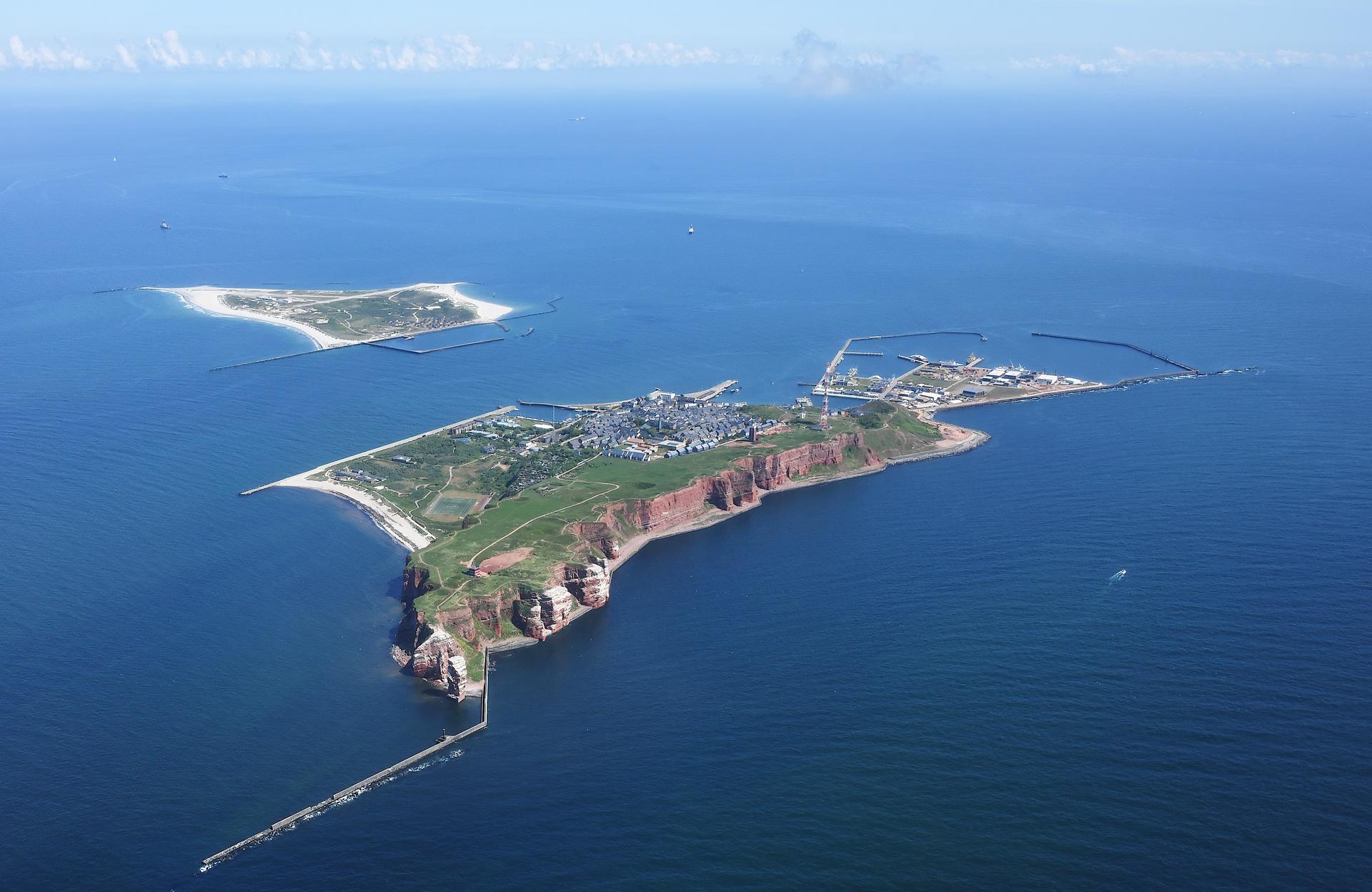
Looking beyond Fredensborg Palace? Discover The North Sea Islands for broader travel guides, local hot-spots, and regional highlights.
Explore The North Sea Islands
Small riverside viewpoint in North Zealand where reintroduced beavers, wetlands and birds turn an everyday path by Pøle Å into a quietly wild nature stop.
Vast royal parkland of straight riding avenues, Baroque geometry and lakeside calm surrounding Denmark’s spring and autumn royal residence in Fredensborg.