Ærø Museum, The South Funen Archipelago Travel Guide
Intimate island museum in an 18th‑century bailiff’s house, tracing Ærø’s maritime roots, town life and evolving identity in the heart of historic Ærøskøbing.
Set in a handsome 18th-century bailiff’s house in the cobbled heart of Ærøskøbing, Ærø Museum offers an intimate journey through the island’s maritime past, town life, and distinctive cultural heritage. Inside its creaking floors and timbered rooms you’ll find ship models, artifacts, and evocative displays that trace Ærø’s development from seafaring community to modern island society, making this a rewarding stop for anyone curious about Danish island history.
A brief summary to Ærø Museum
- Søndergade 16, Ærøskøbing, 5970, DK
- Click to display
- Click to display
- Duration: 1 to 2 hours
- Budget
-
 Indoor
- Mobile reception: 4 out of 5
- Monday 11 am-3 pm
- Tuesday 11 am-3 pm
- Wednesday 11 am-3 pm
- Thursday 11 am-3 pm
- Friday 11 am-3 pm
- Saturday 11 am-3 pm
- Sunday 11 am-3 pm

Know before you go
Hi, I'm Eve. Here are a few practical things to know before exploring Ærø Museum.
- Allow at least 60–90 minutes so you can move slowly through the period rooms and take time with the maritime exhibits without feeling rushed.
- Combine your visit with a walk through Ærøskøbing’s old town; many streets and buildings you see outside are referenced in the museum displays.
- Check current opening hours and seasonal dates in advance, as the museum typically operates a main season with a winter closure.
- Bring a light layer; historic interiors can feel a bit cool even on bright days, especially when you linger in the quieter rooms.
- If you are visiting with children, encourage them to look for small details in the rooms—clocks, toys, and tools make good spotting games.
Do you manage this location?
Take control to get all the benefits, like improved information, better appearance, and stronger visibility across AI-powered discovery. Learn more about listing your business on Evendo
Activate your presenceOther nearby places you may find interesting
The closest places of the same kind, if this one is not quite what you had in mind.

Explore Ærø Museum on the Map
A handpicked selection of must-see spots near Ærø Museum, mapped for you.
Getting There
-
Ferry and walk from Ærøskøbing harbour
Most visitors arrive on Ærø via the ferry to Ærøskøbing from Svendborg. The crossing typically takes about 1 hour 15 minutes, with passenger fares generally in the range of 90–150 DKK one way depending on time and ticket type, and higher prices for cars. From the harbour it is an easy 10–15 minute walk through the flat, cobbled streets of the old town to the museum area. The route is suitable for most visitors, though wheelchair users may find some sections of uneven paving and curbs.
-
Local bus within Ærø
Ærø is served by island buses that link the main settlements and ferry harbours. Travel times between Ærøskøbing, Marstal and Søby are typically 20–40 minutes depending on route and timetable. On many services, transport on the island buses is either free or very low cost, making this an affordable way to reach Ærøskøbing if you are staying elsewhere on the island. Buses usually stop within a short, level walk of the historic centre; check current timetables, as frequencies can be reduced outside the main season.
-
Bicycle from elsewhere on Ærø
Cycling is a popular way to explore Ærø’s gentle landscapes and small distances. From Marstal or Søby, plan for 30–60 minutes of cycling to Ærøskøbing along mainly quiet roads and signposted routes, with modest hills and occasional wind exposure. Hiring a standard bike typically costs around 80–150 DKK per day, with higher prices for e‑bikes. Bicycle parking is usually straightforward near the historic centre, but be prepared for cobblestones and narrow streets as you approach.
For the on-the-go comforts that matter to you
-
 Restrooms
-
 Seating Areas
-
 Information Boards
-
 Trash Bins
Discover more about Ærø Museum
An island story inside an old bailiff’s house
Ærø Museum is housed in a former bailiff’s residence from the late 18th century, a dignified townhouse that fits perfectly into Ærøskøbing’s maze of cobbled lanes and pastel façades. Crossing the threshold feels a little like stepping into another century: worn floorboards, deep-set windows and low ceilings frame the exhibits, reminding you that this building has witnessed much of the history it now interprets.The museum focuses on the story of Ærø as a small but strategically placed island in the South Funen Archipelago. Here you can trace how shifting borders, feudal power and trade shaped daily life, all within rooms that once served as both home and seat of local authority. The domestic scale of the house keeps the experience personal and easy to absorb.Maritime heritage and seafaring livelihoods
Ærø’s fortunes have long been tied to the sea, and the museum’s maritime collections shed light on this close relationship. Ship models, navigational instruments and old charts illustrate the era when local captains sailed far beyond Danish waters, bringing home goods, ideas and sometimes fortunes. Photographs and documents show how shipping companies and sailors connected this modest town to global trade routes.Panels and artifacts delve into the practical realities of seafaring life: cramped quarters on wooden vessels, the dangers of storms in the Baltic, and the skills required to navigate narrow straits. The exhibits make it clear how much the island’s prosperity and culture have been shaped by those who spent most of their lives at sea while their families kept things going ashore.Town life, crafts and everyday objects
Beyond ships and sailors, the museum paints a detailed picture of life in Ærøskøbing itself. Rooms are staged with period furniture, clocks, textiles and household objects that evoke parlours, workshops and kitchens from the 19th and early 20th centuries. You get a sense of how tradespeople, merchants and craftspeople lived and worked within these tight streets.Particular attention is given to local craftsmanship, from ornate woodwork to intricate timepieces and carefully preserved clothing. These objects show how island residents expressed status, faith and personal taste despite living far from larger cities. Small details – a painted chest, a ceramic jug, a child’s toy – hint at intimate stories of families who called Ærø home.Changing times on a small Danish island
Another thread running through the museum is the story of change: steamships replacing sail, agriculture becoming more efficient, and tourism emerging as a new pillar of the local economy. Historical photographs, posters and everyday items document how new technologies and ideas reached Ærø and gradually altered both streetscape and livelihoods.Exhibitions also touch on demographic shifts, including emigration and the pull of mainland opportunities. Yet there is a clear sense of continuity, with long-standing traditions, festivals and architectural forms surviving alongside modern life. The museum sets these developments into broader Danish and European contexts without losing sight of the island’s distinctive identity.Visiting a compact, atmospheric museum
Ærø Museum is compact enough to explore in an unhurried hour or two, making it an easy addition to a stroll around Ærøskøbing. Labels and displays are designed to be accessible, so both dedicated history enthusiasts and casual visitors can find points of interest. Temporary exhibitions or special themes may highlight particular aspects of the island’s past, from fishing communities to notable local figures.Because of its central location, many visitors pair a museum visit with time wandering the surrounding streets, where you can still spot some of the buildings and views depicted in old photographs inside. The result is a layered experience: step into the museum to understand the past, then step outside to see how that past still echoes through one of Denmark’s most charming island towns.












Your all‑in‑one travel companion app
Explore expert travel guides, compare and book tours, experiences, hotels, and more—all from the palm of your hand. Download now for seamless trip planning wherever your wanderlust takes you.


Explore More of The South Funen Archipelago
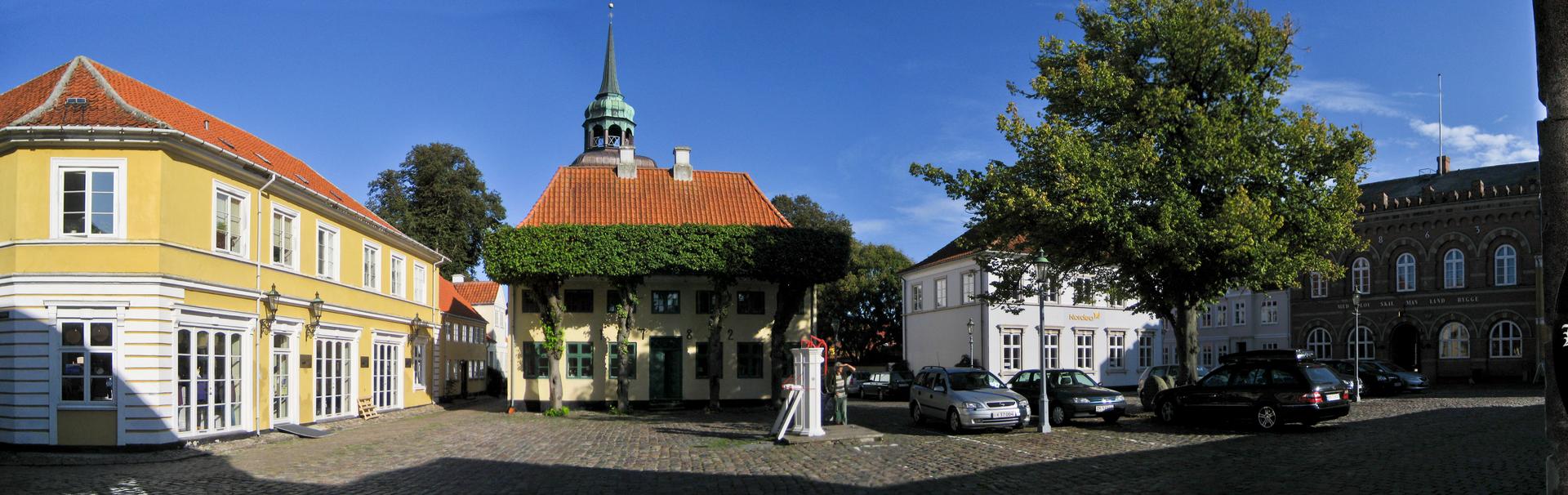
Looking beyond Ærø Museum? Discover The South Funen Archipelago for broader travel guides, local hot-spots, and regional highlights.
Explore The South Funen Archipelago