
Hanstholm Fyr, North Jutland Travel Guide
Historic North Sea lighthouse on windswept Hanstholm Knude, combining powerful coastal views, maritime heritage and a small but thoughtful art and nature hub.
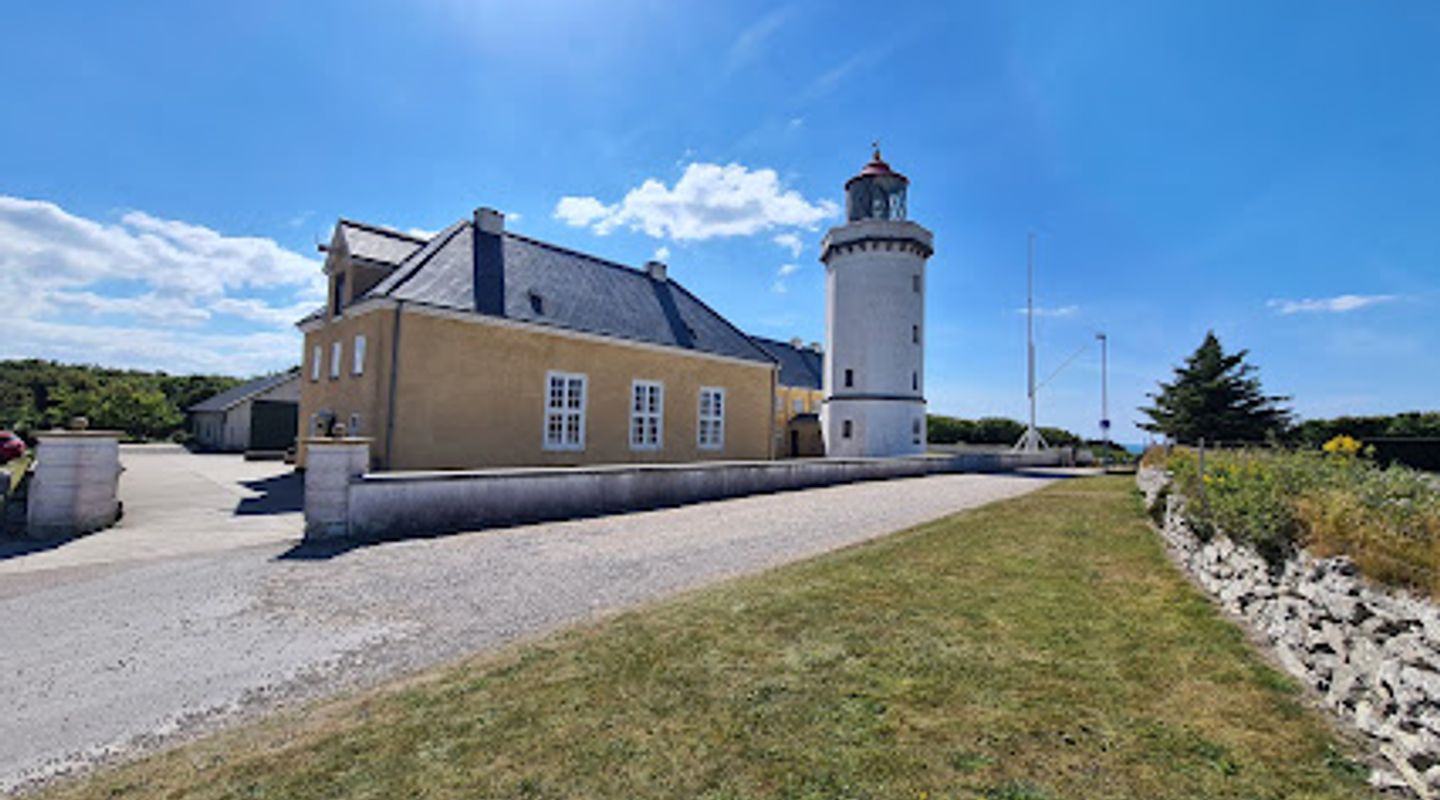
Perched high on the windswept Hanstholm Knude, Hanstholm Lighthouse is a historic beacon where wild North Sea landscapes meet a quiet cultural enclave. Denmark’s first rotating lens lighthouse, built in the 1840s and once the most powerful in the world, still sends its triple flash out over dunes, heath, and harbor. Today the yellow lighthouse compound hosts art exhibitions, a small cultural hub, and information about nearby Thy National Park, making it an atmospheric stop for coastal views, history and contemplation.
A brief summary to Hanstholm Fyr
- Tårnvej 7, Hanstholm, 7730, DK
- Click to display
- Click to display
- Duration: 1 to 3 hours
- Free
-
 Outdoor
- Mobile reception: 4 out of 5
- Monday 9 am-9 pm
- Tuesday 9 am-9 pm
- Wednesday 9 am-9 pm
- Thursday 9 am-9 pm
- Friday 9 am-9 pm
- Saturday 9 am-9 pm
- Sunday 9 am-9 pm

Know before you go
Hi, I'm Eve. Here are a few practical things to know before exploring Hanstholm Fyr.
- Bring a windproof layer year-round; the exposed headland can feel significantly colder and windier than the town below, even on sunny days.
- Plan enough time to climb the tower and also sit in the sheltered garden or courtyard to appreciate the contrast between wild coast and calm interior spaces.
- Combine your visit with nearby Thy National Park trails or the Hanstholm bunker museum for a fuller picture of the area’s nature and wartime history.
- If you enjoy photography, time your visit for late afternoon or evening when the low sun and lighthouse beam enhance the colours and atmosphere.
- Check locally for current opening times to interior exhibitions and tower access, which can differ from general access to the lighthouse grounds.
Do you manage this location?
Take control to get all the benefits, like improved information, better appearance, and stronger visibility across AI-powered discovery. Learn more about listing your business on Evendo
Activate your presenceOther nearby places you may find interesting
The closest places of the same kind, if this one is not quite what you had in mind.
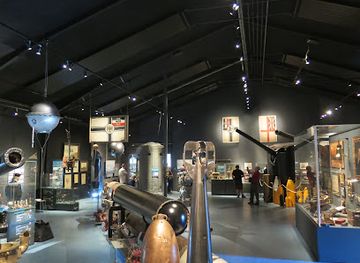
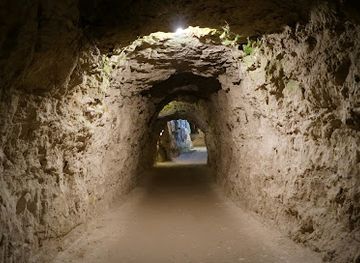
Explore Hanstholm Fyr on the Map
A handpicked selection of must-see spots near Hanstholm Fyr, mapped for you.
Getting There
-
Car from Thisted
From Thisted, driving to Hanstholm Lighthouse typically takes 30–40 minutes. The route follows main regional roads across gently rolling countryside and is straightforward in all seasons, though strong coastal winds and occasional sea mist can reduce visibility near Hanstholm. Parking near the lighthouse and church is generally free but can be limited on peak summer days, so allow extra time to find a space.
-
Regional bus from Thisted
Regional buses connect Thisted with Hanstholm in around 40–55 minutes, running several times a day on weekdays and less frequently at weekends. A one-way adult ticket usually costs about 30–60 DKK depending on concessions and exact zones. From the bus stops in Hanstholm town, expect a moderate uphill walk on paved streets to reach the lighthouse, which may be challenging for those with limited mobility.
-
Cycling from Hanstholm town and harbor
From central Hanstholm or the harbor area, cycling to the lighthouse generally takes 10–20 minutes uphill on local roads and cycle-friendly routes. The gradient can feel demanding in strong headwinds, but surfaces are paved and in good condition. Bicycles can be brought on many regional trains to Thisted for an additional fee, usually around 20–30 DKK, making it practical to combine rail and bike for a wider exploration of Thy.
For the on-the-go comforts that matter to you
-
 Restrooms
-
 Seating Areas
-
 Sheltered Areas
-
 Picnic Areas
-
 Trash Bins
-
 Information Boards
-
 Visitor Center
-
 Drinking Water
Discover more about Hanstholm Fyr
A beacon on Denmark’s northwestern edge
Hanstholm Lighthouse crowns the sandy plateau of Hanstholm Knude, a natural high point that looks out across the North Sea and the broad landscapes of Thy National Park. Built in 1842–43 beside the whitewashed Hansted Church, the tower rises from a cluster of low, yellow buildings that once housed keepers and their families. From here the light sweeps over dunes, heathland and the busy harbor below, marking what is often described as Denmark’s northwesternmost point.The site feels both exposed and sheltered at once: wind from the sea rattles the dune grass, yet inside the garden walls and courtyards the atmosphere is calm and intimate. Narrow paths thread between buildings out toward the cliffs, where the view opens suddenly to an immense horizon.From cutting-edge lens to enduring landmark
When it was first lit, Hanstholm was Denmark’s pioneering rotating lens lighthouse, built to guide ships around the dangerous shallows off this coast. Its powerful lens system concentrated the beam into three short flashes every ten seconds, a characteristic signature that could be recognised far out at sea. Later in the 19th century the tower was heightened and electrified, and for a time it ranked among the strongest lighthouse lights in the world.During the Second World War the beam was extinguished on the orders of occupying forces, who built a major coastal fortification close by. In peacetime the light returned, and although modern navigation technology has reduced its practical importance, the lighthouse still operates automatically, its flashes visible many kilometres offshore, a familiar marker for mariners and locals alike.Architecture, courtyards and coastal gardens
The architecture here is modest rather than grand, but it has a quiet coherence. The main tower is a sturdy cylindrical shaft attached to functional service buildings arranged around a paved courtyard. Painted a soft, weathered yellow with white trim, the complex stands out against the grasses and grey sky, especially in low evening light.To the south, a walled garden and small copses create pockets of greenery protected from the wind. Benches invite you to linger with a thermos and watch the cloud shadows racing over the dunes. Gravel tracks and low fences define the edges without ever feeling restrictive, so the transition from built space to wild heath is almost seamless.Where art, nature and stories meet
Today the lighthouse doubles as a cultural centre, using its buildings for changing art exhibitions, small events and workspaces for artists and researchers. Inside former engine rooms or storage areas you may find contemporary installations, photography or projects that explore the relationship between people and this demanding coastal environment.One wing functions as a gateway to Thy National Park, with information on trails, wildlife and the vast dune landscapes that stretch south. Here the lighthouse becomes more than a navigational aid; it is a place for reflection on how sea, wind and human activity have shaped this corner of Jutland over centuries, from fishing communities to military fortifications and renewable energy projects offshore.The experience from base to lantern
Climbing the tower is a highlight. The narrow staircase spirals upward through cool, whitewashed walls until you reach the lantern level, where windows wrap around the top. From here the view is almost cinematic: the geometric lines of the harbor, the rolling profile of the dune reserve, white breakers along the beach and, on clear days, an endless western horizon.Down below, you can wander at your own pace between buildings, gardens and bluff-top paths. Some visitors pause to sketch or photograph; others simply sit in the courtyard and listen to the wind in the flagpoles, the distant sound of surf and, occasionally, the hum of the automated machinery that still keeps the light turning.Seasons, weather and the coastal atmosphere
The mood at Hanstholm Lighthouse shifts dramatically with the seasons and the sky. On bright summer days the complex glows against deep-blue water, and the surrounding dunes are dotted with wildflowers. In autumn and winter, low clouds and strong westerlies make the site feel raw and elemental, with dramatic light for photography and a strong sense of being on the edge of the continent.Whatever the time of year, the lighthouse offers a blend of exposure and refuge: broad open views outdoors, and within the buildings a chance to warm up, absorb an exhibition or simply read up on the national park before heading back into the wind.












Your all‑in‑one travel companion app
Explore expert travel guides, compare and book tours, experiences, hotels, and more—all from the palm of your hand. Download now for seamless trip planning wherever your wanderlust takes you.


Explore More of North Jutland
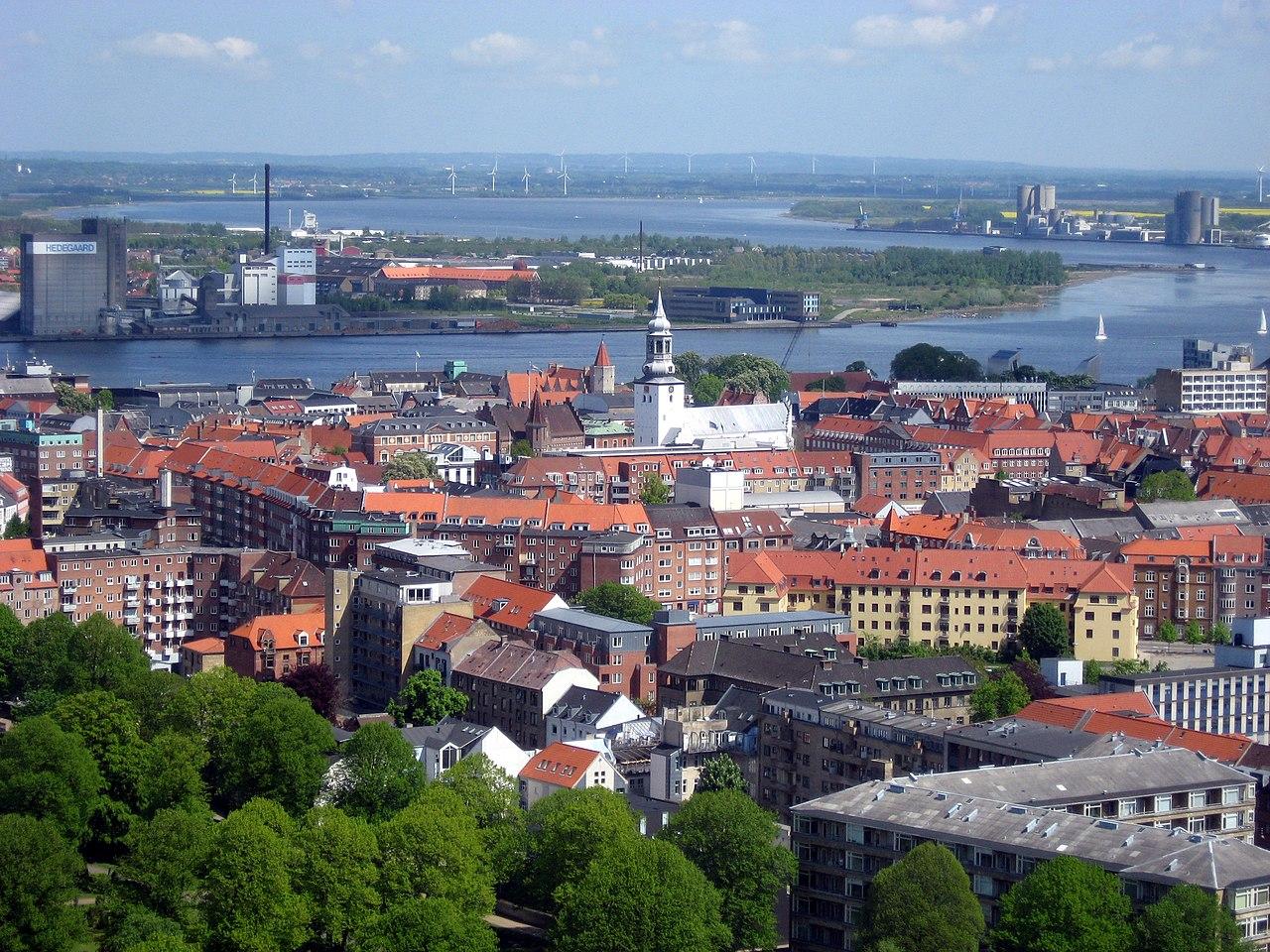
Looking beyond Hanstholm Fyr? Discover North Jutland for broader travel guides, local hot-spots, and regional highlights.
Explore North Jutland
Denmark’s original hippie camp turned long‑running free community, blending DIY homes, music and communal living amid the wild landscapes of Thy.
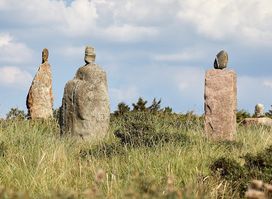
A modest Hanstholm lookout with a mighty view over Denmark’s largest dune heath, where wind, wild landscape and distant sea meet under a vast North Jutland sky.
