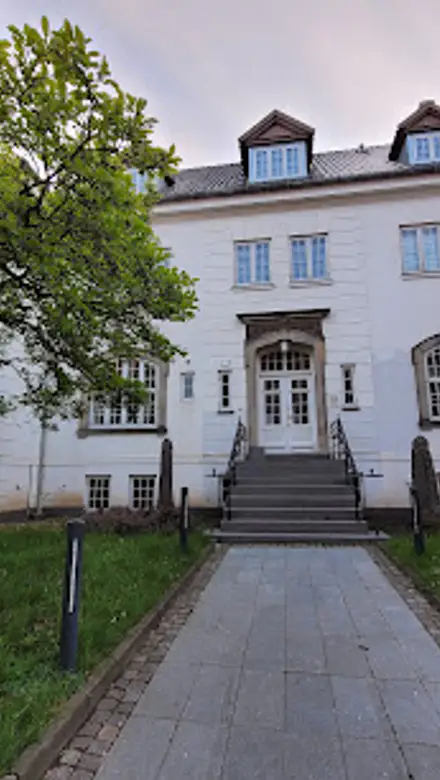
The Vejle Local Heritage Archive, Vejle Travel Guide
Free Guide: A quiet, document-filled heart of Vejle where photographs, records and maps preserve the city’s everyday history and help visitors trace stories across generations.


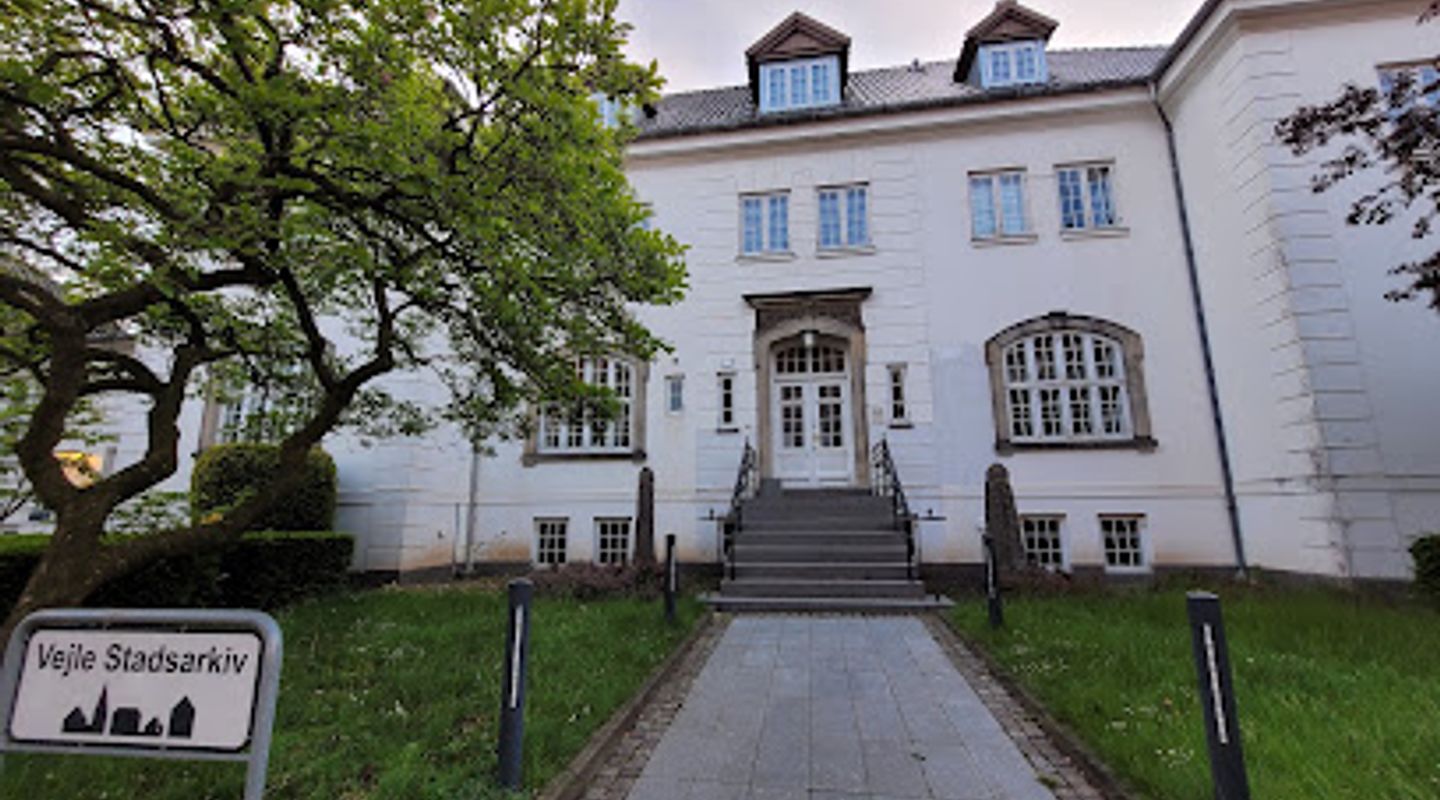
A brief summary of The Vejle Local Heritage Archive
A quiet, document-filled heart of Vejle where photographs, records and maps preserve the city’s everyday history and help visitors trace stories across generations.
Tucked into Vedelsgade in central Vejle, the Vejle Local Heritage Archive is a quiet treasure trove for anyone curious about the town’s past. Inside, shelves of documents, photos, maps and local records trace everyday life in Vejle across generations, from industry and urban growth to family histories and changing streetscapes. It is a calm, research‑friendly space where you can dive into genealogy, explore old images of familiar corners of town, or simply gain a richer sense of how this East Jutland city became what it is today.
On-site amenities
 Restrooms
 Seating areas
 Trash bins
 Information boards
Opening hours
- Mon10 am–4 pm
- Tue10 am–4 pm
- Wed10 am–4 pm
- Thu10 am–4 pm
- Fri10 am–12 pm
- SatClosed
- SunClosed
Opening hours as listed on the venue’s Google Business Profile. Hours can change for services and special events, so check with the venue before you go.
- Address
- Vedelsgade 17, 7100 Vejle
- Phone
- Website
Getting there
On foot from central Vejle
Local city bus within Vejle
Car or taxi within Vejle area
Discover more about The Vejle Local Heritage Archive
Tracing Vejle’s Story Through Paper and Photographs
The Vejle Local Heritage Archive is where the city quietly keeps its collective memory. Housed in understated premises on Vedelsgade, it gathers local documents, photographs, maps and personal collections that together sketch out Vejle’s journey from market town to modern regional centre. Here you move away from big set-piece exhibitions and step into a working archive, where history is handled in folders and boxes rather than display cases.Much of the material focuses on everyday life: street scenes, school photos, shop façades, associations, sporting clubs and civic events. Looking through old images, you can see how familiar corners of Vejle have evolved, where former factories once stood, and how the harbour and valley landscape have been shaped by industry and infrastructure.
Local Lives, Genealogy and Family Threads
One of the archive’s key strengths is its value for family research. Packed into its shelves are parish copies, local registers, address books, association records and donated private collections that together form a detailed mosaic of local lives. For those with roots in Vejle or surrounding parishes, this is often the place where a vague family story starts to solidify into dates, addresses and faces.Staff can help point you toward relevant sources, whether you are tracing a single surname, reconstructing the occupants of a particular property, or piecing together the history of a small business. Even if you are not researching your own ancestors, it is fascinating to follow how occupations, house names and street patterns shift as you leaf through the decades.
From Industrial Townscape to Cultural Hub
The collections also offer a window onto Vejle’s urban development. Old maps, planning documents and photographic series trace the transformation from textile and metalworking town to today’s mix of commerce, culture and design-driven waterfront. Side-by-side images show warehouses giving way to modern housing, rail lines receding under green corridors, and once-busy industrial courtyards turning into public spaces.For anyone exploring Vejle’s museums or walking its neighbourhoods, the archive provides a deeper layer of context. It helps explain why certain streets bend the way they do, how the river valley has been used and protected over time, and which local figures drove major changes in education, welfare and urban planning.
A Working Room for Quiet Concentration
The atmosphere inside is calm and purposeful, more like a reading room than a museum. Tables are set up for consulting materials, and many items are brought out on request from behind the scenes. It is the sort of place where conversations stay low, paper rustles softly and you gain the satisfying sense of handling original traces of the past.There is usually a clear routine for registering as a reader, ordering items and handling fragile materials, and basic reference tools such as catalogues and local indexes are readily available. This focus on concentration and care makes the archive particularly appealing to travellers who enjoy unhurried, detail-rich exploration.
Connecting Past and Present in the Heart of Vejle
Being located in central Vejle, the archive sits within walking distance of many of the streets and buildings captured in its holdings. It is easy to look up a particular corner of town in an old photograph and then step outside later to compare it with the present-day view, seeing layers of time superimposed on the same space.For visitors interested in local history, architecture, urban development or genealogy, the Vejle Local Heritage Archive offers a deep, low-key experience that complements the city’s larger museums. It is not a quick-stop attraction, but a place to linger, read and let the details of the town’s story gradually come into focus.
Evendo Review Centre
 Google
Guest reviews
Best time to go
Quietest: Jan, Feb & Dec · before 8am or from 5pm
Busy times are Evendo estimates for a typical year, to help you plan. Actual crowds vary with events, school holidays and the weather.
Explore The Vejle Local Heritage Archive on the map
A handpicked selection of must-see spots near The Vejle Local Heritage Archive, mapped for you.
Get your free copy of our complete guide to The Vejle Local Heritage Archive, delivered straight to you.
Everything on this page, from opening hours and how to get there to Eve’s tips and the best time to go, in one PDF you can read offline, print or share.
Already have an account? Sign in
Your The Vejle Local Heritage Archive guide is ready.
We'll send it to · Not you? Sign out

Getting your guide ready…
We are putting together a fresh copy of the The Vejle Local Heritage Archive guide. This can take up to a minute.
This can take a few moments. If your browser asks, choose Allow so the download can start. You'll find the guide in your Downloads folder.
Nothing happened? Download it again
Sorry, the guide is taking longer than usual. Please try again in a minute, or get it by email instead.
Other nearby places you may find interesting
The closest places of the same kind, if this one is not quite what you had in mind.
-
-
-
-
-


Swipe for more places
More to explore near The Vejle Local Heritage Archive
-
 Best experiences near The Vejle Local Heritage Archive
-
 Best hotels near The Vejle Local Heritage Archive
-
 Best landmarks near The Vejle Local Heritage Archive
-
 Best attractions near The Vejle Local Heritage Archive
-
 Best shops near The Vejle Local Heritage Archive
-
 Best restaurants near The Vejle Local Heritage Archive
-
 Best bars near The Vejle Local Heritage Archive


Do you manage this location?
Take control to get all the benefits, like improved information, better appearance, and stronger visibility across AI-powered discovery.
Explore more

Explore more of Vejle
Discover Vejle, Denmark's hidden gem, where natural beauty meets vibrant urban life. Explore historic sites, enjoy outdoor adventures, and savor delicious Danish cuisine.
Explore Vejle
Explore more of Denmark
Discover Denmark: A perfect blend of history, modern design, and the cozy concept of hygge. Explore vibrant cities, serene landscapes, and world-class cuisine.
Explore Denmark