

Tapdrup Trælleborg, Viborg Travel Guide
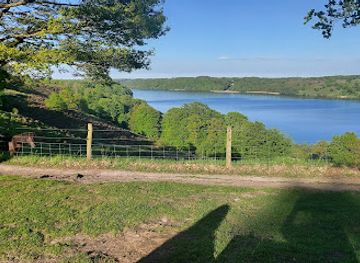
Subtle Viking‑age earthworks on a quiet rise above the Nørreå valley, where soft contours and big skies tell the story of an early fort in rural Jutland.
Tapdrup Trælleborg is a small, atmospheric Viking‑age site on the edge of the village of Tapdrup near Viborg in central Jutland. Set in gently rolling farmland above the ice‑age Nørreå valley, the grassy earthworks hint at an early medieval fortification that once controlled movement through the landscape. Today it is a quiet, open green space where you can trace low banks, imagine timber palisades and enjoy broad rural views, making it an appealing detour for historically minded travelers exploring the Viborg area.
A brief summary to Tapdrup Trælleborg
- Tapdrupvænget 10, Viborg, 8800, DK
- Duration: 0.5 to 1.5 hours
- Free
-
 Outdoor
- Mobile reception: 4 out of 5

Know before you go
Hi, I'm Eve. Here are a few practical things to know before exploring Tapdrup Trælleborg.
- Wear sturdy shoes; the ground is uneven, grassy and can be slippery after rain, making the low banks easier to feel underfoot than to see.
- Bring a printed or offline map of the fort layout if possible; without reconstructions it helps to interpret the faint earthworks.
- Plan your visit for early morning or late afternoon when low sunlight casts clearer shadows that highlight the shape of the embankments.
Do you manage this location?
Take control to get all the benefits, like improved information, better appearance, and stronger visibility across AI-powered discovery. Learn more about listing your business on Evendo
Activate your presenceOther nearby places you may find interesting
The closest places of the same kind, if this one is not quite what you had in mind.
Explore Tapdrup Trælleborg on the Map
A handpicked selection of must-see spots near Tapdrup Trælleborg, mapped for you.
Getting There
-
Car from Viborg city centre
Driving from central Viborg to Tapdrup Trælleborg typically takes about 15–20 minutes, following local roads east through the countryside. The route is straightforward, with paved roads all the way, and there is usually informal roadside parking near the site rather than a marked car park. The drive does not involve tolls, and fuel costs within Denmark for such a short return trip are modest, usually under 50–70 DKK depending on your vehicle’s consumption.
-
Bicycle from Viborg
Cycling from Viborg to the Tapdrup area takes around 30–45 minutes each way, depending on your pace. The terrain is gently rolling with some mild inclines but no demanding hills, and much of the way uses minor rural roads where traffic is light. There is no dedicated bike parking infrastructure at the fort itself, so you will need to secure your bike to a fence or lay it off the path. Renting a bicycle in Viborg generally costs about 100–200 DKK per day, and this option is best in dry, daylight conditions.
-
Bus plus short rural walk
From Viborg, regional buses serve villages in the direction of Tapdrup, with travel times typically 15–25 minutes depending on the specific line and stops. A standard adult single ticket within the local zone system usually costs around 20–30 DKK. Services may be less frequent in the evenings and on weekends, and the bus stop is likely to be in the village rather than directly at the fort, so expect a short walk on village streets and farm tracks over mostly level ground. This option is more practical in good weather and for those comfortable with basic rural walking surfaces.
For the on-the-go comforts that matter to you
-
 Trash Bins
-
 Information Boards
Discover more about Tapdrup Trælleborg
A quiet trace of the Viking age above Nørreå valley
Tapdrup Trælleborg sits on the outskirts of Tapdrup, a former railway village on the edge of the Nørreå valley east of Viborg. The landscape here is subtle but important: a gentle rise overlooking a tunnel valley carved by ice and meltwater, once a natural routeway through Jutland. On this modest height a small Viking‑age fortification was laid out, part of a broader network of defended sites that helped control traffic, trade and power.What you see today is not towering stone but the softer archaeology of Denmark: low, rounded earthworks, changes in level and colour in the grass, and the way the ground suddenly feels organised rather than purely natural. It is the kind of place where you read the past in contours rather than monuments.Reading the shape of an early stronghold
Walking across the site, you can pick out shallow embankments that once carried timber ramparts and simple defensive structures. Archaeological investigations in the wider region have revealed how such strongholds were planned with geometric precision, using straight lines, right angles and carefully measured gateways. At Tapdrup Trælleborg, those lines are softened by centuries of ploughing and pasture, yet the overall sense of an enclosed platform remains.It is easy to imagine low wooden buildings huddled inside a palisade, storehouses for grain and weapons, and a commanding hall for the local magnate. In contrast to the great ring fortresses elsewhere in Denmark, this was more likely a local strongpoint than a royal showpiece, but it belonged to the same world of shifting alliances and fortified landscapes.Village setting and everyday Danish countryside
The fortification is woven into the fabric of modern Tapdrup. Nearby, the village church and scattered farmsteads tell their own story of continuity, from Viking farms to Christian parish and rural community. Paths lead out between fields, hedges and small shelterbelts of trees, typical of the Central Jutland countryside.On clear days the horizon opens toward Viborg’s uplands, once a major religious and political centre. Standing here, you are roughly between that power base and the fertile Nørreå lowlands, which helps explain why a defensive site was placed on this particular rise. The relationship between hill, valley and route is as much part of the experience as the earthworks themselves.A stop for imagination, not spectacle
Tapdrup Trælleborg is deliberately low‑key. There are no reconstructed longhouses or staged battles; instead the atmosphere is of open grass, wind and birdsong. The reward is space to think through the archaeology for yourself. A short circuit of the field lets you trace possible rampart lines, picture gate positions and consider where watchmen might once have stood.Because the terrain is gentle and the scale small, it works well as a brief stop on a wider day around Viborg, especially for those who enjoy piecing together landscapes and history without a great deal of infrastructure. The lack of hard surfacing and formal facilities also keeps the site closely tied to its agricultural surroundings.Light, seasons and a changing sky
As with many open Danish sites, the mood changes dramatically with the weather. In low winter sun, long shadows pick out the banks far better than at midday in summer. After rain, darker bands in the grass mark filled ditches and buried features. In late summer the hum of insects and the smell of warm soil dominate, while spring brings fresher greens and clearer views toward the valley.The openness of the place means you are always aware of the sky: moving cloud, passing showers, and the long northern twilight. For visitors attuned to quiet detail, these shifting conditions become part of understanding the fort’s position in the landscape and of sensing how early inhabitants would have watched approaching travellers from this same low rise.












Your all‑in‑one travel companion app
Explore expert travel guides, compare and book tours, experiences, hotels, and more—all from the palm of your hand. Download now for seamless trip planning wherever your wanderlust takes you.


Explore More of Viborg
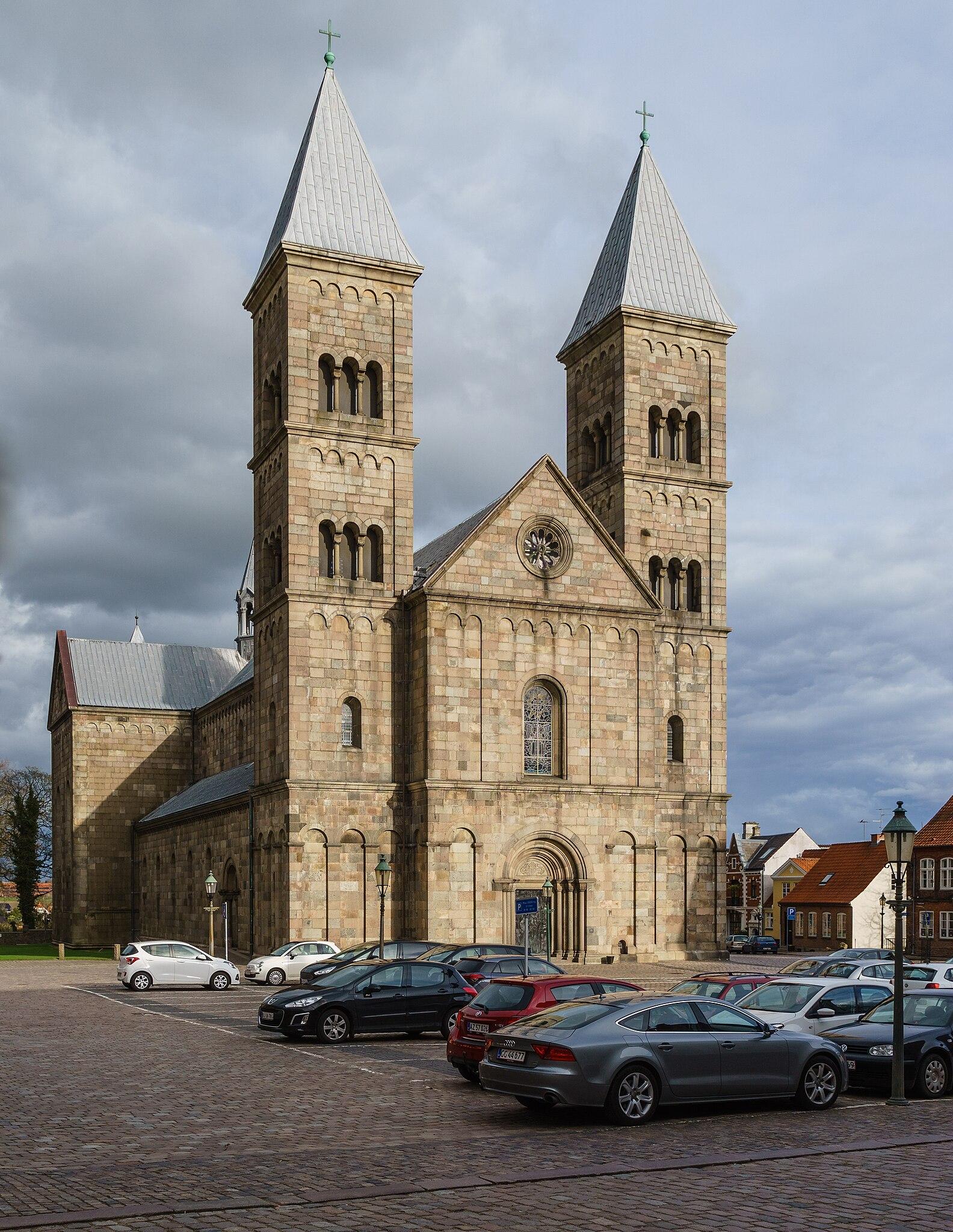
Looking beyond Tapdrup Trælleborg? Discover Viborg for broader travel guides, local hot-spots, and regional highlights.
Explore Viborg
A living biblical library where over 100 scriptural plants bloom in thematic beds within historic Borgvold park.
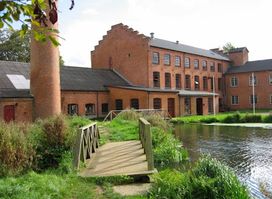
A living paper and cardboard factory in a tranquil valley near Viborg, where roaring machines and worn brick halls bring Denmark’s industrial past vividly to life.
