
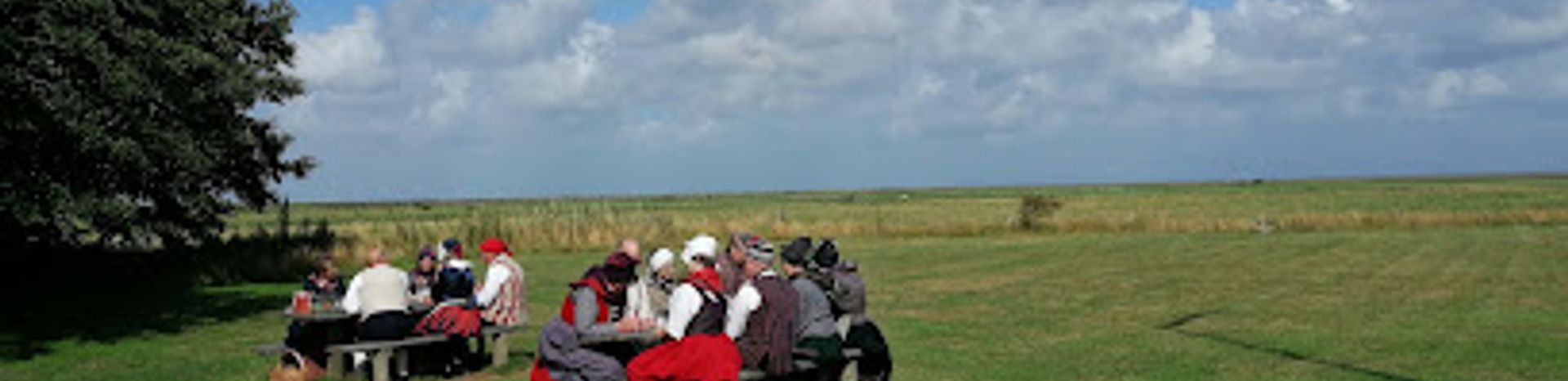
Nationalmuseets Kommandørgård
An 18th-century whaling captain's manor frozen in time, where Arctic riches met island elegance.
Step into 18th-century island life at this beautifully preserved captain's farmhouse on windswept Rømø. Once home to wealthy whaling captains, the timber-framed manor showcases hand-painted Dutch tiles, imported wallpapers, and seafaring treasures collected from Arctic expeditions. Surrounded by grazing sheep and historic outbuildings, the museum offers an intimate glimpse into the golden age of Wadden Sea commerce and the opulent lifestyle that polar whaling wealth afforded Denmark's maritime elite.
A brief summary to Nationalmuseets Kommandørgård
- Juvrevej 60, Rømø, 6792, DK
- +4574755276
- Visit website
- Duration: 1.5 to 3 hours
- Budget
-
 Mixed
Mixed
- Mobile reception: 4 out of 5
- Tuesday 10 am-3 pm
- Wednesday 10 am-3 pm
- Thursday 10 am-3 pm
- Friday 10 am-3 pm
- Saturday 10 am-3 pm
- Sunday 10 am-3 pm
Local tips
- Wear comfortable shoes with good grip—the farmhouse has uneven wooden floors and the surrounding grounds include grassy paths that can be muddy after rain.
- Visit on weekdays to avoid crowds and enjoy a more intimate experience with the exhibits and grounds.
- Allow at least 2–3 hours to fully explore the main house, outbuildings, gardens, and grounds without rushing.
- Check the museum website for seasonal exhibitions and special events that may enhance your visit beyond the permanent collections.
- The café serves light refreshments with views of the Wadden Sea—a perfect spot to rest and absorb the landscape that shaped the captain's world.

For the on-the-go comforts that matter to you
- Restrooms
- Drink Options
- Food Options
- Seating Areas
- Information Boards
- Visitor Center
Getting There
-
Car
From mainland Denmark, take Route 11 towards Rømø and follow signs across the causeway to the island. Once on Rømø, continue on the main road and turn onto Juvrevej; the museum is located at Juvrevej 60. Travel time from Tønder is approximately 20–25 minutes. Free parking is available on the museum grounds.
-
Public Bus
Take a train to Tønder station, then board bus number 888 towards Rømø. The journey takes approximately 45–60 minutes depending on connections. Get off at the Rømø stop near Juvrevej and walk approximately 10–15 minutes to the museum, or arrange a local taxi for the final leg. A single bus fare costs approximately 24–28 DKK. Note that bus service is limited outside the summer season; check schedules in advance.
-
Taxi
Taxis from Rømø's main village centers or ferry terminal typically reach Kommandørgården in approximately 10–15 minutes. Expect a fare in the range of 130–180 DKK depending on your starting point and season. This option is most practical if arriving by train or bus and preferring not to walk the final distance.
-
Bicycle
Rømø is well-suited for cycling, with bike paths connecting the island's main settlements. From Lakolk or other village centers, the ride to Juvrevej takes approximately 15–25 minutes depending on your starting point. Bike rentals are available at several locations on the island. The terrain is flat and generally easy, though coastal winds can be strong.
Nationalmuseets Kommandørgård location weather suitability
-
 Any Weather
-
 Mild Temperatures
Discover more about Nationalmuseets Kommandørgård
The Whaling Captain's Legacy
Nationalmuseets Kommandørgård stands as a striking monument to Rømø's maritime golden age, when intrepid ship captains ventured into Arctic waters in pursuit of whale oil riches. Built in the mid-1700s, this imposing timber-framed farmhouse was constructed for a 'kommandør'—the elite local title bestowed upon captains who commanded vessels through treacherous polar seas. The building itself, with its distinctive red-tiled roof and prominent position in the windswept landscape, represents the wealth and status these seafarers accumulated through their dangerous expeditions. The fortunes made from whaling transformed Rømø from a modest island community into a center of European commerce. These captains didn't merely extract resources from distant oceans; they brought back cultural influences, exotic goods, and architectural ambitions that reshaped their home island. Kommandørgården embodies this transformation—a rural farmstead elevated to unexpected grandeur through the spoils of polar enterprise.Opulence in an Island Setting
Stepping through the heavy doors of Kommandørgården reveals an interior that defies expectations for a remote island dwelling. Walls are adorned with hand-painted Dutch tiles, their intricate patterns speaking to trade networks that stretched across northern Europe. Grand oak furniture fills the rooms, while fading but exquisite imported wallpapers hint at the cosmopolitan tastes of the original inhabitants. These weren't mere decorative choices—they were deliberate statements of wealth and cultural sophistication in an era when such refinements were rare outside major cities. Outside, whalebone archways frame the entrance, their pale curves a tangible reminder of Arctic hunts and the whale oil that funded this luxury. Inside, glass cases display seafaring treasures brought back across oceans: navigational instruments, maritime charts, and artifacts that chronicle the dangerous journeys these captains undertook. Every room tells a story of ambition, risk, and the extraordinary rewards that came from mastering the sea.A Living Window into 18th-Century Island Life
Beyond the main house, the museum grounds preserve the complete ecosystem of a prosperous captain's estate. A charming kitchen garden demonstrates the self-sufficiency required on an island, while sheep graze in nearby meadows much as they did three centuries ago. Historic outbuildings—barns, storage structures, and workshops—reveal the practical infrastructure that supported both domestic life and maritime commerce. Together, these elements create an immersive experience that transcends typical museum displays. The museum's careful curation allows visitors to understand not just the wealth of these captains, but the texture of their daily existence. The uneven floors of the farmhouse, worn smooth by centuries of footsteps, connect you physically to the people who once walked these same paths. The views across the Wadden Sea from the property grounds remain largely unchanged since the 1700s, offering a tangible link to the maritime world that defined these residents' lives.Situated in Denmark's Maritime Heartland
Rømø's location within the Wadden Sea—a UNESCO World Heritage site and Denmark's only national park—provides essential context for understanding Kommandørgården. The shallow waters, tidal flats, and seasonal bird migrations that characterize this landscape were the gateway to Arctic waters. From Rømø's harbors, captains departed on expeditions that could last years, returning with holds full of whale oil to fuel the lamps and industries of Europe. The museum's setting amid this wild, windswept terrain underscores the courage required to leave such a landscape for even more hostile polar regions. The Wadden Sea itself remains a place of extraordinary natural significance. Migratory birds by the thousands pass through each season, and the unique ecosystem supports species found nowhere else in Denmark. By situating Kommandørgården within this protected landscape, the museum connects human history to the natural world that both enabled and constrained island life.A Museum of Intimate Scale
Unlike grand national institutions in Copenhagen or Aarhus, Kommandørgården maintains an intimate, almost domestic character. The exhibits are thoughtfully designed to engage visitors of all ages, with interactive elements and informative panels that bring history to life without overwhelming the senses. The cosy café offers views across the Wadden Sea, providing a moment of reflection and connection to the landscape that shaped the captain's world. This human-scaled approach makes the museum accessible to families, school groups, and serious history enthusiasts alike.For the vibe & atmosphere seeker
- Scenic
- Unique
- Cultural Heritage
- Tranquil
For the design and aesthetic lover
- Vintage Styles
- Rustic Designs
For the architecture buff
- Historic
- Heritage Neighborhoods
For the view chaser and sunset hunter
- Panoramas
- Waterfront
For the social media creator & influencer
- Photo Spots
- Architectural Shots
For the eco-conscious traveler
- Protected Area
- Locally Managed
- Wildlife Habitat
For the kind of experience you’re after
- Cultural Heritage
- Myth & Legends
- Day Trip
- Photowalk
For how adventurous you want the journey to be
- Easy Access
Location Audience
- Family Friendly
- Child Friendly
- Senior Friendly
- Solo Friendly
- Couple Friendly
- Wheelchair Access


